
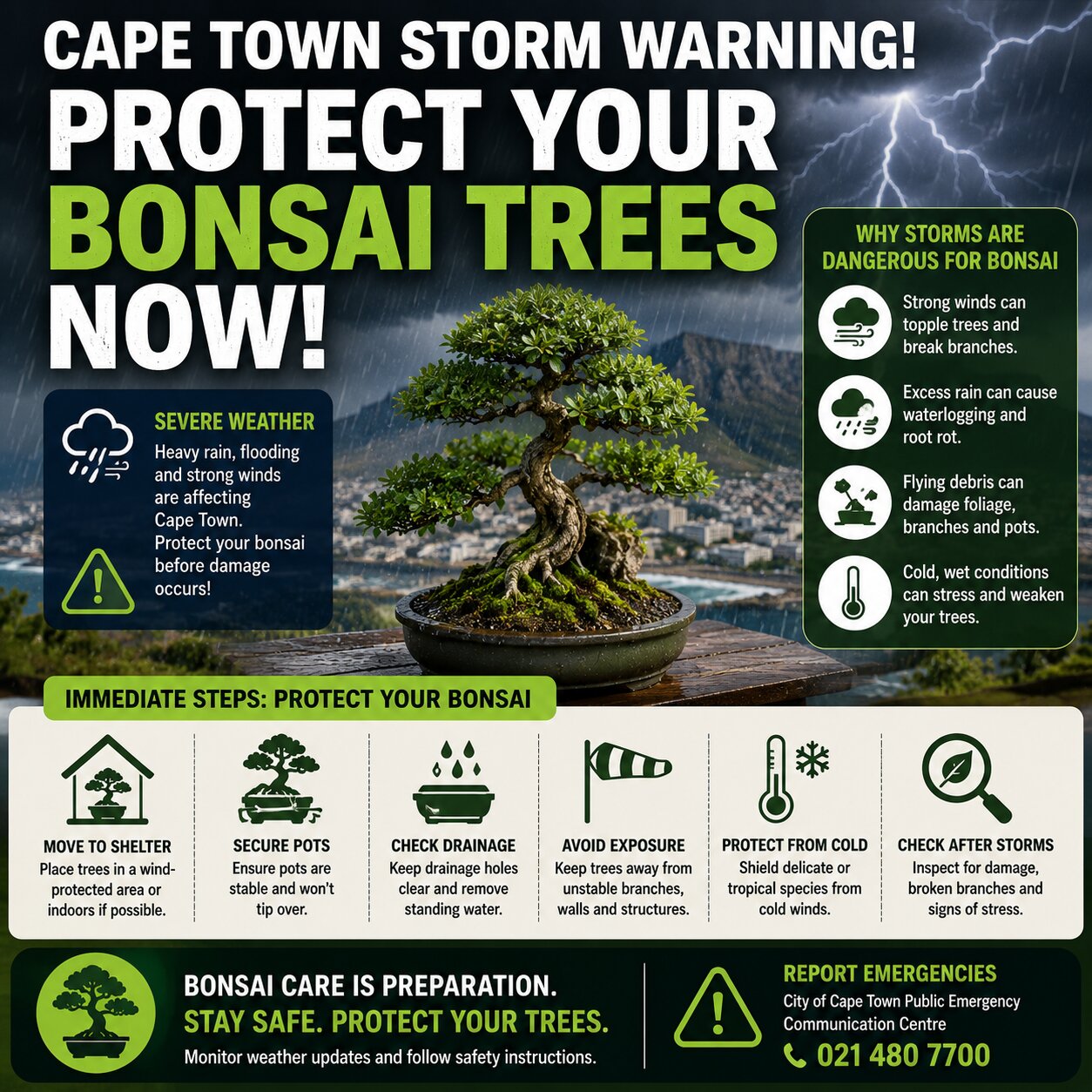
Cape Town and surrounding areas are currently facing severe weather conditions as heavy rain, flooding, and powerful winds continue impacting the Western Cape. With reports of uprooted trees, structural damage, flooding, and dangerous debris already affecting multiple areas, bonsai tree owners should take immediate action to protect their trees from storm-related damage.
Strong winds, excessive rain, falling debris, and cold exposure can seriously damage bonsai trees, especially smaller specimens, shallow-rooted varieties, and delicate display setups. While bonsai trees are resilient in many ways, severe weather conditions like those currently affecting Cape Town can quickly cause broken branches, overturned pots, root damage, waterlogging, and even complete tree loss.
Why storms are dangerous for bonsai trees
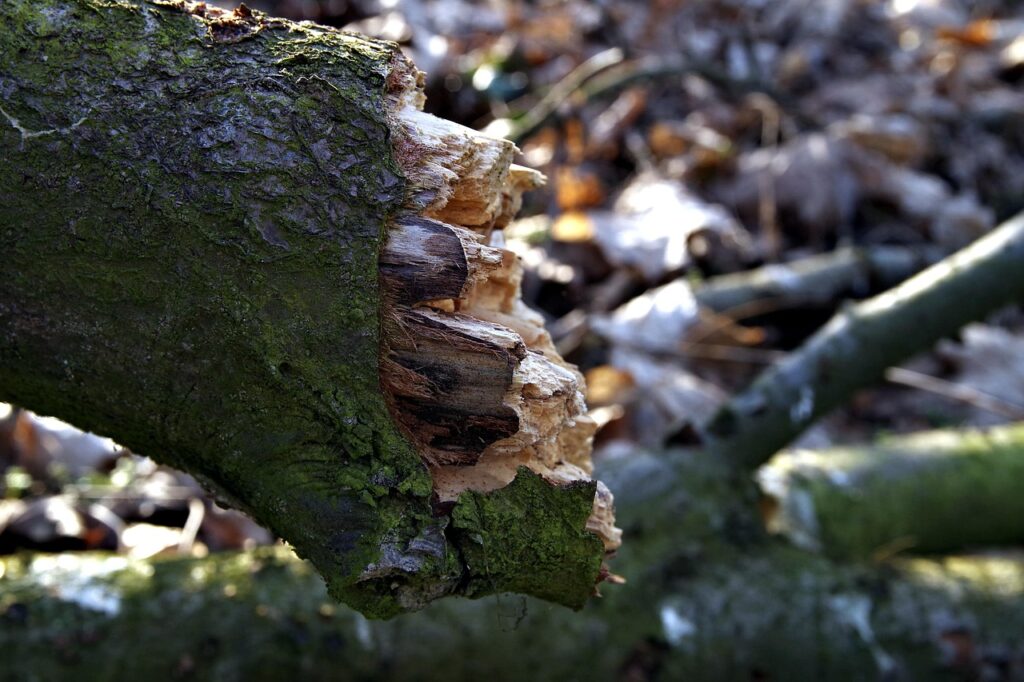
Bonsai trees are especially vulnerable during storms because they are often grown in shallow containers and displayed in exposed outdoor areas. Gale-force winds can easily knock trees from benches, shelves, walls, or stands, damaging branches, trunks, and root systems.
Excessive rainfall creates additional risks. Bonsai pots have limited soil volume, which means poor drainage can quickly lead to waterlogged roots, fungal problems, and root rot. Floodwater may also wash away soil or destabilise recently repotted trees.
Flying debris from branches, roofing material, garden items, and outdoor furniture can also strike bonsai trees during storms. Even hardy species may suffer severe structural damage if left fully exposed during dangerous weather conditions.
Cold winter rain and constant moisture combined with strong wind exposure can further weaken stressed trees over several days if protective measures are not taken.
Immediate steps to protect your bonsai trees
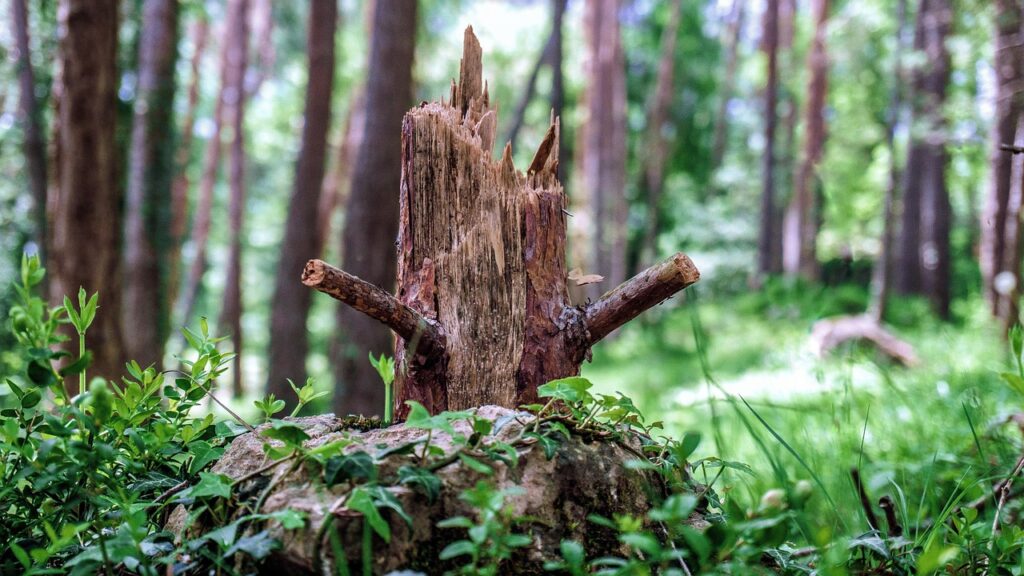
If you are in Cape Town or surrounding areas affected by the storm warnings, it is strongly recommended that you secure and protect your bonsai collection as soon as possible.
Some important actions include:
- Move bonsai trees into sheltered areas away from direct wind
- Avoid placing trees beneath unstable branches or structures
- Secure pots so they cannot tip over in strong gusts
- Ensure drainage holes remain clear to prevent waterlogging
- Remove trays that may trap excess rainwater
- Protect delicate or tropical species from cold wind exposure
- Bring smaller or fragile bonsai indoors temporarily if possible
- Check trees regularly for storm damage or broken branches
If you use bonsai benches or shelving, double-check their stability during strong winds. Lightweight stands and unsecured display areas may become dangerous during severe storms.
Watch for drainage and root problems
One of the biggest storm-related threats to bonsai trees is excessive moisture. Constant heavy rain can saturate bonsai soil quickly, especially if drainage systems are blocked by leaves, debris, or compacted soil.
Check pots regularly to ensure water drains freely. If standing water remains in trays or containers for long periods, roots may begin suffering from oxygen deprivation and rot. Some species are more sensitive to overwatering than others, particularly during colder winter conditions.
After the storms pass, monitor your trees closely for signs of stress such as yellowing leaves, blackened roots, fungal growth, branch dieback, or soft root systems. Early intervention can help prevent long-term damage.
It is also important not to over-prune or heavily wire stressed trees immediately after severe weather. Allow them time to recover and stabilise first.
Protecting your bonsai collection during winter storms
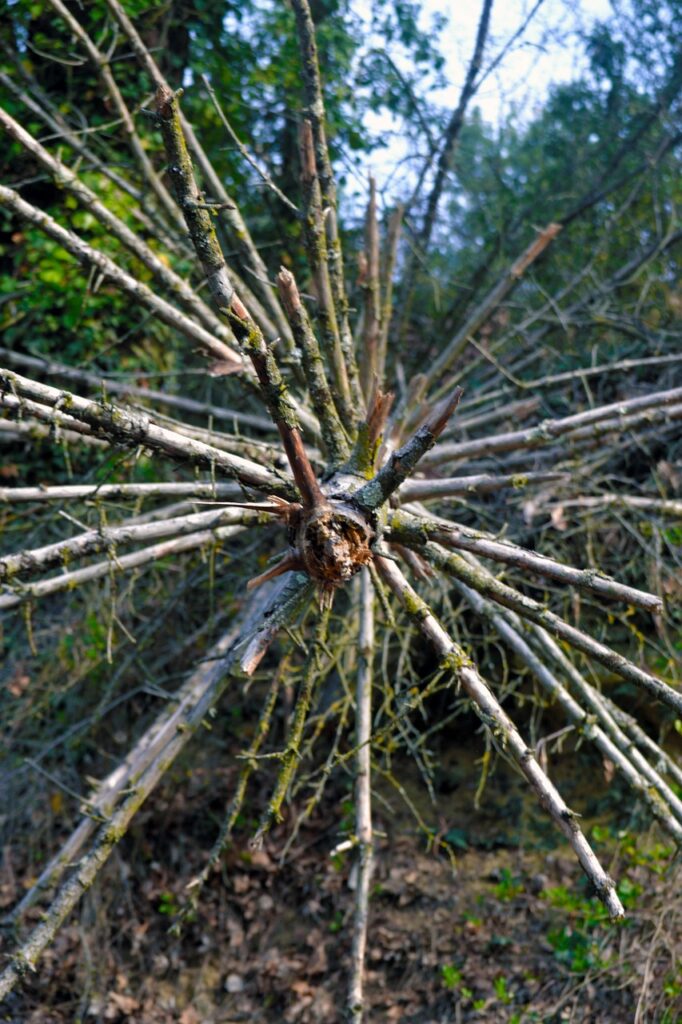
Cape Town’s winter weather can be unpredictable, and major storm systems may continue affecting the region over the coming days. Bonsai enthusiasts should remain cautious and prioritise tree safety over display aesthetics during severe conditions.
Preparing a temporary storm shelter area can be extremely useful for bonsai collections during winter. Covered patios, garages with indirect light, greenhouses, enclosed balconies, and wind-protected garden corners can help reduce exposure during dangerous weather.
For collectors with larger bonsai gardens, grouping trees together can also reduce wind exposure and improve stability. Heavy pots may still require additional securing during gale-force conditions.
Keeping bonsai healthy before winter also improves their resilience during storms. Trees with strong roots, proper drainage, and healthy growth generally recover better from environmental stress.
Keeping your bonsai safe through the storm
The severe weather currently affecting Cape Town serves as an important reminder that bonsai care includes environmental protection and preparation. While bonsai trees symbolise patience, resilience, and harmony with nature, they still require practical protection during dangerous storms.
Taking preventative action now can help bonsai owners avoid significant damage and preserve their collections during the ongoing heavy rain and wind conditions across the Western Cape. Stay safe, protect your trees, and continue monitoring official weather warnings as the storm system develops further.