Bonsai is more than just a tree in a pot. It’s a living art form rooted in centuries of tradition, culture, and patience. If you’ve ever found yourself wondering what is bonsai, the answer lies in the delicate balance between nature and nurture, where trees are shaped to reflect the beauty and complexity of the natural world in miniature form.
In this guide, we’ll explore what bonsai truly means: where it comes from, how it works, and why so many people around the world have fallen in love with this quiet, meditative practice. Whether you’re a complete beginner or simply curious, this is the perfect place to start your journey into the world of bonsai.
🏯 The Origins of Bonsai
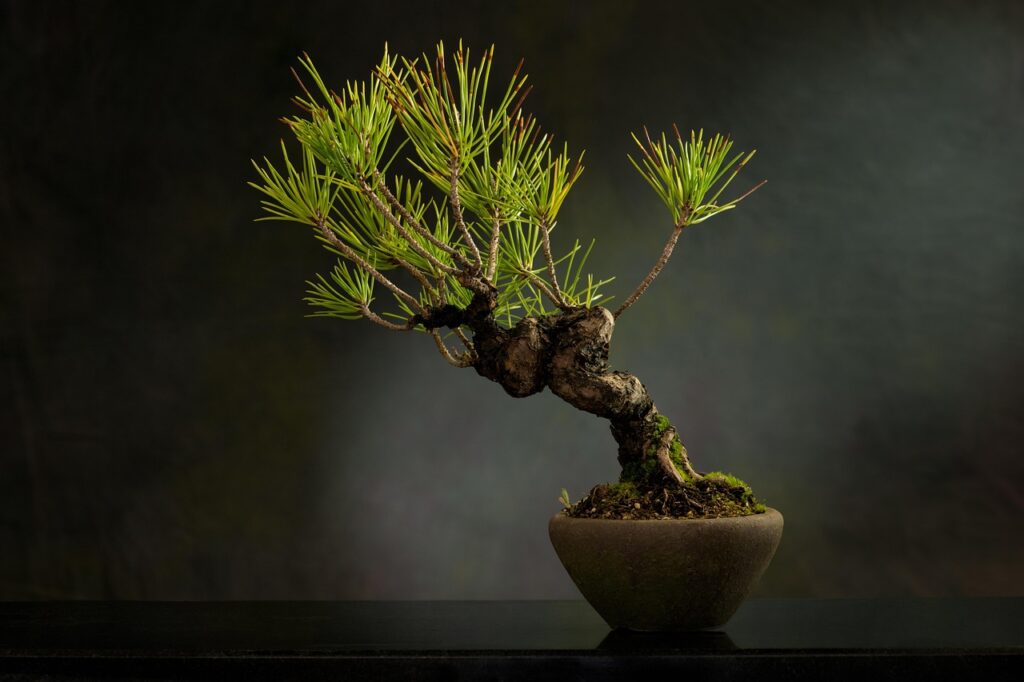
To answer the question “what is bonsai”, we need to look back over a thousand years. The practice began in ancient China as penjing, the art of creating miniature landscapes in pots. These early displays often included trees, rocks, and figurines to capture the grandeur of nature in a small, poetic form.
The art eventually made its way to Japan, where it was refined and simplified into what we now know as bonsai. The Japanese focused more on the tree itself: its shape, movement, and harmony with its container. Over time, bonsai became a symbol of Zen, discipline, and aesthetic beauty. Today, it’s a global hobby and art form, but its roots remain grounded in these ancient traditions.
🧘 The Philosophy Behind Bonsai
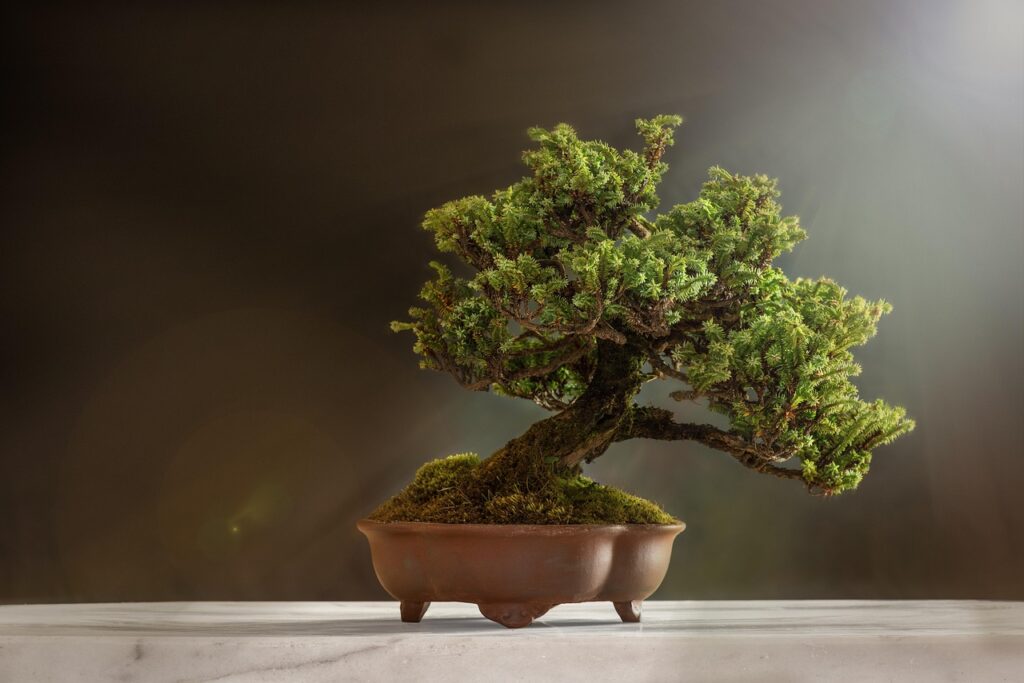
At its core, “what is bonsai” is as much a spiritual and philosophical question as it is horticultural. It’s about more than shaping a tree. It’s about shaping yourself. The process requires patience, presence, and a deep respect for nature’s rhythms. Every cut, bend, and choice reflects not just artistic intention, but inner discipline.
Many bonsai growers embrace the concept of wabi-sabi: the appreciation of imperfection, impermanence, and the natural passage of time. A bonsai tree is never truly finished; it evolves slowly, just like we do. In this way, bonsai becomes a form of meditation, a peaceful collaboration between human and nature where the goal isn’t perfection, but harmony.
🌳 What Makes a Tree a Bonsai?
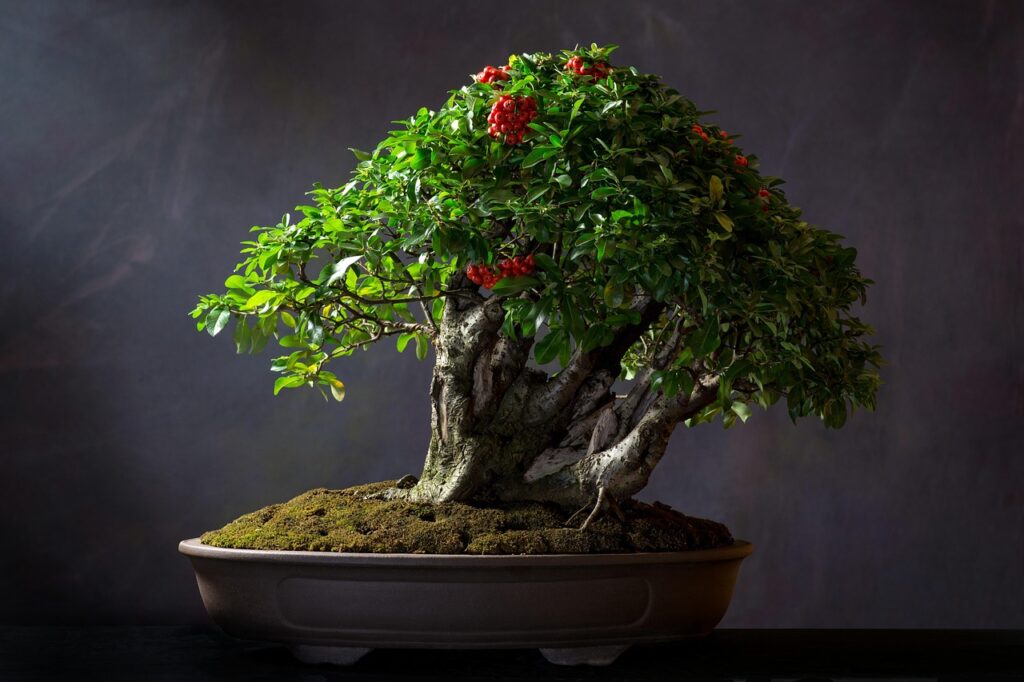
Contrary to popular belief, bonsai trees aren’t a special breed or genetically miniature species. In fact, almost any tree can become a bonsai with the right care and technique. What defines a bonsai is how it’s grown: through careful pruning, wiring, root trimming, and styling, a full-sized tree is guided to grow in a small container while still resembling its natural form.
The goal is to create a miniature version of a mature tree in nature, capturing the essence of age, weathering, and balance. What sets bonsai apart from regular potted plants is this intentional shaping over time. It’s not just gardening; it’s sculpting with a living organism. And the best part? You don’t need decades of experience to start your own.
🏡 Bonsai in Everyday Life
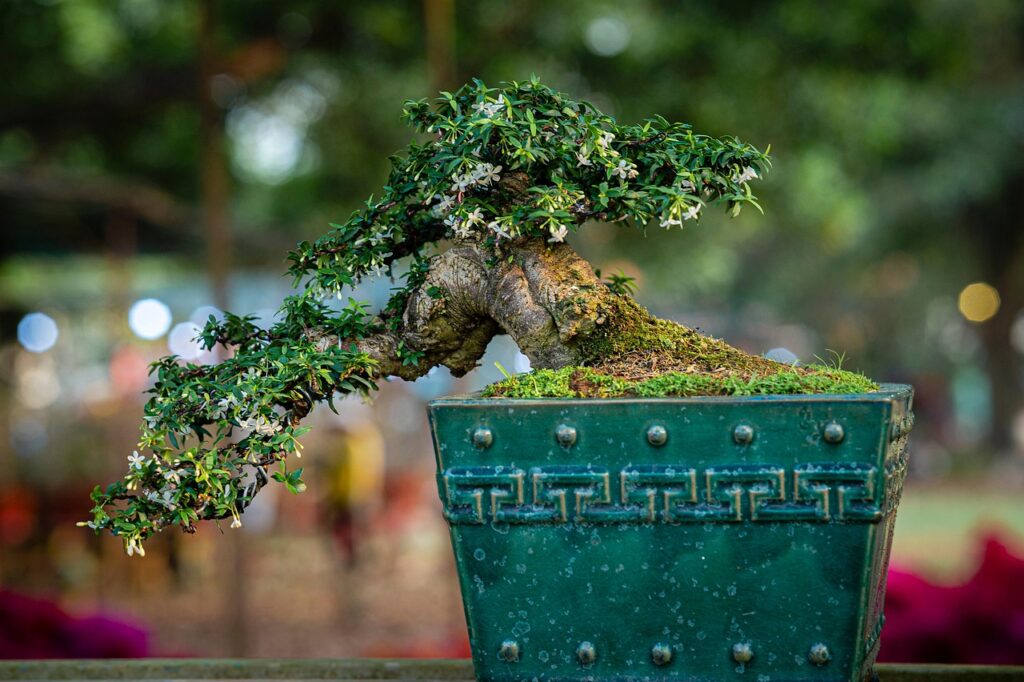
Bonsai may have ancient roots, but it fits beautifully into modern life, especially in backyard spaces, patios, and even windowsills. For many, it’s a calming hobby that brings a sense of purpose and peace. Watching a tree respond to your care over months or years is incredibly rewarding, whether you’re shaping a dramatic cascade or simply keeping a ficus happy in the sun.
Beyond aesthetics, bonsai offers real mental health benefits. It encourages mindfulness, reduces stress, and fosters a deeper connection with the natural world. It’s not just about growing a tree. It’s about cultivating patience, creativity, and personal growth right from your own home.
🌟 What is bonsai: now you know
Now that you have a clearer answer for “what is bonsai”, you can see it’s more than just a decorative plant: it’s a living expression of care, time, and artistry. From its ancient roots to its place in modern backyards, bonsai invites us to slow down, pay attention, and grow something beautiful with intention.
Whether you’re starting with a humble sapling or simply exploring the idea, your bonsai journey can begin today. And we’re here to help every step of the way.