Every bonsai tells a story through its shape. The curves of the trunk, the flow of its branches, and the balance of its form are what transform a simple tree into a living sculpture. Bonsai styles are the visual language of this art, reflecting how nature’s elements (wind, light, and gravity) shape trees in the wild.
In these sections, you’ll explore the traditional and modern bonsai styles that define bonsai design. From the elegant Chokkan (Formal Upright) to the dramatic Ishizuki (Rock Planting), each style represents a unique interpretation of balance and beauty. These pages celebrate the artistry behind bonsai form and the creativity that brings each miniature landscape to life.
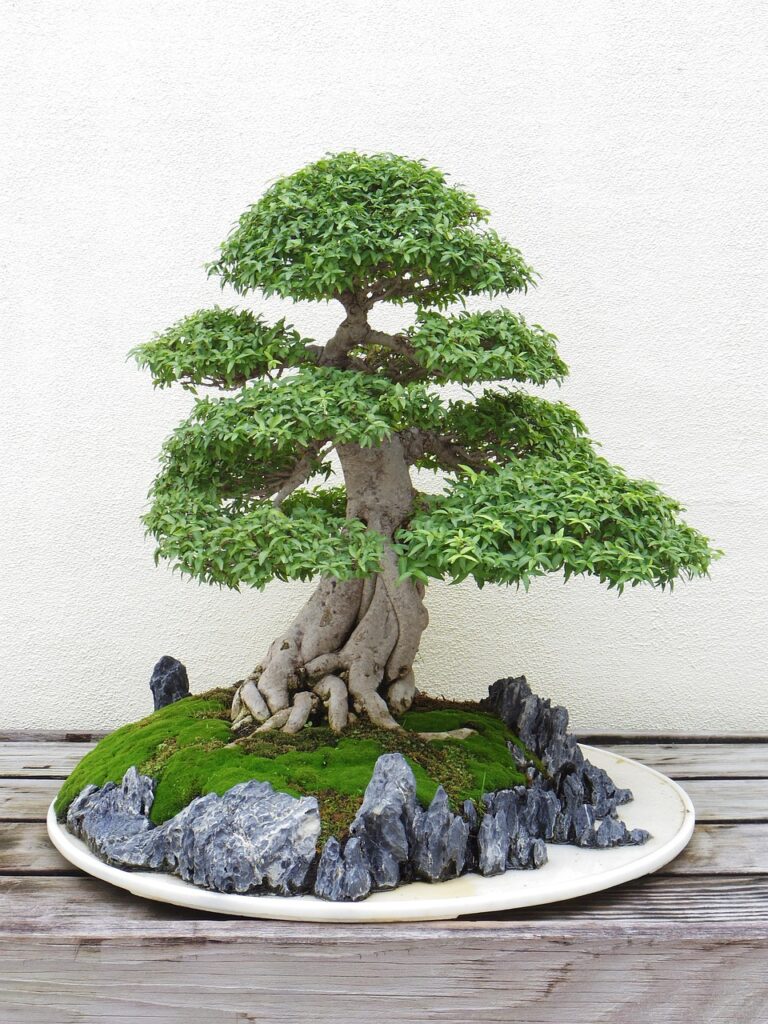
🌳 Formal Upright (Chokkan)
The Chokkan or Formal Upright style embodies strength, balance, and natural perfection. Its straight trunk and symmetrical branching create a visual sense of harmony that mirrors trees growing in open environments where sunlight reaches evenly on all sides.
On the Formal Upright (Chokkan) page, you’ll discover why this style is considered the foundation of bonsai aesthetics. It represents stability and calm, teaching us how even the most ordinary shapes can hold timeless beauty.
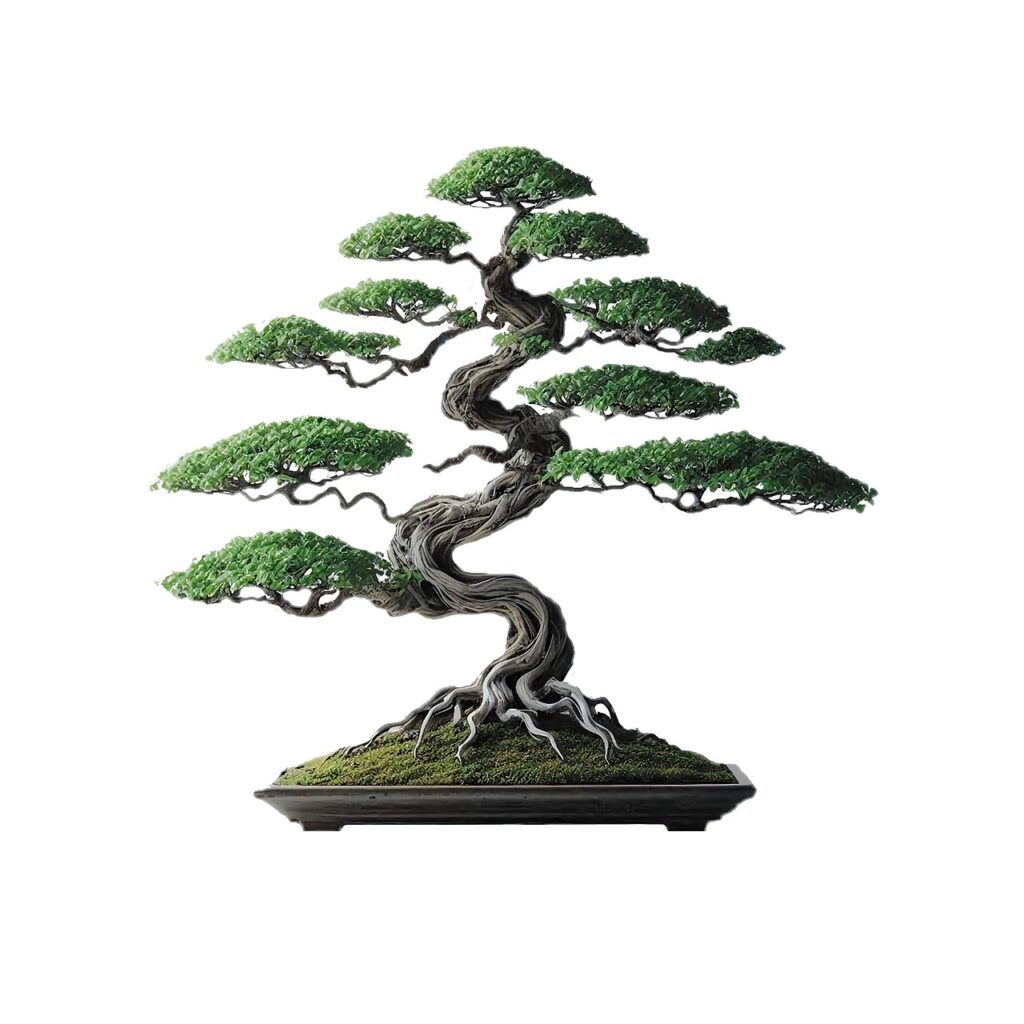
🌿 Informal Upright (Moyogi)
The Moyogi or Informal Upright style captures the graceful movement of trees shaped by wind and time. Its gently curving trunk creates a sense of rhythm and flow, proving that balance doesn’t always mean rigidity.
The Informal Upright (Moyogi) page explores how this natural, asymmetrical form represents resilience and adaptability, two qualities at the heart of bonsai philosophy.
🍃 Slanting (Shakan)
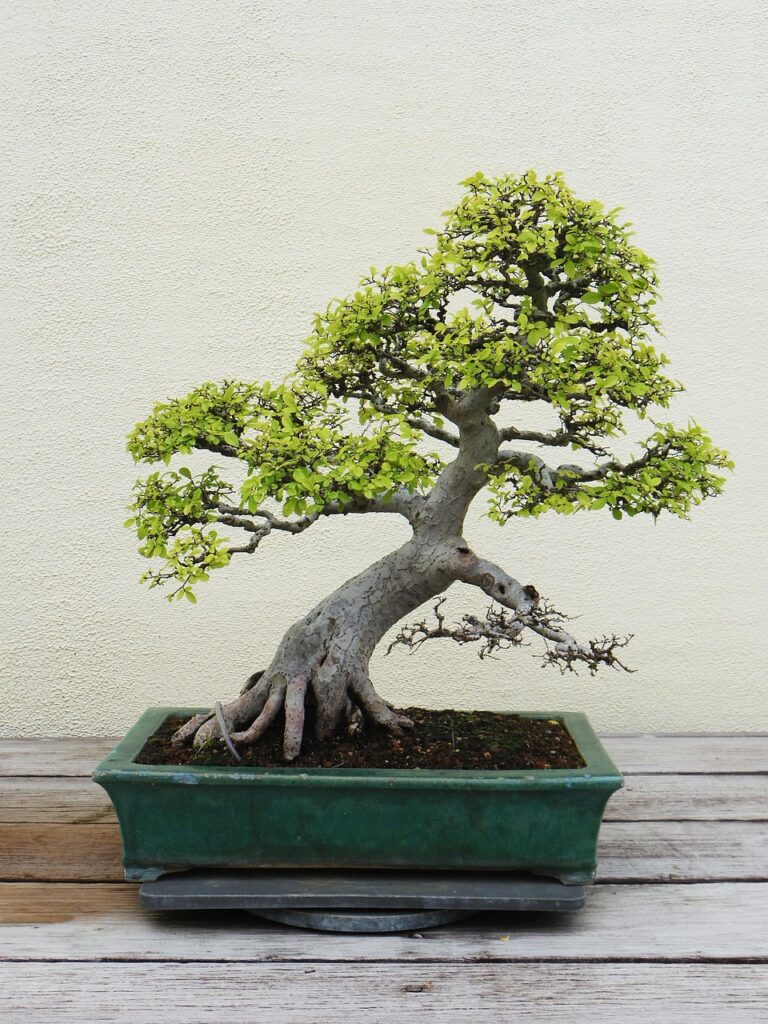
The Shakan or Slanting style expresses determination. Trees in this form lean at an angle, as though pushed by years of wind or reaching toward distant light. It’s a living symbol of perseverance against unseen forces.
On the Slanting (Shakan) page, you’ll learn how the visual tension of a tilted trunk can evoke both motion and endurance, qualities that make this one of bonsai’s most emotionally expressive styles.
💨 Windswept
The Windswept style captures the raw power of nature. Every branch and leaf appears to bend in the same direction, as if shaped by relentless gales across open plains or mountainsides.
The Windswept page showcases how this style turns chaos into harmony, revealing motion, struggle, and endurance frozen in perfect balance.
🌀 Shari / Driftwood Style (Sharimiki)
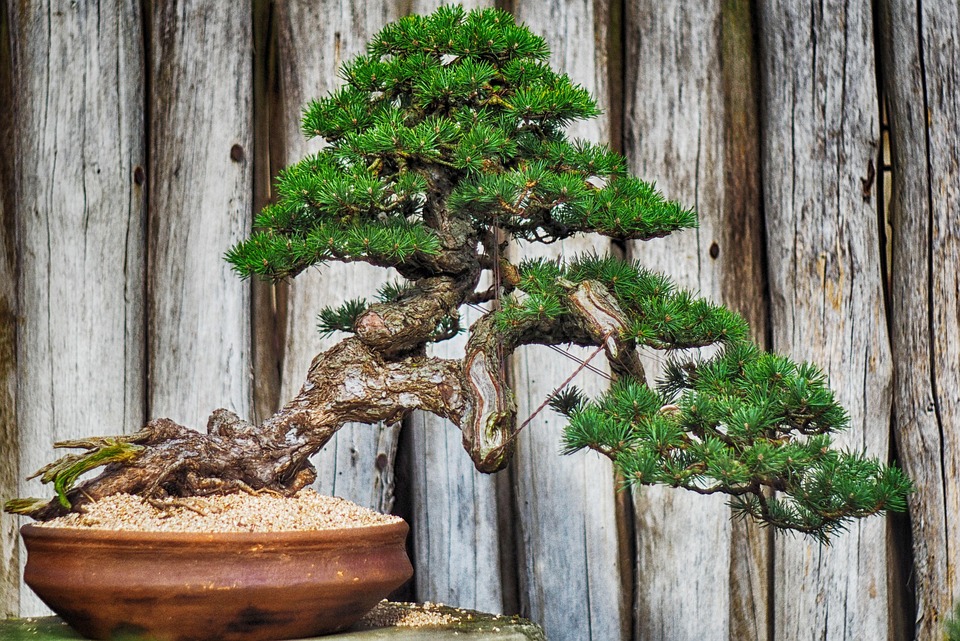
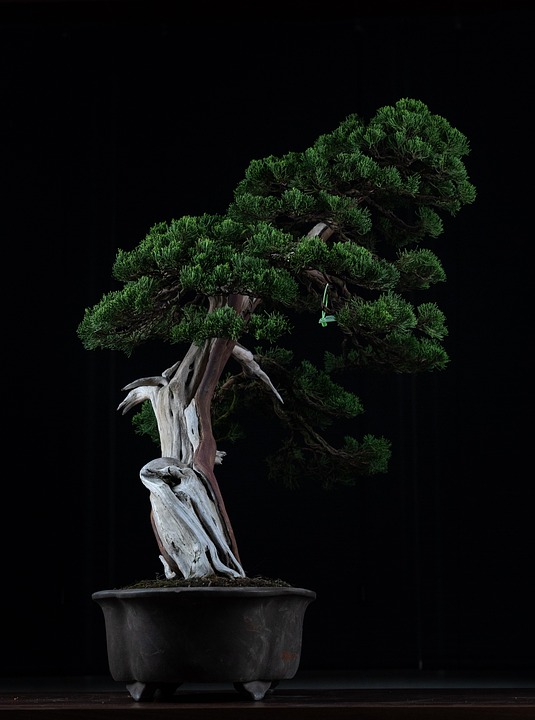
The Sharimiki, or Driftwood Style, captures the ancient and weathered beauty of time. With portions of exposed, bleached wood on the trunk, it evokes images of trees shaped by storms, sun, and age.
On the Shari / Driftwood Style (Sharimiki) page, you’ll explore how this style embodies endurance and transformation, turning age and struggle into a striking symbol of life’s persistence.
🍂 Broom (Hokidachi)
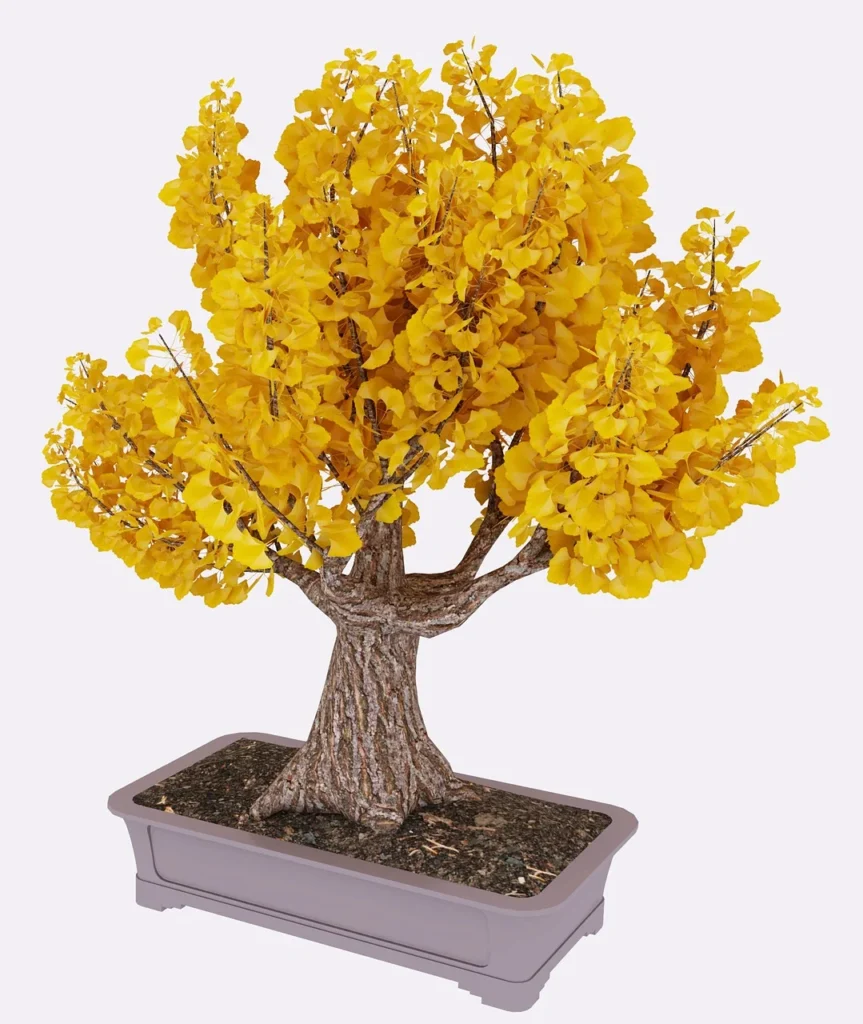
The Hokidachi, or Broom Style, is known for its symmetrical, fan-shaped canopy that resembles an upturned broom. Typically seen in deciduous trees, this design highlights a beautifully radiating branch structure that creates a sense of calm balance and natural order.
On the Broom Style (Hokidachi) page, you’ll explore how this form symbolises harmony and renewal, capturing the gentle elegance of trees standing tall in still winter air.
🌳 Multitrunk (Kabudachi)
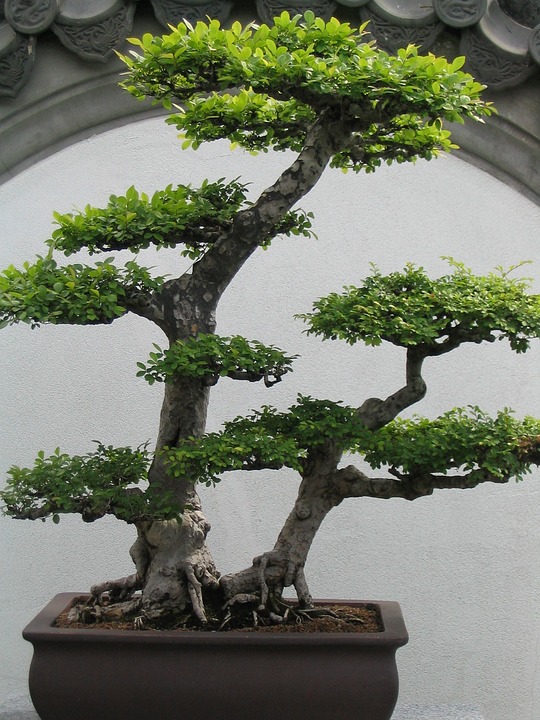
The Kabudachi, or Multitrunk Style, features several trunks rising from a single root base, representing family and unity. Double-trunk bonsai, or Sokan, are included here: a graceful variation that adds emotional depth to this communal design.
On the Multitrunk Style (Kabudachi) page, you’ll discover how this form captures the spirit of connection and growth, celebrating the way trees, like people, thrive together.
🌊 Cascade / Semi-Cascade
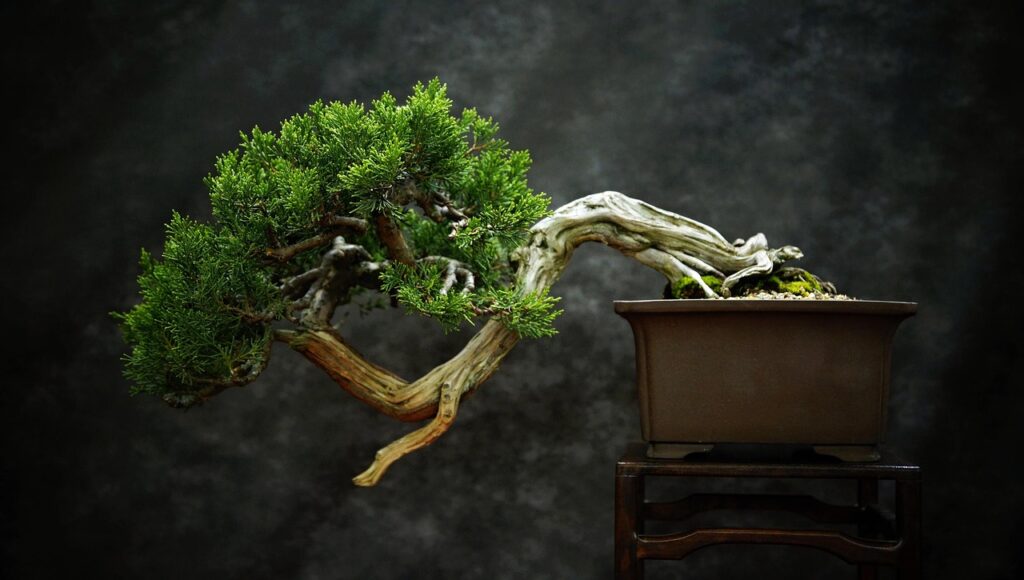
Cascade and Semi-Cascade bonsai mirror trees that grow on cliffsides or riverbanks, their trunks bending downward with grace and gravity. They create a striking contrast between control and surrender, as branches reach below the pot’s rim in elegant descent.
These pages explore how cascading forms capture the beauty of nature’s unpredictability. Each design invites the viewer to see motion, depth, and balance from a fresh perspective.
🖋️ Literati (Bunjingi)
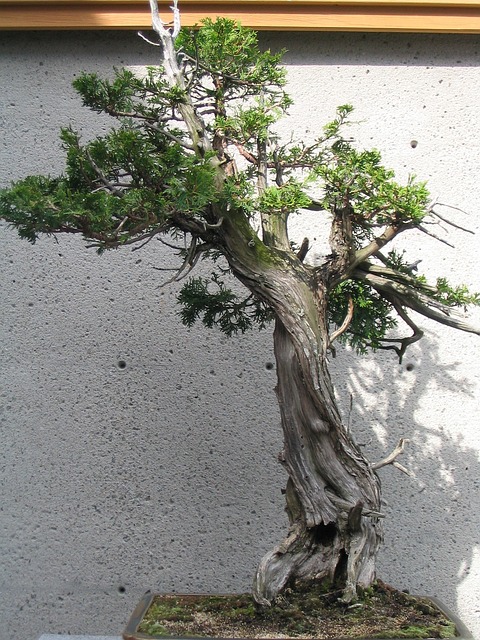
The Bunjingi, or Literati style, values expression over structure. With tall, slender trunks and sparse foliage, it reflects the simplicity and refinement of classical Chinese and Japanese art. Every curve and empty space carries meaning.
On the Literati (Bunjingi) page, you’ll discover how this minimalist approach celebrates imagination and individuality, reminding us that beauty often lies in restraint.
🌲 Forest & Group Plantings
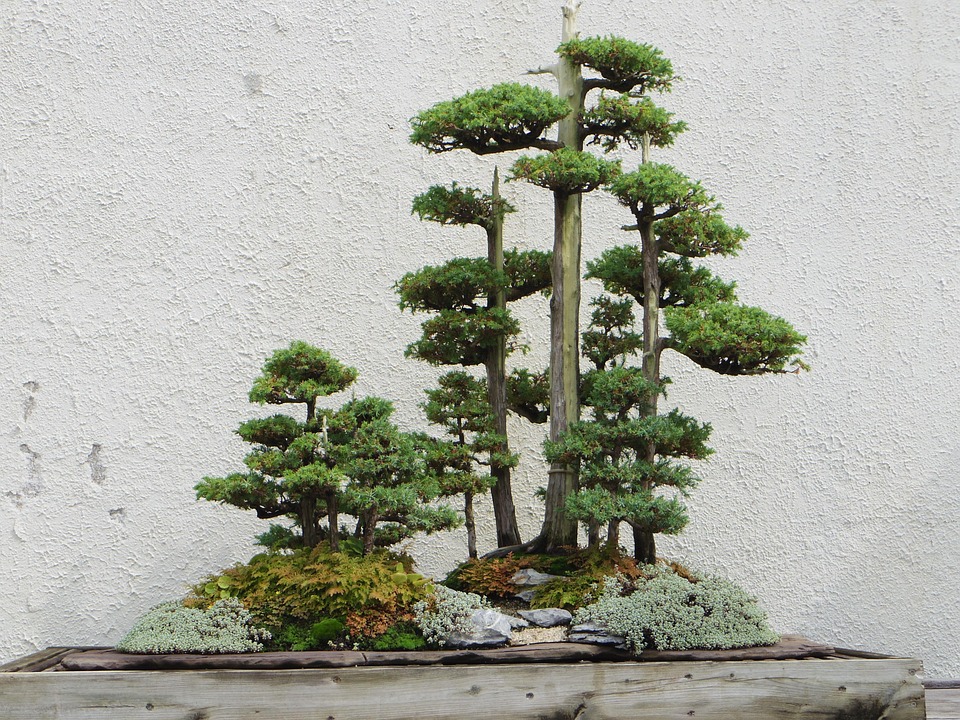
The Forest and Group Planting style transforms multiple trees into one cohesive landscape. Each trunk varies in size and shape, mimicking the way trees naturally grow together in groves and valleys.
In the Forest & Group Plantings section, you’ll explore how arrangement, spacing, and proportion tell a shared story of unity, a living reminder that bonsai can capture not just a single tree, but an entire ecosystem.

🪵 Raft Style (Ikadabuki)
The Ikadabuki, or Raft Style, tells the story of resilience. In nature, it mirrors a fallen tree that continues to grow, its trunk lying along the ground as new shoots rise upward like a miniature forest.
On the Raft Style (Ikadabuki) page, you’ll see how this creative composition transforms a moment of collapse into a vision of renewal, a tribute to nature’s will to endure.
🪨 Rock Planting
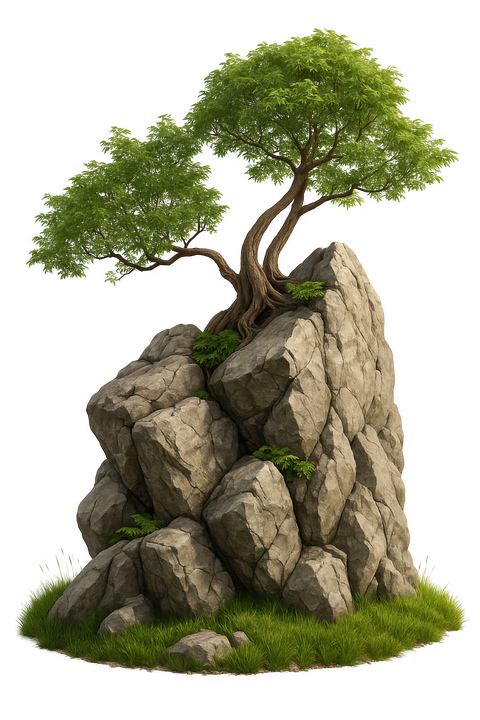
Ishizuki (grow in rock) and Seki-joju (grow on rock) are where bonsai meets landscape art. Trees grow from cracks and crevices in stone, their roots gripping rock as they would on cliffs or mountains.
In the Rock Planting section, you’ll discover how this style symbolises resilience and harmony between strength and fragility, nature’s eternal balance between stone and life.
Shaping stories through style 🌱
Each bonsai style captures a different mood, memory, or moment in nature’s story. From the proud strength of the Chokkan to the quiet grace of the Bunjingi, these styles remind us that bonsai is more than form; it’s expression.
Exploring bonsai styles opens your eyes to the artistry behind every curve and branch. Each design reflects nature’s diversity and the grower’s imagination working together. Take your time moving through the styles ahead and discover how shape, balance, and emotion come together to tell a living story.