If you’ve ever dreamed of growing a miniature tree that reflects nature’s beauty right in your own garden, it’s time to start a backyard bonsai. Whether you have a spacious yard or a simple patio, bonsai is a peaceful, rewarding hobby that anyone can enjoy, no matter your experience level.
In this beginner-friendly guide, we’ll walk you through everything you need to know to start a backyard bonsai from scratch. From choosing the right tree to setting up your space, you’ll learn the first steps to creating a living work of art in your own outdoor sanctuary.
Table of Contents
🌿 What You’ll Need to Start a Backyard Bonsai
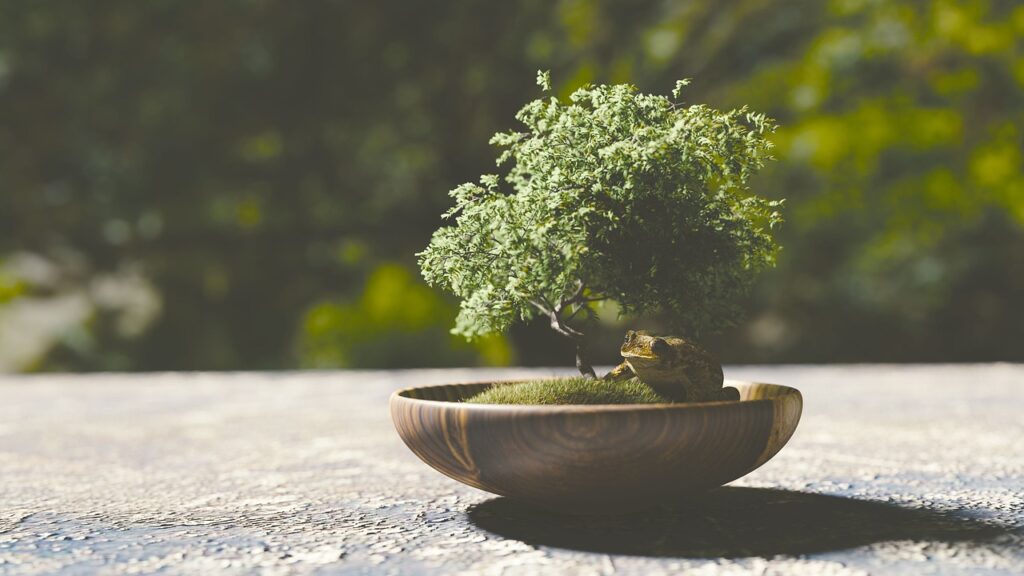
Before you begin, it helps to gather the essential tools and materials. You don’t need a massive setup, just a few basics will do. A shallow bonsai pot with good drainage, a quality soil mix (preferably one that retains moisture but drains well), and a set of pruning shears are your core starting items. Add a watering can with a gentle spout and a pair of chopsticks or tweezers for fine root work, and you’re good to go.
More importantly, you’ll need the right environment and mindset. To start a backyard bonsai successfully, make sure you have access to a spot with good natural light, some shelter from strong winds, and a surface like a bench or table to elevate your trees. Combine that with a little patience and care, and you’ll be off to a great start.
🌱 How to Start a Backyard Bonsai (Step-by-Step)
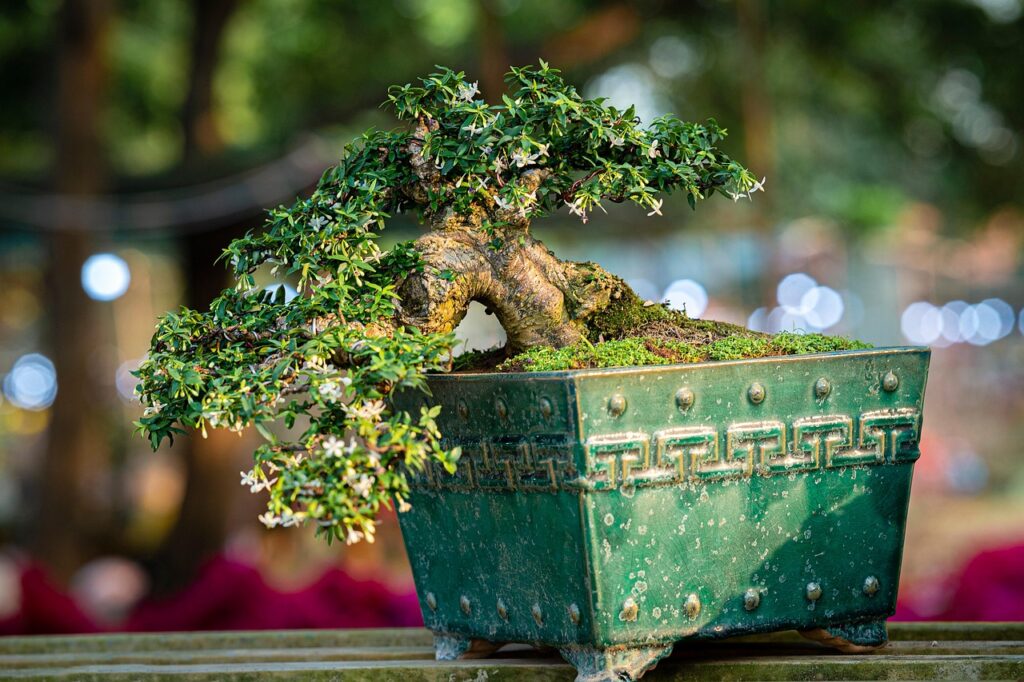
Getting started with bonsai doesn’t need to be intimidating. Follow these simple steps to begin your journey with confidence and creativity. Here’s how to start a backyard bonsai the right way:
🌳 Choose your starter tree
One of the most important decisions is selecting the right tree species. Beginners are encouraged to start with hardy, forgiving trees like Ficus, Chinese Elm, or Juniper. These species respond well to shaping and tolerate common beginner mistakes. Be sure to choose a tree that suits your local climate and the amount of sunlight your backyard receives.
🪴 Prepare the pot and soil
A proper bonsai container is shallow, with drainage holes to prevent waterlogging. Your soil mix should provide good aeration and moisture retention. Most backyard bonsai growers prefer a mix of akadama, pumice, and lava rock—but a quality bonsai soil from a nursery will work just as well when you’re starting out.
✂️ Prune for structure
The first pruning shapes your tree’s overall structure. Begin by removing any dead or unwanted branches to open up airflow and define the tree’s form. You don’t have to create a perfect bonsai shape on day one, This is about giving the tree room to grow in the right direction over time.
🧱 Style with wiring (optional)
Wiring is a traditional technique used to guide the shape of your bonsai. By gently wrapping wire around branches, you can train them to bend and grow in aesthetically pleasing ways. This step is optional for beginners, but learning the basics early on can help you create more dynamic forms in the future.
💧 Water your bonsai properly
New growers often struggle with watering correctly. After planting, water your tree thoroughly until water drains from the bottom of the pot. From there, check daily: water when the soil feels slightly dry, not bone dry or soaking wet. Backyard conditions like wind and sun can speed up drying, so stay observant.
🌞 Place it in your backyard environment
The final step is choosing the best location in your yard. Most bonsai trees need plenty of sunlight, at least 4–6 hours a day. Avoid placing your tree directly on the ground, where pests and pooling water may become issues. A raised bench or table works best, giving you space to admire and care for your tree easily.
🌤️ Creating the Ideal Backyard Bonsai Environment
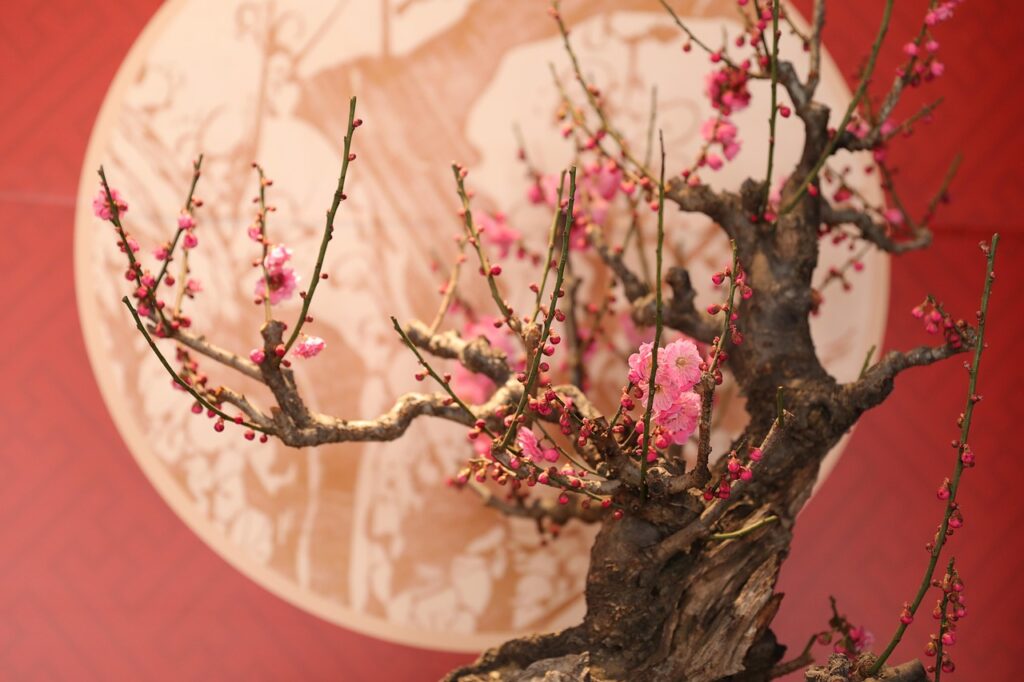
To successfully start a backyard bonsai, you’ll need to give your tree the right conditions to thrive. That means more than just putting it outside: it’s about creating a stable, supportive environment where the tree can flourish over time. Fortunately, your backyard can provide everything your bonsai needs with just a little planning.
Most bonsai trees need plenty of sunlight, ideally filtered through trees or a pergola for part of the day. Make sure your chosen spot offers good air circulation but isn’t exposed to harsh, drying winds. Rain is generally welcome, but excessive downpours can lead to root rot, so having shelter options like a shade net, overhang, or movable table is ideal. With the right environment in place, your bonsai will feel right at home outdoors.
🌳 Best Tree Species to Start a Backyard Bonsai With
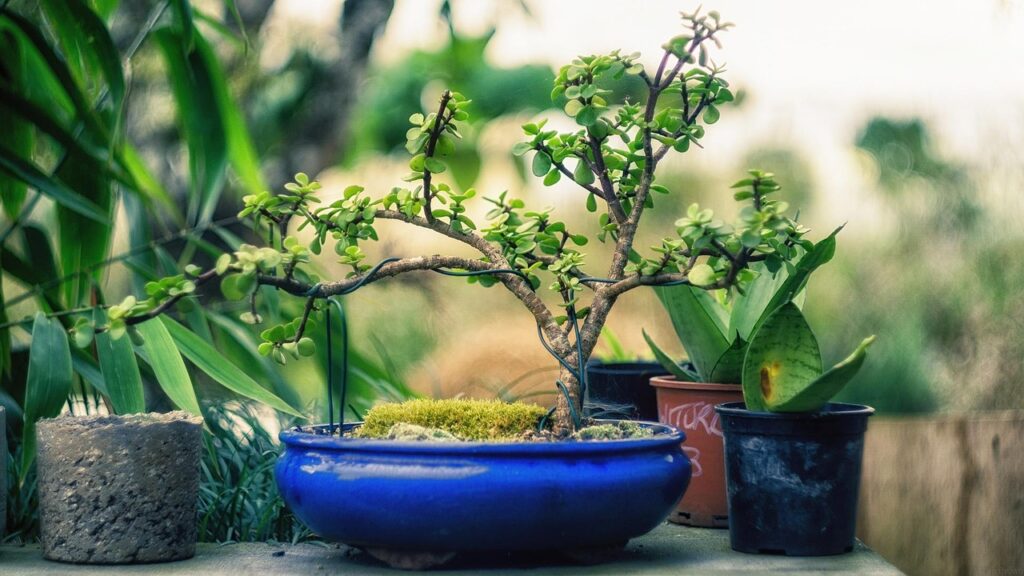
Choosing the right tree is a big step when you start a backyard bonsai. You want something resilient, forgiving, and well-suited to your climate, especially if you’re still learning the ropes. Fortunately, there are several species perfect for beginners that also thrive in outdoor environments.
Here are some of the best bonsai trees for South African backyards (and other warm climates):
- Ficus (Fig Tree) – Extremely beginner-friendly, thrives in warm conditions, and tolerates pruning well.
- Chinese Elm – Known for its adaptability and beautiful, tiny leaves. Great for shaping and learning basic techniques.
- Juniper – Classic outdoor bonsai with elegant needle-like foliage. Responds well to wiring and styling.
- Wild Olive (Olea europaea subsp. africana) – A South African favourite, ideal for dry regions and unique local flair.
- Jade Plant (Portulacaria afra) – Technically a succulent, but often styled as bonsai. Drought-tolerant and hardy.
These trees offer the best combination of low maintenance and high success rate, making them excellent choices for your first backyard bonsai.
🚫 Common Mistakes When Starting Your First Backyard Bonsai
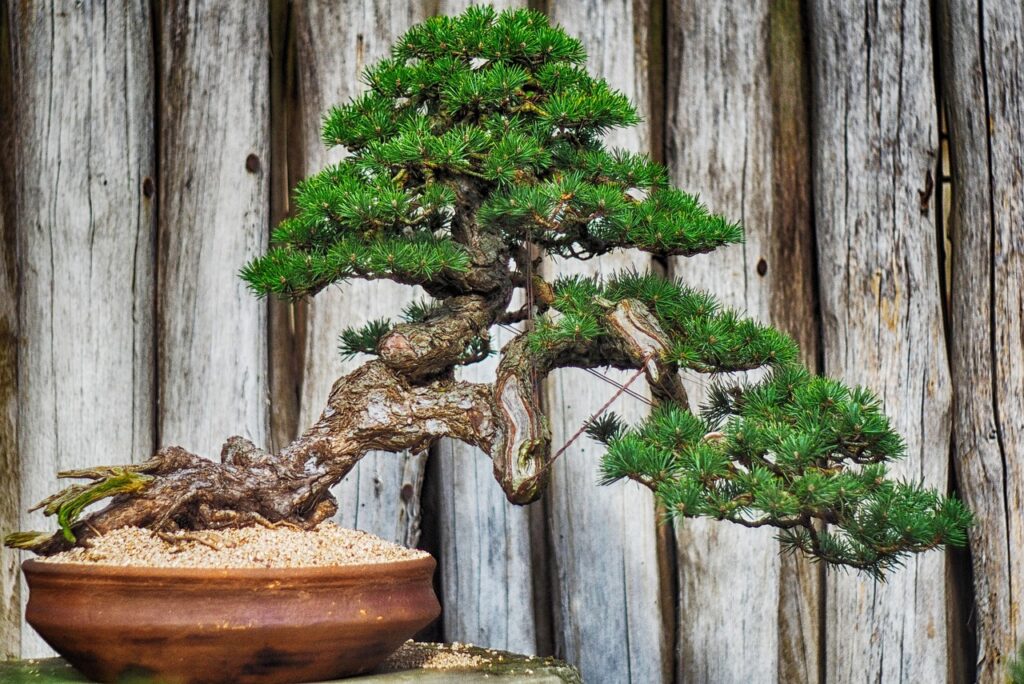
As you start a backyard bonsai, it’s easy to make a few missteps, especially when you’re eager to see results. The key is learning from those who’ve gone before you and staying patient through the process. Here are some of the most common mistakes beginners make, and how to avoid them.
One of the biggest issues is overwatering or underwatering. Bonsai trees need balance: too much water drowns the roots, too little dries them out. Another mistake is choosing the wrong species for your climate, which can lead to stunted growth or death.
Many new growers also over-prune or wire too aggressively, which stresses young trees. Finally, placing your bonsai in poor lighting or an unstable outdoor environment can slow growth or invite pests. Take your time, observe your tree, and learn as you grow.
🛤️ From Backyard to Bonsai Journey: What Comes Next
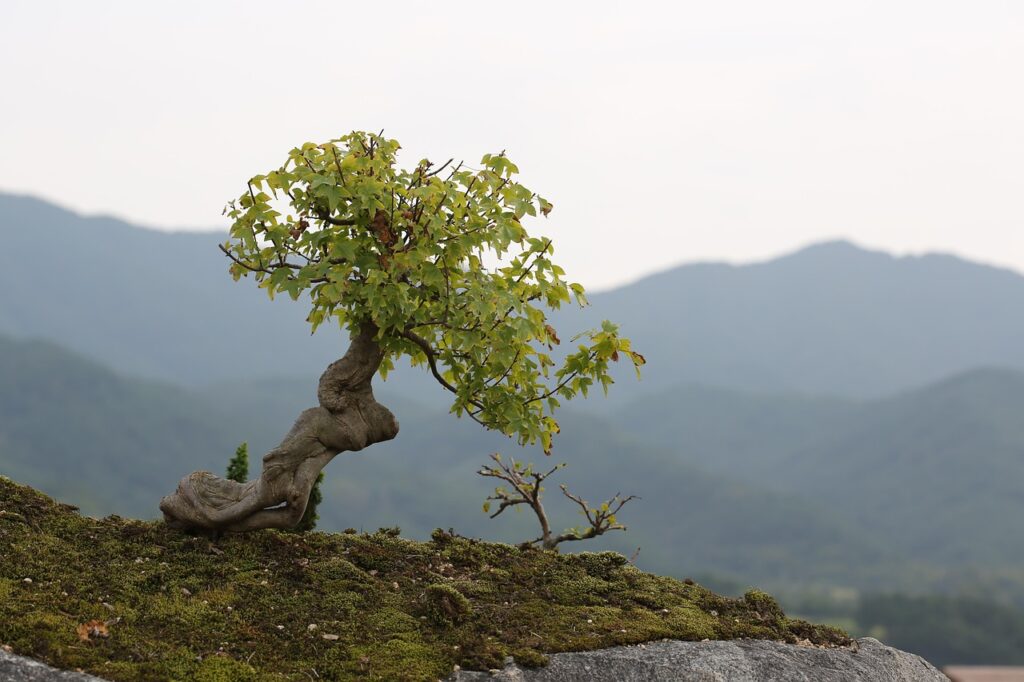
Once you start a backyard bonsai, you’re entering a journey that evolves slowly, but meaningfully, over months and years. Your tree will change with the seasons, and so will your confidence as a grower. The important thing is to stay curious, stay consistent, and enjoy the process.
In the first year, expect subtle but steady progress. You’ll begin to notice how your tree responds to pruning, repotting, and environmental changes. Over time, you’ll learn when to style, when to rest, and how to read your bonsai’s unique needs.
As your skills grow, you might even consider joining a local bonsai club or participating in a backyard showcase. Every tree becomes a personal story, and yours is just beginning.
🌟 Your First Step into the Bonsai World
There’s something truly special about growing a tree with your own hands, watching it evolve with care and time. When you start a backyard bonsai, you’re not just learning a new hobby—you’re creating a living connection to nature, right outside your door.
Now that you know the tools, steps, and species to begin with, you’re ready to take that first cut, place that first pot, and begin shaping something beautiful. Explore our Start Here page to discover our other guides for your first steps.