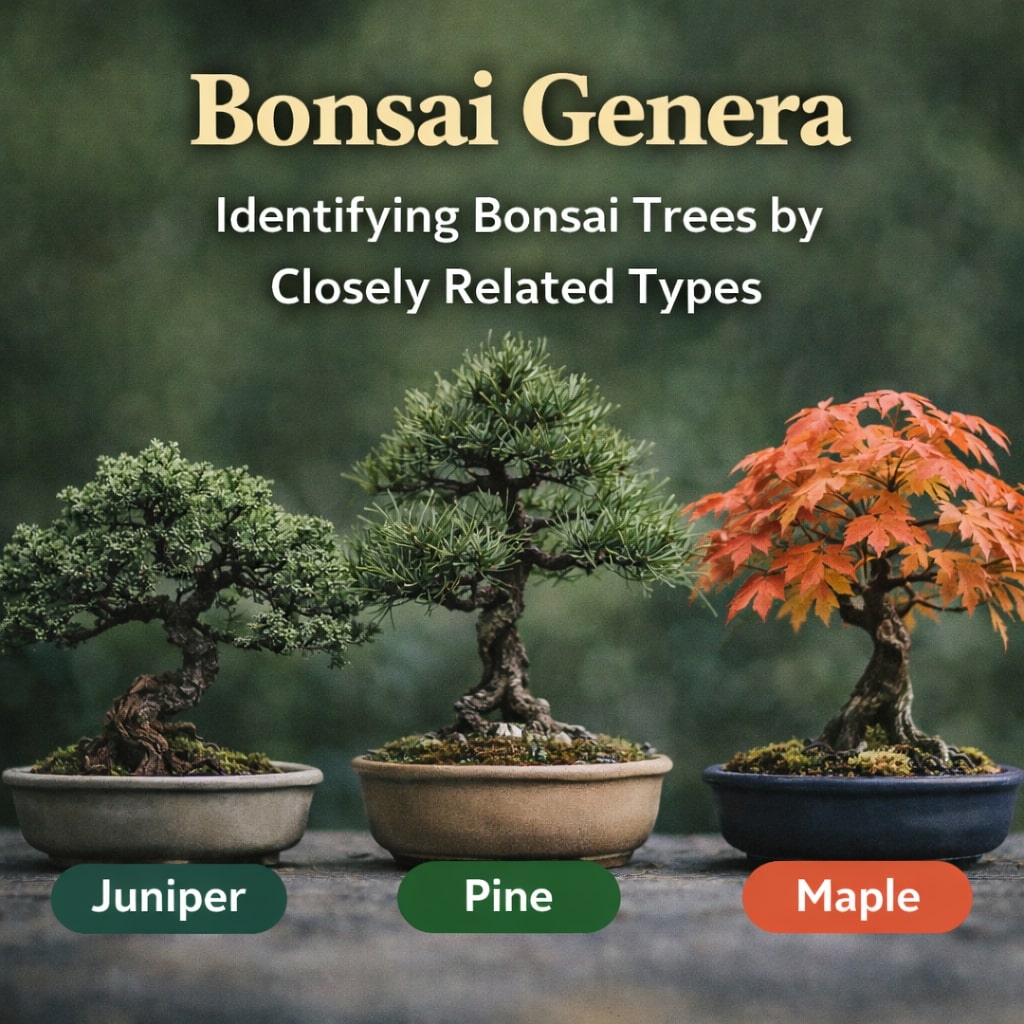
Bonsai genera represent a key level of classification that sits below bonsai families and above individual species. At this level, trees are grouped by very close botanical relationships, often sharing clear similarities in structure, growth habit, foliage, and response to bonsai techniques.
For many growers, the genus is the most immediately recognisable classification level. Names such as juniper, pine, maple, or bougainvillea are commonly used in everyday bonsai discussion and provide practical insight into how a tree behaves and how it should be trained.
Understanding bonsai genera helps bridge the gap between broad botanical theory and hands-on bonsai practice.
What are bonsai genera?
In botanical taxonomy, a genus groups together species that are closely related and visibly similar. In bonsai, genera describe the type of tree rather than a broad plant category.
Examples of bonsai genera include Juniper, Pine, Maple, Elm, Peach, Fig, and Bougainvillea. Each of these genera contains multiple species, but they share defining characteristics such as branching patterns, leaf or needle structure, and seasonal growth behaviour.
Because species within a genus behave similarly, knowing the genus of a bonsai tree often provides immediate guidance on care, styling, and long-term development.
Why bonsai genera matter in cultivation
At the genus level, bonsai care becomes highly predictable and transferable. Techniques learned on one species can often be applied to others within the same genus with only minor adjustments.
Understanding bonsai genera helps growers:
- Apply pruning and wiring techniques with confidence
- Anticipate growth speed and vigour
- Understand typical seasonal responses
- Reduce trial-and-error when working with new trees
For example, experience gained from one juniper species usually translates well to other junipers, making the genus level one of the most practical tools in bonsai education.
Common examples of bonsai genera
Bonsai genera are usually named in ways growers already recognise and use, making them an intuitive part of bonsai classification.
Well-known bonsai genera include:
- Juniper, widely used for evergreen styles and deadwood features
- Pine, valued for needle structure and long-term refinement
- Maple, known for distinctive leaves and seasonal colour
- Peach, appreciated for flowering and fruiting bonsai
- Bougainvillea, popular in warmer climates for vibrant bracts
Within each genus, individual species may differ slightly in climate tolerance or leaf size, but their overall behaviour and training requirements remain closely aligned.
How bonsai genera connect families and species
Bonsai tree genera act as the most practical bridge between families and species. While families explain botanical relationships, genera explain how a tree behaves in real bonsai practice.
This level of classification helps growers understand why care advice often applies across multiple species within a genus and why trees within the same genus feel familiar to work with. Genera provide the context needed to approach species-level care with confidence rather than guesswork.
Exploring bonsai genera further
Bonsai tree genera offer one of the most useful perspectives in bonsai taxonomy, combining clarity with hands-on relevance. By understanding genera, growers gain consistency, confidence, and intuition in their bonsai techniques.
To explore bonsai genera in more detail, use the category blocks below to navigate into specific genera. From there, you can continue into individual species pages and detailed care guides tailored to each tree type.

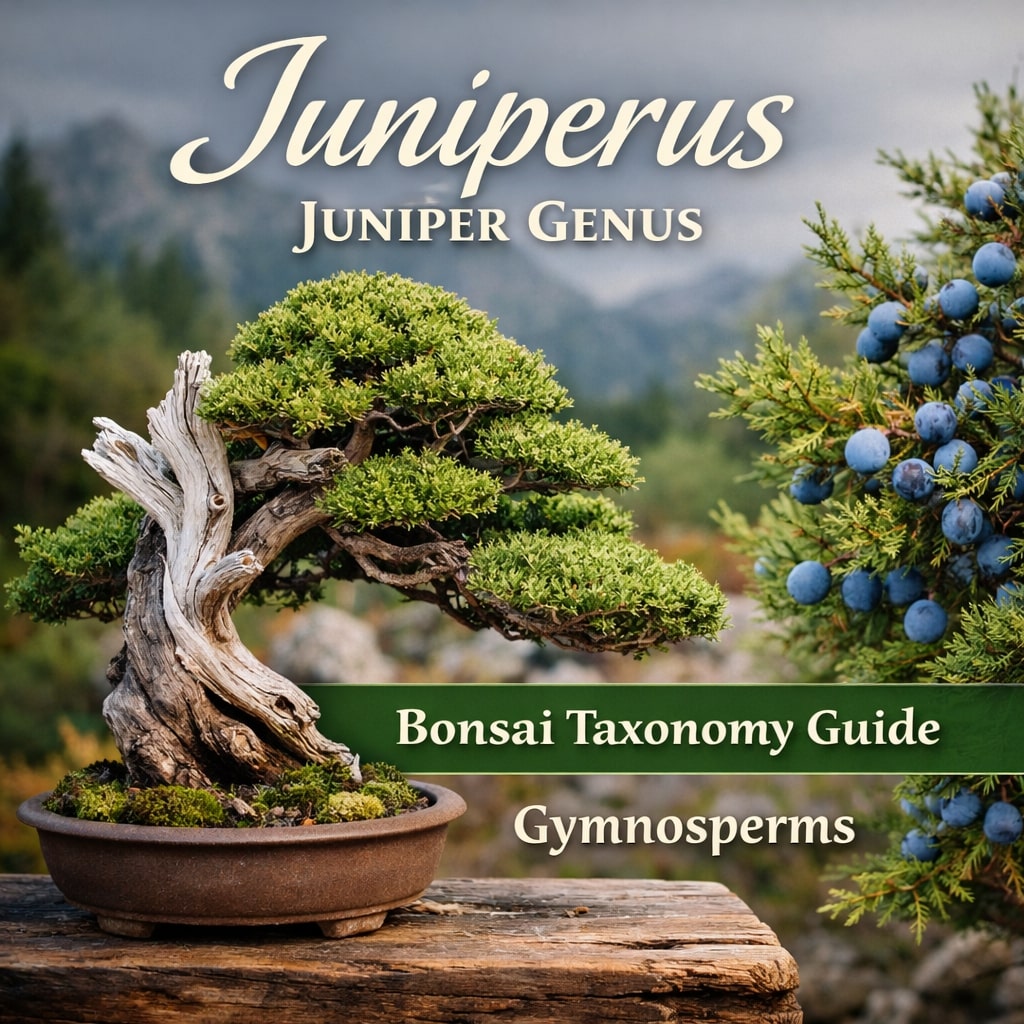
GYMNOSPERMS
Juniper
Genus
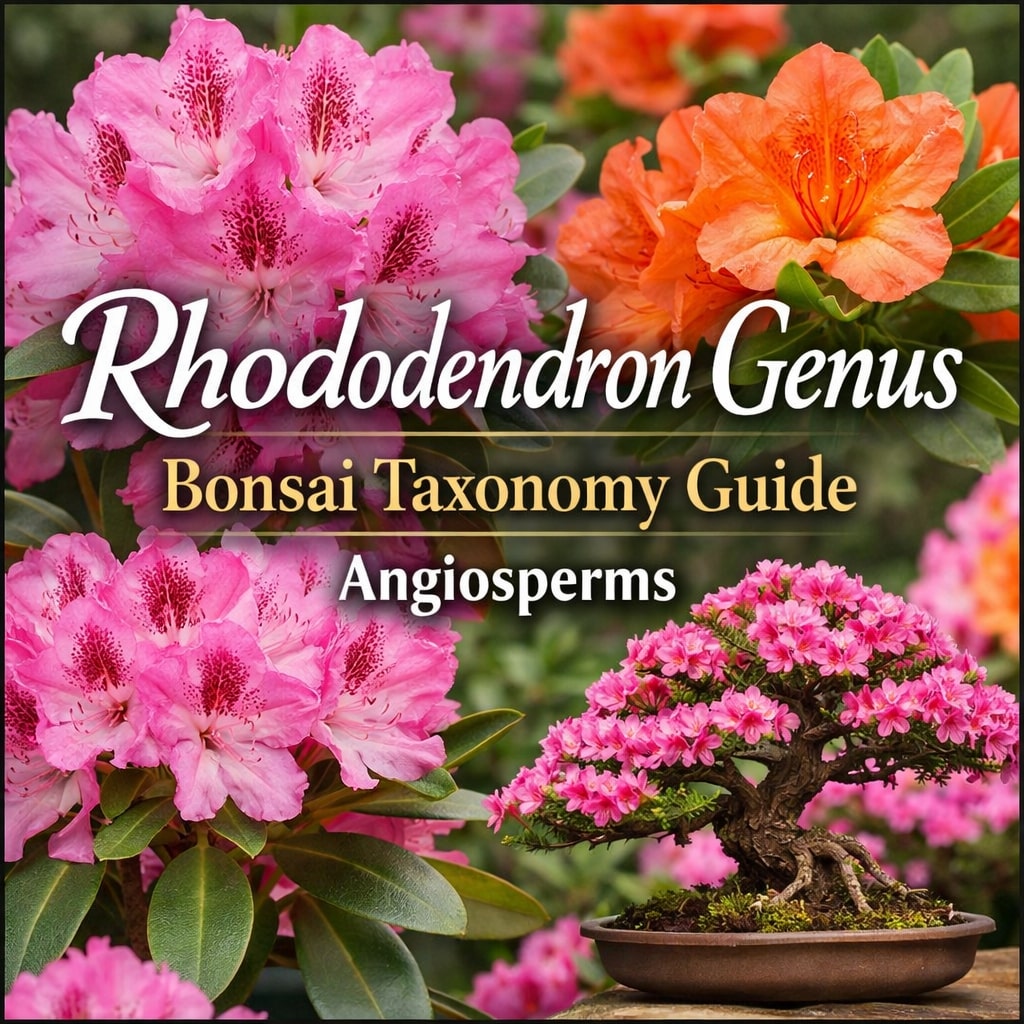
ANGIOSPERMS
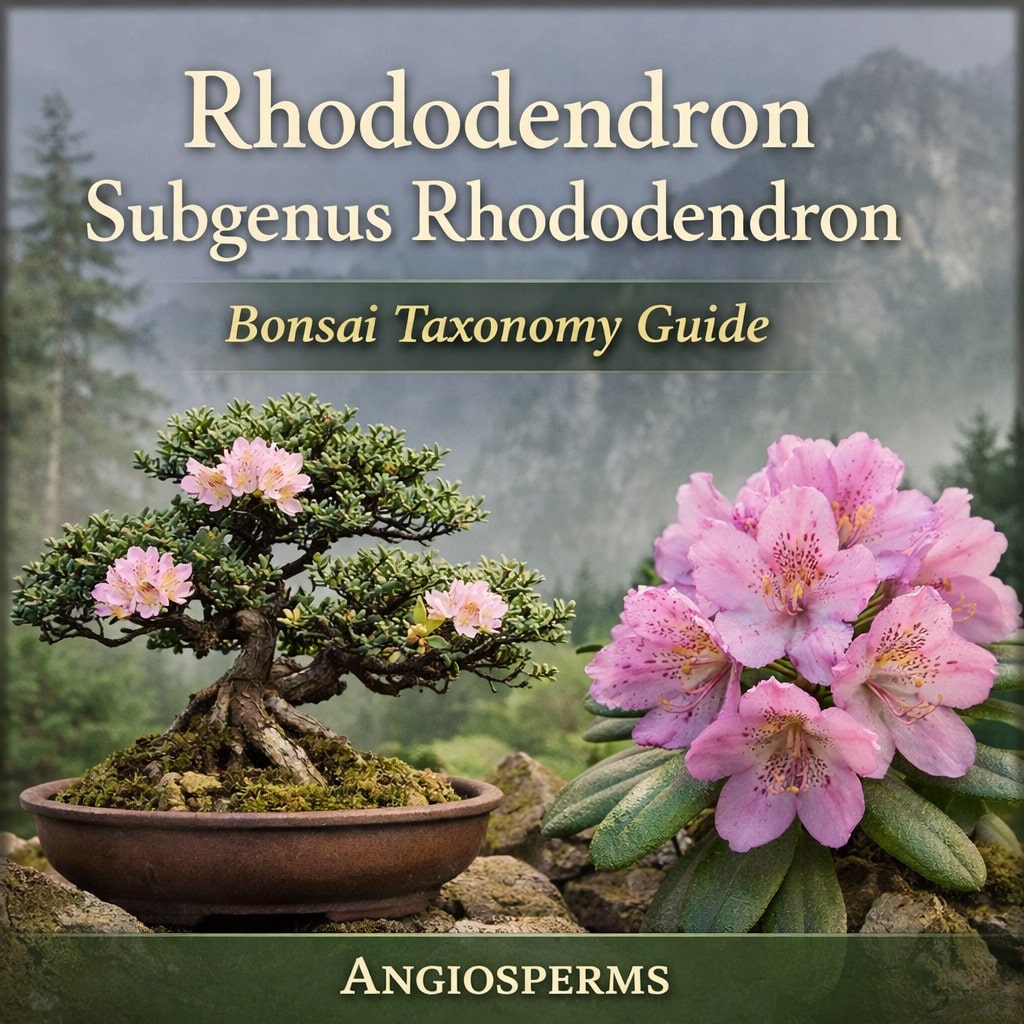
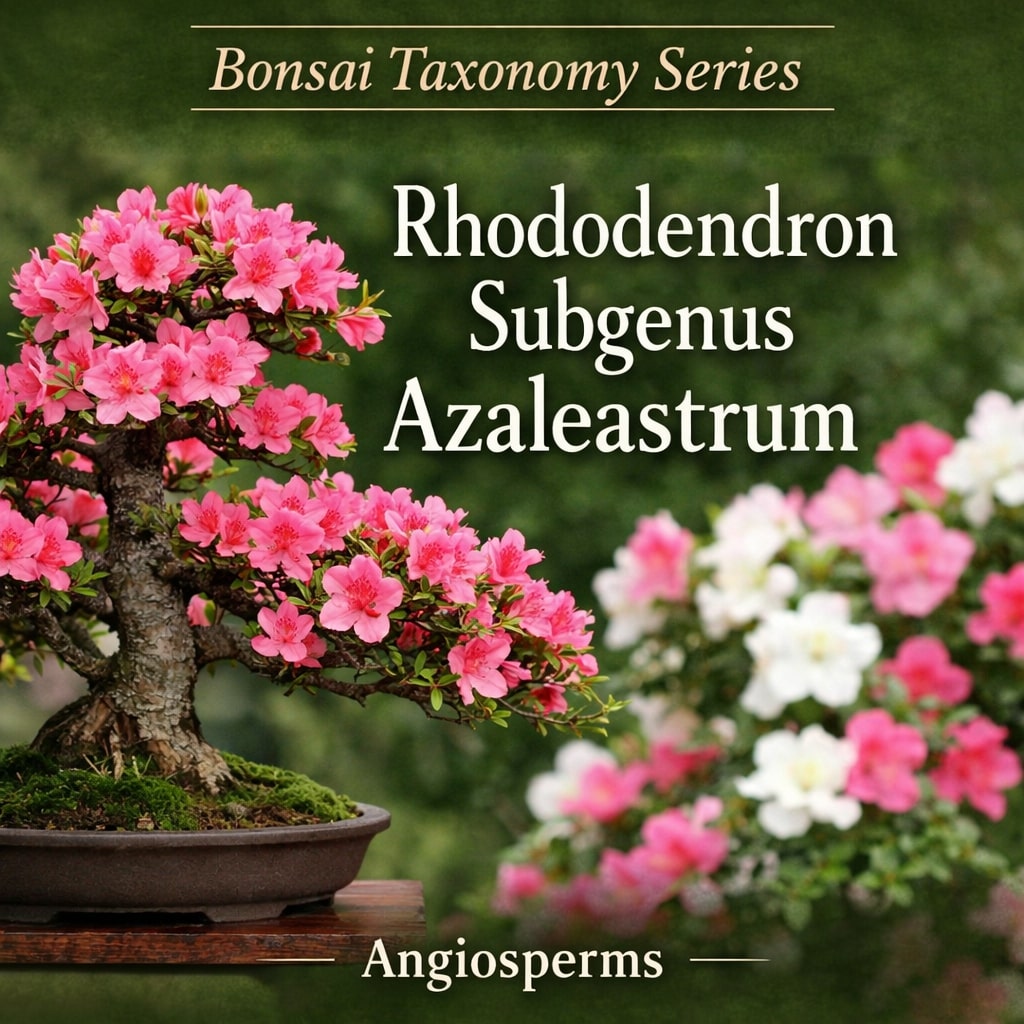
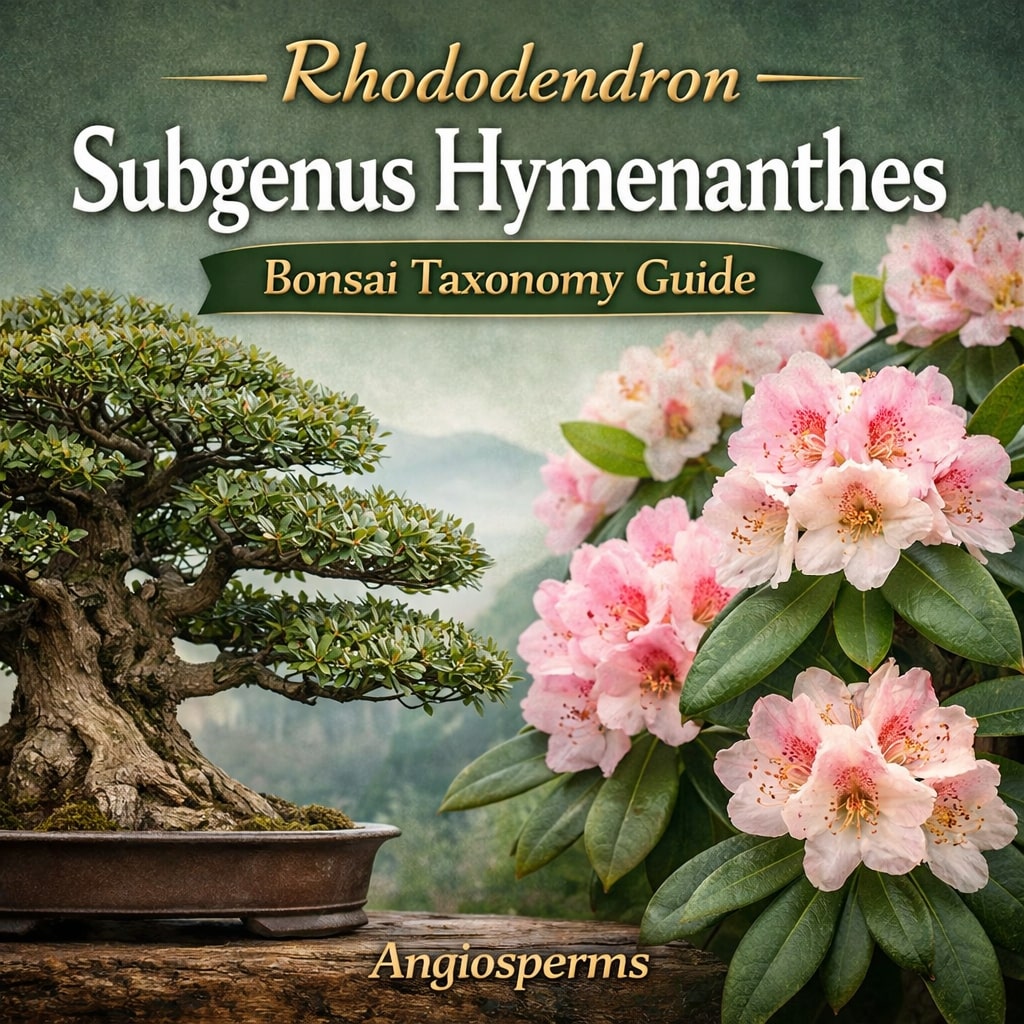
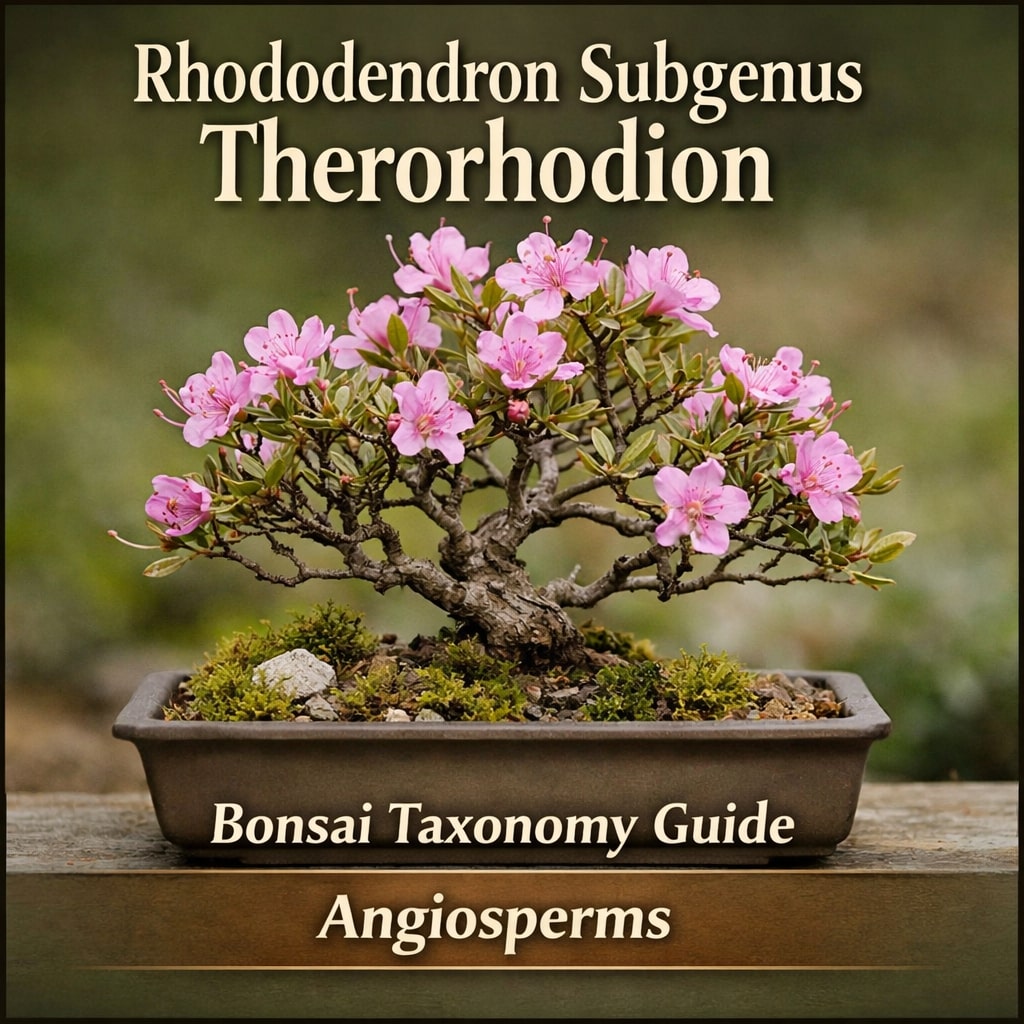
Rhododendron /Azalea
Genus
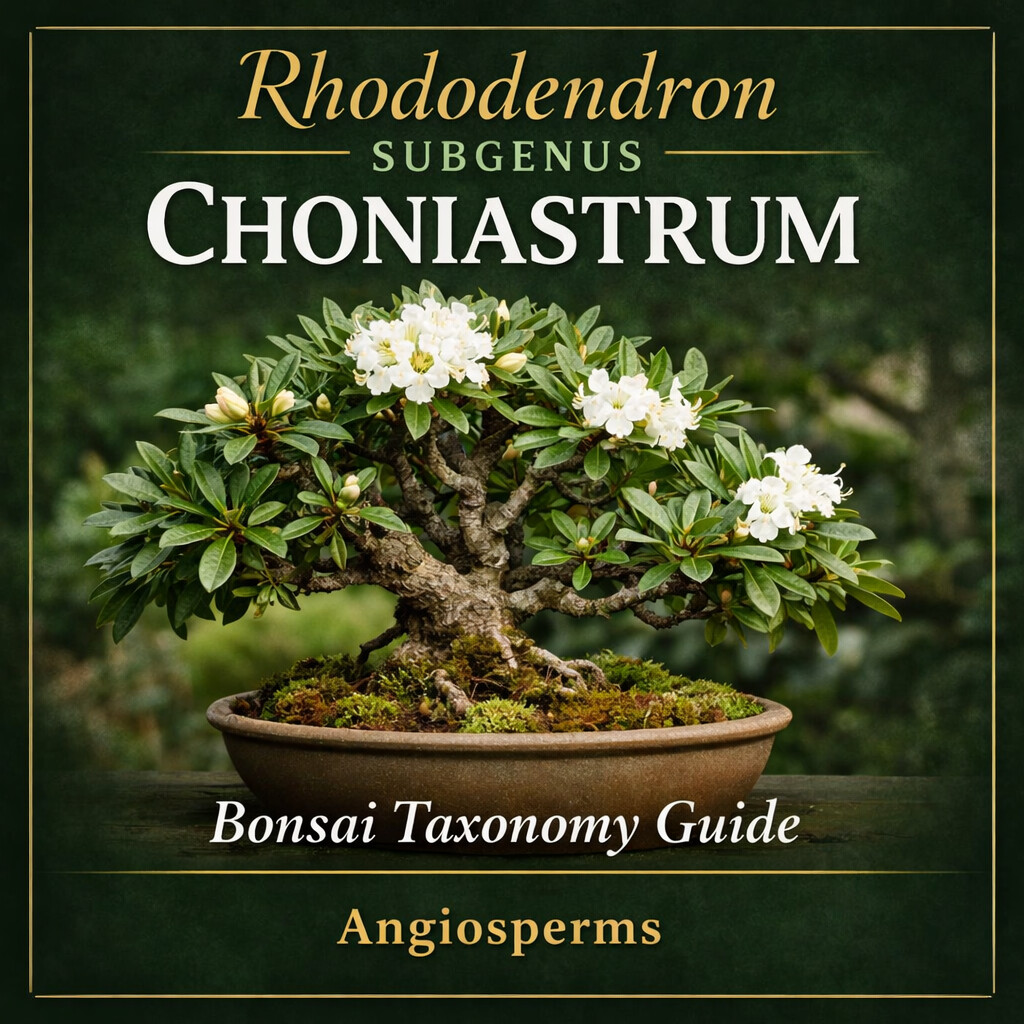
Subgenus