
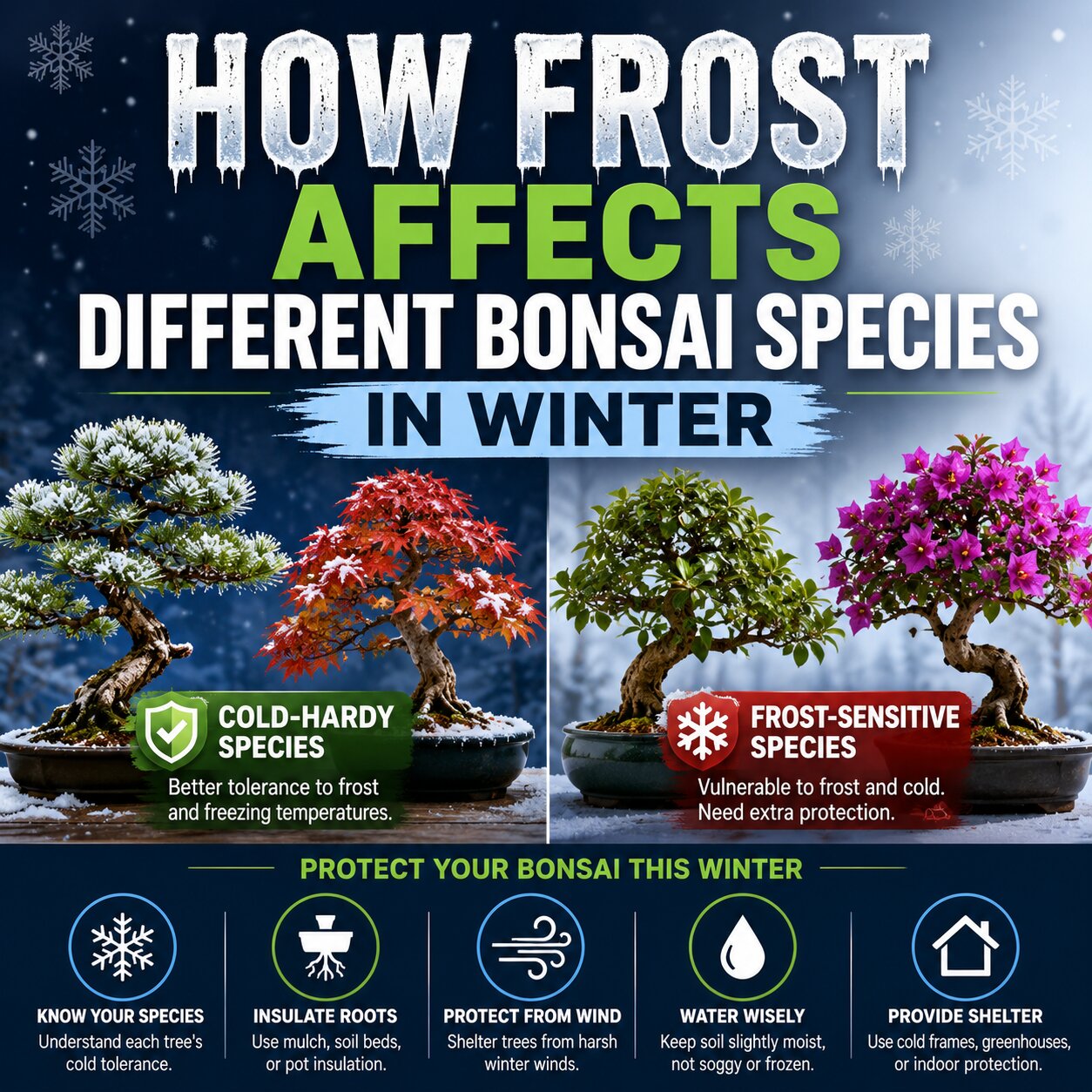
Winter can be one of the most challenging seasons for bonsai enthusiasts, especially when frost becomes part of the environment. While some bonsai species thrive in cold weather and require winter dormancy, others can suffer severe damage when exposed to freezing temperatures for extended periods.
Understanding how frost affects different bonsai species is essential for protecting your trees during winter. Frost does not impact all bonsai equally. Some species have evolved to survive snow and icy conditions naturally, while tropical and subtropical trees may struggle even during mild cold spells.
By learning which bonsai trees tolerate frost well and which require extra protection, growers can reduce winter stress, prevent damage, and improve long-term tree health.
Why frost can become dangerous for bonsai trees
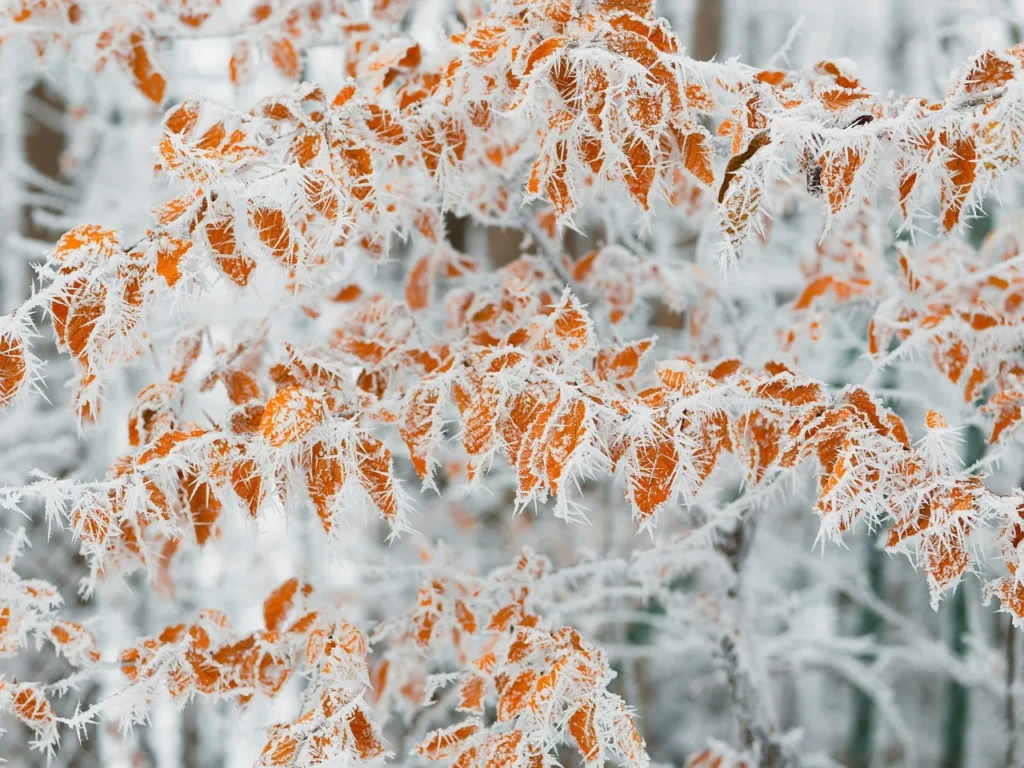
Frost forms when temperatures drop low enough for moisture to freeze on surfaces, including leaves, branches, roots, and bonsai pots. In nature, large trees benefit from deep root systems insulated by the ground, but bonsai trees are far more vulnerable because their roots are confined to shallow containers.
When soil freezes completely, roots can become damaged due to ice crystal formation and restricted water absorption. Strong frost can also dry out branches and foliage through cold winter winds, especially during prolonged freezing conditions.
Repeated freeze-and-thaw cycles create additional stress for bonsai trees. Expanding ice can damage delicate roots, weaken root structure, and sometimes crack bonsai pots if drainage is poor or water becomes trapped.
Frost damage does not always appear immediately either. Some trees may only show symptoms later in spring when buds fail to open, branches die back, or root systems begin struggling after winter dormancy ends.
Cold-hardy bonsai species that tolerate frost well
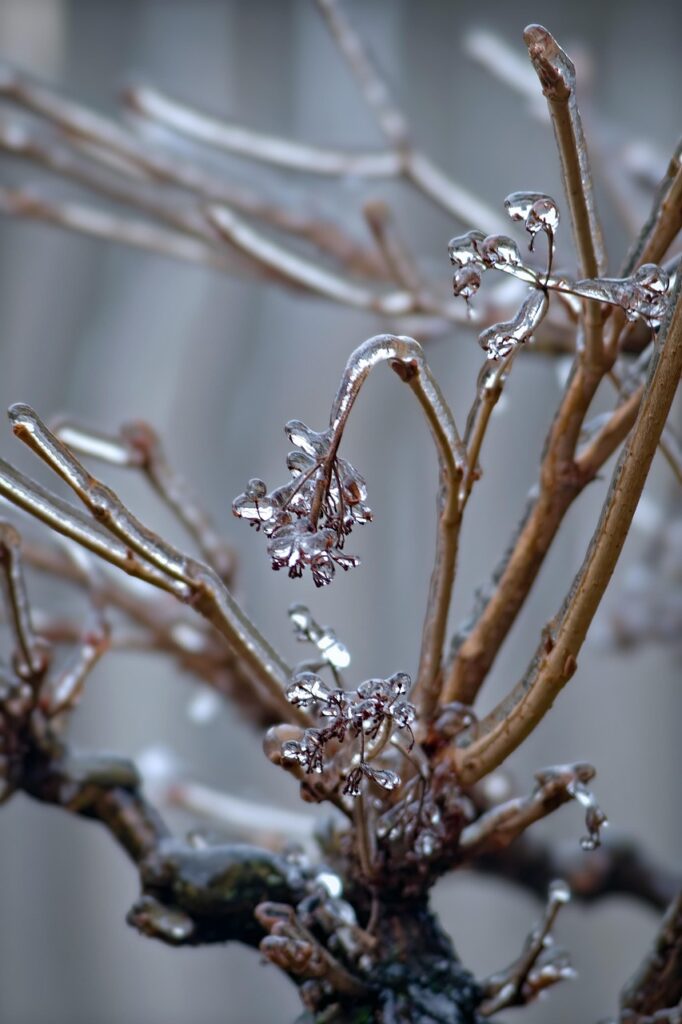
Many traditional outdoor bonsai species are naturally adapted to cold winters and can tolerate moderate frost when healthy and properly prepared for dormancy.
Junipers are among the most frost-tolerant bonsai trees. Species such as Japanese Juniper and Chinese Juniper often handle cold winter temperatures well, especially when protected from harsh drying winds. Pine bonsai are also generally resilient during winter and benefit from experiencing seasonal dormancy.
Maples, including Japanese Maple bonsai, can tolerate frost reasonably well once dormant, although young trees and delicate cultivars may still require protection during severe freezes. Elm species, especially Chinese Elm, often show good winter resilience depending on local climate conditions.
Some species known for stronger frost tolerance include:
- Juniper bonsai
- Pine bonsai
- Spruce bonsai
- Larch bonsai
- Chinese Elm bonsai
- Japanese Maple bonsai
- Cotoneaster bonsai
- Hornbeam bonsai
Even hardy species still benefit from protection during extreme frost events. Cold frames, sheltered areas, mulch, and raised benches can help reduce exposure to freezing winds and rapid temperature fluctuations.
Bonsai species vulnerable to frost damage
Tropical and subtropical bonsai species are far more sensitive to freezing temperatures because they evolved in warmer climates without harsh winters. Frost exposure can quickly damage leaves, branches, and root systems in these trees.
Ficus bonsai are especially vulnerable to cold temperatures. Even light frost can damage foliage and weaken overall health. Jade bonsai, Fukien Tea, and many tropical flowering species should generally be kept indoors or in protected environments during winter.
Bougainvillea bonsai also struggle with frost exposure and may lose leaves rapidly if temperatures drop too low. Carmona species often react poorly to cold drafts and freezing conditions as well.
Some frost-sensitive bonsai species include:
- Ficus bonsai
- Jade bonsai
- Fukien Tea bonsai
- Bougainvillea bonsai
- Hawaiian Umbrella bonsai
- Carmona bonsai
- Brazilian Rain Tree bonsai
- Tropical flowering bonsai species
These trees should ideally remain in frost-free areas during winter. Indoor growing spaces, greenhouses, or enclosed patios often provide safer environments for sensitive species.
How to protect bonsai trees from frost

Winter bonsai protection depends heavily on the species, local climate, and frost severity. Hardy outdoor bonsai may only need basic shelter, while sensitive species require full protection from freezing temperatures.
One of the most effective methods involves insulating the roots. Since bonsai containers are shallow, roots freeze faster than those of trees planted in the ground. Placing pots into mulch, bark, straw, or soil beds can help stabilise temperatures around the root system.
Reducing exposure to strong winter winds is equally important. Winds can dry out foliage and branches even when temperatures are not extremely low. Positioning bonsai against walls, inside cold frames, or beneath sheltered structures helps reduce stress.
Watering also remains important during winter. Bonsai trees should never dry out completely, although overwatering frozen soil can become dangerous. Monitoring moisture carefully helps prevent both dehydration and root rot.
Helping Bonsai Trees Survive Winter Frost
Frost affects every bonsai species differently, making winter care one of the most important parts of successful bonsai cultivation. While cold-hardy trees often rely on winter dormancy for healthy seasonal growth, tropical species may suffer severe damage if exposed to freezing temperatures.
Understanding the specific needs of each bonsai species allows growers to provide the right level of protection during winter. With proper shelter, careful watering, root insulation, and species-specific care, bonsai trees can survive frost conditions and emerge healthier when spring arrives.