
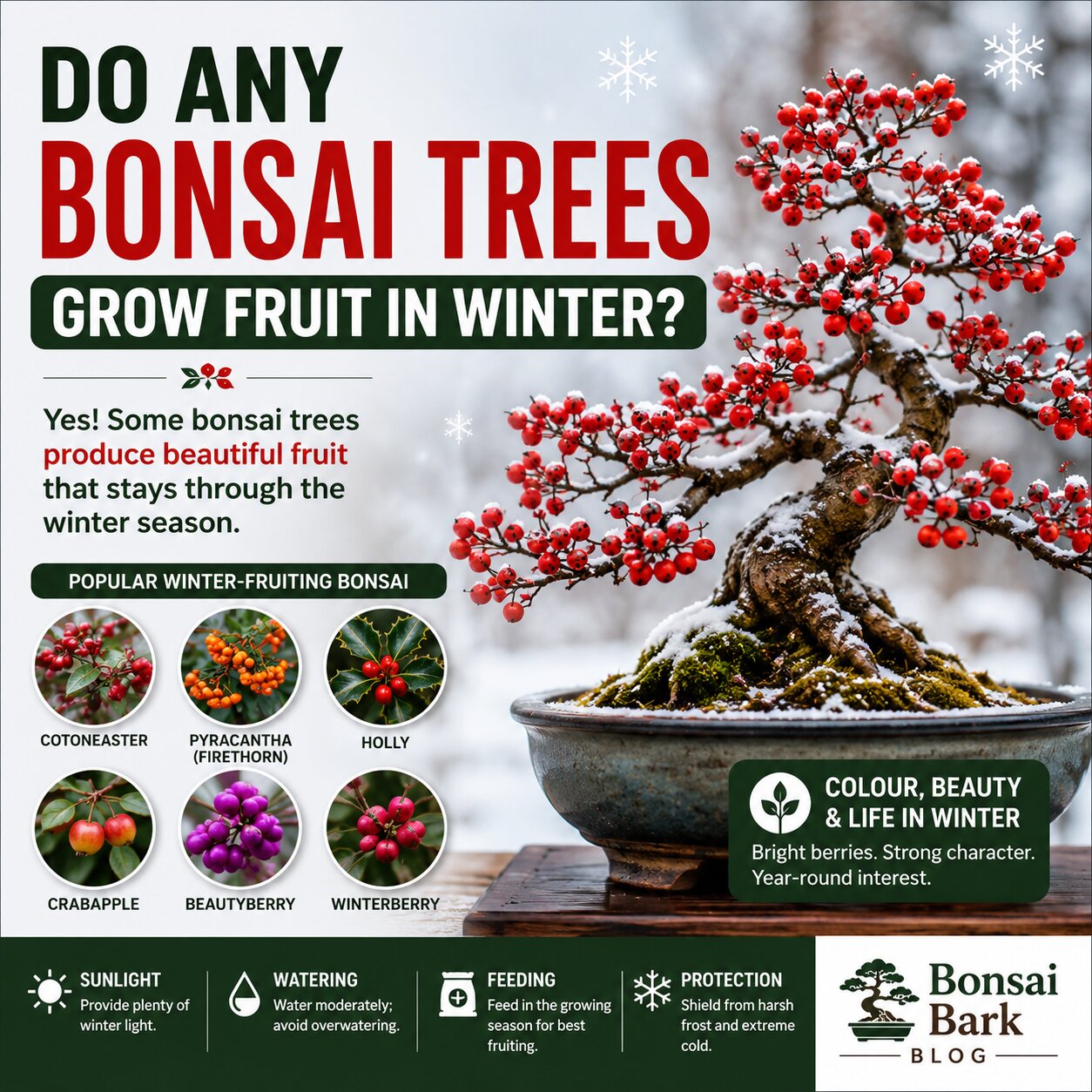
Many bonsai enthusiasts associate winter with dormancy, bare branches, and slower growth. While this is true for many species, some bonsai trees can still display colourful berries or fruit during the colder months. For growers looking to add seasonal interest to their collections, choosing bonsai species that grow fruit in winter can create beautiful and eye-catching displays when many other trees appear dormant.
Winter-fruiting bonsai are especially popular because they bring colour, texture, and visual contrast to winter bonsai benches. Bright berries against bare branches or evergreen foliage can create stunning seasonal aesthetics while also attracting birds and wildlife to outdoor bonsai gardens.
Understanding which bonsai species grow fruit in winter and how to care for them properly can help growers enjoy vibrant displays throughout the colder months.
Why some bonsai trees produce fruit in winter
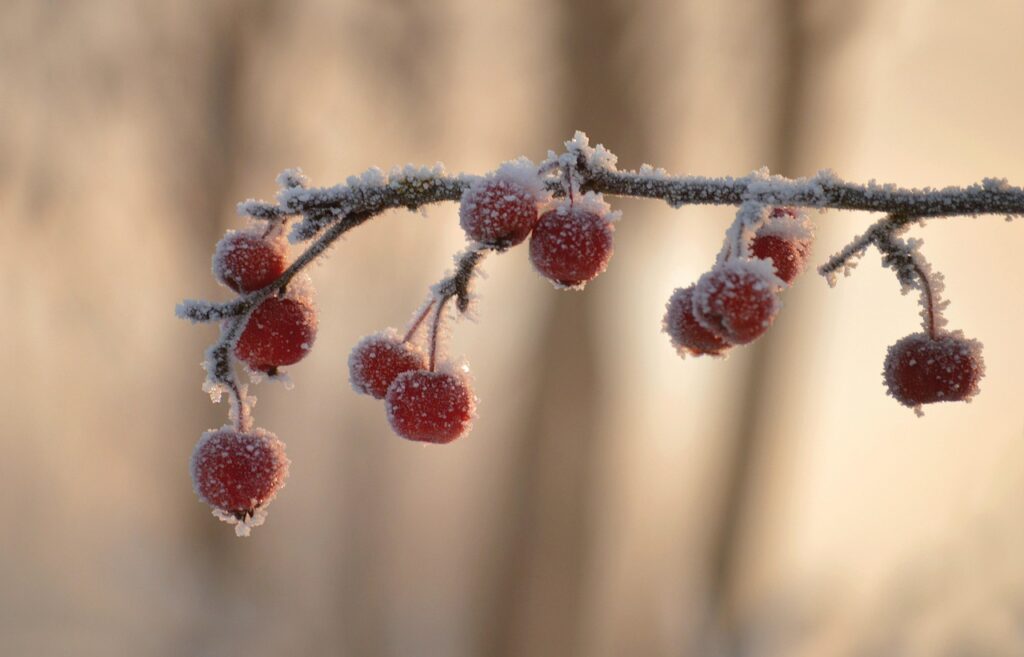
Not all bonsai trees lose their fruit before winter arrives. Certain species naturally develop berries or small fruit that remain on the tree throughout autumn and winter. These fruits often serve ecological purposes in nature, helping attract birds and support seed dispersal during colder seasons.
In bonsai cultivation, these winter fruits create additional ornamental value. Some species produce bright red, orange, yellow, or purple berries that stand out dramatically against winter landscapes. Others maintain small decorative fruit even after leaves have dropped.
The ability to grow fruit in winter often depends on the species, climate conditions, pollination success, and overall tree health. Proper sunlight, watering, and fertilisation during the growing season are usually necessary to support fruit development later in the year.
Some winter-fruiting bonsai also require outdoor exposure to seasonal changes to trigger proper flowering and fruiting cycles. Indoor environments may interfere with these natural seasonal processes.
Bonsai species that grow fruit in winter
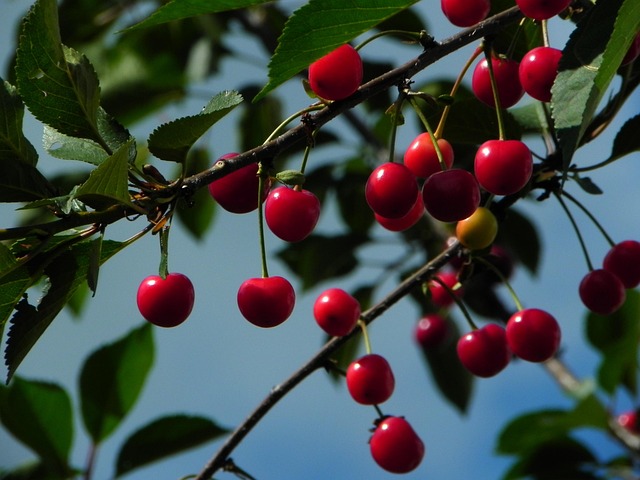
Several bonsai species are known for carrying berries or fruit into the winter season. These trees are highly valued for their seasonal beauty and decorative appeal.
Cotoneaster bonsai are among the most popular winter-fruiting bonsai trees. They produce clusters of bright red or orange berries that can remain on the branches well into winter. Their small leaves and fine branching structure also make them ideal for bonsai styling.
Pyracantha, commonly known as Firethorn, is another excellent choice. This species develops dense clusters of colourful berries that often remain visible throughout winter. The sharp thorns and vibrant fruit create a dramatic visual impact.
Holly bonsai are famous for their glossy evergreen leaves and bright red winter berries. Female holly trees require pollination from male plants to produce fruit, but the results can be spectacular during the winter months.
Crabapple bonsai may also retain small fruit during winter, depending on the variety and climate conditions. Some ornamental crabapple species hold colourful miniature apples long after leaves have fallen.
Popular bonsai trees that grow fruit in winter
There are several bonsai species commonly chosen specifically for their winter fruit displays.
- Cotoneaster bonsai
- Pyracantha bonsai
- Holly bonsai
- Crabapple bonsai
- Winterberry bonsai
- Beautyberry bonsai
- Chinese Pepper bonsai
- Barberry bonsai
- Coralberry bonsai
These species can provide colour and seasonal interest during colder months when many bonsai collections appear more subdued.
Caring for winter-fruiting bonsai trees
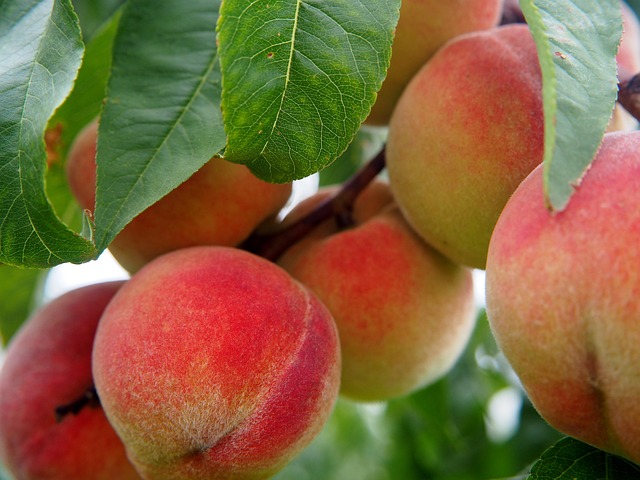
Trees that grow fruit in winter still require proper seasonal care to remain healthy. Fruit production can place extra energy demands on bonsai trees, making balanced care especially important.
Watering should continue during winter, although most dormant bonsai require less moisture than during active growth seasons. Soil should not remain constantly wet, especially in colder weather where root rot risks increase.
Winter-fruiting bonsai should also receive adequate sunlight whenever possible. Even dormant trees benefit from natural light exposure, particularly evergreen species carrying berries throughout winter.
Pruning must be timed carefully. Excessive pruning during flowering or fruiting periods may reduce berry production. Many growers wait until after fruit display seasons before conducting major structural pruning.
Protection from severe frost is also important for some species. While many winter-fruiting bonsai tolerate cold conditions, extreme freezing temperatures can damage branches, roots, or fruit displays.
Bringing Colour to the Winter Bonsai Garden
Winter does not have to mean a dull or lifeless bonsai collection. Many beautiful bonsai species continue to provide visual interest by producing colourful berries and decorative fruit during the colder months.
Choosing bonsai trees that grow fruit in winter can transform winter bonsai displays into vibrant seasonal showcases filled with colour and texture. From the fiery berries of Pyracantha to the elegant fruit of Cotoneaster and Crabapple bonsai, these species offer stunning beauty when many other plants are dormant.
With proper care, sunlight, and seasonal maintenance, winter-fruiting bonsai can become some of the most striking and rewarding trees in any bonsai collection.