
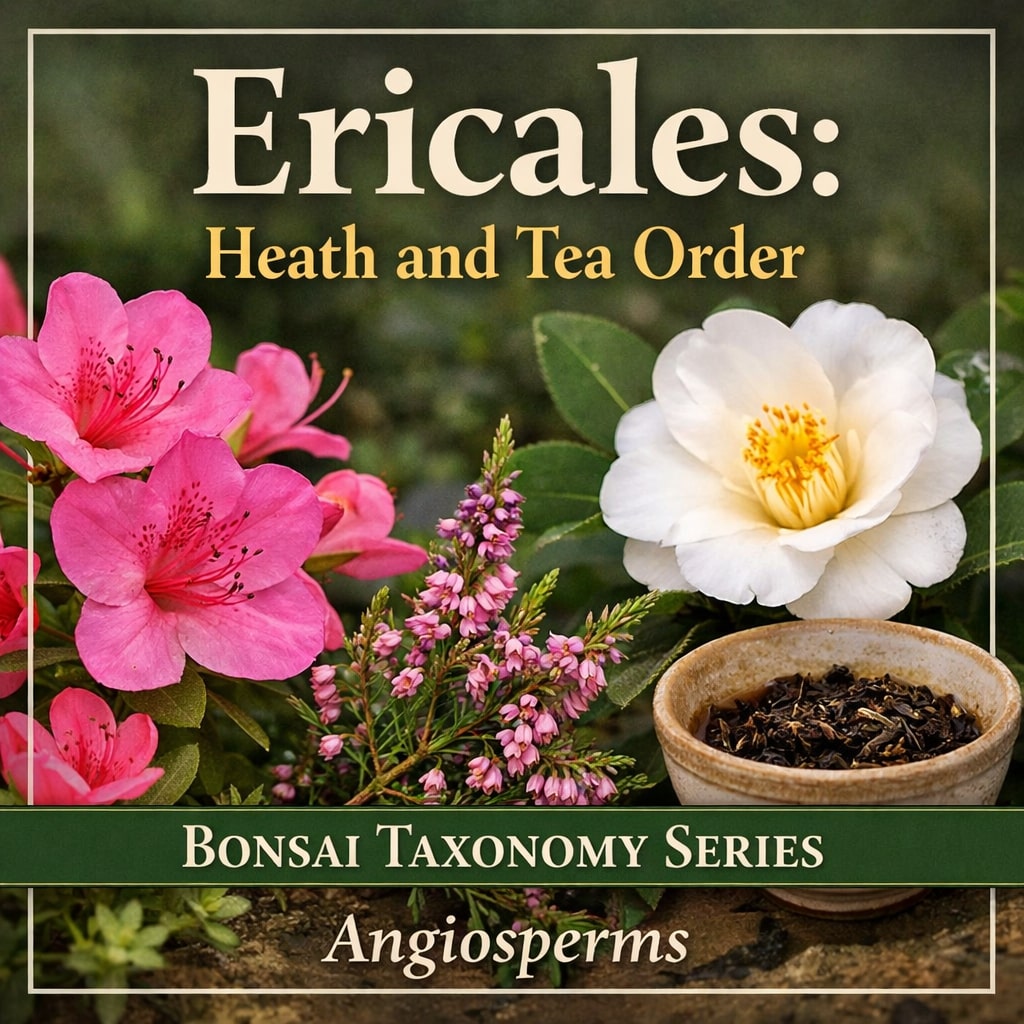
The Ericales order, often referred to as the heath and tea group, is one of the most diverse and complex orders of flowering plants within the eudicots. It includes an extraordinary range of plant forms, from evergreen shrubs and ornamental trees to fruit-bearing species, carnivorous plants, and even non-photosynthetic organisms. Despite this diversity, members of Ericales share deep evolutionary connections that shape how they grow, reproduce, and interact with their environment.
For bonsai enthusiasts and horticulturists, Ericales is especially significant due to its close association with acid-loving plants such as azaleas, rhododendrons, camellias, and related ornamentals. Many of these species are prized for their fine branching, seasonal flowers, and refined growth habits, yet they also demand specific soil conditions and biological relationships that differ from many other angiosperms.
This taxonomy guide explores the Ericales order in detail, examining its defining characteristics, evolutionary history, family structure, and ecological roles. By understanding Ericales as a unified botanical group, growers can make more informed decisions about species selection, soil management, and long-term cultivation, particularly when working with flowering bonsai and ornamental trees.
Table of Contents
Taxonomy
– Kingdom: Plantae (Plant Kingdom)
— Clade: Embryophytes (Land Plants)
— Clade: Polysporangiophytes (Multiple Sporangia)
—- Clade: Tracheophytes (Vascular Plants)
—– Superdivision: Spermatophytes (Seed Plants)
—— Clade: Angiospermae (Flowering Plants)
——- Division: Eudicots (True Dicotyledons)
——– Subdivision: Core Eudicots
——— Class: Superasterids (Advanced Flowering Plants)
———- Subclass: Asterids (Unified-Flowering Plants)
———– Order: Ericales (Heath and Tea)
What Is the Ericales Order?

The Ericales order is a large and highly diverse group of flowering plants that belongs to the asterid lineage within the eudicots. It brings together a wide range of species that may appear unrelated at first glance, including woody shrubs, trees, climbing plants, herbaceous perennials, carnivorous plants, and even non-photosynthetic species. Despite this outward diversity, these plants share deep evolutionary traits that define them as a single botanical order.
Ericales includes many plants of major ecological, economic, and ornamental importance. Well-known members include azaleas, rhododendrons, camellias, heathers, blueberries, persimmons, kiwifruit, and tea. The order also contains more specialised groups, such as pitcher plants and mycoheterotrophic species that rely on fungal relationships rather than photosynthesis. Together, these examples highlight the remarkable adaptability of the order.
One of the defining features of the Ericales order is its strong association with specialised soil biology. Many species rely on unique mycorrhizal partnerships, particularly in nutrient-poor or acidic environments. These relationships allow plants to access nutrients that would otherwise be unavailable, shaping both their natural habitats and their cultivation requirements.
From a horticultural and bonsai perspective, understanding the Ericales order provides essential context for working with acid-loving ornamentals and flowering species. Recognising their shared lineage helps explain similarities in soil preference, root behaviour, and nutrient uptake, allowing growers to care for these plants more effectively and with greater long-term success.
Defining Characteristics of Ericales
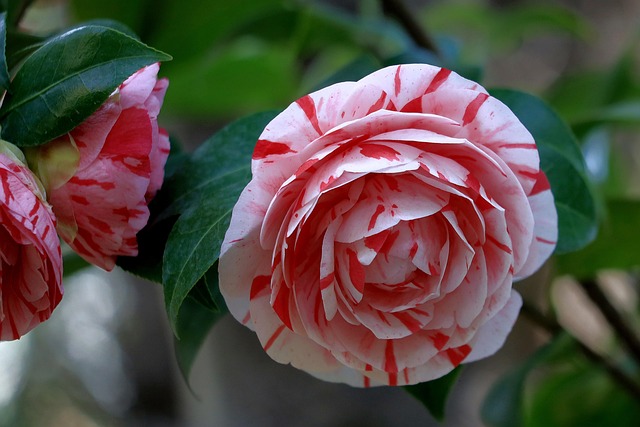
The defining characteristics of Ericales reveal why this order is considered one of the most ecologically and evolutionarily complex groups of flowering plants. While its members range from small herbaceous species to large woody trees, they are united by a set of shared traits that influence how they grow, reproduce, and interact with their environment. These characteristics are especially important for horticulture and bonsai, as they directly affect soil requirements, root behaviour, and long-term plant health.
Diverse Growth Forms and Life Strategies
Ericales displays an exceptional range of growth forms compared to many other angiosperm orders. Within this single order are evergreen and deciduous trees, woody shrubs, climbers, and herbaceous plants. Some species grow as compact ground covers, while others develop into canopy-level trees or long-lived shrubs.
Beyond physical form, Ericales also exhibits diverse nutritional strategies. While most species are fully photosynthetic, the order includes chlorophyll-deficient plants that rely entirely on fungal partners for nutrition. This range of life strategies highlights the order’s evolutionary flexibility and explains why Ericales species occupy such a wide variety of ecological niches.
Floral Structure and Petal Fusion
Floral morphology is one of the most recognisable unifying features of Ericales. Many species produce flowers with five petals that are fused together, forming tubular, urn-shaped, or bell-like structures. This fusion is not merely aesthetic but reflects shared developmental pathways within the order.
Historically, this trait played a key role in botanical classification and helped place Ericales among groups with fused corollas. For gardeners and bonsai growers, these floral structures are often a defining attraction, contributing to the popularity of azaleas, rhododendrons, camellias, primroses, and related ornamentals.
Specialised Root Systems and Nutrient Uptake
Root structure and function are central to understanding Ericales. Many species have fine, fibrous root systems adapted to shallow or organic-rich soils. These roots are particularly efficient at exploring soil volume rather than penetrating deeply, which aligns with the environments in which many Ericales species naturally occur.
This root architecture makes the order especially sensitive to soil composition, drainage, and compaction. In cultivation, improper soil conditions often lead to nutrient deficiencies or decline, reinforcing the need for tailored substrates rather than generic soil mixes.
Mycorrhizal Dependence and Symbiosis
One of the most defining biological traits of Ericales is its strong reliance on mycorrhizal associations. The order hosts several specialised forms of mycorrhiza, including ericoid, arbutoid, and monotropoid types, some of which are found almost exclusively within this group.
These fungal partnerships allow plants to access nutrients locked within organic matter, particularly in acidic or nutrient-poor soils. In many cases, these relationships are not optional but essential. Without appropriate fungal activity, plants may survive poorly or fail altogether, which has direct implications for successful cultivation and bonsai practice.
Chemical Tolerance and Aluminium Accumulation
Certain families within Ericales possess a remarkable tolerance for aluminium, a metal that becomes more available in acidic soils and is toxic to many plants. Some species are even capable of accumulating aluminium within their tissues without apparent harm.
This adaptation allows Ericales plants to thrive in environments that exclude competitors, giving them a distinct ecological advantage. It also explains why attempts to grow these plants in neutral or alkaline soils often result in poor health or nutrient imbalance.
Evergreen and Deciduous Habits
Ericales includes both evergreen and deciduous species, reflecting its global distribution and adaptability to diverse climates. Evergreen members often maintain foliage year-round to support slow, steady growth, while deciduous species respond to seasonal changes in temperature or daylight.
This variation in leaf habit influences pruning cycles, energy storage, and flowering behaviour. For bonsai growers, understanding whether a species is evergreen or deciduous within Ericales helps determine appropriate seasonal care and long-term training strategies.
Evolutionary History of the Ericales
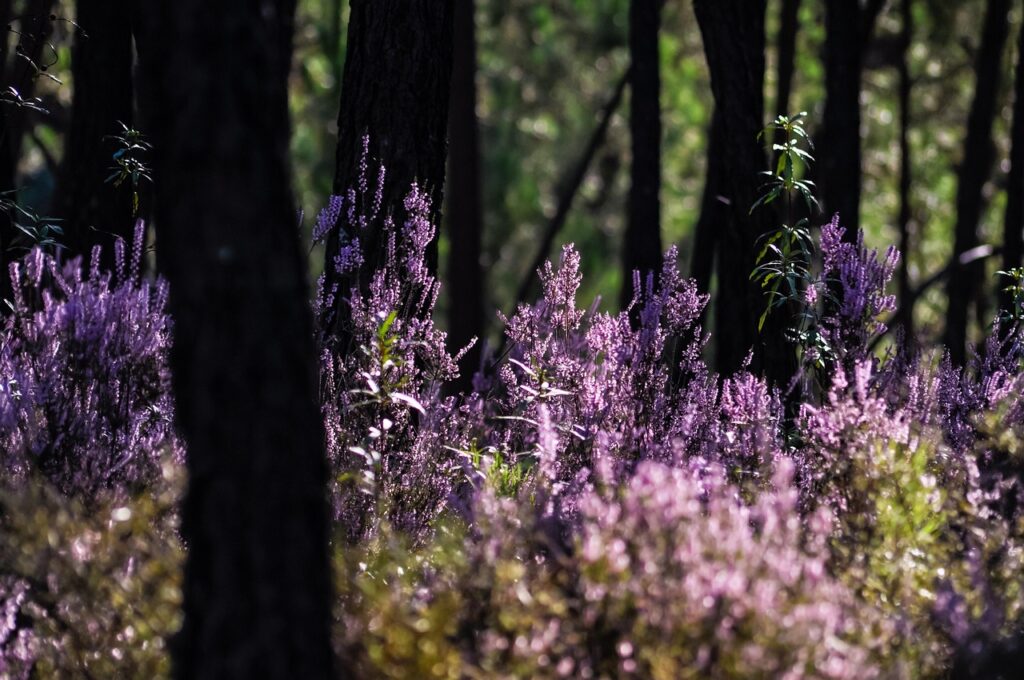
The evolutionary history of the Ericales stretches back to the early diversification of flowering plants and reflects a long process of adaptation to challenging and specialised environments. Molecular and fossil evidence suggests that the lineage leading to Ericales diverged from other angiosperms roughly 120–130 million years ago, during the early Cretaceous period. This places the order among the earlier branches of the asterid group, giving it ample time to diversify and experiment with a wide range of growth strategies.
Rather than following a single evolutionary path, Ericales evolved through repeated specialisation, allowing its members to occupy ecological niches that many other flowering plants could not. This evolutionary flexibility is a key reason the order today includes such an unusual mix of woody trees, shrubs, herbaceous plants, carnivorous species, and even non-photosynthetic organisms.
Early Ericales ancestors are thought to have been woody plants adapted to nutrient-poor, acidic soils. As flowering plants expanded and competed for fertile ground, this lineage appears to have moved into marginal environments where specialised adaptations offered a competitive advantage. Over time, traits such as fine root systems, fungal symbioses, and chemical tolerance became increasingly refined.
The rise of specialised mycorrhizal relationships marks one of the most important evolutionary developments within the order. These associations allowed Ericales species to access nutrients bound in organic matter rather than relying solely on mineral-rich soils. This innovation enabled the group to thrive in heathlands, bogs, forest understories, and other environments with low nutrient availability.
As the order diversified, multiple major lineages emerged, giving rise to families with very different outward appearances but shared internal biology. Some lineages remained primarily woody and evergreen, while others evolved herbaceous forms or highly specialised lifestyles, such as carnivory or mycoheterotrophy. These evolutionary experiments occurred independently within the order, highlighting its adaptability rather than a single dominant strategy.
The global spread of Ericales further shaped its evolution. As continents separated and climates shifted, different families adapted to tropical, temperate, and even subarctic regions. This wide geographic distribution contributed to the high species count seen today, with thousands of species occupying ecosystems across every major landmass.
For growers and horticulturists, this evolutionary background explains why Ericales species often share hidden similarities despite looking very different. Their ancient adaptations to soil chemistry, fungal partnerships, and long-term survival strategies continue to influence how they grow and respond to cultivation. Understanding the evolutionary history of the Ericales provides valuable insight into why these plants demand specific conditions and reward patience with resilience, longevity, and refinement.
Families Within the Order Ericales
The order Ericales is made up of a large and diverse collection of plant families that share a common evolutionary origin, even though they may appear very different in form, habitat, and use. Under the APG IV classification system, Ericales currently includes 22 recognised families, making it one of the more expansive orders among the flowering plants. This diversity reflects the order’s long evolutionary history and its ability to adapt to a wide range of ecological conditions.
For bonsai growers and horticulturists, understanding these families helps bring structure to what might otherwise seem like an overwhelming group. While not all families are relevant to bonsai, many contain species of ornamental, ecological, or economic importance that benefit from similar soil preferences and biological relationships.
Ericaceae (Heath, Azalea, and Blueberry Family)
Ericaceae is the most prominent and widely recognised family within Ericales. It includes heathers, heaths, azaleas, rhododendrons, blueberries, cranberries, and related plants. Many members of this family are acid-loving shrubs or small trees with fine roots and strong mycorrhizal dependence.
This family is especially important in bonsai due to the popularity of azaleas and rhododendrons, which are prized for their flowers, branching structure, and seasonal interest. Their shared traits make Ericaceae a cornerstone family for understanding Ericales as a whole.
Theaceae (Tea and Camellia Family)
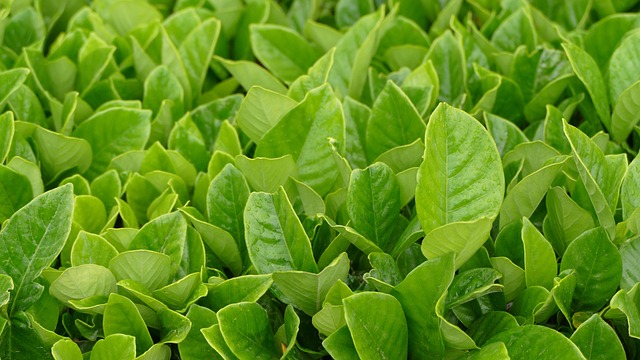
Theaceae includes tea plants and ornamental camellias, both of which are culturally and economically significant. Species in this family are typically evergreen shrubs or trees with glossy leaves and showy flowers.
In horticulture and bonsai, camellias are valued for their refined appearance and winter or early spring blooms. Their presence within Ericales reinforces the order’s association with acid soils and specialised root biology.
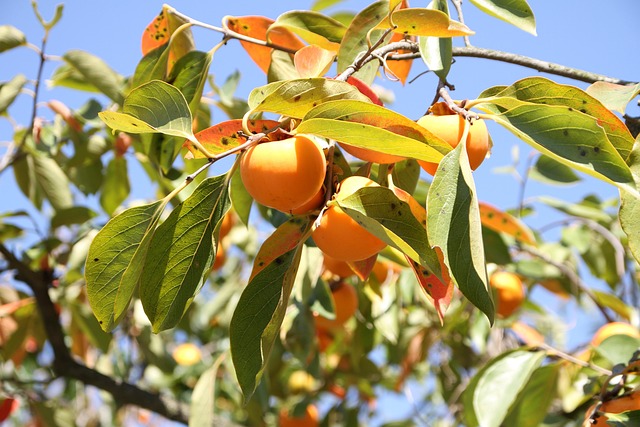
Ebenaceae (Ebony and Persimmon Family)
Ebenaceae is best known for ebony trees and persimmons. Members of this family range from tropical hardwood trees to temperate fruit-bearing species. They often have dense wood and slow growth rates, traits that align well with long-term cultivation.
While less common in bonsai than Ericaceae or Theaceae, persimmons are occasionally grown for their fruit and autumn colour, offering an example of how Ericales extends beyond ornamentals into productive plants.
Sapotaceae (Sapodilla and Shea Family)
The Sapotaceae family includes tropical trees such as sapodilla and shea. These species are often characterised by latex-bearing tissues, evergreen foliage, and durable wood.
Although primarily tropical and less relevant to traditional bonsai, this family highlights the economic importance of Ericales and its role in providing food and resources for human societies.
Actinidiaceae (Kiwifruit Family)
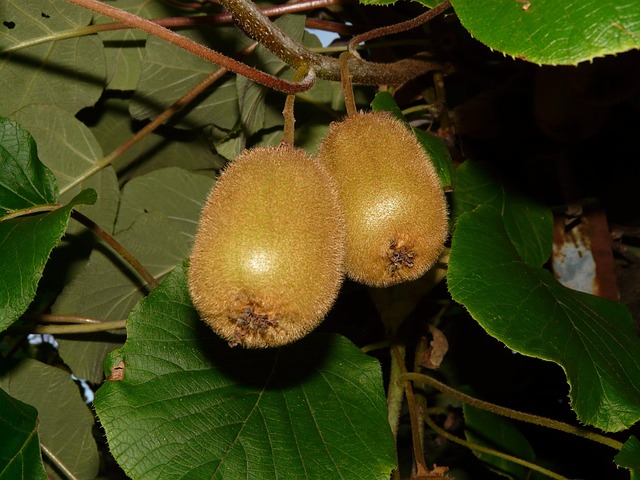
Actinidiaceae includes kiwifruit and related climbing plants. These species are typically woody lianas rather than self-supporting trees, illustrating the structural diversity found within the order.
Their inclusion demonstrates that Ericales is not limited to shrubs and trees, but also encompasses climbing growth forms adapted to forest environments.
Primulaceae (Primrose and Cyclamen Family)
Primulaceae consists mainly of herbaceous plants such as primroses and cyclamens. Many species in this family were previously classified separately but are now included within Ericales based on molecular evidence.
This family represents the herbaceous side of the order and shows how shared genetic traits can link plants that appear very different in habit and size.
Sarraceniaceae and Related Carnivorous Families
Ericales also includes carnivorous plant families such as Sarraceniaceae, along with related groups that have evolved specialised trapping mechanisms. These plants inhabit nutrient-poor environments and supplement their nutrition by capturing insects.
Their presence within the order underscores the extreme adaptations that have evolved from the same ancestral lineage that produced ornamental shrubs and fruit trees.
Other Families Within Ericales
Beyond the more familiar groups, Ericales includes several smaller or more specialised families such as Styracaceae, Symplocaceae, Polemoniaceae, and Lecythidaceae. Each contributes unique traits, growth forms, and ecological roles to the order.
Together, these families illustrate the remarkable breadth of Ericales and reinforce why it is best understood as a taxonomic framework rather than a narrow plant category.
Phylogenetic Relationships, Mycorrhizal Associations and Special Adaptations
The Ericales order is defined not only by visible traits such as flowers or growth form, but by deep evolutionary relationships and highly specialised biological strategies. Modern classification of the order is largely based on molecular phylogenetics, which has revealed connections between families that were once considered unrelated. Alongside these genetic relationships, Ericales is notable for its reliance on fungal partnerships and a suite of unusual adaptations that allow its members to thrive in demanding environments.
Together, phylogeny, mycorrhizal biology, and special adaptations provide a clearer picture of why this order is so diverse, yet internally consistent at a functional level.
Phylogenetic Relationships Within Ericales
Molecular studies have shown that Ericales represents one of the earliest diverging lineages within the asterid clade of flowering plants. Genetic evidence has reorganised the order significantly, bringing together families that were historically scattered across multiple classification systems. This is why Ericales now includes woody ornamentals, herbaceous plants, climbers, and carnivorous species under a single evolutionary framework.
Within the order, several major lineages or groupings can be identified, often referred to informally as ericoids, primuloids, styracoids, and balsaminoids. These groupings reflect shared ancestry rather than outward appearance, helping explain why plants that look very different may share similar root biology, chemistry, or reproductive traits. This phylogenetic structure reinforces the idea that Ericales is best understood through evolutionary relationships rather than surface-level morphology alone.
Mycorrhizal Associations in Ericales
Mycorrhizal relationships are one of the most defining biological features of Ericales. Many species depend on specialised fungal partnerships to survive, particularly in acidic, nutrient-poor soils. These relationships allow plants to access nitrogen, phosphorus, and other nutrients bound within organic matter that would otherwise be unavailable.
Ericales is unique in hosting several forms of mycorrhiza that are rare or absent outside the order, including ericoid, arbutoid, and monotropoid mycorrhiza. In some species, these associations are so critical that the plants cannot establish or persist without them. This dependence explains why many Ericales species perform poorly in conventional soils and why cultivation requires careful attention to substrate composition and biological activity.
Special Adaptations and Ecological Strategies
Beyond fungal partnerships, Ericales exhibits a range of specialised adaptations that support survival in challenging environments. Some families have evolved the ability to tolerate or accumulate aluminium, allowing them to grow in highly acidic soils where aluminium levels would be toxic to most plants. Others have developed carnivorous mechanisms to supplement nutrient intake in impoverished habitats.
The order also includes mycoheterotrophic species that have lost the ability to photosynthesise entirely, relying instead on fungal networks for carbon and nutrients. These extreme adaptations highlight the evolutionary experimentation that has taken place within Ericales over millions of years. Rather than competing in fertile environments, many lineages succeeded by exploiting ecological niches that demanded innovation, resilience, and biological specialisation.
Reproductive Traits and Floral Structure in Ericales
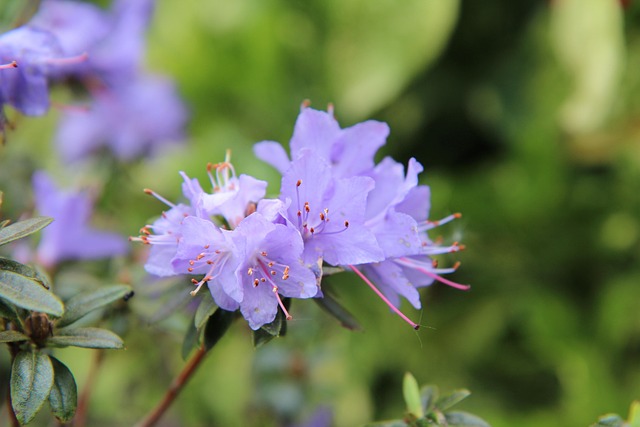
Reproductive traits and floral structure in Ericales reflect the order’s shared developmental pathways despite its wide diversity. Most species produce flowers with a consistent underlying structure, commonly featuring five petals that are often fused into tubular, urn-shaped, or bell-like forms. This petal fusion is a defining characteristic and has historically played a key role in the classification of the order.
Flowers within Ericales are frequently adapted for specialised pollination, attracting insects through colour, shape, and nectar placement. In many species, floral design helps protect reproductive organs from environmental stress while guiding pollinators efficiently. These traits contribute to the ornamental appeal of azaleas, rhododendrons, camellias, and related plants.
Seed development varies across families but generally follows a slow and controlled process. Fruits may take the form of capsules, berries, or fleshy structures, depending on the lineage. Together, these reproductive traits support long-term survival strategies that favour reliability and adaptation over rapid reproduction.
Ecological, Economic and Cultural Importance of Ericales
The Ericales order plays a significant role in ecosystems, human economies, and cultural traditions around the world. Its members influence soil health, support biodiversity, provide essential food and resources, and feature prominently in horticulture and symbolism. The breadth of this importance reflects the order’s diversity and long relationship with human societies.
Ecological importance of Ericales includes:
- Occupying and stabilising acidic, nutrient-poor soils where few other plants can thrive
- Supporting specialised fungal networks that enhance soil biology and nutrient cycling
- Providing habitat and food sources for insects, birds, and small mammals
- Contributing to long-term carbon storage through woody, slow-growing species
- Maintaining biodiversity in heathlands, forests, bogs, and understory environments
Economic importance of Ericales includes:
- Production of tea from Camellia sinensis, one of the most widely consumed beverages globally
- Cultivation of edible fruits such as blueberries, cranberries, persimmons, kiwifruit, and sapodilla
- Harvesting of Brazil nuts and shea butter, both of which support local and global economies
- Use of ebony and other hardwoods for specialised timber and craftsmanship
- Horticultural industries centred on ornamental plants such as azaleas, camellias, cyclamens, and primroses
Cultural and horticultural importance of Ericales includes:
- Long-standing use of azaleas, rhododendrons, and camellias in traditional gardens
- Symbolic associations with refinement, longevity, and seasonal beauty
- Central roles in ceremonial, culinary, and medicinal traditions in many regions
- Widespread use in modern landscaping and bonsai for their aesthetic and seasonal qualities
Together, these ecological, economic, and cultural roles highlight why Ericales remains one of the most influential and widely valued orders of flowering plants.
Ericales in Bonsai and Horticulture
Ericales holds a distinctive place in bonsai and horticulture due to its association with flowering ornamentals and acid-loving plants. Many species within the order are valued not for dramatic trunk movement or deadwood, but for fine branching, delicate foliage, and seasonal floral displays. This makes Ericales especially important for growers interested in refinement, proportion, and visual balance rather than rugged age alone.
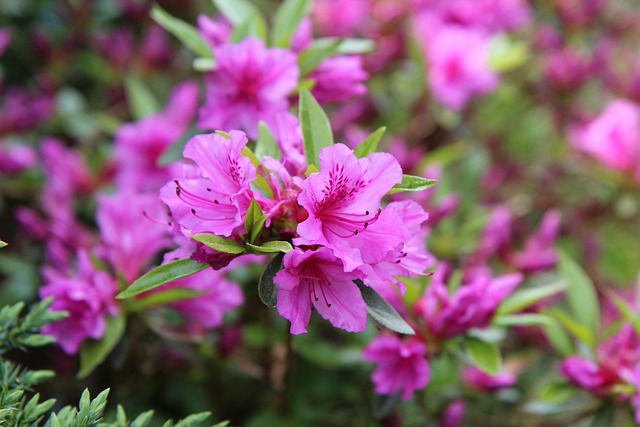
In bonsai, azaleas and rhododendrons are the most prominent representatives of the order. These plants respond well to careful pruning, develop fine ramification over time, and reward proper care with striking blooms. Camellias are also cultivated, though they demand patience due to slower growth and sensitivity to root disturbance. Success with these species depends heavily on understanding soil acidity, drainage, and mycorrhizal health.
From a horticultural perspective, Ericales species are widely used in gardens, nurseries, and landscape design. Their preference for acidic soils often dictates planting strategies, including the use of specialised substrates and organic matter. When grown under suitable conditions, these plants exhibit strong resilience, long lifespans, and consistent performance.
For both bonsai and horticulture, working with Ericales requires a more biological approach than with many other flowering plants. Attention to soil chemistry, root health, and seasonal timing is essential. When these needs are met, Ericales species offer exceptional aesthetic value and a deep sense of seasonal rhythm.
Ericales as the Foundation of Acid-Loving Ornamentals
Ericales forms the botanical foundation for many of the world’s most recognisable acid-loving ornamental plants. Through long evolutionary adaptation, species within this order developed a close relationship with acidic, organic-rich soils and specialised root biology that allows them to thrive where other plants struggle. This shared heritage explains why so many ornamental favourites respond similarly to soil conditions, fertilisation, and cultivation techniques.
Plants such as azaleas, rhododendrons, camellias, heathers, and related ornamentals dominate gardens and bonsai collections precisely because of these adaptations. Their preference for low-pH environments, reliance on fine root systems, and sensitivity to soil chemistry are not isolated traits, but expressions of a deeper evolutionary framework.
Understanding Ericales as the unifying order behind these plants allows growers to move beyond trial-and-error care. By recognising the biological connections that shape their needs, horticulturists and bonsai practitioners can create conditions that support long-term health, consistent flowering, and refined growth, ensuring these ornamentals reach their full potential.