
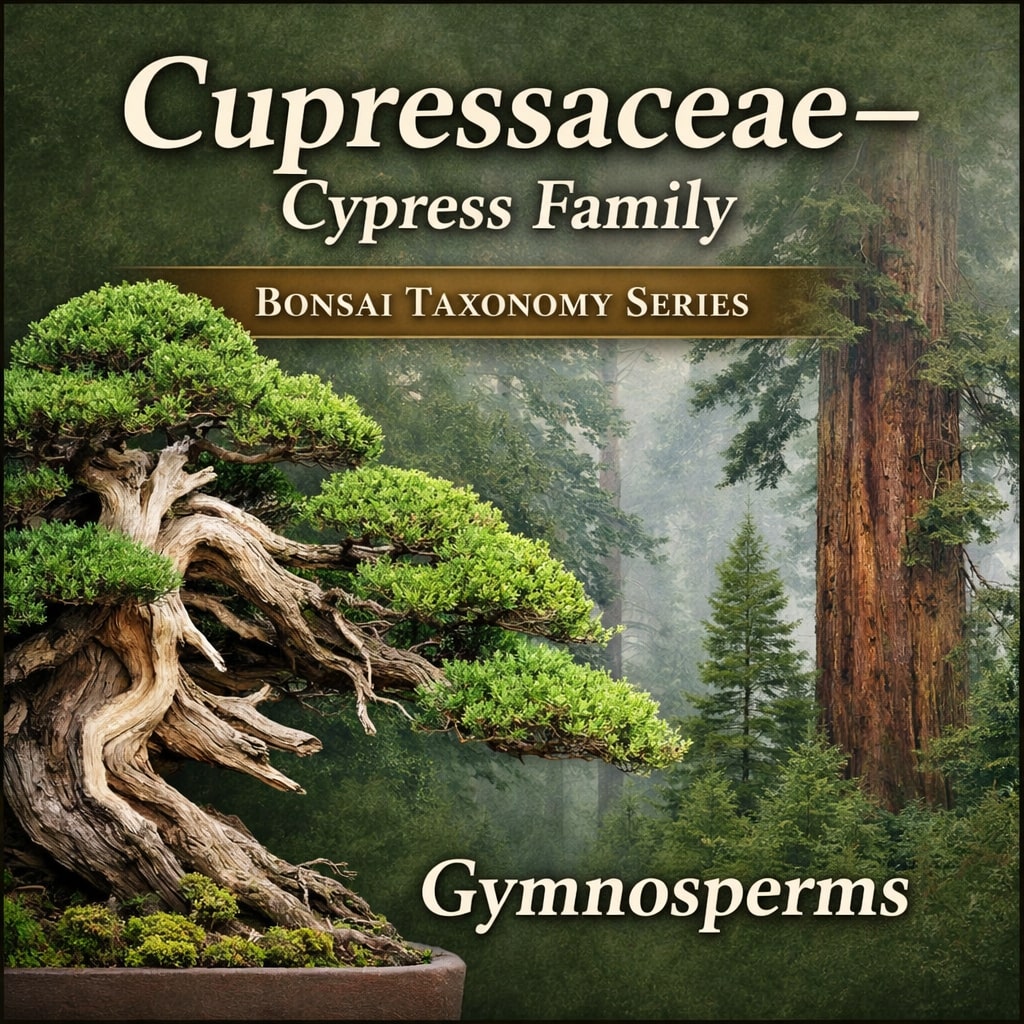
Cupressaceae, commonly known as the cypress family, is one of the most important and recognisable families of gymnosperms in the world. This ancient group of conifers includes some of the tallest, longest-lived, and most widely distributed trees on Earth, ranging from junipers and cypresses to redwoods and giant sequoias.
Found across nearly every continent, Cupressaceae species have adapted to an extraordinary range of environments, from alpine regions and temperate forests to wetlands and semi-arid landscapes. Their evolutionary success lies in their resilient growth habits, specialised foliage, and efficient reproductive structures.
In bonsai and horticulture, the cypress family plays a central role. Many of the most popular evergreen bonsai species belong to Cupressaceae, valued for their fine foliage, natural deadwood potential, and ability to express age and character in miniature form.
This guide explores the Cupressaceae family in detail, covering its defining traits, evolutionary history, classification, ecological importance, and its special place in bonsai cultivation.
Table of Contents
Taxonomy
– Kingdom: Plantae (Plant Kingdom)
— Clade: Embryophytes (Land Plants)
— Clade: Polysporangiophytes (Multiple Sporangia)
—- Clade: Tracheophytes (Vascular Plants)
—– Superdivision: Spermatophytes (Seed Plants)
—— Clade: Gymnospermae (Naked Seeds)
——- Division: Pinophyta (Conifers)
——– Class: Pinopsida (Living Conifers)
——— Subclass: Cupressidae (Evergreen Conifers)
———- Order: Cupressales (Cypress)
———– Family: Cupressaceae (Cypress)
What Is Cupressaceae?
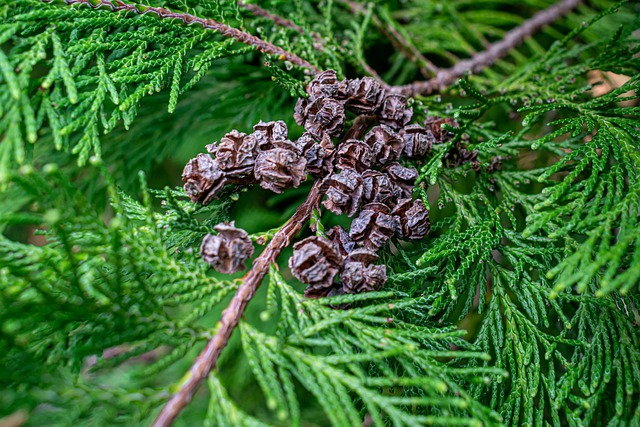
Cupressaceae is a family of coniferous gymnosperms commonly known as the cypress family. It belongs to the order Cupressales and includes a diverse group of evergreen and deciduous trees and shrubs such as cypresses, junipers, thujas, redwoods, and bald cypresses.
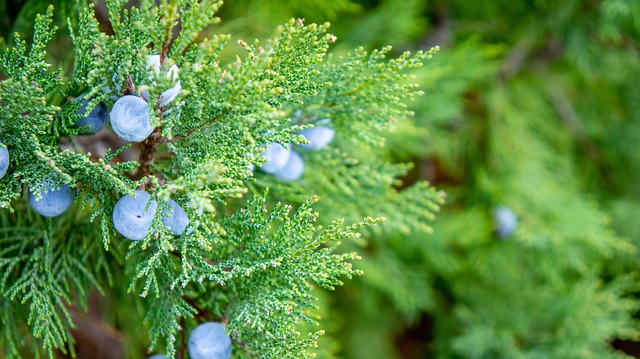
Members of the Cupressaceae family reproduce using cones rather than flowers and seeds enclosed in fruit, which is a defining trait of gymnosperms. Depending on the genus, these cones may be woody, leathery, or fleshy and berry-like, as seen in junipers.
The family is ancient, with fossil records dating back to the early Jurassic period, and it has survived major climatic and geological changes. Today, Cupressaceae species are found on every continent except Antarctica, making it one of the most widely distributed conifer families on Earth.
Cupressaceae is especially significant because it includes:
- Some of the tallest trees in the world (coast redwoods)
- Some of the largest trees by volume (giant sequoias)
- Some of the longest-living trees known
In horticulture and bonsai, Cupressaceae is highly valued for its evergreen foliage, strong structural growth, and ability to convey age, resilience, and natural form. This makes the cypress family a cornerstone of evergreen bonsai cultivation and landscape planting alike.
Defining Characteristics of the Cypress Family

The cypress family (Cupressaceae) is defined by a combination of structural, reproductive, and physiological traits that distinguish it from other conifer families. While the appearance of individual genera can vary widely, from low-growing junipers to towering redwoods, they share a core set of characteristics that reflect their common evolutionary lineage.
Evergreen and deciduous foliage
Most Cupressaceae species are evergreen, retaining their foliage year-round. However, a small but important group within the family, such as Taxodium and Metasequoia, are deciduous and shed their needles seasonally. This mix of evergreen and deciduous behaviour is unusual among conifers and highlights the family’s adaptability.
Foliage often changes with age. Juvenile plants may display needle-like leaves, while mature specimens typically develop small, scale-like leaves arranged tightly against the stems.
Scale-like leaves and shoot structure
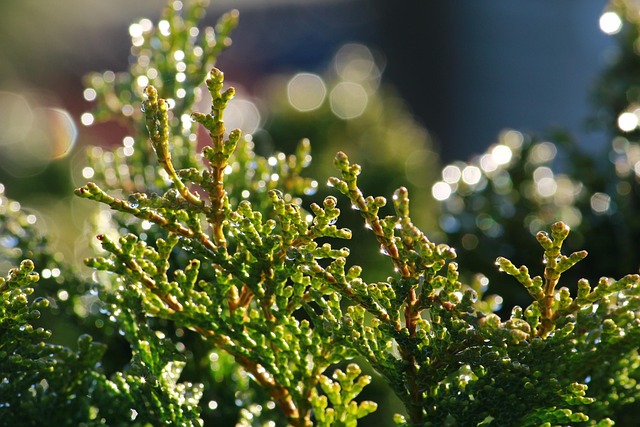
A defining visual feature of many cypress family members is their scale-like foliage, arranged in opposite pairs or whorls along flattened or rounded shoots. These compact leaf structures reduce water loss and help the plant cope with dry, windy, or exposed environments.
Older foliage is often shed in small sprays rather than individual leaves, a process known as cladoptosis, contributing to the clean, tidy appearance common to many species.
Cone-based reproduction
Cupressaceae species reproduce through cones rather than flowers. Seed cones vary significantly across the family and may be:
- Woody or leathery, as seen in many cypresses and thujas
- Fleshy and berry-like, as in junipers
Male pollen cones are generally small and uniform, producing wind-dispersed pollen that fertilises the ovules on female cones.
Aromatic wood and resin content
The wood, bark, and foliage of many Cupressaceae species are rich in aromatic compounds, particularly terpenes and terpenoids. These give the trees their characteristic scent and provide natural resistance to insects, fungi, and decay.
This chemical makeup has made cypress family species valuable for timber, essential oils, and traditional medicinal uses.
Longevity and structural resilience
Many members of the cypress family are exceptionally long-lived and structurally resilient. Thick bark, decay-resistant heartwood, and flexible growth habits allow them to survive fire, drought, flooding, and extreme weather conditions.
These traits contribute to the family’s reputation for endurance and are part of why Cupressaceae species are so highly regarded in both natural ecosystems and bonsai cultivation.
Evolutionary History of Cupressaceae
The Cupressaceae family has one of the longest and most complex evolutionary histories among living conifers. Its success over hundreds of millions of years reflects a remarkable ability to adapt to shifting climates, continental movement, and major extinction events. From ancient supercontinents to modern ecosystems, the cypress family has persisted and diversified across the globe.
Origins in the Mesozoic era
Fossil evidence places the origin of Cupressaceae in the early Jurassic period, with possible ancestral forms appearing as far back as the late Triassic. During this time, Earth’s climate was warmer and more uniform, allowing early cypress relatives to spread across vast regions of the supercontinent Pangaea.
These early forms already displayed cone and foliage traits recognisable in modern genera, indicating that the family’s basic structural blueprint was established very early in its evolution.
Expansion and diversification
Throughout the Jurassic and Cretaceous periods, Cupressaceae diversified rapidly. As climates became more varied and continents began to separate, different lineages adapted to distinct ecological niches. Some evolved into moisture-loving species suited to swamps and floodplains, while others adapted to drier, more open landscapes.
This diversification led to the emergence of several major evolutionary branches that would later become today’s recognised subfamilies.
Survival through mass extinction events
Cupressaceae survived multiple mass extinction events, including the end-Cretaceous extinction that eliminated the dinosaurs. While many plant groups declined or disappeared, members of the cypress family persisted, often retreating into stable refuges where they continued to evolve in isolation.
These relict populations are responsible for some of the highly localised and endangered species found today.
The rise of modern genera
By the early Cenozoic era, most modern Cupressaceae genera had emerged. Iconic lineages such as Sequoia, Juniperus, and Cupressus developed specialised traits that allowed them to dominate specific environments, from coastal fog belts to arid mountain slopes.
Some species grew to immense sizes and ages, while others adopted slower, more compact growth forms, contributing to the wide structural diversity seen within the family.
Living fossils and evolutionary continuity
Certain Cupressaceae members, such as dawn redwood relatives, are often described as living fossils. These species closely resemble their ancient ancestors and provide valuable insight into prehistoric forest ecosystems.
Their continued survival highlights the evolutionary stability of the cypress family’s core design, a stability that has allowed Cupressaceae to remain ecologically relevant from the age of dinosaurs to the present day.
Subfamilies Within Cupressaceae
The Cupressaceae family is divided into several subfamilies based on a combination of molecular genetics, cone structure, foliage traits, and evolutionary history. These subfamilies help explain the remarkable diversity within the cypress family, from ancient redwoods to compact junipers, and provide a clear framework for understanding relationships between genera.
Cunninghamioideae
This subfamily represents one of the more ancient lineages within Cupressaceae. It includes Cunninghamia, a genus known for large, fast-growing conifers native to East Asia. Members of this group retain several primitive characteristics, offering insight into early cypress evolution.
Taiwanioideae
Taiwanioideae is a small and highly specialised subfamily containing a single living genus, Taiwania. These trees are relicts with limited natural ranges, reflecting survival in ecological refuges rather than widespread dominance.
Athrotaxidoideae
This subfamily includes Athrotaxis, a genus endemic to Tasmania. Athrotaxidoideae is notable for its restricted geographic distribution and ancient lineage, making it an important group for understanding Gondwanan plant history.
Sequoioideae
Sequoioideae contains some of the most iconic trees on Earth, including coast redwoods, giant sequoias, and dawn redwoods. Species in this subfamily are famous for their immense size, longevity, and dominance in temperate forest ecosystems.
This group highlights the upper extremes of growth potential within Cupressaceae.
Taxodioideae
Once treated as a separate family, Taxodioideae includes genera such as Taxodium and Cryptomeria. Members of this subfamily often thrive in wet or flood-prone environments and include both evergreen and deciduous species.
Their inclusion within Cupressaceae reflects modern genetic evidence rather than traditional morphology alone.
Callitroideae
Callitroideae is largely associated with the Southern Hemisphere and includes genera adapted to dry, fire-prone, or nutrient-poor landscapes. Many species within this subfamily show strong drought tolerance and distinctive growth forms.
This group is particularly important in Australia, South America, and parts of Africa.
Cupressoideae
Cupressoideae is the largest and most diverse subfamily within Cupressaceae. It includes well-known genera such as Cupressus, Juniperus, Thuja, and Chamaecyparis.
This subfamily dominates both natural ecosystems and horticulture, and it is the primary source of species used in evergreen bonsai cultivation.
Key Genera of the Cypress Family
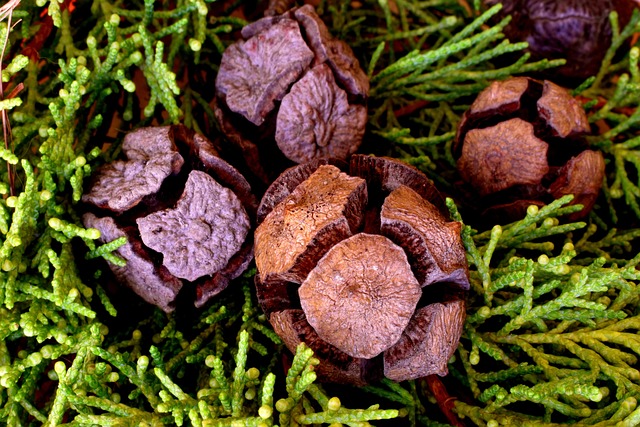
The Cupressaceae family includes a wide range of genera that vary greatly in size, growth habit, and ecological role. From low, spreading shrubs to the tallest trees on Earth, these genera form the structural and biological backbone of the cypress family. Understanding the key genera helps clarify why Cupressaceae is so dominant in both natural ecosystems and bonsai cultivation.
Juniperus (junipers)
Juniperus is one of the most widespread and diverse genera in the family. It includes trees, shrubs, and groundcovers found across the Northern Hemisphere and parts of Africa. Junipers are especially notable for their berry-like cones and exceptional tolerance to drought, wind, and poor soils.
In bonsai, junipers are among the most popular evergreen species due to their flexible branches, dramatic deadwood potential, and strong expression of age.
Cupressus (true cypresses)
The genus Cupressus includes the classic upright cypress forms commonly associated with Mediterranean and arid landscapes. These trees typically have dense, columnar growth habits and woody cones.
Cupressus species are valued for their timber, ornamental appeal, and symbolic cultural associations, particularly in historical and ceremonial plantings.
Thuja (arborvitae)
Thuja, often referred to as arborvitae, includes medium-sized trees with flattened sprays of scale-like foliage. They are native mainly to North America and East Asia and are widely used in landscaping and hedging.
In cultivation, Thuja species are known for their soft foliage texture and tolerance of pruning, although they require careful handling in bonsai to maintain inner growth.
Chamaecyparis (false cypresses)
Chamaecyparis species are prized for their fine-textured foliage and graceful branching. Many cultivars display striking colour variations, including blue, gold, and silver tones.
This genus is particularly important in horticulture and ornamental bonsai, where subtle detail and refined silhouettes are emphasised.
Sequoia and Sequoiadendron (redwoods and giant sequoias)
These two genera represent the giants of the Cupressaceae family. Sequoia includes the tallest trees on Earth, while Sequoiadendron contains the largest trees by volume.
Although impractical for traditional bonsai, these genera are biologically significant and highlight the extreme growth potential within the cypress family.
Taxodium (bald cypresses)
Taxodium species are deciduous conifers adapted to wet, swampy environments. Known for their distinctive buttressed trunks and “knees,” bald cypresses are highly resilient and long-lived.
They are increasingly popular in bonsai for their dramatic trunk character and seasonal interest.
Cryptomeria and Cunninghamia
These genera include large forest trees native to East Asia. Cryptomeria is widely planted for timber and ornamentals, while Cunninghamia is an ancient lineage with strong evolutionary significance.
Both genera demonstrate the diversity of form and ecological function found within Cupressaceae.
Growth Habits and Structural Traits of Cupressaceae
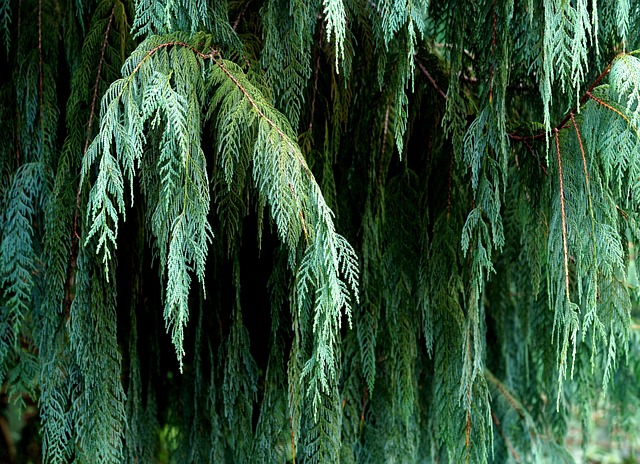
The Cupressaceae family displays an extraordinary range of growth habits and structural forms, yet its members share underlying architectural traits that reflect a common evolutionary strategy. These traits contribute to the family’s resilience, longevity, and versatility across vastly different environments.
Tree and shrub growth forms
Cupressaceae includes towering forest trees, compact shrubs, and low-growing groundcovers. Some genera develop massive single trunks capable of surviving for thousands of years, while others form dense, multi-stemmed structures adapted to harsh or exposed conditions.
This flexibility in growth form allows the family to occupy a wide range of ecological niches, from wetlands and coastal forests to arid mountain slopes.
Trunk structure and bark characteristics
Many cypress family members develop thick, fibrous, or peeling bark that provides protection against fire, pests, and environmental stress. In some species, bark sheds in long vertical strips, while others develop deeply furrowed or plate-like textures.
These bark traits not only enhance survival but also contribute to the aged, weathered appearance highly valued in bonsai and ornamental cultivation.
Branching patterns and canopy structure
Branching in Cupressaceae is typically strong and hierarchical, with clearly defined primary and secondary branches. Many species exhibit flattened or fan-like sprays of foliage, while others develop more irregular or windswept forms.
This structured branching allows for efficient light capture and provides the framework for natural deadwood formation in older specimens.
Wood density and structural strength
The wood of Cupressaceae species is often dense, aromatic, and resistant to decay. These qualities contribute to the family’s exceptional longevity and structural stability, even under extreme environmental pressures.
Decay resistance also explains the historical importance of cypress family timber in construction, shipbuilding, and long-lasting outdoor structures.
Adaptations to environmental stress
Structural traits within Cupressaceae reflect adaptation to stressors such as drought, flooding, cold, and fire. Narrow leaves, compact foliage, flexible branches, and deep or spreading root systems all play a role in reducing damage and conserving resources.
These adaptations make cypress family species particularly durable and reliable, both in natural ecosystems and controlled cultivation.
Reproduction and Cone Structure in Cupressaceae
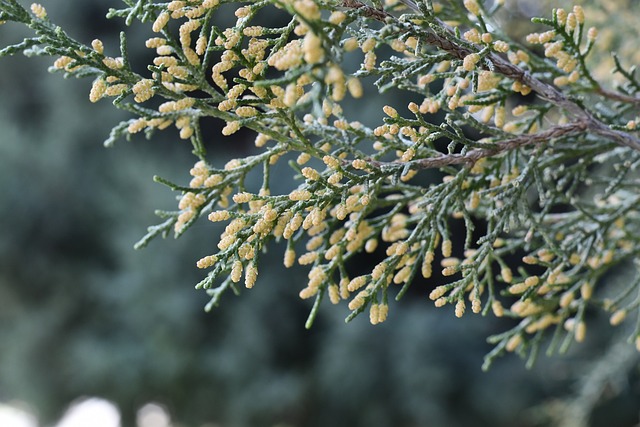
Reproduction in the Cupressaceae family follows the typical gymnosperm pattern, relying on cones rather than flowers and fruits. However, the cypress family shows remarkable diversity in cone form, reproductive strategy, and life cycle timing, reflecting its wide evolutionary spread and ecological adaptability.
Monoecious and dioecious reproduction
Most Cupressaceae species are monoecious, meaning male and female cones occur on the same plant. Some species are subdioecious or, more rarely, fully dioecious, with separate male and female individuals.
This flexibility in reproductive strategy increases the family’s ability to reproduce successfully across different environments and population densities.
Pollen cones and wind pollination
Male pollen cones in Cupressaceae are generally small and short-lived. They produce large quantities of lightweight pollen that is dispersed by wind, eliminating the need for animal pollinators.
Pollination typically occurs seasonally, often triggered by temperature and day-length changes, ensuring synchronisation across populations.
Seed cones and their variation
Female seed cones vary widely across the family and are one of the most distinctive identifying features of Cupressaceae genera. Depending on the species, cones may be:
- Woody or leathery, opening to release seeds
- Small and spherical, with tightly fused scales
- Fleshy and berry-like, as seen in junipers
The cone scales are formed from fused bract and ovuliferous scales, a key structural trait of the family.
Seed structure and dispersal
Seeds are usually small and flattened, often equipped with narrow wings that aid wind dispersal. In some genera, seeds lack wings and rely on gravity or animals for dispersal.
Juniper “berries” are an exception, with fleshy cones adapted for animal consumption, allowing seeds to be transported over long distances.
Juvenile development and leaf transition
Cupressaceae seedlings typically emerge with simple, needle-like leaves. As the plant matures, foliage often transitions into scale-like forms, reflecting a shift from rapid juvenile growth to long-term efficiency and resilience.
This developmental transition is particularly relevant in bonsai cultivation, where juvenile and mature foliage can coexist or be deliberately managed.
Ecological Importance of Cupressaceae Species
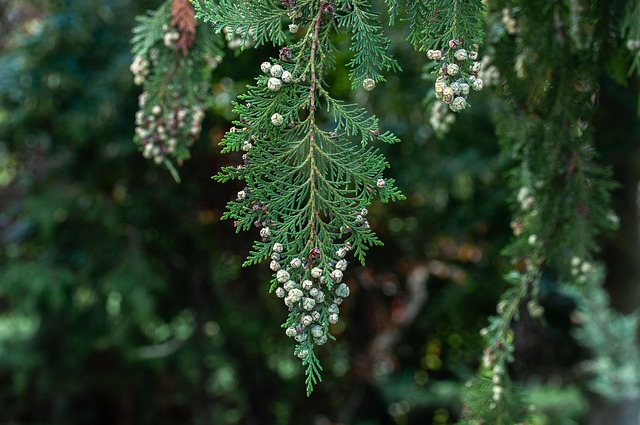
Species within the Cupressaceae family play critical ecological roles across a wide range of environments. Their longevity, structural strength, and adaptability allow them to shape ecosystems, support biodiversity, and stabilise landscapes over long periods of time.
- Foundation species in forests: Many Cupressaceae species act as dominant or foundation species, forming the structural backbone of forests and woodlands. Redwoods, cypresses, and junipers often define canopy structure and influence light, moisture, and soil conditions beneath them.
- Habitat and shelter for wildlife: The dense foliage, bark textures, and cone structures of cypress family members provide shelter, nesting sites, and food sources for birds, mammals, insects, and fungi. Juniper cones, in particular, are an important food source for wildlife.
- Soil stabilisation and erosion control: Deep and spreading root systems help stabilise soil in vulnerable landscapes such as slopes, wetlands, riverbanks, and coastal areas. Bald cypresses and related species are especially important in flood-prone environments.
- Adaptation to extreme environments: Cupressaceae species thrive in environments that challenge many other trees, including arid regions, high altitudes, fire-prone zones, and seasonally flooded areas. Their survival strategies contribute to ecosystem resilience under environmental stress.
- Carbon storage and climate regulation: Long-lived, large-bodied species such as redwoods and sequoias store vast amounts of carbon over centuries, playing a significant role in carbon sequestration and climate moderation.
- Fire ecology and regeneration: Some members of the cypress family are adapted to fire, with thick bark or regeneration strategies that allow them to survive or recover after fire events. This makes them important components of fire-adapted ecosystems.
- Refugia for ancient lineages: Several Cupressaceae species exist as relict populations, preserving ancient genetic lineages. These living remnants provide valuable insight into past climates and evolutionary history.
Cupressaceae in Bonsai and Horticulture
The Cupressaceae family holds a special place in both horticulture and bonsai, offering a balance of resilience, adaptability, and timeless aesthetic appeal. From towering forest giants to compact shrubs, members of the cypress family translate remarkably well into cultivated forms when their natural growth habits are respected.
In horticulture, Cupressaceae species are widely valued for their evergreen structure, aromatic foliage, and long-term durability. They are used as feature trees, windbreaks, hedging, and landscape anchors, performing reliably across a range of climates and soil conditions. Many species respond well to pruning and shaping, making them ideal for both formal and naturalistic designs.
In bonsai, the cypress family is foundational. Genera such as junipers, thujas, cypresses, and bald cypresses are prized for their strong trunks, expressive deadwood, fine foliage, and ability to convey age and endurance. Their natural response to environmental stress often produces dramatic forms that align perfectly with traditional bonsai aesthetics.
Cupressaceae species also teach important bonsai lessons. They reward patience, demand respect for natural growth patterns, and emphasise the value of long-term development over rapid results. When styled with an understanding of their biology and ecology, these trees become living representations of time, resilience, and balance.
As both a botanical family and a creative medium, Cupressaceae bridges the gap between ancient forests and miniature landscapes. Whether grown in the ground or refined in a pot, the cypress family remains one of the most enduring and meaningful groups of trees in horticulture and bonsai.