
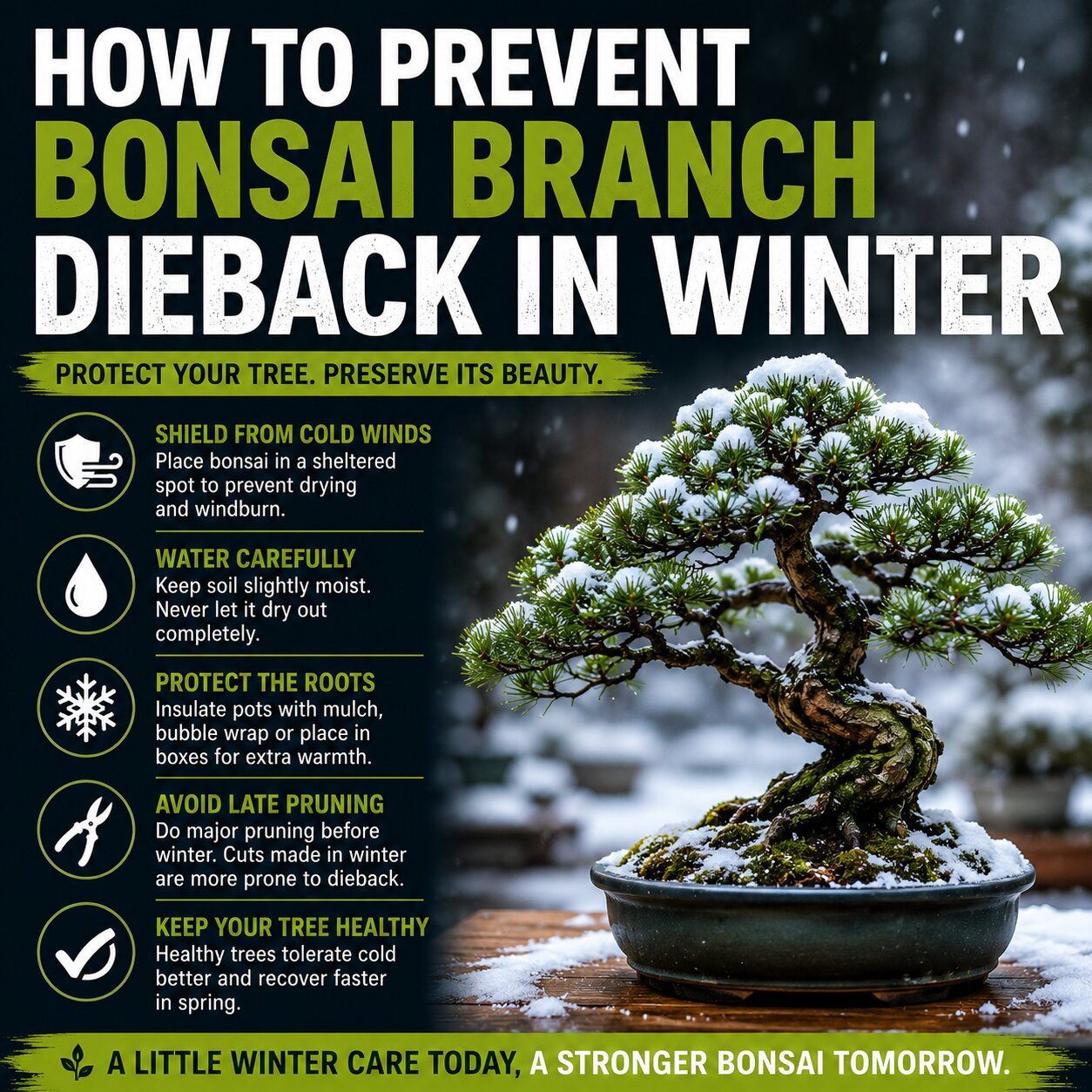
Winter can be one of the most challenging seasons for bonsai trees, especially when temperatures drop dramatically or weather conditions become unpredictable. One common issue many bonsai enthusiasts face during colder months is branch dieback. Understanding how to prevent bonsai branch dieback in winter is essential for protecting the health, structure, and long-term beauty of your tree.
Branch dieback occurs when sections of a bonsai stop receiving the nutrients and moisture they need to survive. Twigs and branches begin drying out, turning brittle, and eventually dying. While some species naturally reduce growth during dormancy, severe dieback often signals environmental stress or improper winter care.
Fortunately, with proper preparation and seasonal maintenance, bonsai owners can significantly reduce the risk of winter branch damage.
Why bonsai branch dieback happens in winter
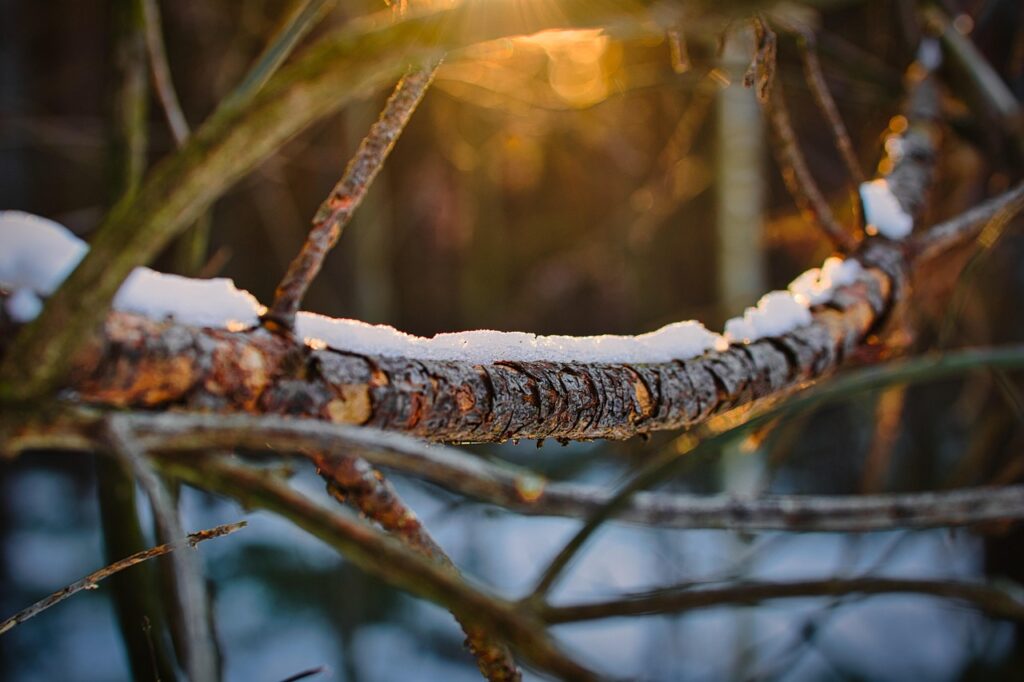
Several winter conditions can contribute to branch dieback in bonsai trees. Because bonsai are grown in shallow containers, their roots and branches are far more exposed to harsh temperatures than trees planted directly in the ground.
Cold winds, frost, frozen soil, poor watering practices, and sudden temperature changes can all weaken a tree during dormancy. If the roots become damaged or unable to absorb moisture properly, branches may slowly begin to die back.
Some common causes include:
- Frozen root systems
- Excessively dry soil
- Strong winter winds
- Frost damage
- Poor drainage
- Sudden temperature fluctuations
- Weak or unhealthy trees entering winter
Understanding these risks is the first step in learning how to prevent bonsai branch dieback in winter.
Protect bonsai trees from freezing winds
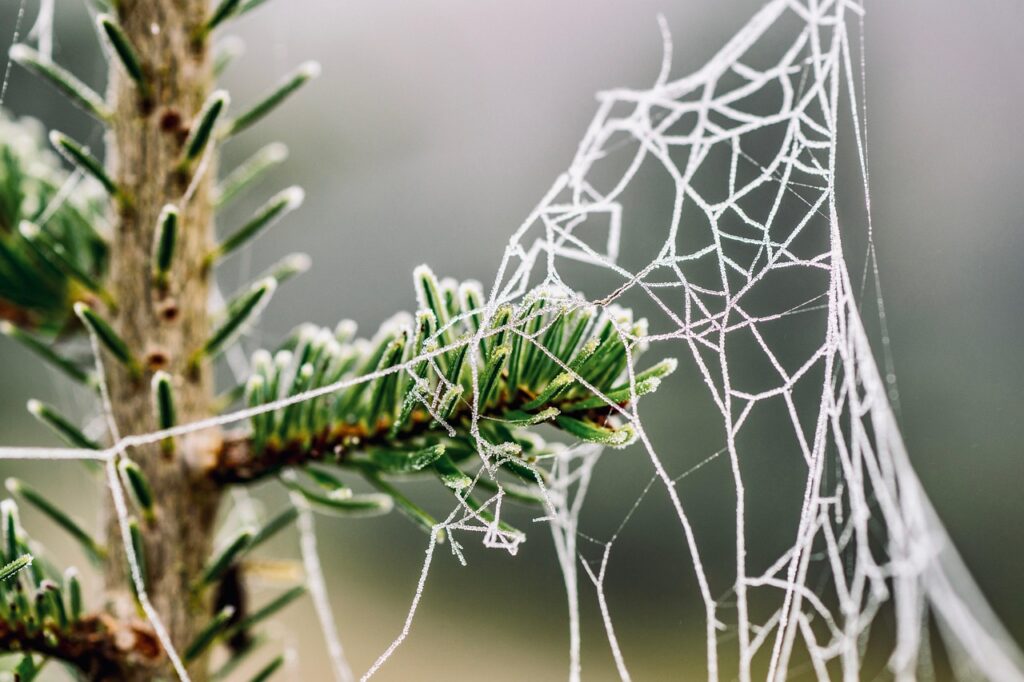
One of the biggest threats during winter is cold, drying wind. Even hardy outdoor bonsai species can suffer branch dehydration when exposed to freezing air for long periods.
Use sheltered locations
Move bonsai trees into protected areas such as:
- Against a wall
- Under benches
- Inside cold frames
- In unheated greenhouses
- Beneath shade cloth barriers
These locations help reduce direct wind exposure while still allowing the tree to experience natural winter dormancy.
Avoid warm indoor environments
Outdoor bonsai species should generally not be moved into heated indoor rooms during winter. Sudden warmth can interrupt dormancy and weaken the tree further.
The goal is protection from extreme exposure rather than complete warmth.
Maintain proper winter watering
Many bonsai owners accidentally underwater their trees during winter because growth slows significantly. However, dormant bonsai still require moisture to keep roots and branches healthy.
Monitor soil moisture carefully
Allowing the soil to dry out completely can contribute to branch dieback. Check moisture levels regularly and water when the soil begins to feel slightly dry beneath the surface.
Prevent waterlogging
Overwatering can be equally dangerous. Frozen or constantly wet soil may damage roots and lead to rot, preventing the tree from transporting nutrients properly.
Good drainage remains critical throughout winter.
Mulching and insulation help protect roots
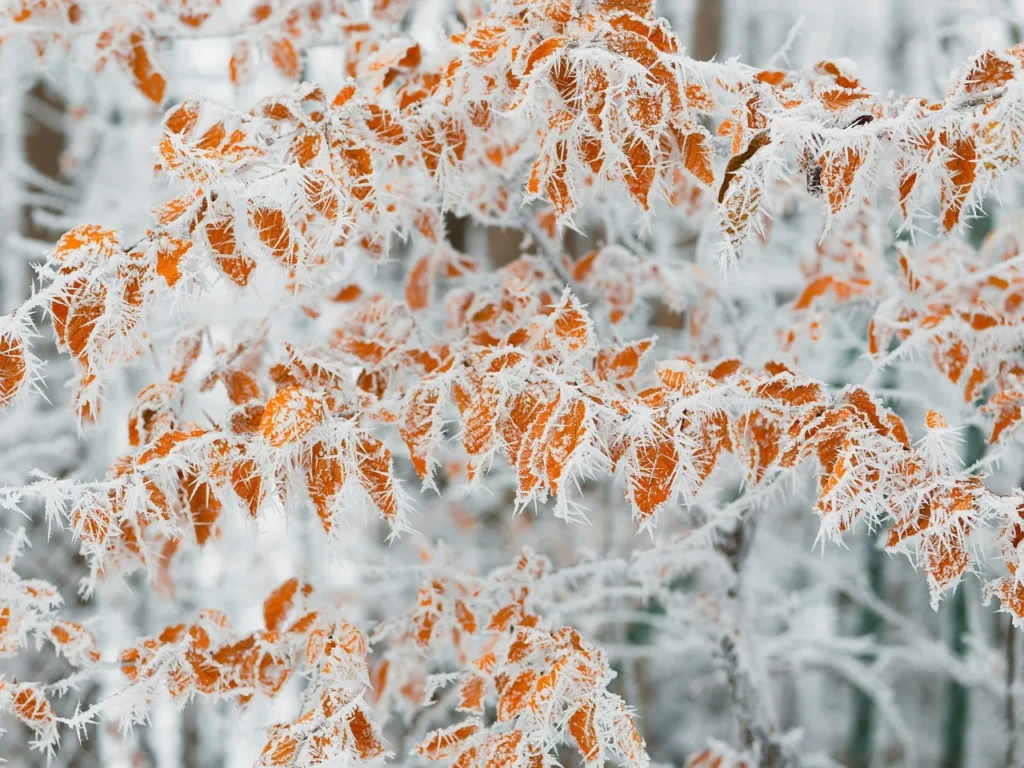
Healthy roots are essential for preventing bonsai branch dieback in winter. Since bonsai containers provide limited insulation, root systems can freeze much faster than normal trees.
Adding insulation around the pot can help stabilise soil temperatures.
Effective insulation methods
Some bonsai enthusiasts use:
- Mulch around pots
- Bubble wrap around containers
- Wooden boxes filled with bark or straw
- Grouping trees together for shared protection
These methods help reduce sudden freezing and thawing cycles that stress root systems.
Avoid heavy pruning before winter
Pruning weakens a bonsai temporarily, making it more vulnerable to harsh winter conditions. Heavy pruning late in autumn or early winter may increase the risk of branch dieback.
Instead, focus on:
- Removing dead branches only
- Performing structural pruning earlier in the growing season
- Allowing the tree time to recover before dormancy
Healthy, vigorous trees are far more resistant to winter stress.
Keeping bonsai healthy through winter
Learning how to prevent bonsai branch dieback in winter comes down to balancing protection, moisture, insulation, and proper seasonal care. Bonsai trees are resilient when prepared correctly, but their shallow containers make them more vulnerable to winter extremes than full-sized trees.
By protecting roots, sheltering trees from freezing winds, maintaining careful watering routines, and avoiding unnecessary stress, bonsai owners can help their trees survive winter safely and emerge healthy in spring.