
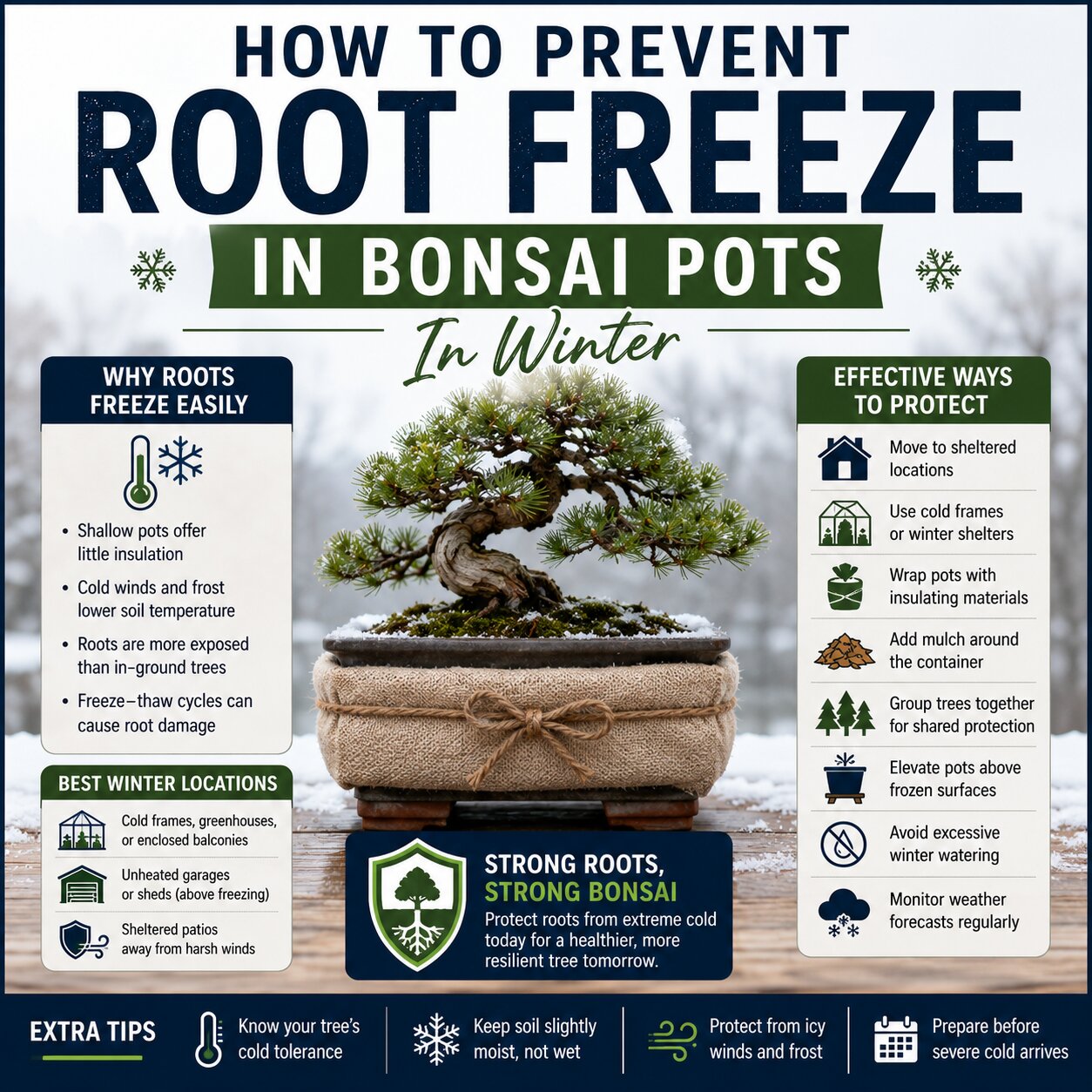
Winter can be one of the most dangerous seasons for bonsai trees, especially when temperatures drop low enough to cause root freeze inside their pots. Unlike trees planted in the ground, bonsai trees have limited soil insulation, leaving their delicate root systems far more exposed to harsh cold conditions.
When roots freeze completely, they can no longer absorb water or nutrients properly, which may lead to severe stress, root damage, or even the death of the bonsai tree. Preventing root freeze is therefore one of the most important aspects of winter bonsai care.
Fortunately, with proper preparation and protection methods, bonsai owners can help their trees survive winter safely while maintaining healthy root systems until spring returns.
Why bonsai roots freeze more easily
Bonsai pots are shallow and contain far less soil than regular garden planting areas. In nature, the ground acts as insulation, helping protect roots from extreme temperature fluctuations. Bonsai containers do not provide the same level of protection.
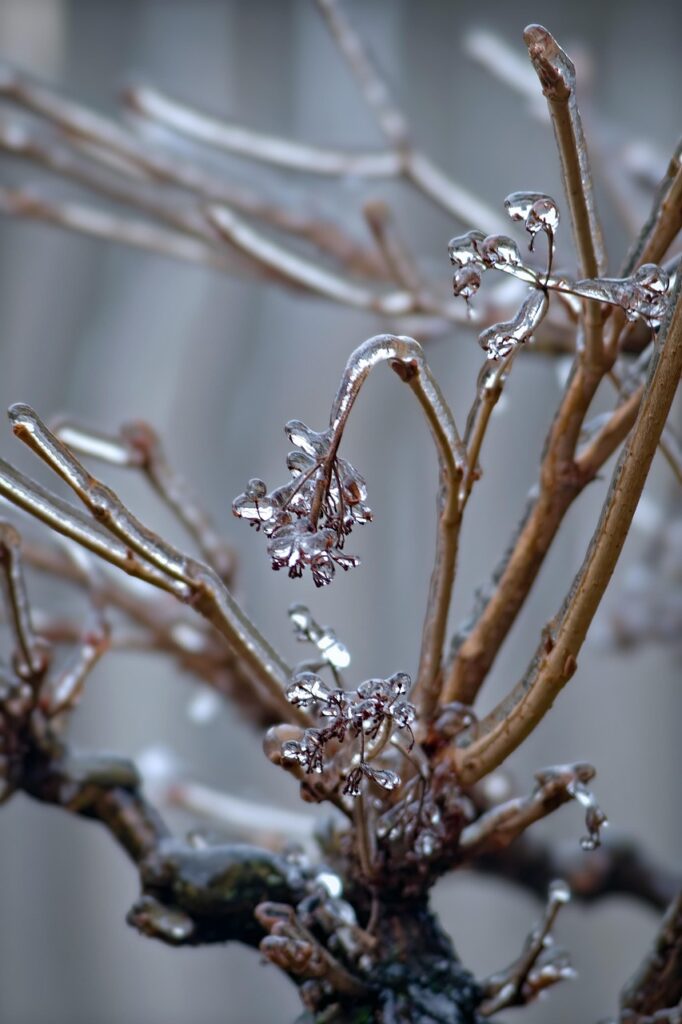
Cold winds, frost, icy rain, and freezing overnight temperatures can quickly lower soil temperatures inside the pot. Smaller pots freeze even faster because there is less soil mass available to retain warmth.
Repeated freezing and thawing cycles can also damage roots by causing soil expansion and moisture imbalance. This can weaken the bonsai tree over time and increase vulnerability to disease or dehydration.
Understanding these risks helps bonsai owners take the right steps before severe winter weather arrives.
Effective ways to protect bonsai roots in winter
There are several practical methods bonsai enthusiasts can use to reduce the risk of root freeze during winter.
Some of the most effective strategies include:
- Moving bonsai trees into sheltered locations
- Using cold frames or winter shelters
- Wrapping pots with insulating materials
- Placing mulch around bonsai containers
- Grouping bonsai trees together for shared protection
- Elevating pots slightly above frozen surfaces
- Avoiding excessive winter watering
- Monitoring weather forecasts regularly
These protective measures help stabilise soil temperatures and reduce exposure to severe freezing conditions.
Combining multiple protection methods often provides the best results during especially cold winters.
Choosing the right winter location
One of the simplest ways to protect bonsai roots is by moving trees into safer winter environments. Sheltered patios, garages, greenhouses, enclosed balconies, or cold frames can significantly reduce exposure to freezing winds and frost.
Outdoor bonsai trees should still experience winter dormancy if they are cold-hardy species, but they do not necessarily need to remain fully exposed to extreme weather conditions.
Avoid placing bonsai trees inside overly heated rooms unless they are tropical species. Excess warmth can interfere with dormancy cycles and create additional stress for temperate bonsai varieties.
The goal is to provide cold protection without forcing the tree out of its natural seasonal resting phase.
Helping bonsai trees survive winter safely

Preventing root freeze is essential for keeping bonsai trees healthy during winter. While cold-hardy species can tolerate lower temperatures, their shallow pots still leave roots vulnerable compared to trees growing naturally in the ground.
By using insulation methods, improving shelter, monitoring moisture carefully, and preparing early before severe weather arrives, bonsai owners can greatly improve winter survival rates.
Healthy roots form the foundation of every successful bonsai tree. Protecting them during winter ensures stronger growth, better recovery, and a healthier bonsai once spring begins again.