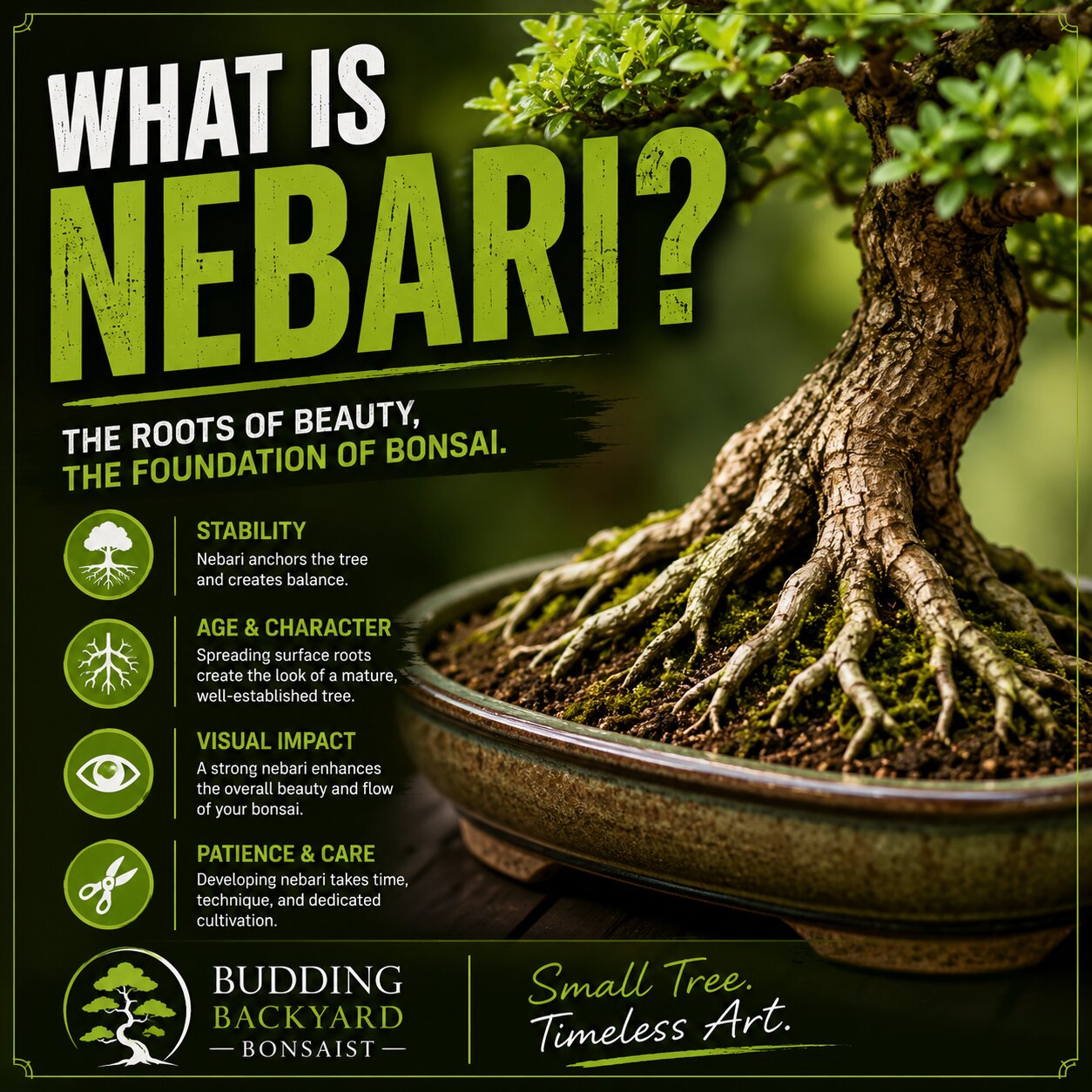
One of the first features experienced bonsai enthusiasts notice is the tree’s nebari. Although many beginners focus on the trunk, branches or foliage, nebari plays an equally important role in creating the appearance of a mature, stable and natural-looking bonsai. Developing strong surface roots takes time and patience, but the results can dramatically improve the overall quality of a tree.
Why Nebari Is Important in Bonsai
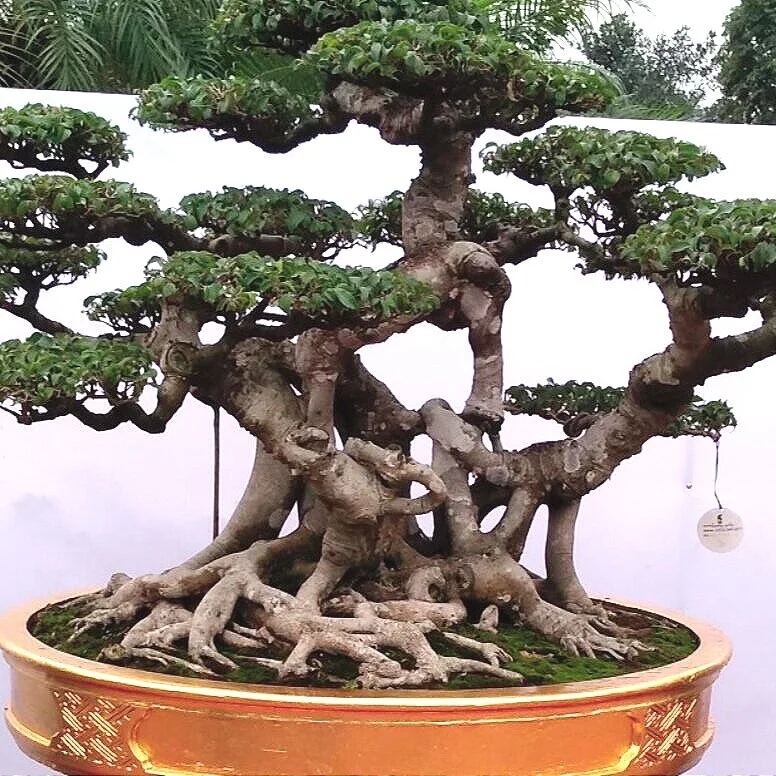
Nebari is the Japanese term used to describe the visible surface roots that spread outward from the base of a bonsai tree. These roots create the impression that the tree is firmly anchored to the ground, giving it strength, balance and age.
In nature, mature trees gradually develop extensive root systems that become visible above the soil over many years. Bonsai artists seek to recreate this appearance on a much smaller scale by carefully encouraging roots to spread evenly in all directions.
A well-developed nebari enhances the visual flow between the roots, trunk and soil surface. Ideally, the roots should radiate naturally from the trunk without crossing over one another or creating large gaps. Even root distribution contributes to the tree’s stability while improving its aesthetic appeal.
Creating attractive nebari often involves root pruning, careful repotting and selecting suitable growing techniques over multiple years. Some species naturally develop impressive surface roots more readily than others, while certain cultivation methods can accelerate their development.
Although nebari requires patience, it is considered one of the defining characteristics of a high-quality bonsai. It demonstrates years of careful cultivation and contributes significantly to the illusion of a full-sized, ancient tree growing in miniature.
Final Thoughts
Nebari forms the foundation of every exceptional bonsai. By encouraging healthy, evenly distributed surface roots, growers create trees that appear stronger, older and more natural. Developing excellent nebari may take time, but it remains one of the most rewarding aspects of bonsai cultivation.