
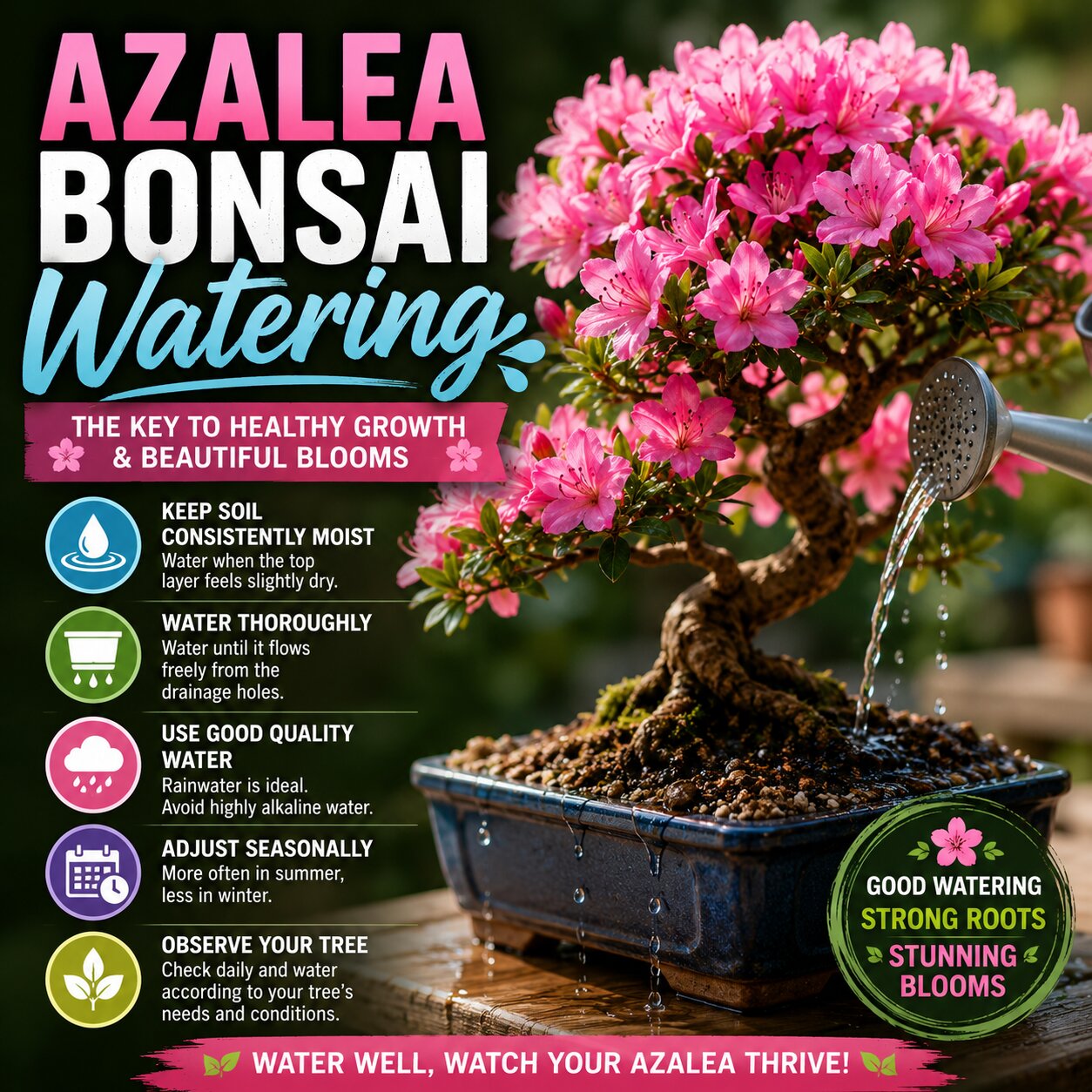
Proper Azalea bonsai watering is one of the most important aspects of maintaining a healthy and vibrant bonsai tree. Azaleas are well known for their spectacular flowers and lush foliage, but they are also sensitive to inconsistent watering. Too little water can quickly stress the tree, while excessive watering may lead to root problems.
Learning when and how to water your azalea bonsai will help promote vigorous growth, abundant flowering and long-term health. Rather than following a fixed schedule, successful watering depends on observing your tree and understanding its changing needs throughout the seasons.
With the right approach, your azalea bonsai can remain beautiful year after year.
Understanding Your Azalea’s Water Needs
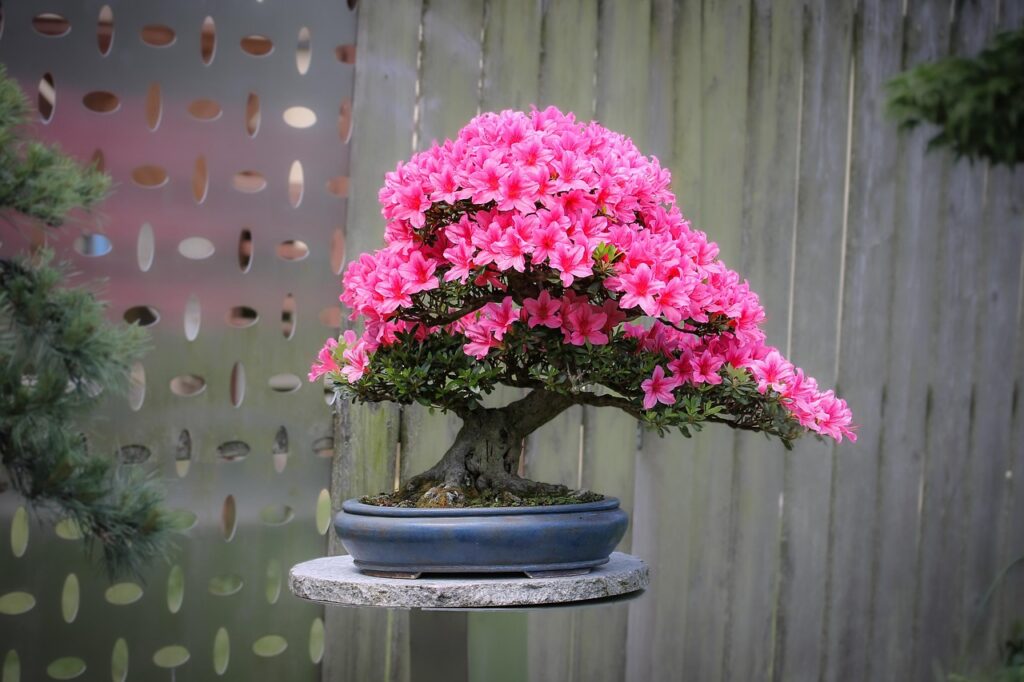
Azalea bonsai prefer consistently moist soil, but they should never sit in waterlogged conditions. Their fine root systems require both moisture and oxygen, making well-draining bonsai soil essential.
Instead of watering every day automatically, check the soil regularly by feeling the top layer with your finger. When the surface begins to feel slightly dry, it is usually time to water thoroughly.
Environmental conditions such as temperature, humidity, sunlight and wind all influence how quickly the soil dries. During hot summer weather, your bonsai may require watering more than once a day, while winter often requires much less frequent watering.
Observing the tree daily remains the most reliable method.
Best Practices for Azalea Bonsai Watering
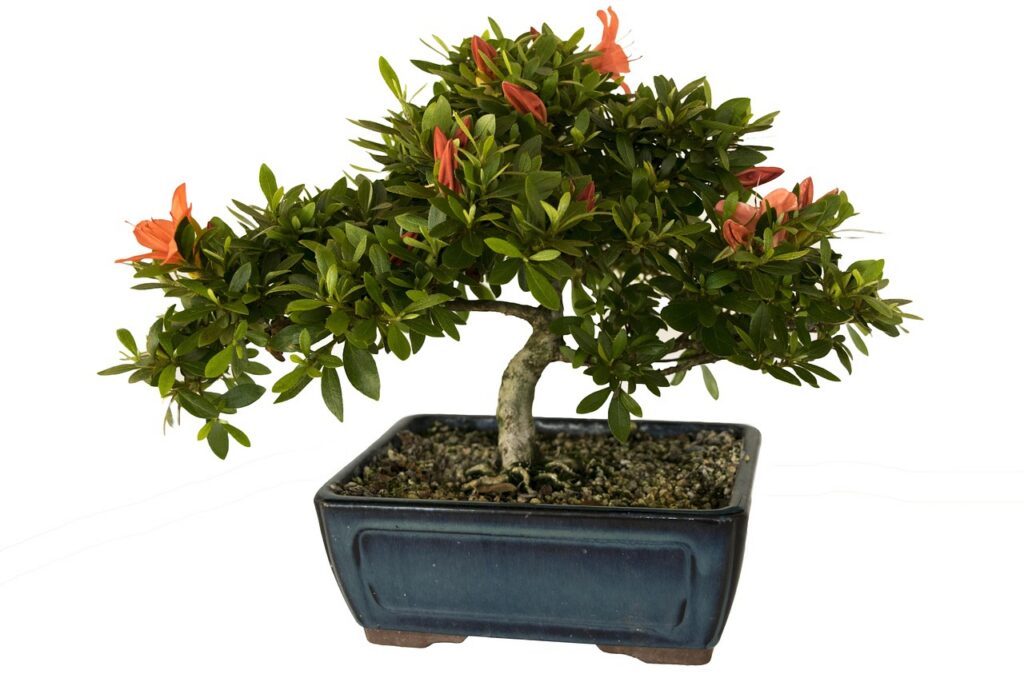
Effective Azalea bonsai watering focuses on thoroughly soaking the root system rather than applying small amounts of water.
A gentle watering can or hose fitted with a fine rose helps prevent soil disturbance while ensuring even moisture throughout the pot.
Some useful watering practices include:
- Water until it flows freely from the drainage holes.
- Check soil moisture before watering again.
- Use rainwater where possible if local tap water is highly alkaline.
- Avoid allowing the soil to dry out completely.
- Ensure excellent drainage to prevent root rot.
Following these habits helps maintain healthy roots while reducing the risk of common watering problems.
Seasonal Watering Adjustments
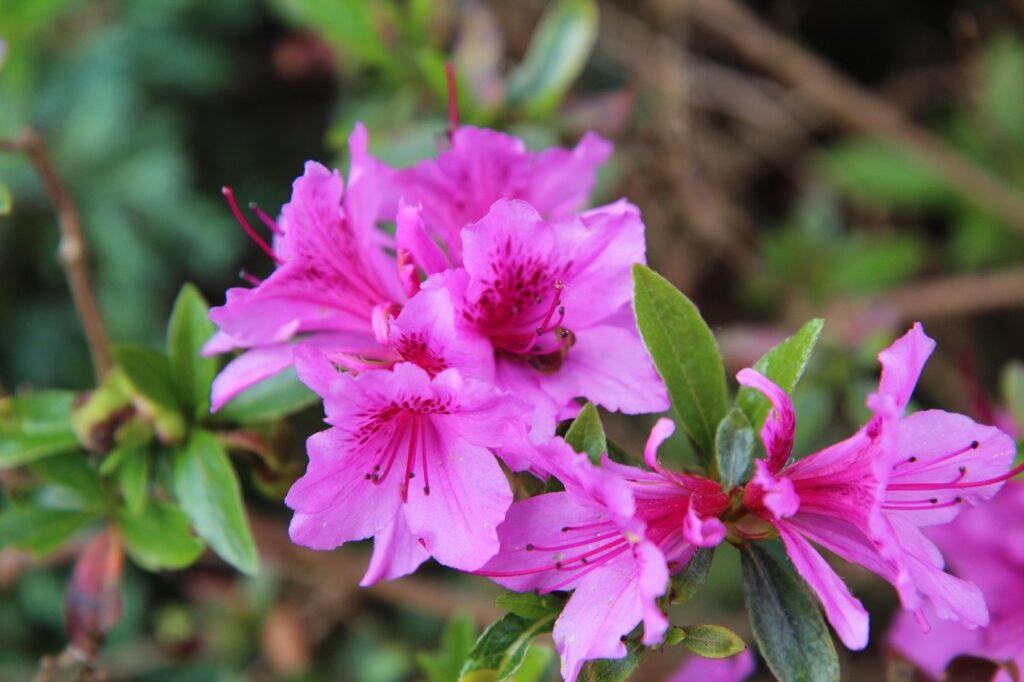
Your azalea bonsai watering requirements change significantly throughout the year. During spring, active growth and flower production increase water consumption considerably.
Summer often demands the most attention, particularly during periods of intense heat when bonsai containers dry rapidly. Frequent monitoring becomes essential to prevent dehydration.
In autumn, watering gradually decreases as growth slows and temperatures become cooler.
Winter requires the least water, but the soil should never be allowed to become completely dry. Even dormant bonsai continue using moisture, although at a much slower rate.
Adapting your watering routine to seasonal conditions is far more effective than following a rigid schedule.
Healthy Watering Creates Beautiful Blooms
Successful Azalea bonsai watering combines observation, consistency and good horticultural practices. Every tree grows in slightly different conditions, making regular monitoring far more valuable than relying on fixed routines.
By providing thorough watering whenever the soil begins to dry, maintaining excellent drainage and adjusting for seasonal changes, you can encourage healthy roots, lush foliage and spectacular flowering displays.
Mastering Azalea bonsai watering techniques is one of the simplest yet most rewarding ways to ensure your azalea bonsai continues to thrive for many years to come.