
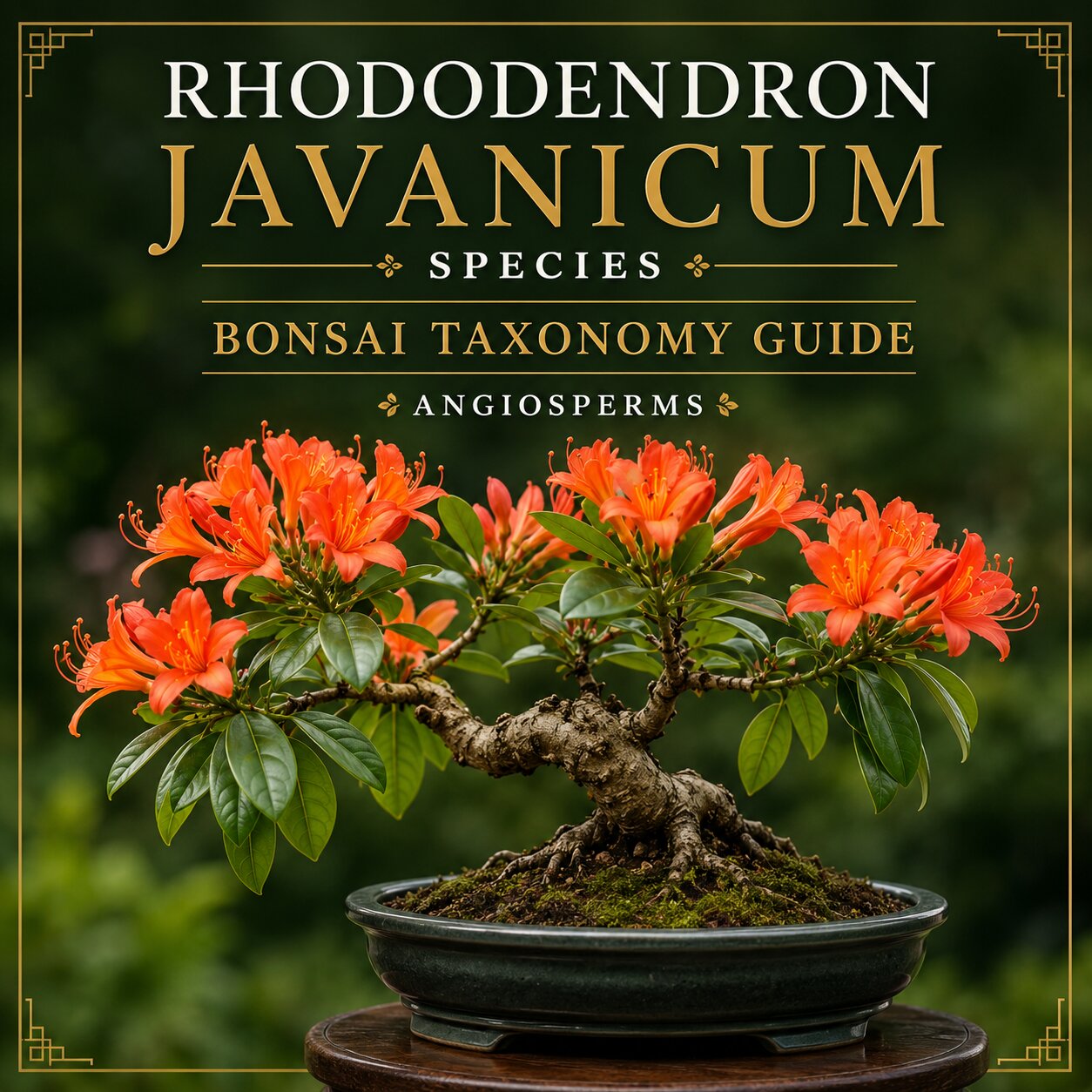
Rhododendron javanicum is a fascinating tropical species within the Vireya Rhododendron group, known for its vibrant flowers, epiphytic growth habit, and adaptation to warm rainforest environments. Unlike the cold-climate rhododendrons commonly found in Europe and North America, this species thrives in the humid forests of Southeast Asia, where it grows on trees, rocky outcrops, and well-drained volcanic soils.
Classified within Rhododendron subgenus Rhododendron, section Vireya, and subsection Euvireya, Rhododendron javanicum represents one of the most recognisable members of the tropical Vireya rhododendrons. Its striking orange blooms, evergreen foliage, and diverse subspecies have made it an important species for botanical study and ornamental cultivation.
This Rhododendron javanicum species taxonomy guide explores its classification, botanical characteristics, natural distribution, ecological adaptations, and recognised subspecies. Whether you are researching tropical rhododendrons, expanding your knowledge of Vireya species, or investigating plants suitable for specialised bonsai cultivation, understanding Rhododendron javanicum provides valuable insight into one of Southeast Asia’s most remarkable flowering shrubs.
Table of Contents
Taxonomy
– Kingdom: Plantae (Plant Kingdom)
— Clade: Embryophytes (Land Plants)
— Clade: Polysporangiophytes (Multiple Sporangia)
—- Clade: Tracheophytes (Vascular Plants)
—– Superdivision: Spermatophytes (Seed Plants)
—— Clade: Angiospermae (Flowering Plants)
——- Division: Eudicots (True Dicotyledons)
——– Subdivision: Core Eudicots
——— Class: Superasterids (Advanced Flowering Plants)
———- Subclass: Asterids (Unified-Flowering Plants)
———– Order: Ericales (Heath and Tea)
———— Family: Ericaceae (Heath)
————- Subfamily: Ericoideae (Heath)
————– Tribe: Rhodoreae (Rhododendron)
————— Genus: Rhododendron
————— Subgenus: Rhododendron (Lepidote Rhododendrons)
—————- Section: Vireya (Tropical Rhododendrons)
—————– Subsection: Euvireya (Uniform-Scale Vireya Rhododendrons)
—————–- Species: Rhododendron Javanicum (Vireya Rhododendron)
What Is Rhododendron Javanicum?
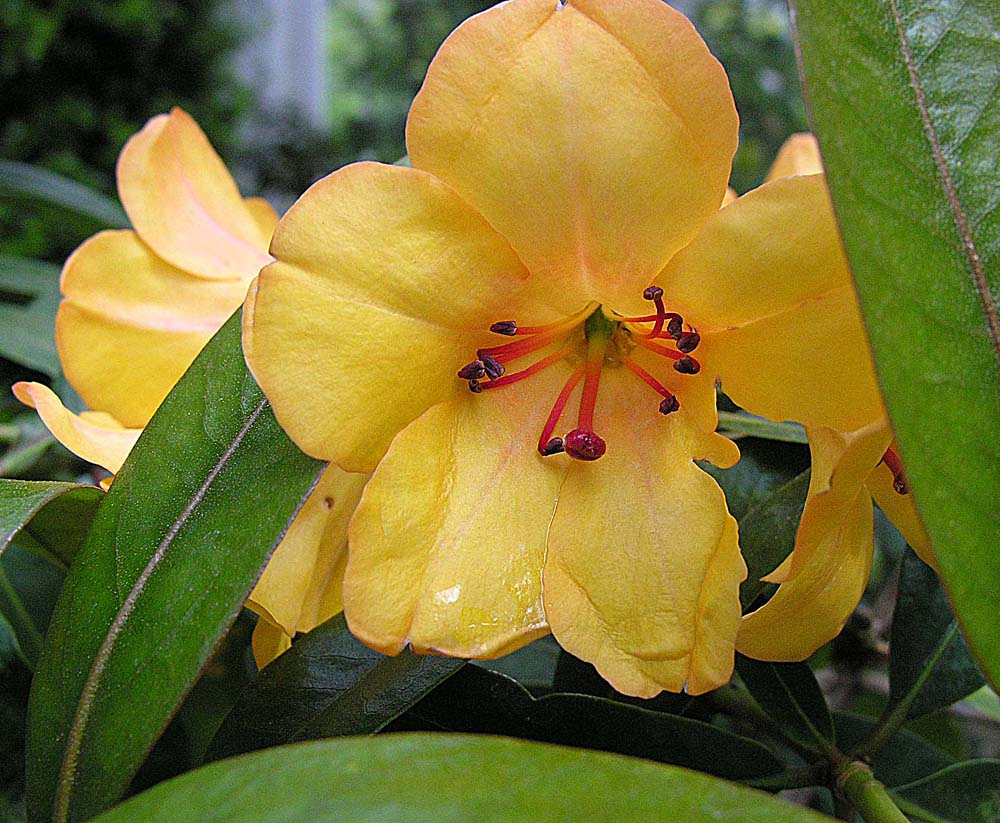
Rhododendron javanicum is a tropical evergreen flowering shrub belonging to the family Ericaceae and the Vireya Rhododendron group. Native to Southeast Asia, it is found across Indonesia, Malaysia, and parts of the Philippines, where it grows in warm, humid rainforest environments. Unlike many rhododendron species that are adapted to cool mountain climates, Rhododendron javanicum thrives in tropical conditions and is often found growing as an epiphyte on trees or as a terrestrial shrub in well-drained soils.
The species is classified within Rhododendron subgenus Rhododendron, section Vireya, and subsection Euvireya. These classifications place it among a unique group of tropical rhododendrons commonly known as Vireya rhododendrons. Members of this group are distinguished by their preference for high humidity, excellent drainage, and year-round growing conditions.
One of the most recognisable features of Rhododendron javanicum is its spectacular floral display. The plant typically produces clusters of bright orange flowers, although some populations may display red, reddish-orange, or bi-coloured blooms. These striking flowers have made the species popular among collectors and botanical gardens throughout the world.
In its natural habitat, Rhododendron javanicum can reach heights of up to five metres, forming a large shrub or small tree. Its adaptability, attractive flowers, and ecological importance have established it as one of the best-known species within the Vireya Rhododendron group.
Taxonomic Classification Of Rhododendron Javanicum
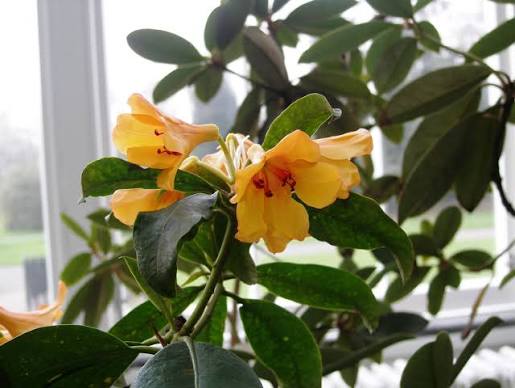
The scientific classification of Rhododendron javanicum places it within a diverse group of flowering plants that includes rhododendrons, azaleas, heaths, and blueberries. As a member of the tropical Vireya rhododendrons, it differs significantly from many of its temperate relatives through its adaptation to warm rainforest environments and epiphytic growth habits.
Within the genus Rhododendron, the Vireya group represents a specialised lineage that evolved primarily throughout Southeast Asia, New Guinea, and neighbouring tropical regions. These species are commonly referred to as Vireya Rhododendrons, a name widely used in horticulture and botanical literature.
The species was originally described from specimens collected in the Indonesian archipelago and derives its name from Java, one of the islands where it naturally occurs. Modern taxonomic studies recognise Rhododendron javanicum as a highly variable species with numerous subspecies distributed across different islands and mountain regions throughout Southeast Asia.
Its placement within subsection Euvireya reflects shared characteristics with related tropical rhododendrons, including evergreen foliage, epiphytic tendencies, and brightly coloured tubular flowers adapted for pollination by birds and insects in rainforest ecosystems.
Botanical Description And Distinguishing Characteristics
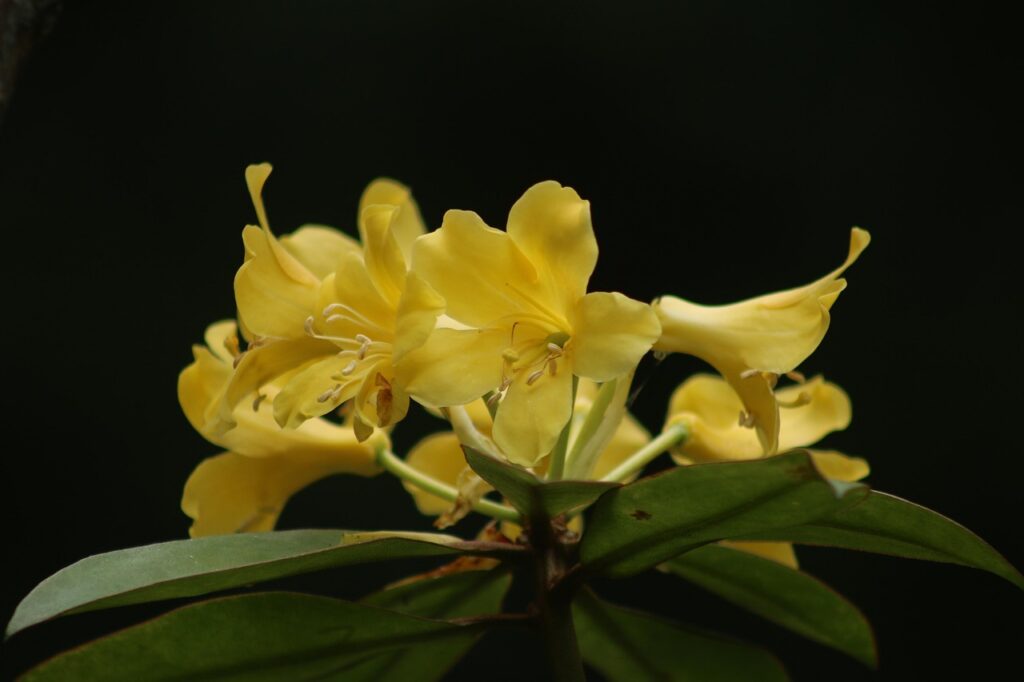
Rhododendron javanicum is one of the most visually striking members of the Vireya Rhododendron group. Adapted to tropical rainforest conditions, it displays several characteristics that distinguish it from the temperate rhododendrons commonly cultivated in gardens throughout Europe and North America. Its evergreen foliage, vibrant flowers, and ability to grow both terrestrially and epiphytically have contributed to its popularity among botanists and plant collectors alike.
Overall Plant Structure
In its natural habitat, Rhododendron javanicum typically develops as a large evergreen shrub or small tree. Mature specimens may reach heights of up to five metres, although growth varies depending on local environmental conditions and available support structures.
The species often exhibits an open, spreading growth habit with multiple woody stems branching from the base. Epiphytic individuals may develop a more irregular form as they adapt to growing on tree trunks and branches rather than in the ground.
Its bark is generally smooth to slightly textured when young, becoming rougher as the plant matures. New growth often appears lighter in colour before gradually hardening and darkening.
Leaves And Foliage Characteristics
The foliage of Rhododendron javanicum remains evergreen throughout the year, allowing the plant to continuously photosynthesise in tropical environments where seasonal temperature changes are minimal.
Leaves are typically leathery and somewhat glossy, providing protection against moisture loss and heavy rainfall. Their shape ranges from elliptical to lanceolate, with entire margins and a prominent central vein visible on both surfaces.
Leaf colour is usually deep green, creating an attractive contrast against the species’ brightly coloured flowers. The dense foliage also provides shelter for small insects and contributes to the ecological value of the plant within rainforest ecosystems.
Flower Structure And Appearance
The flowers are the most distinctive feature of Rhododendron javanicum. They are typically produced in terminal clusters at the ends of branches, creating large and colourful floral displays that can be seen from considerable distances within the forest canopy.
Individual flowers are funnel-shaped to tubular, with five spreading lobes that form a broad floral opening. The most common flower colour is bright orange, although red, reddish-orange, yellow-orange, and bi-coloured forms are also known from different populations and subspecies.
The stamens extend beyond the petals, a characteristic commonly observed among Vireya rhododendrons. These prominent reproductive structures help facilitate pollination by birds and insects attracted to the brightly coloured blooms.
Distinguishing Features From Other Vireya Rhododendrons
Several characteristics help distinguish Rhododendron javanicum from related Vireya species. Its combination of large growth potential, vivid orange flowers, and widespread geographic distribution makes it one of the most recognisable tropical rhododendrons.
The species is also notable for its ability to thrive both as a terrestrial plant and as an epiphyte. This ecological flexibility is less common among many related species and has contributed to its success across a variety of habitats throughout Southeast Asia.
The presence of numerous recognised subspecies, each displaying subtle differences in flower colour, growth habit, and geographic distribution, further highlights the remarkable diversity found within Rhododendron javanicum.
Growth Habit, Epiphytic Adaptations, And Mature Size
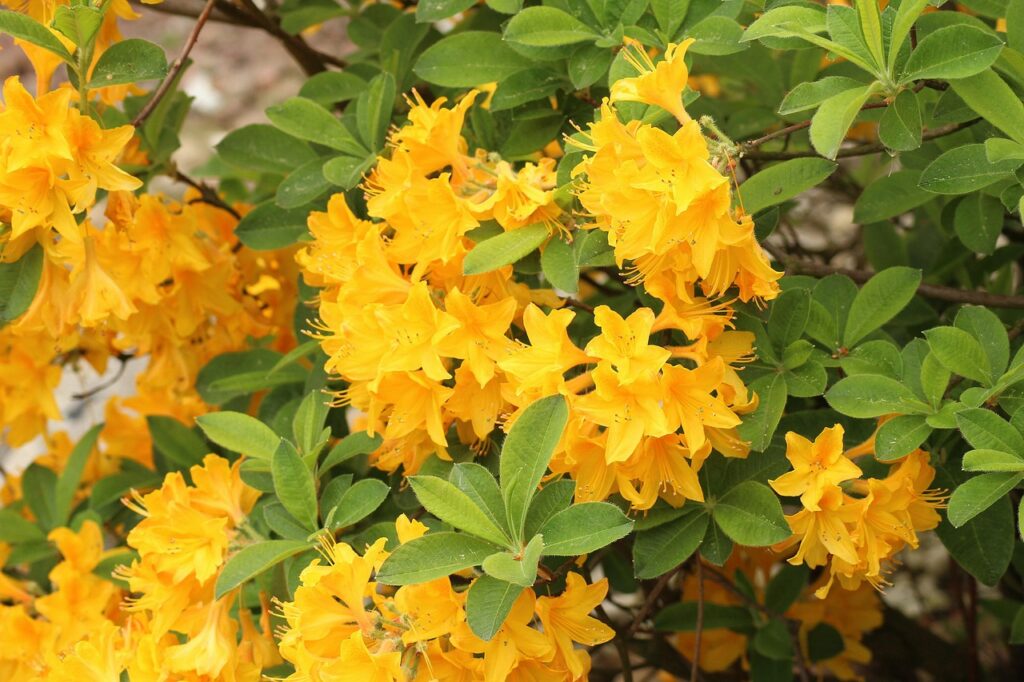
One of the most interesting aspects of Rhododendron javanicum is its remarkable adaptability to different growing environments. Unlike many shrubs that rely entirely on soil-based root systems, this species can grow both terrestrially and epiphytically, allowing it to thrive in a wide range of tropical rainforest habitats. These adaptations have helped it establish populations across numerous islands and mountainous regions throughout Southeast Asia.
Natural Growth Habit
In the wild, Rhododendron javanicum typically develops as a large evergreen shrub or small tree. Its branching structure often becomes broad and irregular as it matures, particularly when growing among surrounding vegetation in dense forests.
Young plants usually display upright growth, but mature specimens may spread outward as branches search for available light beneath the rainforest canopy. The plant’s growth pattern can vary considerably depending on altitude, humidity, and available support structures.
This flexibility allows the species to occupy ecological niches that may be unsuitable for less adaptable plants.
Epiphytic Lifestyle And Adaptations
A defining characteristic of many Vireya rhododendrons is their ability to grow as epiphytes, and Rhododendron javanicum is no exception. Epiphytic specimens establish themselves on tree trunks, branches, moss-covered surfaces, and organic debris accumulated high above the forest floor.
Rather than drawing nutrients directly from a host tree, the plant collects moisture and organic matter from rainfall, decaying vegetation, and airborne particles. This strategy allows it to access sunlight while avoiding competition with larger ground-based plants.
Its root system is generally shallower and less extensive than that of many terrestrial shrubs, reflecting its adaptation to loose organic material and well-aerated growing conditions.
Terrestrial Growth Characteristics
Although often associated with epiphytic growth, the species is equally capable of growing in suitable soils. Terrestrial plants are commonly found in well-drained volcanic soils, forest clearings, and mountain slopes where moisture is abundant but waterlogging is rare.
When rooted in the ground, plants may develop slightly larger structures due to increased access to nutrients and water. However, they still require highly aerated growing conditions and generally do not tolerate compacted or poorly drained soils.
This preference for loose, acidic substrates remains a defining feature regardless of whether the plant grows on the ground or above it.
Mature Size And Growth Rate
Under favourable conditions, Rhododendron javanicum can reach heights of up to five metres. Some exceptional specimens may become small trees with substantial branching systems, particularly in undisturbed rainforest habitats.
Growth rates are generally moderate and depend heavily on environmental conditions such as humidity, temperature, and available nutrients. Consistently warm temperatures and high humidity encourage healthy development throughout the year.
In cultivation, plants are usually maintained at a much smaller size through pruning and container growing. This makes them suitable for specialist collections and, in some cases, tropical bonsai projects where their unique growth habit and spectacular flowers can be showcased on a smaller scale.
Leaf Structure, Evergreen Foliage, And Environmental Adaptations
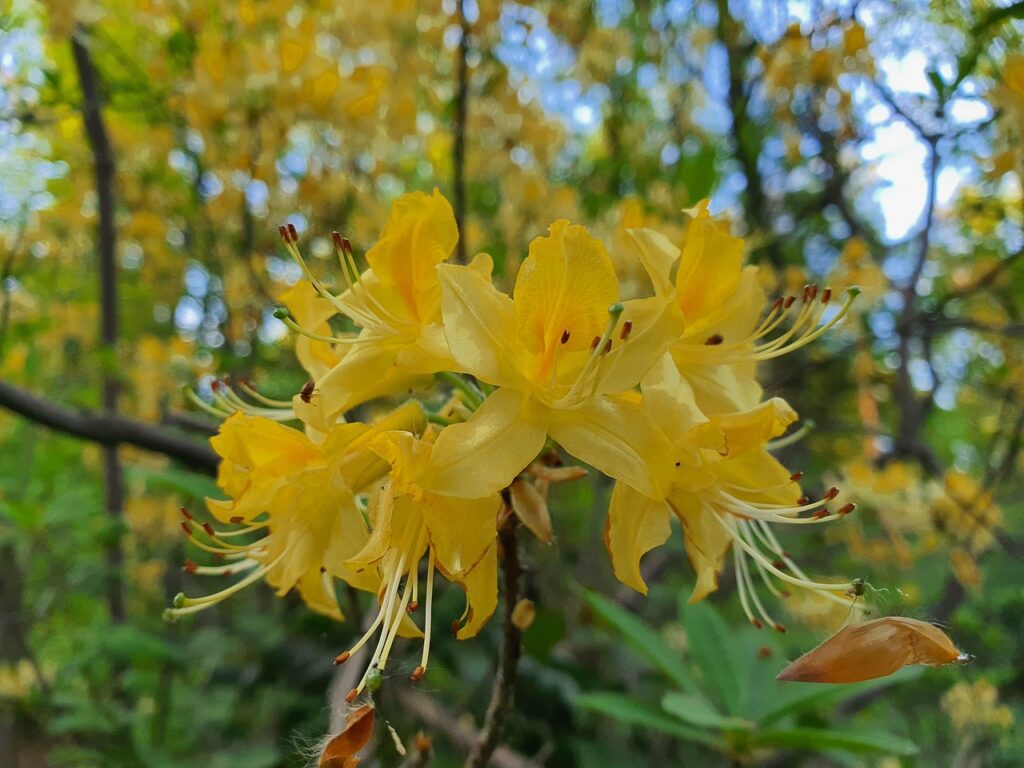
The foliage of Rhododendron javanicum plays a vital role in its survival across the humid tropical forests of Southeast Asia. Its leaves are adapted to cope with frequent rainfall, high humidity, varying light levels, and the challenges associated with both terrestrial and epiphytic growth. These adaptations have helped the species thrive in environments that differ significantly from those inhabited by temperate rhododendrons.
Leaf Shape And Physical Structure
The leaves of Rhododendron javanicum are typically elliptical to lance-shaped, with smooth margins and a leathery texture. This robust structure helps the plant withstand heavy tropical rainfall while reducing physical damage from wind and falling debris within rainforest ecosystems.
Leaf size can vary between subspecies and individual plants, but most specimens produce moderately sized foliage arranged alternately along the stems. The leaves are supported by short petioles and display a clearly visible central vein that contributes to efficient nutrient and water transport.
Their firm texture also helps the plant retain moisture during periods of reduced rainfall.
Evergreen Growth Characteristics
As an evergreen species, Rhododendron javanicum maintains its foliage throughout the year rather than shedding leaves seasonally. This characteristic is particularly advantageous in tropical regions where growing conditions remain relatively stable across the seasons.
Continuous leaf retention allows the plant to photosynthesise whenever conditions are favourable, supporting year-round growth and development. Rather than replacing its entire canopy at once, older leaves are gradually shed and replaced by new growth over time.
This strategy enables the plant to conserve resources while maintaining a consistent ability to produce energy.
Adaptations To Tropical Rainforest Conditions
The species exhibits several adaptations that help it flourish in rainforest habitats. The glossy surface often found on mature leaves assists with shedding excess water, reducing the risk of fungal infections and prolonged moisture retention.
Leaf orientation can also help maximise light capture beneath dense forest canopies where sunlight is often filtered through multiple layers of vegetation. In epiphytic specimens growing high in trees, foliage may receive greater exposure to sunlight while still benefiting from the humid conditions of the surrounding environment.
These adaptations allow the species to occupy a variety of ecological niches across its natural range.
Adaptations For Epiphytic Survival
Plants growing as epiphytes often face challenges associated with limited access to water and nutrients. The durable foliage of Rhododendron javanicum helps offset these limitations by reducing water loss and maintaining photosynthetic efficiency between rainfall events.
The leaves work alongside the plant’s specialised root system to support survival in organic debris, moss, and bark crevices. Their ability to remain functional throughout the year contributes significantly to the species’ success as both a terrestrial and epiphytic plant.
These environmental adaptations have played an important role in the widespread distribution of Rhododendron javanicum across Southeast Asia’s tropical forests.
Flower Characteristics, Colour Variations, And Pollination

The flowers of Rhododendron javanicum are among its most distinctive and celebrated features. Their brilliant colours, attractive forms, and ecological importance have made the species one of the most recognisable members of the Vireya Rhododendron group. Flowering displays can transform a mature plant into a striking focal point within both natural rainforest habitats and cultivated collections.
Flower Structure And Appearance
Rhododendron javanicum produces flowers in terminal clusters at the ends of branches, creating dense and highly visible floral displays. Individual flowers are typically funnel-shaped to tubular, with five spreading lobes that form an open floral face.
The blooms are relatively large compared to the foliage and often appear in clusters containing multiple flowers. Long, prominent stamens extend beyond the petals, giving the flowers an elegant and somewhat exotic appearance that is characteristic of many Vireya rhododendrons.
The bright colouring and elevated position of the flower clusters make them highly visible to potential pollinators within the rainforest environment.
Natural Colour Variations
Although the species is most commonly associated with vivid orange flowers, Rhododendron javanicum exhibits considerable colour variation throughout its natural range. Flower colours can range from yellow-orange and deep orange to reddish-orange and bright red.
Some populations, particularly those found in the Philippines, have been reported to produce striking bi-coloured blooms that combine multiple shades within a single flower. These variations are one reason why the species remains popular among collectors and plant breeders.
The diversity of flower colours observed across different regions has also contributed to the recognition of several subspecies within the broader Rhododendron javanicum complex.
Flowering Season And Blooming Behaviour
In tropical environments, flowering can occur at various times of the year depending on local climate conditions, altitude, and rainfall patterns. However, many cultivated specimens are known for producing their most impressive displays during periods that correspond with seasonal growth cycles.
Healthy plants may produce numerous flower clusters simultaneously, creating spectacular displays that can last for several weeks. Consistent warmth, humidity, and adequate light are important factors that support reliable flowering.
Because the species is evergreen, it can direct resources toward flower production without the need to first regenerate seasonal foliage.
Pollination And Ecological Importance
The brightly coloured flowers of Rhododendron javanicum are adapted to attract a range of pollinators. Their vivid orange and red hues are particularly effective at drawing the attention of birds, while insects such as bees and other nectar-feeding species may also contribute to pollination.
The extended stamens and accessible floral structure help facilitate the transfer of pollen between flowers as pollinators move from plant to plant. Successful pollination leads to seed production, supporting the long-term survival and genetic diversity of wild populations.
Within tropical rainforest ecosystems, the species contributes valuable nectar resources and forms part of the complex relationships between flowering plants and their pollinators. These interactions help maintain biodiversity and support the ecological health of the environments where Rhododendron javanicum naturally occurs.
Native Distribution, Tropical Rainforest Habitat, And Ecological Significance
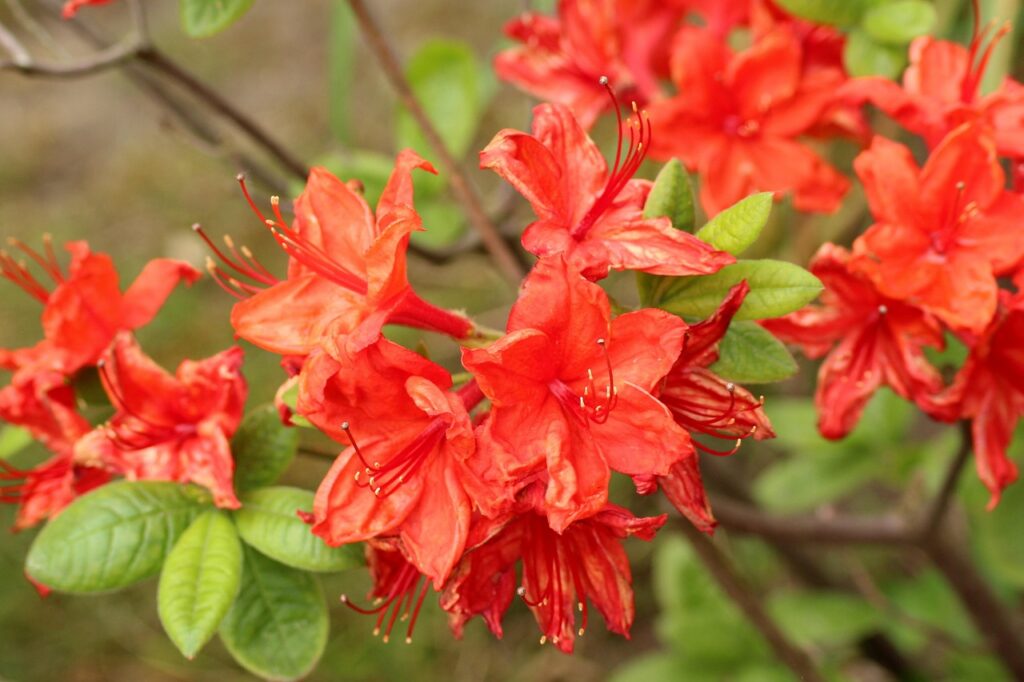
Rhododendron javanicum is one of the most widely distributed species within the Vireya Rhododendron group. Its natural range extends across several regions of Southeast Asia, where it occupies diverse tropical habitats from lowland forests to mountainous environments. The species has successfully adapted to a variety of ecological conditions, contributing to its widespread occurrence and evolutionary success.
Geographic Distribution Across Southeast Asia
The natural range of Rhododendron javanicum includes Indonesia, Malaysia, and the Philippines. Populations occur on numerous islands throughout the region, including Java, Sumatra, Borneo, Palawan, Sulawesi, and parts of the Lesser Sunda Islands.
This broad distribution has exposed different populations to varying climates, elevations, and ecological pressures over time. As a result, regional differences have developed within the species, leading to the recognition of several subspecies that occupy specific geographic areas.
Its presence across multiple island systems makes Rhododendron javanicum an important species for understanding plant evolution and biogeography within Southeast Asia.
Tropical Rainforest Habitat Preferences
The species is most commonly associated with humid tropical rainforests where temperatures remain relatively stable throughout the year. These environments provide the warmth, moisture, and filtered light conditions necessary for healthy growth.
Many populations occur in montane and cloud forest regions where humidity levels remain consistently high. Frequent rainfall and abundant organic matter create ideal conditions for both terrestrial and epiphytic growth forms.
Whether growing on the forest floor or attached to tree trunks and branches, the species relies on excellent drainage and constant access to atmospheric moisture.
Elevation And Environmental Conditions
Rhododendron javanicum can be found across a range of elevations, from lower tropical forests to cooler mountain habitats. Higher elevation populations often benefit from persistent cloud cover and mist, which help maintain the humid conditions favoured by Vireya rhododendrons.
These habitats typically feature acidic growing media formed from decomposing vegetation, mosses, and organic debris. The species has adapted to environments where nutrients may be limited but moisture remains abundant.
Its ability to thrive under varying light levels also allows it to occupy different positions within the rainforest ecosystem, from shaded understories to more exposed canopy locations.
Ecological Role Within Rainforest Ecosystems
As a flowering evergreen shrub, Rhododendron javanicum contributes to the biodiversity and ecological functioning of tropical forests. Its colourful flowers provide nectar resources for a variety of pollinators, including insects and nectar-feeding birds.
Epiphytic specimens create microhabitats that support smaller organisms such as insects, mosses, and microorganisms. These miniature ecosystems contribute to overall forest complexity and biodiversity.
The species also plays a role in nutrient cycling by capturing organic debris and moisture within its root zone, particularly when growing as an epiphyte. Through these interactions, Rhododendron javanicum forms part of the intricate ecological network that supports the health and stability of Southeast Asia’s tropical rainforest environments.
Subspecies Diversity And Geographic Variation
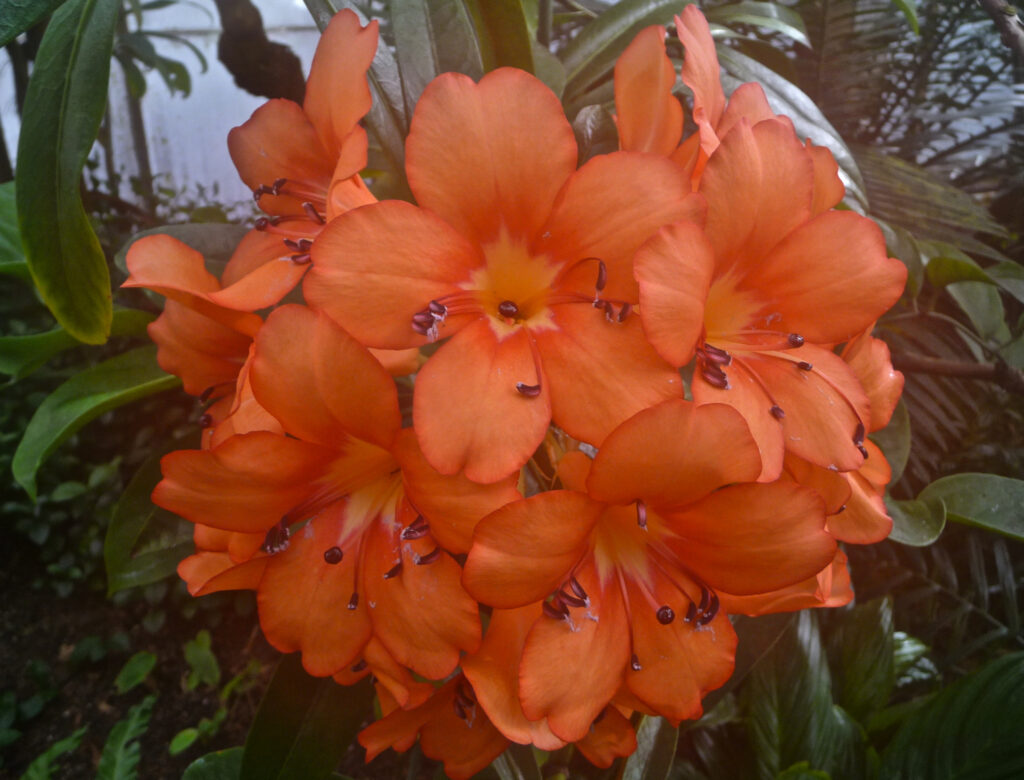
One of the most interesting aspects of Rhododendron javanicum is the considerable variation found across its extensive natural range. Isolated populations have adapted to different islands, mountain systems, and rainforest environments throughout Southeast Asia, resulting in subtle differences in growth habit, flower colour, leaf structure, and ecological preferences.
Botanists currently recognise nine subspecies of Rhododendron javanicum. While all share the defining characteristics of the species, each subspecies occupies a distinct geographic range and exhibits traits that reflect local environmental conditions. Many of these subspecies are restricted to specific islands or regions, highlighting the importance of geographic isolation in the evolution of tropical Vireya rhododendrons.
The recognised subspecies include:
- Rhododendron javanicum subsp. brookeanum – Found in Borneo as an epiphytic shrub or small tree.
- Rhododendron javanicum subsp. cladotrichum – Native to Sabah and east-central Kalimantan in Borneo.
- Rhododendron javanicum subsp. gracile – Distributed across parts of Borneo as an epiphytic shrub.
- Rhododendron javanicum subsp. javanicum – The nominate subspecies, occurring in Sumatra, Java, Borneo, and the Lesser Sunda Islands.
- Rhododendron javanicum subsp. kinabaluense – Restricted to Sabah in northern Borneo.
- Rhododendron javanicum subsp. moultonii – Found primarily in Sabah and Sarawak.
- Rhododendron javanicum subsp. palawanense – Endemic to Palawan in the Philippines.
- Rhododendron javanicum subsp. schadenbergii – Occurs in parts of the Philippines and northeastern Sulawesi.
- Rhododendron javanicum subsp. teysmannii – Distributed across Peninsular Malaysia, Sumatra, Java, and the Lesser Sunda Islands.
Many of these subspecies differ in flower colour, plant size, and growth habits. Some populations are predominantly epiphytic, while others exhibit hemiepiphytic tendencies, beginning life in elevated locations before extending roots toward the ground. Flower colours may range from bright orange to deep red, with occasional bi-coloured forms adding further diversity to the species complex.
This remarkable variation demonstrates the adaptability of Rhododendron javanicum and helps explain its success across such a broad geographic range. The diversity found within the species continues to be of interest to botanists, conservationists, and horticultural enthusiasts studying the evolution and classification of tropical rhododendrons.
Rhododendron Javanicum In Horticulture, Conservation, And Bonsai Cultivation
Rhododendron javanicum remains one of the most admired tropical rhododendron species due to its spectacular flowers, adaptability, and importance within the Vireya Rhododendron group. Its vibrant blooms and evergreen foliage have made it a desirable plant for botanical gardens, specialist collections, and tropical plant enthusiasts around the world. At the same time, ongoing conservation efforts are important to ensure the long-term survival of wild populations that face pressures from habitat loss and environmental change.
In horticulture, the species is valued for its ability to provide colourful displays in warm, humid climates. Unlike many temperate rhododendrons, it requires frost-free conditions and exceptionally well-drained, acidic growing media. Successful cultivation often involves using airy mixes containing orchid bark, perlite, and other materials that mimic the loose organic environments found in its natural habitat. When these requirements are met, plants can thrive for many years and produce impressive floral displays.
From a conservation perspective, protecting tropical rainforests throughout Indonesia, Malaysia, and the Philippines remains vital for preserving the species and its numerous subspecies. Many populations occupy specialised habitats within mountain forests and cloud forests, making them vulnerable to deforestation and habitat fragmentation. Botanical gardens and conservation collections play an important role in safeguarding genetic diversity while increasing public awareness of tropical rhododendrons.
As a bonsai subject, Rhododendron javanicum offers both opportunities and challenges. Its naturally woody structure, evergreen foliage, and striking flowers make it visually appealing for tropical bonsai enthusiasts. The species responds reasonably well to careful pruning and can develop attractive branch structures over time. However, it is generally considered more suitable for experienced growers due to its specific environmental requirements.
The shallow root system associated with its epiphytic lifestyle can be advantageous in bonsai containers, while its preference for well-drained growing media aligns with many bonsai cultivation practices. Nevertheless, maintaining consistent humidity, warmth, and appropriate soil acidity is essential for long-term success. Growers in temperate regions often need greenhouse or indoor growing facilities to provide suitable conditions throughout the year.
Overall, Rhododendron javanicum can become an excellent bonsai specimen when cultivated correctly. While it is not among the easiest tropical species for beginners, its colourful flowers, elegant foliage, and unique tropical character make it a rewarding choice for bonsai enthusiasts seeking something distinctive beyond traditional bonsai species.