When starting your bonsai journey, one of the first choices you’ll face is whether to grow your tree indoors or outdoors. This decision has a big impact on how your bonsai develops, what species you can grow, and the care routine you’ll need to follow. Choosing between indoor vs outdoor bonsai isn’t about which is better, but which is best suited to your environment and lifestyle.
Table of Contents
Understanding bonsai environments
When comparing indoor vs outdoor bonsai, it’s important to understand how their environments shape growth and survival. Even though bonsai are miniaturised, they’re still trees that depend heavily on their surroundings.
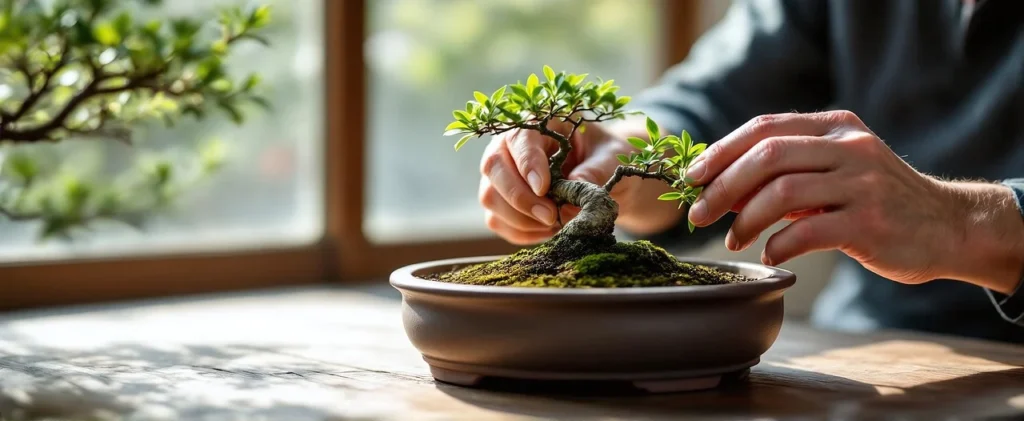
Indoor bonsai live in a controlled setting, where light, humidity, and temperature need extra attention. Most homes don’t naturally provide enough light or moisture, so growers often use windowsills, grow lights, and humidity trays to keep their trees healthy.
Outdoor bonsai benefit from seasonal changes, fresh air, and natural sunlight. These cycles are essential for many species, helping them grow strong and enter dormancy at the right time. However, outdoor trees are also exposed to harsh weather, which may require extra protection in extreme seasons.
By looking closely at indoor vs outdoor bonsai environments, you can decide which setting is most suitable for your lifestyle and location.
Indoor bonsai trees
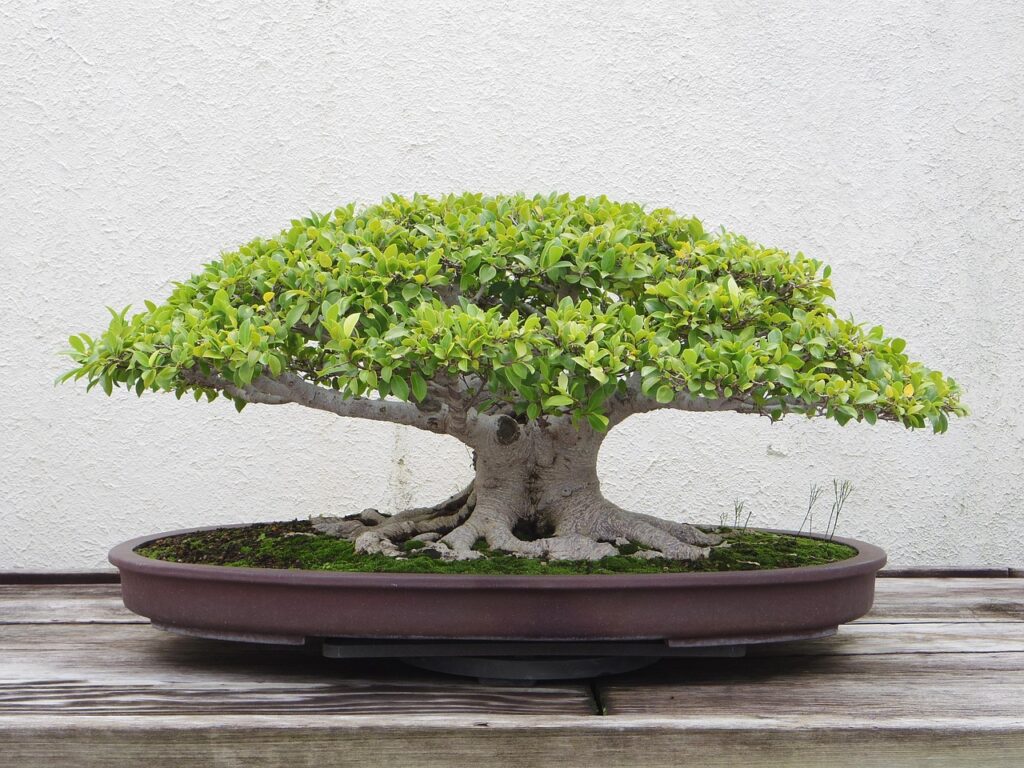
When thinking about indoor vs outdoor bonsai, it helps to know which species adapt best to life inside. Some of the most popular indoor options include Ficus, Jade, and Chinese Elm, as these trees can tolerate lower light levels and the stable temperatures found in homes.
Benefits: Indoor bonsai offer year-round enjoyment as decorative centrepieces. You can place them where you’ll see them every day, making them both a calming hobby and a design feature.
Challenges: Homes often have low humidity, artificial light, and limited airflow, which can make it harder for trees to thrive. Without careful attention, growth may slow and leaves may drop.
Tips for care: Position your tree near a bright window, use grow lights if necessary, and place it on a humidity tray or mist it regularly. Turning the tree every few days helps even out light exposure.
Understanding which species thrive indoors is key to balancing the choice of indoor vs outdoor bonsai, especially if your living space has limited outdoor access.
Outdoor bonsai trees
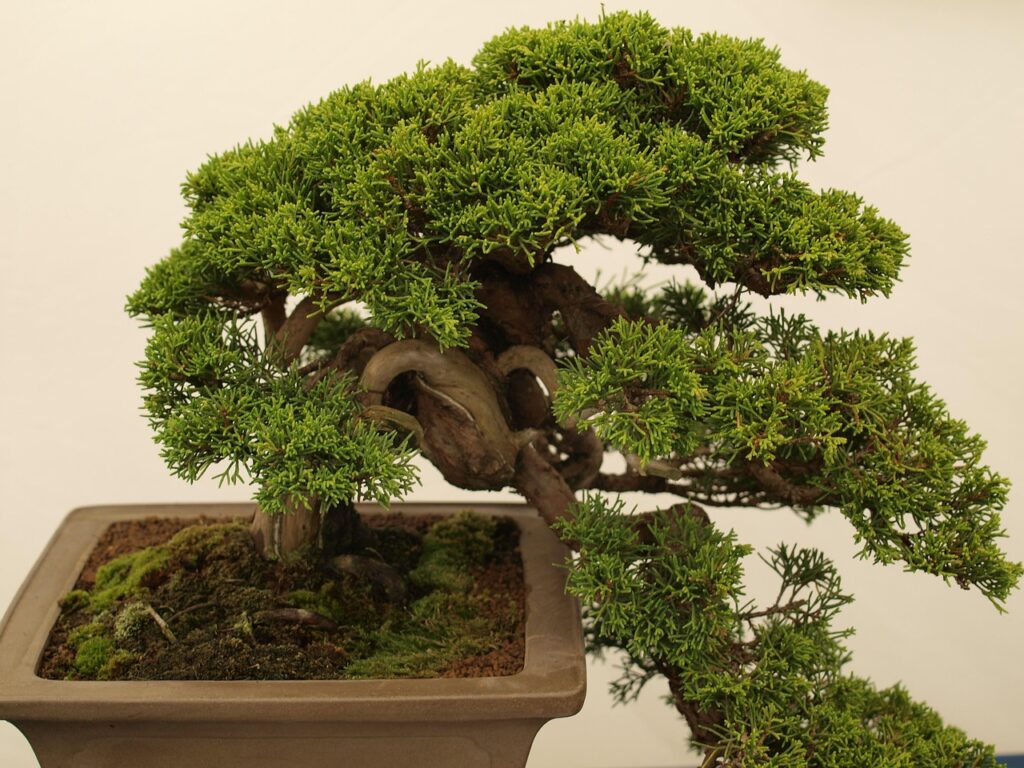
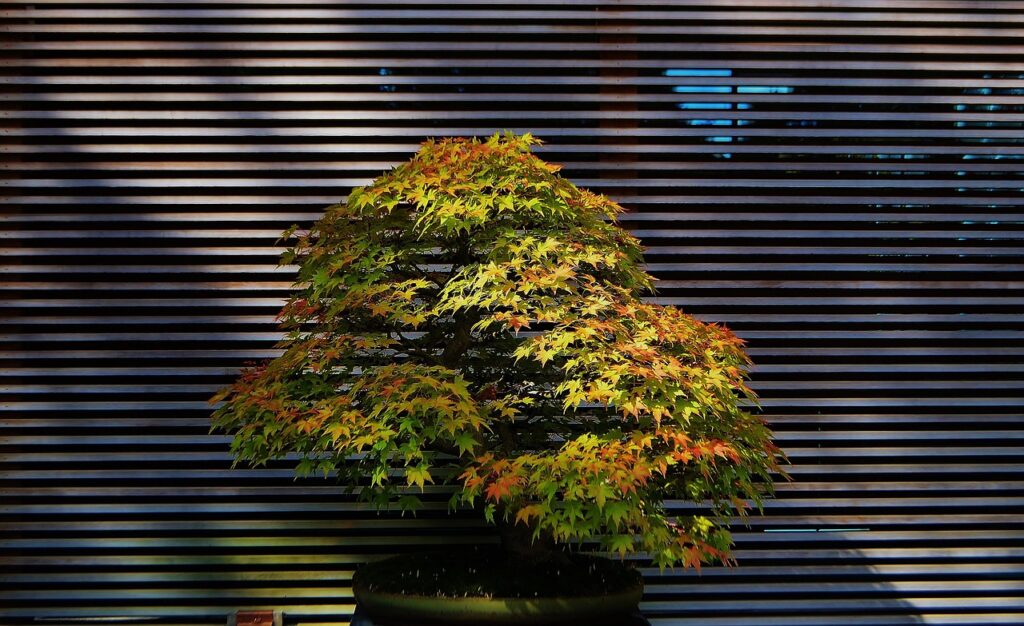
The other side of the indoor vs outdoor bonsai choice is keeping your tree outside, where many species naturally belong. Popular outdoor bonsai include Juniper, Pine, Maple, and Azalea, which thrive in natural light and seasonal cycles.
Benefits: Outdoor bonsai grow stronger root systems, benefit from fresh air, and follow natural rhythms of growth and dormancy. This seasonal change often results in healthier, more vibrant trees.
Challenges: Weather can be unpredictable. Outdoor bonsai may face heatwaves, frost, wind, and pests, all of which require extra care. Protection like shade cloths in summer or mulch in winter can make a big difference.
Tips for care: Place outdoor bonsai where they get morning sun and afternoon shade, rotate them for balanced growth, and watch for pests or fungus after rain. Seasonal care routines are essential to keep your tree healthy.
By considering indoor vs outdoor bonsai carefully, you’ll see that outdoor species offer authenticity and resilience, but they demand more attention to seasonal changes.
How to choose between indoor vs outdoor bonsai
Making the right choice between indoor vs outdoor bonsai isn’t about which option is better overall, but which one suits your space, climate, and lifestyle. Each has unique strengths and challenges, so the best fit depends on your personal situation.
- Match species to your environment: Some trees, like Ficus and Jade, adapt well indoors, while others, like Juniper or Pine, demand outdoor conditions to survive.
- Consider your climate: If you live in an area with harsh winters or scorching summers, you may need to shelter outdoor bonsai or rely on species that can handle your local weather.
- Think about time and experience: Indoor bonsai often require more controlled care, while outdoor bonsai call for seasonal maintenance and protection. Your level of commitment plays a big role.
- Hybrid approach: Some growers move bonsai indoors for short periods, especially during extreme weather or to display them for guests. This gives you the best of both worlds.
Choosing carefully between indoor vs outdoor bonsai will help you set realistic expectations and create the right care routine for your tree.
Bringing it all together
The decision between indoor vs outdoor bonsai comes down to matching the right tree to the right environment. Indoor bonsai can thrive as living décor with the right care, while outdoor bonsai benefit from natural light and seasonal rhythms. Neither is universally better. It depends on your space, climate, and how much time you can dedicate to their care.
By understanding the differences and weighing them against your lifestyle, you’ll be better equipped to choose a bonsai that not only survives but thrives. Whether indoors or outdoors, the joy of bonsai comes from the daily connection with nature, patience, and creativity.
If you’re new to bonsai trees, remember to check out our Start Here page for some direction.