
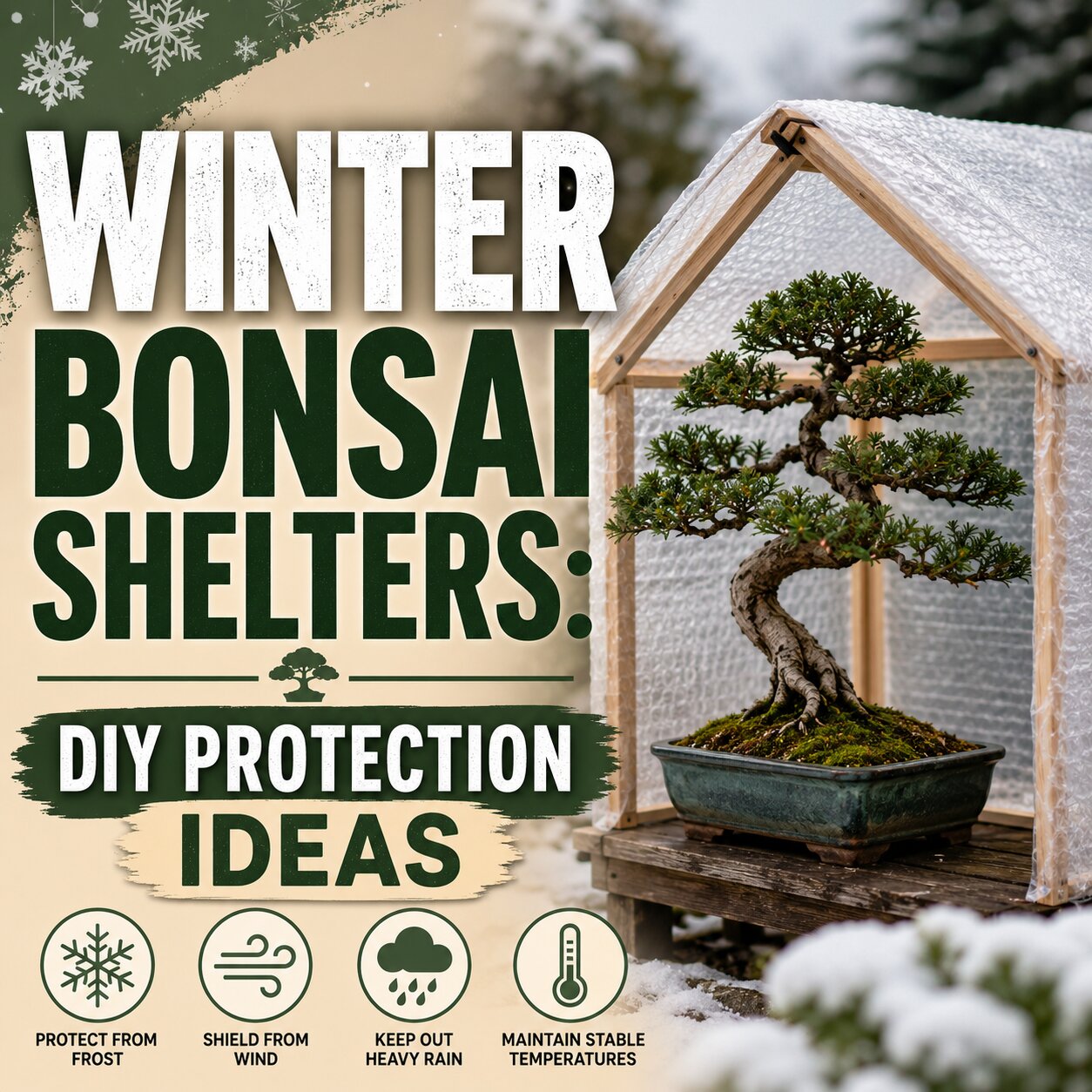
Winter bonsai shelters are one of the best ways to protect bonsai trees from harsh seasonal conditions. Cold winds, frost, excessive rain, snow, and sudden temperature drops can all damage delicate bonsai roots, branches, and foliage if the trees are left exposed without proper protection.
While many bonsai species need winter dormancy to remain healthy, they still require shelter from extreme weather. Fortunately, creating effective winter bonsai shelters does not always require expensive equipment or professional greenhouses. Many bonsai enthusiasts use simple DIY methods to help their trees survive winter safely.
Whether you grow outdoor bonsai, tropical species, or small bonsai collections, building proper winter bonsai shelters can greatly improve your trees’ health and long-term survival during the colder months.
Why winter bonsai shelters are important
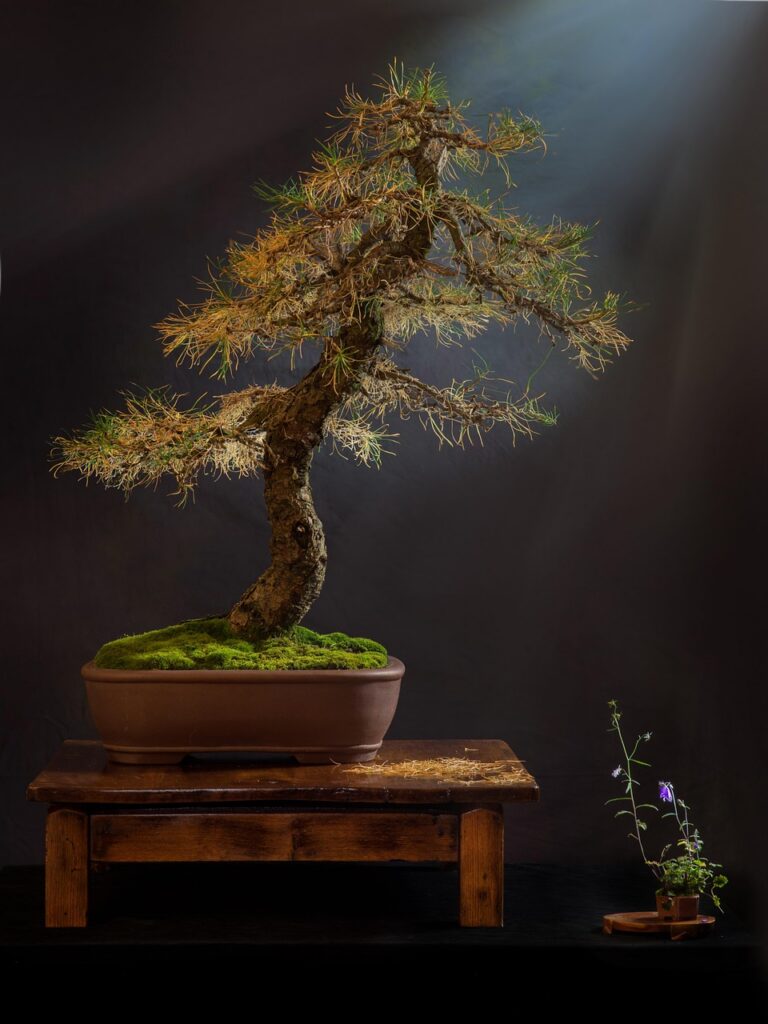
Bonsai trees are far more vulnerable to cold conditions than full-sized trees growing naturally in the ground. Their roots are confined to shallow pots, which means they freeze much faster during winter weather.
One of the biggest dangers during winter is repeated freezing and thawing. Sudden temperature fluctuations can damage roots and weaken the tree’s overall health. Strong winter winds can also dry out branches and foliage faster than many beginners realise.
Winter bonsai shelters help stabilise temperatures around the tree while protecting against frost, heavy rain, snow, and icy winds. Even cold-hardy species benefit from some level of protection during severe winter conditions.
Tropical bonsai species require even more care. These trees often cannot tolerate frost at all and may need to be moved into sheltered indoor spaces, greenhouses, or enclosed patio areas during winter.
Good winter bonsai shelters also help regulate moisture levels. Excessive winter rain can lead to waterlogged soil and root rot if drainage is poor or the bonsai remains constantly saturated.
Simple DIY winter bonsai shelters
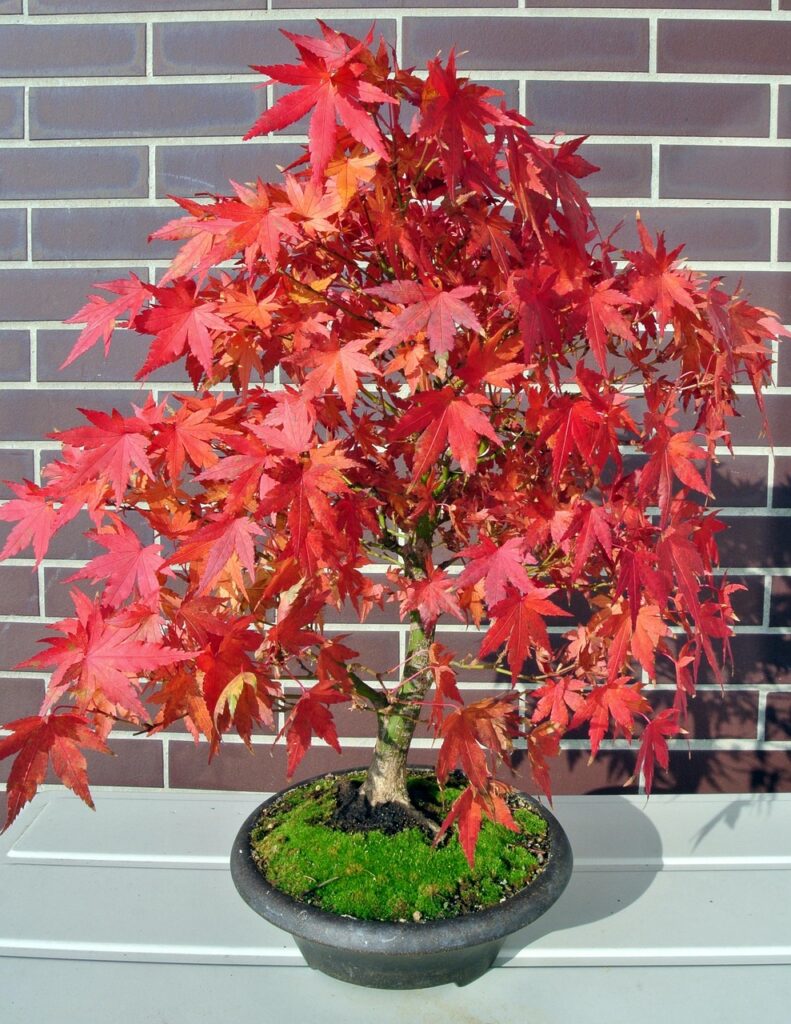
There are many affordable ways to create effective winter bonsai shelters at home. The best option often depends on your local climate, available space, and the bonsai species you grow.
One of the simplest methods involves using a cold frame. These small enclosed structures trap warmth while protecting trees from wind and frost. Many bonsai enthusiasts build DIY cold frames using wooden frames with clear plastic or old window panels.
Sheltered patio corners also work well for winter protection. Placing bonsai trees against walls helps reduce exposure to freezing winds while retaining some warmth from nearby structures.
Mini greenhouses are another popular option for winter bonsai shelters. Small portable greenhouse units are inexpensive and can house multiple bonsai trees during colder periods. Proper ventilation remains important to prevent excessive moisture buildup.
Some bonsai growers use mulch, straw, or bark around bonsai pots to insulate roots from freezing temperatures. Others partially bury pots in garden beds to provide additional natural insulation.
Popular DIY winter bonsai shelters include:
- Cold frames made from wood and clear plastic
- Portable mini greenhouses
- Sheltered patio or balcony corners
- Windbreak walls or screens
- Mulch or straw insulation around pots
Even simple protection methods can make a major difference during winter storms and cold snaps.
Common mistakes with winter bonsai shelters
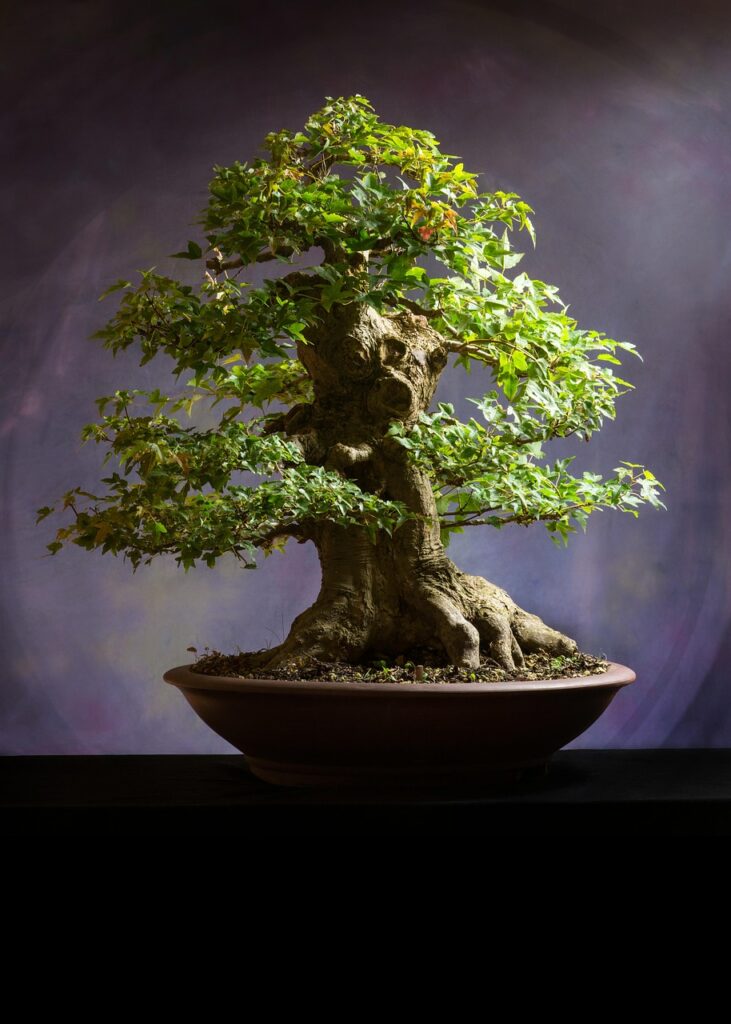
Although winter bonsai shelters are helpful, improper sheltering can sometimes create new problems for bonsai trees. One common mistake is trapping too much moisture around the tree.
Poor airflow inside enclosed shelters can encourage mould, fungal diseases, and root problems. Bonsai trees still require ventilation during winter, especially in humid conditions.
Overheating is another issue. On sunny winter days, enclosed shelters can become surprisingly warm. Sudden temperature spikes may interrupt dormancy cycles or stress the tree unnecessarily.
Another mistake involves moving outdoor bonsai indoors too early. Many cold-hardy bonsai species require proper dormancy periods to remain healthy. Constant indoor warmth may weaken these trees over time.
Watering mistakes are also common during winter. While bonsai trees usually require less water during dormancy, the soil should never become completely dry for extended periods.
Understanding your species’ specific winter requirements is one of the most important parts of creating effective winter bonsai shelters.
Giving your bonsai trees a safer winter season
Winter bonsai shelters provide valuable protection against frost, freezing winds, heavy rain, and unstable winter conditions. Whether using cold frames, greenhouses, sheltered patios, or simple insulation methods, proper winter protection can greatly improve bonsai survival and long-term health.
The best winter bonsai shelters balance protection, airflow, moisture control, and stable temperatures without disrupting natural dormancy cycles. By understanding your climate and bonsai species, you can create safe and affordable winter protection solutions that help your trees emerge healthier and stronger when spring returns.