
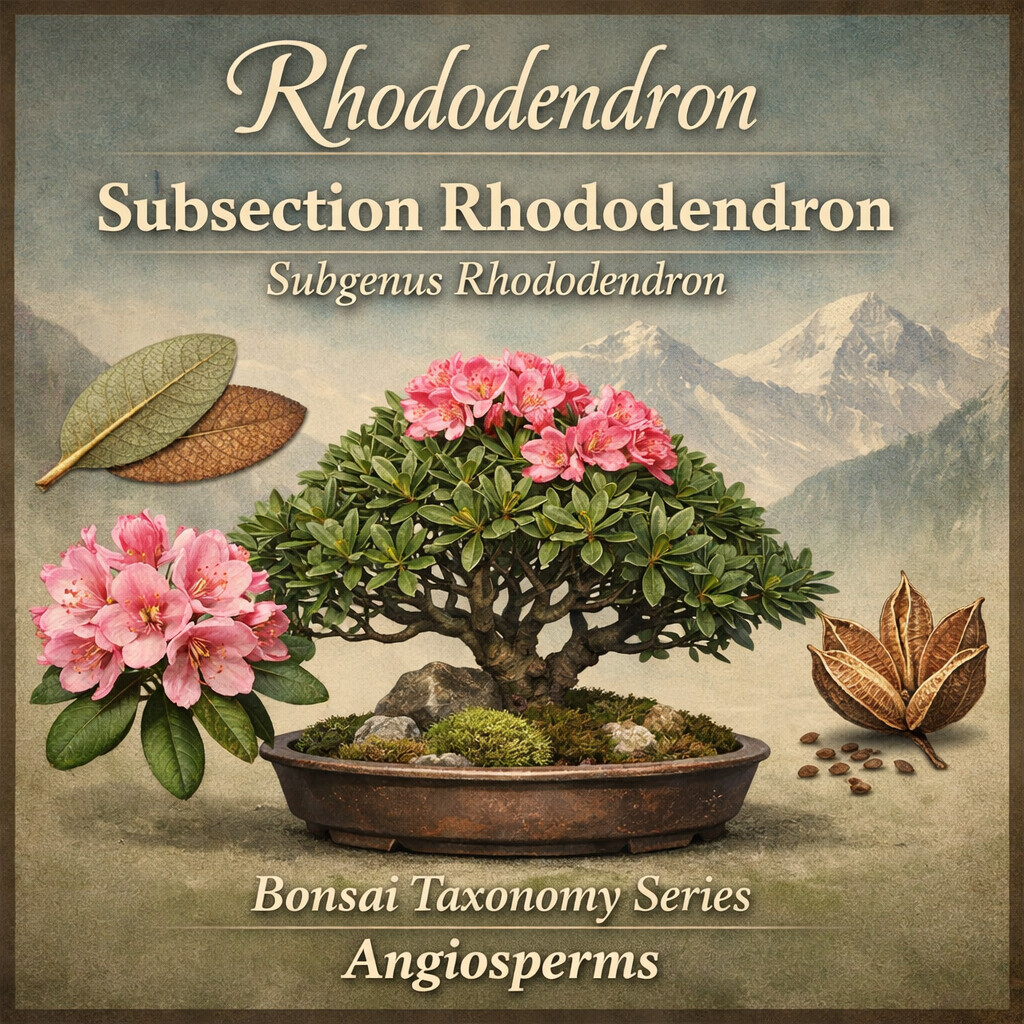
Rhododendron Subsection Rhododendron represents one of the most important and diverse groupings within the Rhododendron genus. This subsection includes many of the so-called “true” rhododendrons, distinguished by their evergreen habit and the presence of fine, scale-like hairs on the undersides of their leaves, known as lepidotes. These subtle but defining features separate them from the elepidote rhododendrons more commonly seen in large garden shrubs.
Comprising several hundred species, Subsection Rhododendron forms a foundational part of rhododendron taxonomy and plays a major role in both natural ecosystems and cultivated landscapes. Many of its species originate from alpine and montane regions, where compact growth, cold tolerance, and resilience to harsh conditions have shaped their morphology over time.
Within bonsai and horticulture, this subsection is especially noteworthy for select species that naturally lend themselves to container cultivation. Compact foliage, dense branching, and attractive flowering make certain members, such as Rhododendron ferrugineum, valuable subjects for refined, small-scale tree design. Understanding the taxonomy and defining traits of Subsection Rhododendron provides essential context for both botanical study and practical bonsai application.
Table of Contents
Taxonomy
– Kingdom: Plantae (Plant Kingdom)
— Clade: Embryophytes (Land Plants)
— Clade: Polysporangiophytes (Multiple Sporangia)
—- Clade: Tracheophytes (Vascular Plants)
—– Superdivision: Spermatophytes (Seed Plants)
—— Clade: Angiospermae (Flowering Plants)
——- Division: Eudicots (True Dicotyledons)
——– Subdivision: Core Eudicots
——— Class: Superasterids (Advanced Flowering Plants)
———- Subclass: Asterids (Unified-Flowering Plants)
———– Order: Ericales (Heath and Tea)
———— Family: Ericaceae (Heath)
————- Subfamily: Ericoideae (Heath)
————– Tribe: Rhodoreae (Rhododendron)
————— Genus: Rhododendron
————— Subgenus: Rhododendron (Lepidote Rhododendrons)
—————- Section: Rhododendron (Lepidote Rhododendrons)
—————– Subsection: Rhododendron (True Rhododendrons)
What Is Rhododendron Subsection Rhododendron?
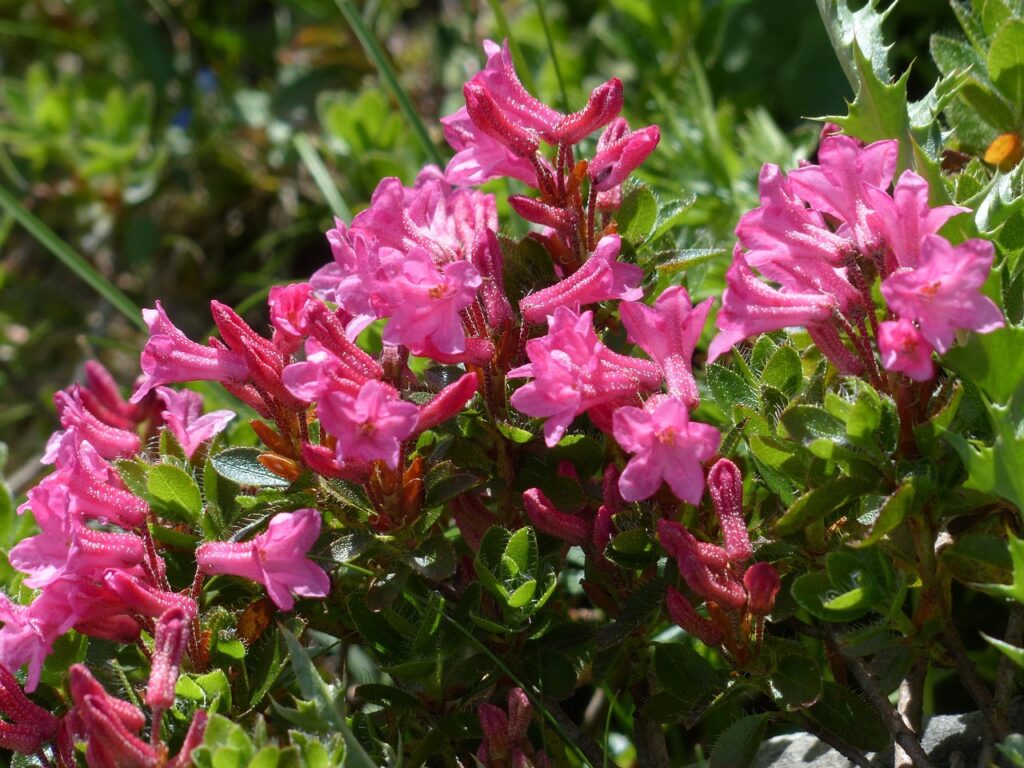
Rhododendron Subsection Rhododendron is a formal taxonomic grouping within the genus Rhododendron that encompasses many of the evergreen species commonly referred to as “true” rhododendrons. This subsection belongs to Rhododendron section Rhododendron and is defined primarily by the presence of lepidote leaves, meaning the undersides of the leaves are covered in tiny, scale-like hairs rather than being smooth.
These lepidote scales are not merely a visual trait. They play an important role in protecting the plant from cold, wind, and moisture loss, particularly in alpine and montane environments where many of these species evolved. As a result, members of Subsection Rhododendron are often compact, hardy, and well adapted to harsher climates compared to larger, broad-leaved rhododendrons.
Taxonomically, this subsection includes a relatively small number of well-defined species compared to the wider genus, but they are botanically significant due to their ancient lineage and ecological adaptations. Species such as Rhododendron ferrugineum, Rhododendron hirsutum, and Rhododendron myrtifolium are characteristic examples, each showing the evergreen habit and lepidote foliage that define the group.
For horticulture and bonsai, Rhododendron Subsection Rhododendron is valued for its manageable leaf size, dense growth, and natural ability to form compact, shrub-like structures. These traits make select species suitable for refined cultivation, particularly in cooler climates where their alpine adaptations can be fully appreciated.
Taxonomic placement of Subsection Rhododendron within the genus Rhododendron
Rhododendron Subsection Rhododendron sits within the complex and highly structured taxonomy of the genus Rhododendron, a member of the heath family, Ericaceae. The genus itself is one of the largest among woody flowering plants and is traditionally divided into subgenera, sections, and subsections to reflect evolutionary relationships, morphology, and geographic origin.
Within this hierarchy, Subsection Rhododendron belongs to Section Rhododendron, which is characterised by evergreen species bearing lepidote leaves. This section forms part of the broader lepidote rhododendron group, distinguished from elepidote rhododendrons that lack the scale-like leaf structures. The subsection represents a more narrowly defined lineage within the section, grouping species that share particularly close morphological and ecological similarities.
Taxonomically, Subsection Rhododendron is recognised for its relatively conservative traits, including compact growth habits, small evergreen leaves, and adaptations linked to cold and high-altitude environments. These shared characteristics support its placement as a distinct subsection rather than being merged into broader groupings within the section.
Although rhododendron classification has evolved over time due to advances in molecular phylogenetics, Subsection Rhododendron remains a stable and well-supported taxonomic unit. Its placement reflects both traditional morphological classification and modern genetic research, reinforcing its significance within the overall structure of the genus Rhododendron.
Evolutionary origins and diversification of Subsection Rhododendron
Subsection Rhododendron represents an ancient and specialised lineage within the genus Rhododendron, shaped by long-term adaptation to demanding environments. Its defining characteristics, particularly evergreen foliage and lepidote leaf undersides, are the result of evolutionary pressures that favoured resilience, efficiency, and compact growth. Examining the origins of this subsection provides insight into why its species remain well adapted to harsh climates and confined growing spaces.
Early evolutionary development
The ancestors of Subsection Rhododendron are believed to have emerged as rhododendrons expanded into cooler and more elevated regions. Early diversification favoured plants that could withstand strong winds, temperature fluctuations, and short growing seasons. These pressures encouraged the development of smaller leaves, dense branching, and evergreen habits that conserved energy and moisture.
Lepidote scales likely evolved during this period as a protective adaptation, helping reduce transpiration and shield leaf surfaces from cold and excessive light exposure.
Adaptation to alpine and montane habitats
Much of the diversification within Subsection Rhododendron occurred in alpine and montane regions, particularly across parts of Europe and western Asia. Isolation caused by altitude and rugged terrain limited gene flow between populations, encouraging localised adaptation.
Species in this subsection evolved to thrive in thin, acidic soils and exposed conditions, resulting in naturally compact plants with slow, controlled growth. These same traits later proved advantageous in horticultural and bonsai contexts.
Speciation and environmental isolation
Repeated climatic shifts, including glacial cycles, further influenced the diversification of Subsection Rhododendron. Populations were periodically fragmented and reunited, driving subtle speciation while preserving core morphological traits.
As a result, species within the subsection remain closely related, sharing a consistent overall form while displaying minor variations in leaf texture, flower colour, and growth habit. This balance between diversity and stability defines the evolutionary identity of the subsection.
Evolutionary role within the genus Rhododendron
Within the broader genus, Subsection Rhododendron occupies an important evolutionary position. Its species reflect early adaptive strategies that enabled rhododendrons to colonise extreme environments successfully. These adaptations laid the groundwork for later diversification within the genus.
Today, the evolutionary heritage of Subsection Rhododendron is evident in its durability, compact form, and ecological efficiency, traits that continue to make its species valuable in both natural ecosystems and cultivated settings.
Defining morphological characteristics of Subsection Rhododendron
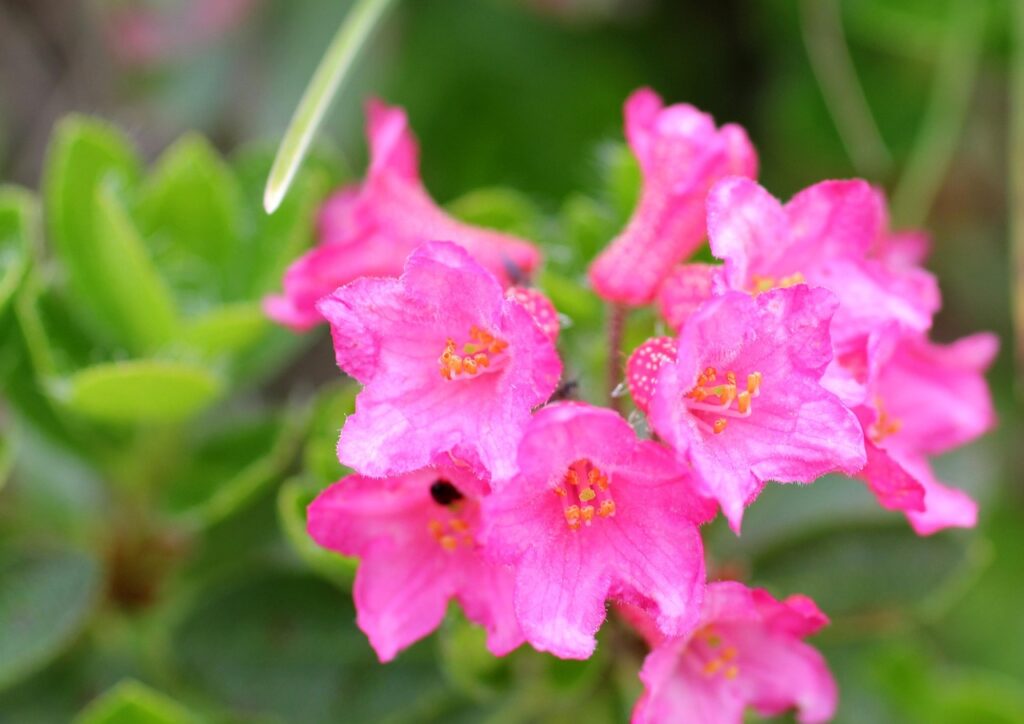
Subsection Rhododendron is defined by a combination of structural traits that clearly distinguish it from other rhododendron groups. These characteristics reflect long-term adaptation to alpine and montane environments and contribute to the subsection’s compact, resilient growth habit. Together, they form a consistent morphological profile that supports both taxonomic classification and horticultural identification.
Lepidote leaf surfaces
The most defining feature of Subsection Rhododendron is the presence of lepidote scales on the undersides of the leaves. These tiny, scale-like hairs give the abaxial leaf surface a textured appearance and often a rusty, silvery, or brownish tone.
Functionally, these scales reduce water loss, protect against cold and wind, and help regulate light exposure. Their presence is a key diagnostic trait separating lepidote rhododendrons from elepidote species with smooth leaf undersides.
Evergreen foliage and leaf form
Species within Subsection Rhododendron are evergreen, retaining their leaves year-round. The leaves are typically small, thick, and leathery, an adaptation that limits moisture loss and improves cold tolerance.
Leaf margins may be smooth or slightly revolute, and the overall leaf shape is usually narrow to elliptic. This compact foliage contributes to the subsection’s suitability for confined environments, including container cultivation and bonsai.
Compact growth habit and branching
Plants in Subsection Rhododendron generally exhibit low, compact, and densely branched growth. Many species form shrubby or mound-like structures rather than tall, upright forms.
This growth habit reduces exposure to harsh alpine conditions while encouraging structural stability. In cultivation, it allows for controlled shaping and refinement, making select species particularly attractive for ornamental and bonsai use.
Bark, stems, and surface texture
The bark and young stems of Subsection Rhododendron species are typically fine-textured and relatively smooth, ageing gradually over time. Older specimens may develop subtle fissuring, adding visual character without becoming coarse.
Stems are often flexible when young, responding well to pruning and shaping. This morphological trait supports careful training while maintaining the natural form that defines the subsection.
Lepidote leaf structure and evergreen growth habit
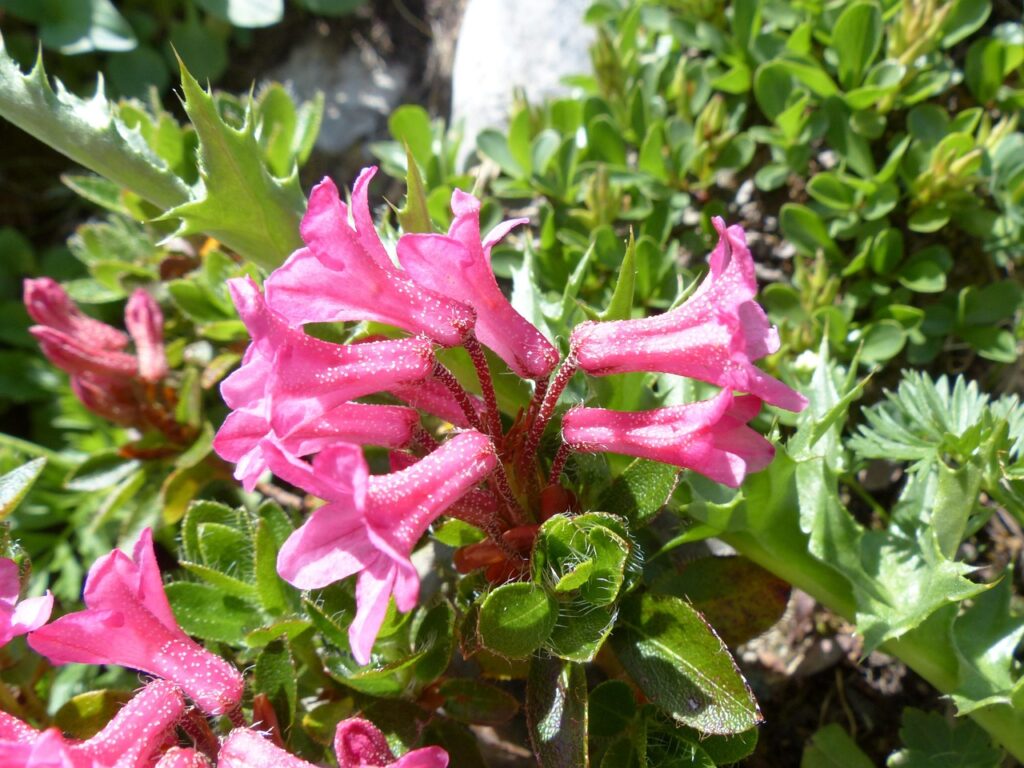
The lepidote leaf structure and evergreen growth habit are central to the identity of Subsection Rhododendron. These traits are not only key taxonomic markers but also reflect the ecological strategies that have allowed these plants to survive in cold, exposed, and nutrient-poor environments. Together, they define both the appearance and behaviour of species within this subsection.
Structure and function of lepidote scales
Lepidote scales are microscopic, shield-like structures found on the underside of the leaves. In Subsection Rhododendron, these scales are often dense and may give the leaf underside a rusty, silvery, or brownish appearance, depending on the species.
Functionally, the scales act as a protective layer. They reduce transpiration by limiting moisture loss, shield leaf tissue from cold winds, and help reflect excess sunlight in high-altitude environments. This makes lepidote leaves especially well suited to alpine and montane climates where conditions can change rapidly.
Leaf thickness, texture, and durability
Leaves in Subsection Rhododendron are typically thick, leathery, and tough. This texture is a direct adaptation to environmental stress, allowing the leaves to persist through winter without significant damage.
The reduced surface area of the leaves further limits water loss and physical stress from snow or wind. These durable leaves often remain attractive for several years, contributing to the evergreen presence and visual consistency of the plant throughout the seasons.
Evergreen habit and seasonal efficiency
As evergreen plants, species within Subsection Rhododendron retain their foliage year-round, allowing them to photosynthesise whenever conditions permit. This is a major advantage in short growing seasons, where deciduous plants may lose valuable time regrowing leaves each year.
The evergreen habit also supports energy conservation. By maintaining functional leaves, these rhododendrons can allocate resources toward flowering and structural growth rather than annual leaf production.
Implications for cultivation and bonsai
The combination of lepidote leaves and evergreen growth makes Subsection Rhododendron particularly appealing for long-term cultivation. The foliage provides year-round interest, while the plant’s natural efficiency supports slow, controlled growth.
In bonsai and container culture, these traits translate into manageable leaf size, consistent form, and resilience to pruning. When grown under suitable conditions, the lepidote evergreen foliage becomes one of the most distinctive and valued features of the subsection.
Flower structure and reproductive traits in Subsection Rhododendron
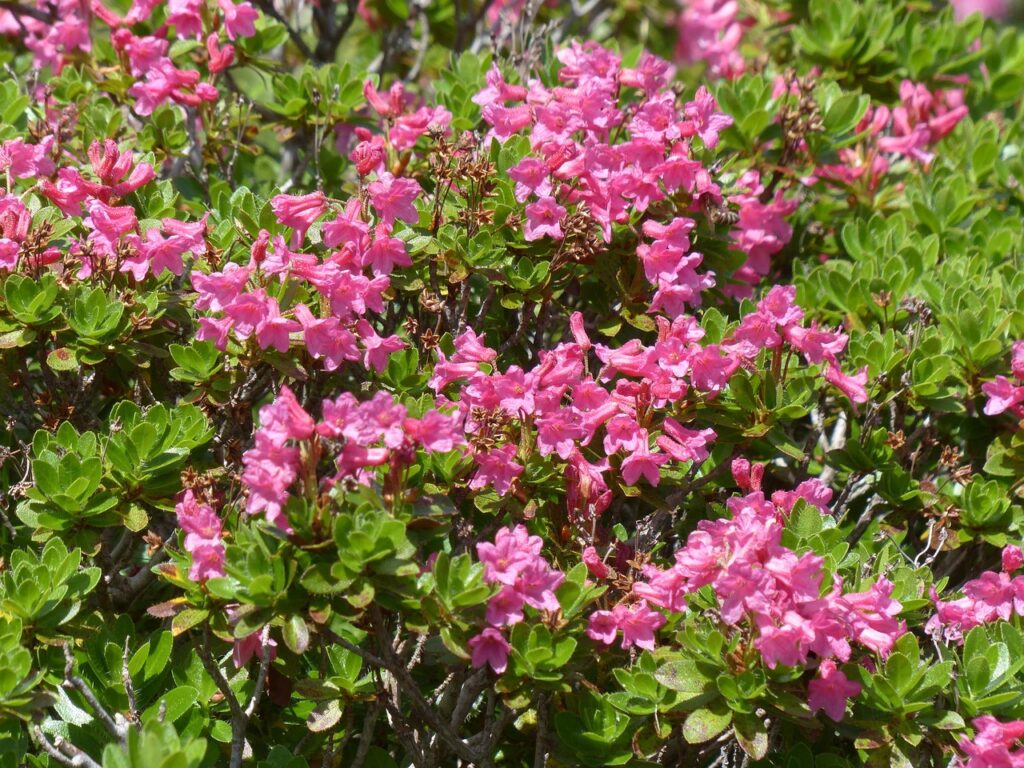
Flowering and reproduction in Subsection Rhododendron reflect the same evolutionary pressures that shaped its foliage and growth habit. While the flowers are often smaller and more restrained than those of large elepidote rhododendrons, they are well adapted to cool climates, specialised pollinators, and short seasonal windows. These traits contribute to both the ecological success and ornamental value of the subsection.
Flower form and inflorescence structure
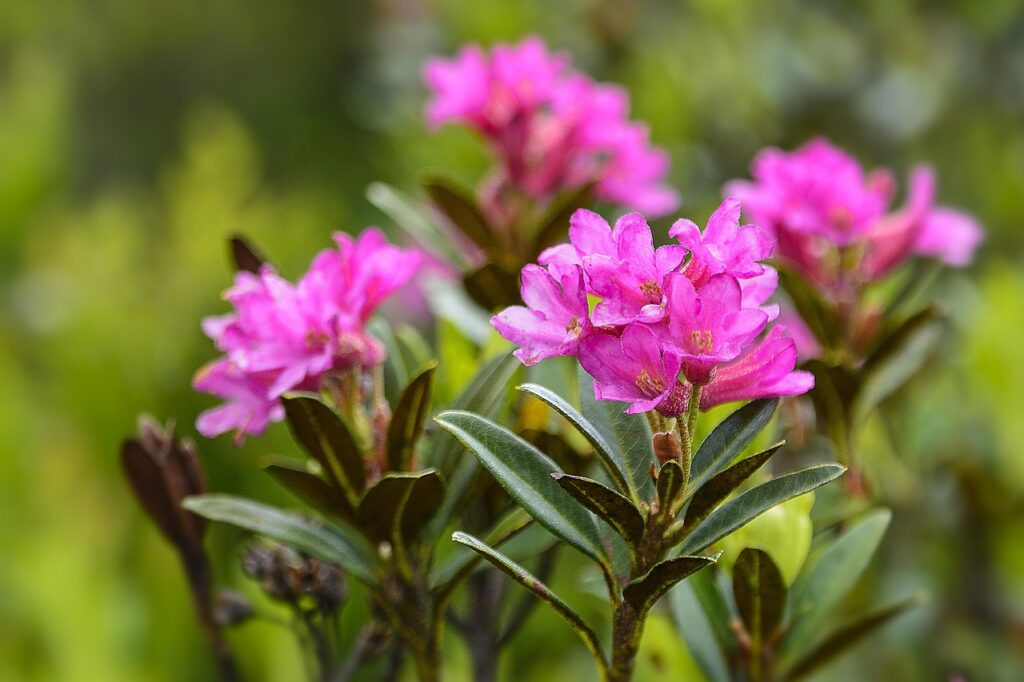
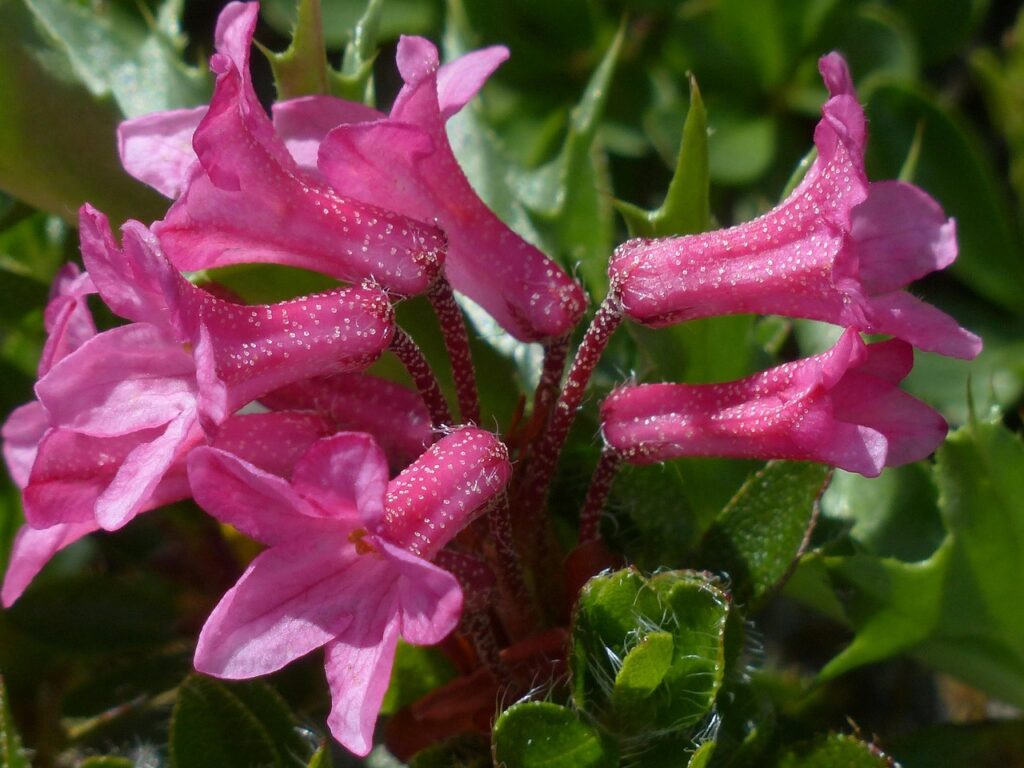
Flowers in Subsection Rhododendron are typically borne in compact terminal clusters rather than large trusses. Individual blooms are usually bell-shaped to funnel-shaped, with a simple, elegant form that suits the plant’s overall compact habit.
Colours tend to range from pink and rose-red to pale purple or creamy white, often with subtle spotting or markings. The flowers are proportionate to the leaf size, creating a balanced appearance that is particularly appealing in small-scale cultivation.
Pollination strategies and timing
Species within Subsection Rhododendron are primarily insect-pollinated, relying on bees and other cold-tolerant pollinators active in alpine and montane environments. Flowering typically occurs in late spring to early summer, coinciding with brief periods of favourable weather.
The timing of flowering is critical. By concentrating bloom production into a short window, these plants maximise reproductive success while minimising energy expenditure in unpredictable climates.
Reproductive organs and seed development
The flowers contain prominent stamens and a single elongated style, typical of the genus. After pollination, the ovary develops into a dry capsule containing numerous fine seeds.
These lightweight seeds are adapted for dispersal by wind and gravity, allowing them to colonise crevices, rocky slopes, and acidic soils. Germination often occurs in open, low-competition environments, reinforcing the subsection’s association with alpine habitats.
Implications for cultivation and bonsai flowering
In cultivation, the flowering traits of Subsection Rhododendron reward patience. Plants often require maturity and stable conditions before flowering reliably, but once established, blooms are consistent and well-scaled.
For bonsai, the restrained flower size and compact clusters are particularly valuable. When balanced with careful pruning and energy management, flowering can enhance the tree’s seasonal character without overwhelming its structure.
Geographic distribution and alpine to montane habitats
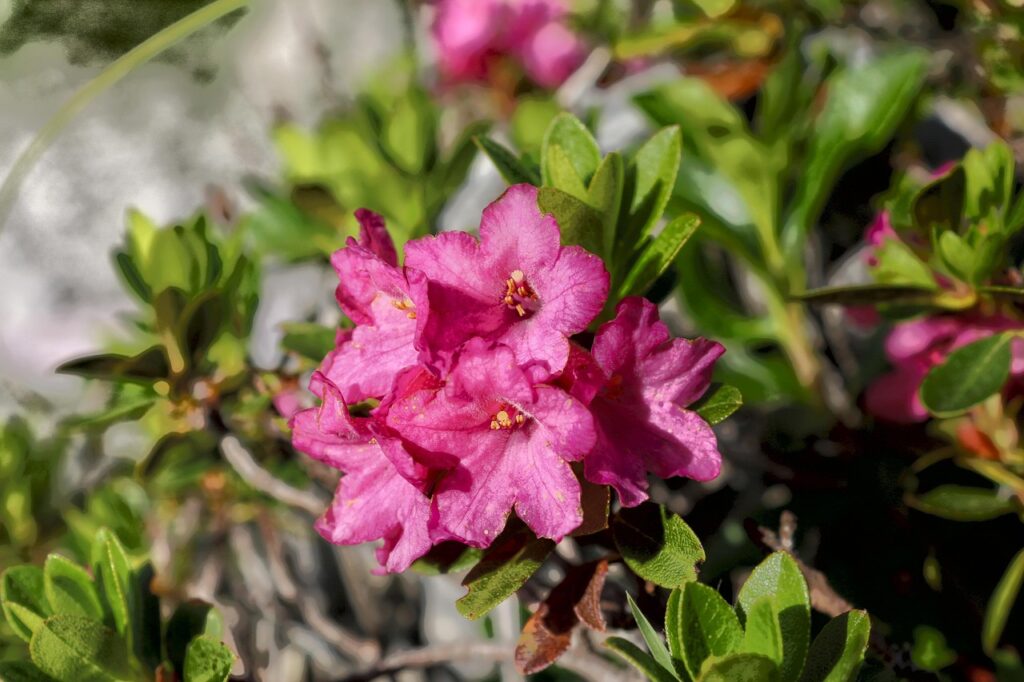
Subsection Rhododendron is closely associated with mountainous landscapes, where long-term environmental pressures have shaped its distribution and ecological preferences. The natural range of these species reflects their evolutionary history and explains many of their defining morphological traits.
- Subsection Rhododendron is primarily distributed across Europe and parts of western and central Asia, with strong representation in major mountain systems.
- Species are most commonly found in alpine and subalpine zones, where elevations expose plants to cold temperatures, strong winds, and intense sunlight.
- Typical habitats include rocky slopes, cliff faces, open mountain meadows, and woodland margins, where soil depth is limited and competition is reduced.
- These environments are characterised by acidic, well-drained soils, often derived from granite or other siliceous parent materials.
- Winter snow cover plays a crucial role by protecting plants from extreme cold and desiccating winds, while still allowing early spring growth once conditions improve.
- The challenging conditions of montane habitats favour compact, low-growing forms that reduce exposure and improve survival.
Together, these geographic and ecological factors explain why species in Subsection Rhododendron are naturally hardy, slow-growing, and well suited to controlled cultivation. Their alpine origins continue to influence how they perform in gardens, containers, and bonsai settings today.
Species diversity and notable members of Subsection Rhododendron
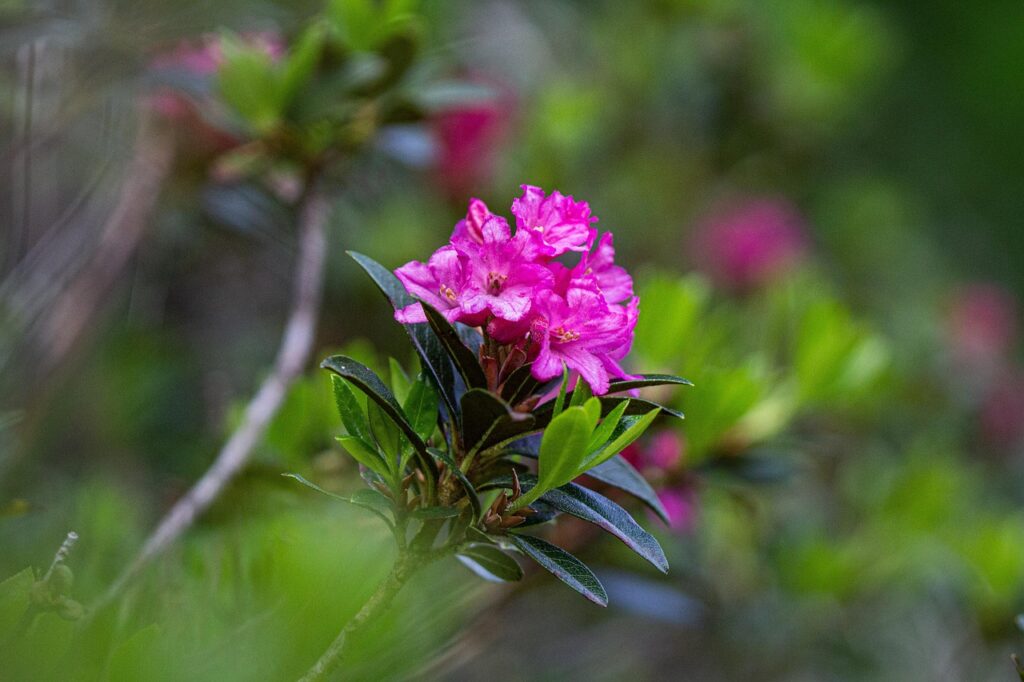
Subsection Rhododendron contains a relatively small but well-defined group of species when compared to the broader genus. Despite its limited size, the subsection is taxonomically significant due to the consistency of its traits and the ecological specialisation of its members. The species within this group share evergreen foliage, lepidote leaf undersides, and adaptations to cold, high-altitude environments.
While estimates vary depending on classification systems, the subsection includes a core group of closely related species rather than the hundreds found across the wider lepidote rhododendrons. This tighter grouping reflects evolutionary stability, with species differing in subtle morphological and geographic characteristics rather than dramatic structural changes.
Notable and commonly referenced members of Subsection Rhododendron include:
- Rhododendron ferrugineum: Often considered the most representative species of the subsection, this alpine rhododendron is native to the mountains of southern Europe. It is known for its compact habit, leathery evergreen leaves with rusty undersides, and vibrant pink to red flowers. Its natural form and resilience make it particularly relevant for horticulture and bonsai.
- Rhododendron hirsutum: Native to the Alps, this species is distinguished by fine hairs along the leaf margins in addition to lepidote undersides. It typically grows in limestone-influenced alpine environments and displays a slightly more upright habit than R. ferrugineum.
- Rhododendron myrtifolium: Found in parts of eastern Europe and the Carpathian Mountains, this species is adapted to cold, exposed conditions. It features small, narrow leaves and a low, spreading growth form well-suited to harsh alpine terrain.
Together, these species define the identity of Subsection Rhododendron. Their shared characteristics, limited diversity, and strong ecological specialisation make the subsection an important reference point for understanding the evolution, classification, and cultivation potential of true lepidote rhododendrons.
Subsection Rhododendron in bonsai and horticulture
Subsection Rhododendron occupies a distinctive position in both horticulture and bonsai, where its evolutionary adaptations translate into practical advantages for long-term cultivation. The same traits that allow these plants to survive in alpine and montane environments, compact growth, evergreen foliage, and environmental resilience, also make select species well-suited to controlled growing conditions.
In horticulture, members of Subsection Rhododendron are valued for their durability and refined appearance. Their small, leathery leaves and restrained growth habit allow them to maintain a balanced form without excessive pruning. When grown in acidic, well-drained soils and cool conditions, these rhododendrons develop dense branching and reliable flowering, offering year-round interest even outside the bloom period.
For bonsai, the subsection is particularly relevant due to species such as Rhododendron ferrugineum. Natural compactness, slow growth, and well-proportioned foliage support detailed refinement over time. Flowers remain in scale with the tree, enhancing seasonal character without overpowering the overall design. With careful root management and protection from extreme heat, these plants can be maintained successfully in shallow containers.
While not all rhododendrons are suitable for bonsai, Subsection Rhododendron stands out as one of the few taxonomic groups within the genus that offers genuine potential for both ornamental gardening and bonsai artistry. Its combination of botanical integrity and horticultural practicality makes it a meaningful inclusion in any focused bonsai taxonomy guide.