
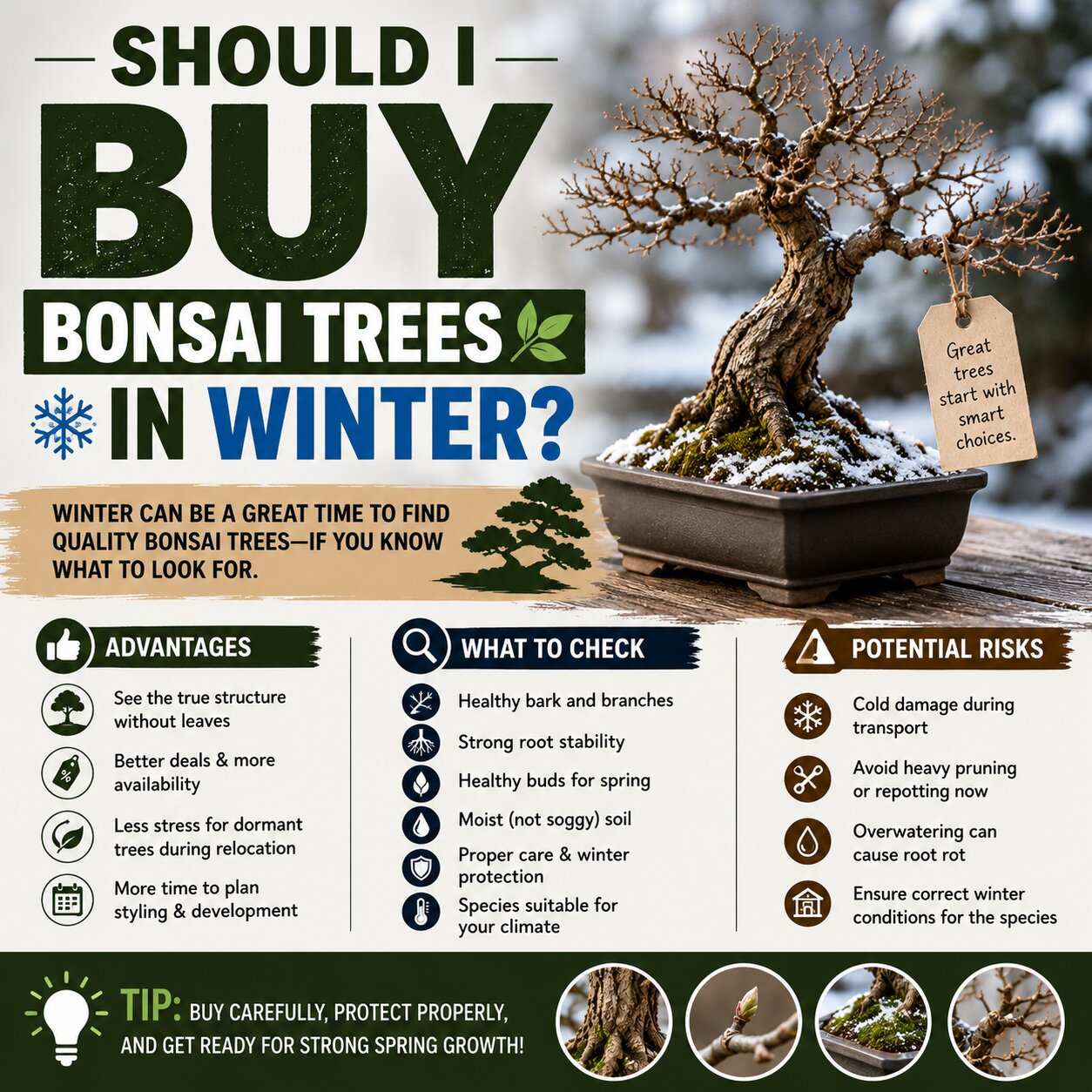
Many bonsai enthusiasts eventually ask the question, should I buy bonsai trees in winter or wait until spring? While colder weather changes how bonsai trees are cared for and displayed, winter can still be a surprisingly good season to expand your collection. In fact, experienced growers often buy bonsai trees in winter because dormant trees reveal structural details that are harder to see during warmer months.
Choosing to buy bonsai trees in winter does require some additional planning. Trees are usually dormant, growth slows dramatically, and some species lose their leaves completely. However, this period can make it easier to evaluate trunk movement, branch placement, and overall design potential before spring growth begins.
For beginners, the idea of trying to buy bonsai trees in winter may seem intimidating at first. Yet, with proper research and careful selection, winter can become one of the best times to discover quality bonsai material and prepare for future styling projects.
Understanding the benefits and risks before you buy bonsai trees in winter can help ensure your new tree remains healthy and ready for strong spring development.
Why many enthusiasts buy bonsai trees in winter
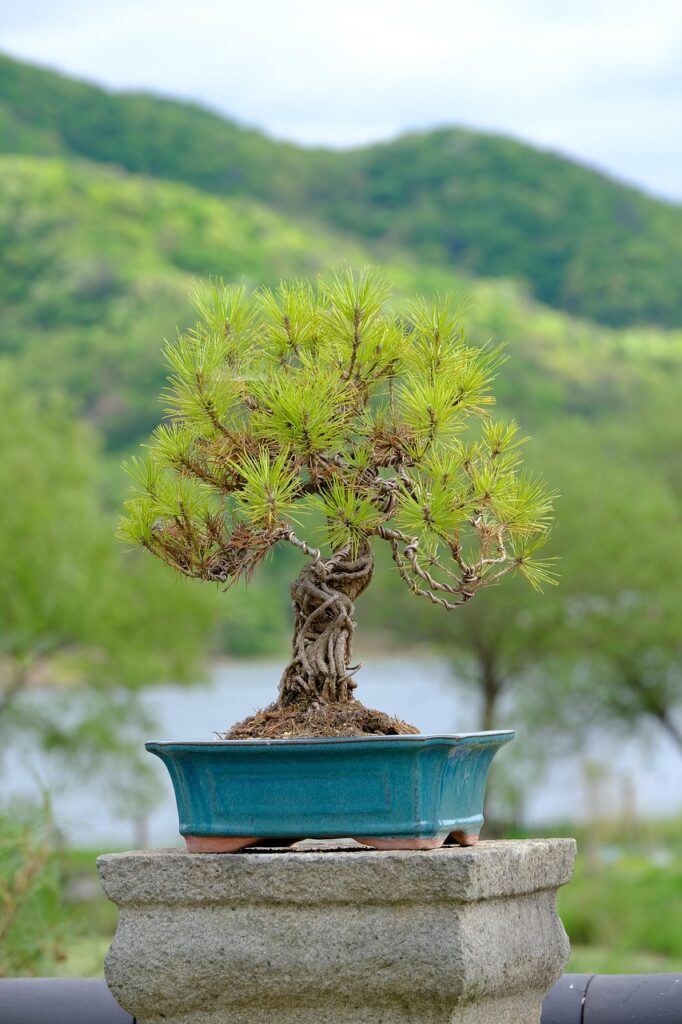
One major reason collectors buy bonsai trees in winter is because deciduous trees reveal their true branch structure once the leaves have fallen. Without thick foliage hiding flaws, buyers can inspect taper, ramification, nebari development, and branch positioning far more easily.
Another advantage when you buy bonsai trees in winter is that many nurseries and sellers experience quieter sales periods. This sometimes leads to better prices, seasonal discounts, or access to older stock that may disappear quickly during spring.
Dormant trees also tend to handle relocation more calmly. While care is still required, some species experience less immediate stress during dormancy compared to active growing periods. This makes it easier for owners to settle new trees into their collections before spring arrives.
Many hobbyists also buy bonsai trees in winter because it gives them time to study the tree carefully before performing major work. Instead of rushing into pruning or styling, winter allows owners to plan wiring, shaping, and future development with patience.
What to check before you buy bonsai trees in winter
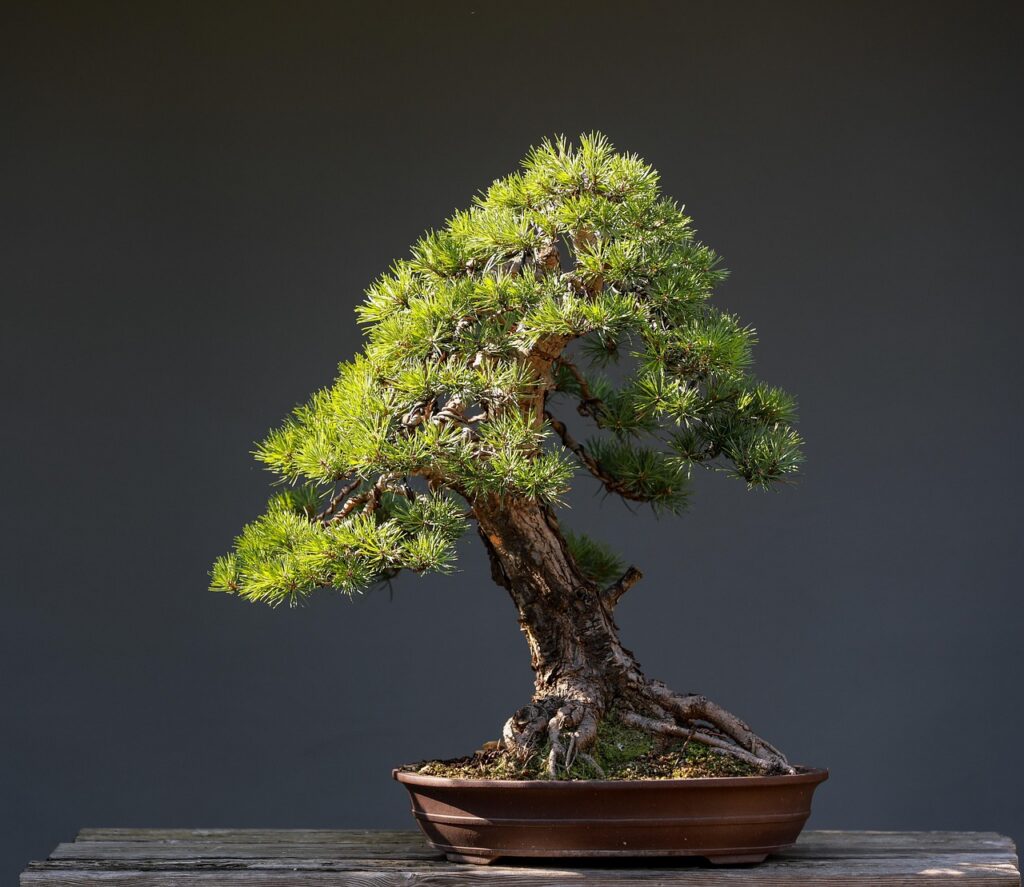
It is important to inspect trees carefully before you buy bonsai trees in winter. Dormant trees can sometimes appear unhealthy even when perfectly normal, so buyers should focus on structural health rather than foliage appearance alone.
Important things to inspect include:
- Healthy bark and branch condition
- Strong root stability in the pot
- No major pest or mould problems
- Visible healthy buds for spring growth
- Proper winter storage conditions
- Species suitability for your climate
- Moist but not waterlogged soil
- Good trunk taper and branch structure
- Signs of proper seasonal care from the seller
When you buy bonsai trees in winter, you should also determine whether the species is tropical or temperate. Tropical bonsai generally need indoor warmth throughout winter, while temperate species require dormancy periods to stay healthy long term.
Understanding your local climate is equally important. Some species may need additional frost protection after you buy bonsai trees in winter, especially if temperatures drop below freezing regularly.
Potential risks when you buy bonsai trees in winter
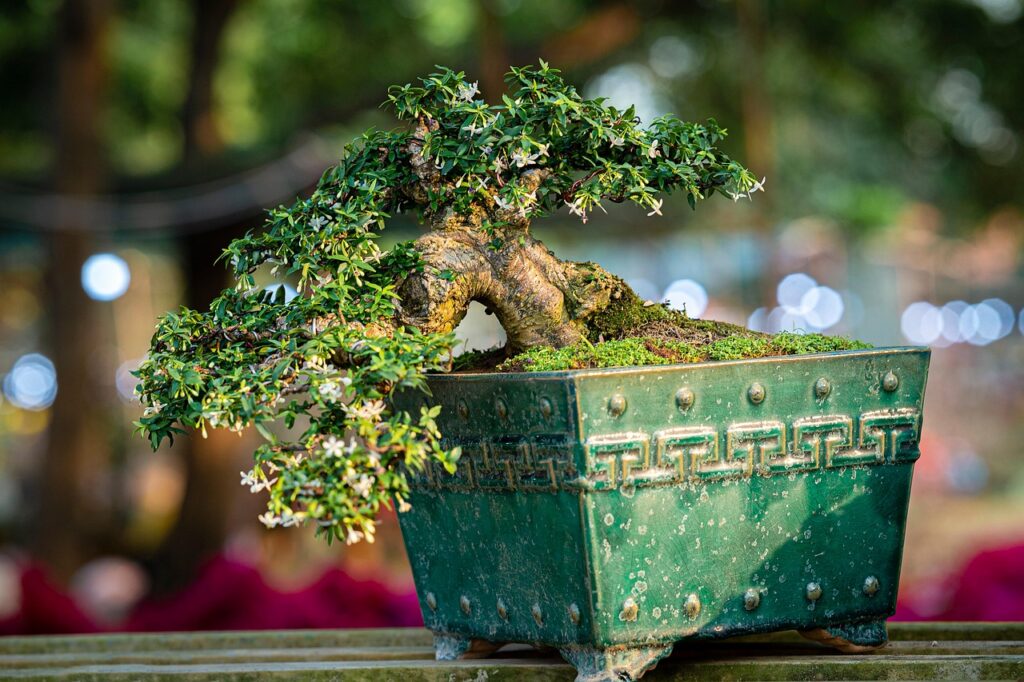
Although there are benefits, there are also risks involved when you buy bonsai trees in winter. One of the biggest concerns is cold damage during transportation. Sudden exposure to icy winds or freezing temperatures can severely stress sensitive species.
Another mistake people make after they buy bonsai trees in winter is immediately performing heavy pruning, repotting, or wiring. Most trees are better left relatively undisturbed until late winter or early spring when growth begins returning.
Watering mistakes are also common during winter. Trees purchased during dormancy generally need less water because growth slows dramatically. However, owners should still monitor moisture carefully. Soil should never become completely dry, but overly wet soil can quickly lead to root problems.
Beginners who buy bonsai trees in winter should additionally avoid placing outdoor species inside heated homes permanently. Temperate bonsai need cold dormancy cycles to remain healthy and forcing them into warm indoor conditions can weaken them over time.
Winter Can Still Be A Great Buying Season
For many enthusiasts, it actually makes perfect sense to buy bonsai trees in winter. The dormant season allows buyers to evaluate tree structure clearly, discover seasonal bargains, and prepare new additions for healthy spring growth.
As long as you research species carefully, inspect tree health properly, and provide suitable winter care, choosing to buy bonsai trees in winter can be an excellent way to grow your bonsai collection successfully.