

Cold winter winds can be far more dangerous to bonsai trees than low temperatures alone. While many bonsai species are capable of surviving winter dormancy, harsh winds rapidly dry out branches, roots, and foliage, placing trees under severe stress. Smaller bonsai pots provide limited insulation compared to trees planted in the ground, making bonsai especially vulnerable during windy winter conditions.
Understanding how to protect bonsai trees from cold winter winds is essential for maintaining healthy roots, preventing branch dieback, and ensuring strong spring growth. Whether you grow outdoor hardy species or keep bonsai on balconies, patios, or benches, proper winter wind protection can make a major difference in long-term health and survival.
Why Cold Winter Winds Harm Bonsai Trees
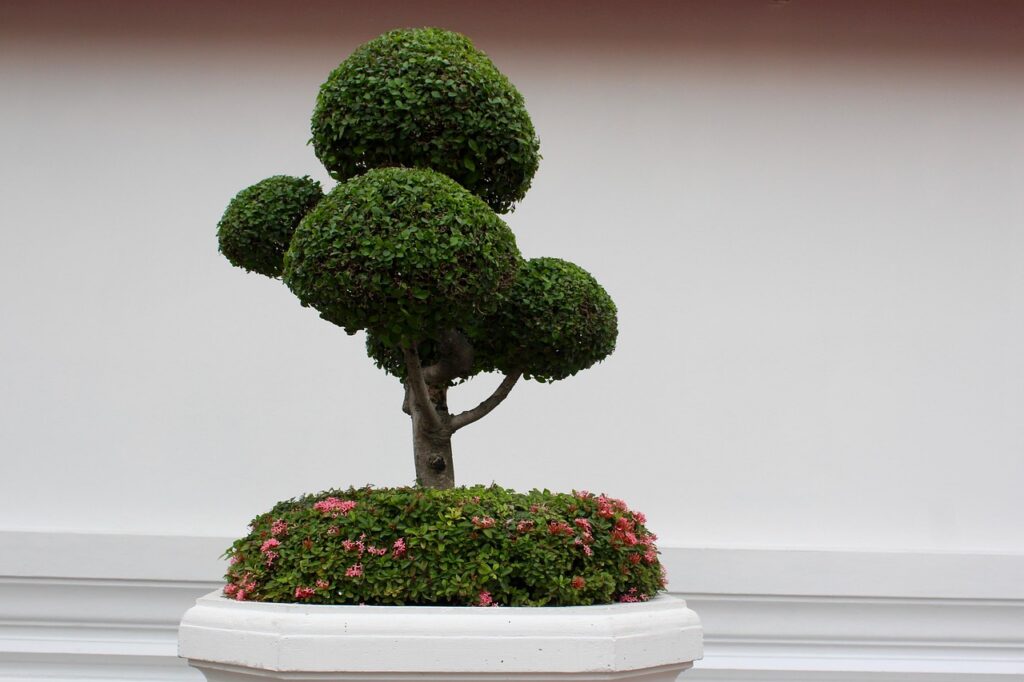
Many beginners assume snow or frost poses the greatest winter threat, but cold winds often cause even more damage. Winter winds pull moisture from branches, leaves, needles, and exposed roots faster than dormant trees can replace it. This dehydration effect becomes especially dangerous when soil freezes or remains too cold for proper water absorption.
Bonsai trees are particularly vulnerable because their roots are confined to shallow containers. Unlike full-sized trees planted deep in the ground, bonsai roots receive far less natural insulation from fluctuating weather conditions.
Evergreen bonsai species such as junipers, pines, and spruces are often affected most severely because they continue losing moisture through their needles during winter. Deciduous species may appear safer without leaves, but branches and roots can still suffer from excessive drying winds.
Strong gusts can also physically damage delicate branches, disturb wiring, or topple lightweight bonsai pots entirely.
Best Ways To Protect Bonsai Trees From Winter Winds
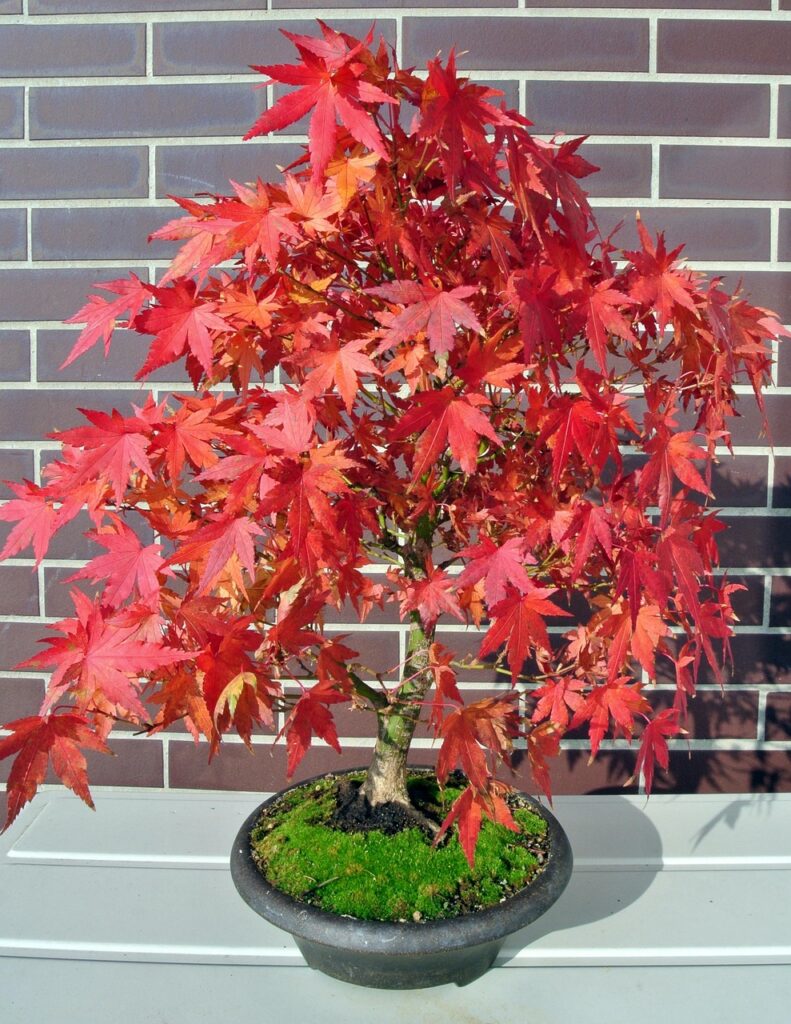
One of the simplest ways to protect bonsai trees from cold winter winds is relocation. Moving bonsai into a sheltered outdoor area can dramatically reduce exposure while still allowing the tree to remain dormant naturally.
Good sheltered locations include:
- Against house walls
- Inside cold frames
- Under covered patios
- Behind garden walls or fences
- Inside unheated greenhouses
- Beneath sturdy benches or shelves
Walls and structures help block harsh wind gusts while retaining slightly warmer temperatures overnight.
Windbreaks are another highly effective solution. Temporary barriers made from shade cloth, bamboo screening, plastic sheeting, or wooden panels can reduce direct wind exposure significantly. However, airflow should still remain partially open to prevent excessive moisture buildup and fungal problems.
Grouping bonsai trees together also helps create a more stable microclimate. Trees clustered closely experience less direct wind exposure than isolated specimens sitting alone.
Protecting Bonsai Pots And Roots During Windy Winters
Root protection plays a major role in learning how to protect bonsai trees from cold winter winds. Even cold-hardy species can struggle if roots freeze repeatedly or dry out completely.
Insulating bonsai pots helps stabilise root temperatures and moisture levels. Many growers place pots inside larger containers filled with mulch, bark, straw, or leaves during winter. Others partially bury pots directly into garden soil for added insulation.
Popular insulating materials include:
- Pine bark mulch
- Straw
- Bubble wrap around pots
- Frost cloth
- Leaves
- Wooden grow boxes
Avoid fully wrapping the tree itself in airtight materials, as poor airflow may encourage rot or fungal issues.
Watering remains important during winter as well. Wind exposure can dry soil surprisingly quickly, even in cold weather. Check soil moisture regularly and water when necessary, especially during dry winter periods without rain.
Indoor And Balcony Bonsai Wind Protection Tips
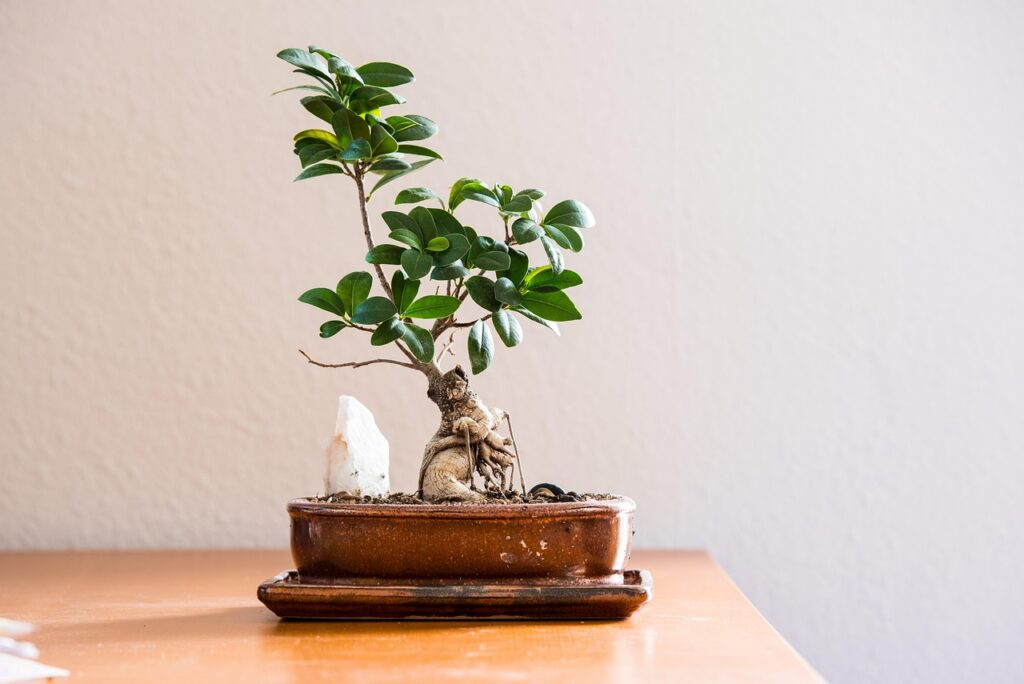
Balcony growers often face stronger winter wind exposure due to elevation and open-air conditions. Learning how to protect bonsai trees from cold winter winds becomes especially important in apartment settings.
Balcony bonsai should ideally be positioned in corners, near walls, or behind protective barriers. Elevated shelves exposed directly to wind can increase dehydration risks dramatically.
For indoor bonsai kept near windows, cold drafts from gaps or poorly insulated glass may also cause stress. Tropical species such as ficus bonsai dislike sudden temperature drops and cold air exposure.
Indoor growers should avoid placing bonsai directly near:
- Air conditioners
- Heaters
- Drafty windows
- Frequently opened doors
- Strong indoor fans
Maintaining stable humidity levels indoors can also reduce winter stress significantly.
Helping Bonsai Trees Thrive Through Harsh Winter Conditions
Understanding how to protect bonsai trees from cold winter winds is one of the most important seasonal care skills for bonsai enthusiasts. Wind damage often develops slowly and may only become visible weeks later through browning foliage, brittle branches, weak spring growth, or root problems.
By combining sheltered placement, windbreaks, root insulation, and proper watering practices, bonsai growers can greatly improve winter survival rates while reducing stress on their trees.
Healthy winter protection not only prevents damage but also helps bonsai emerge stronger and more vibrant when spring arrives. With careful preparation, even challenging winter climates can become manageable for many beautiful bonsai species.
Explore more seasonal bonsai care guides at Budding Backyard Bonsaist.