
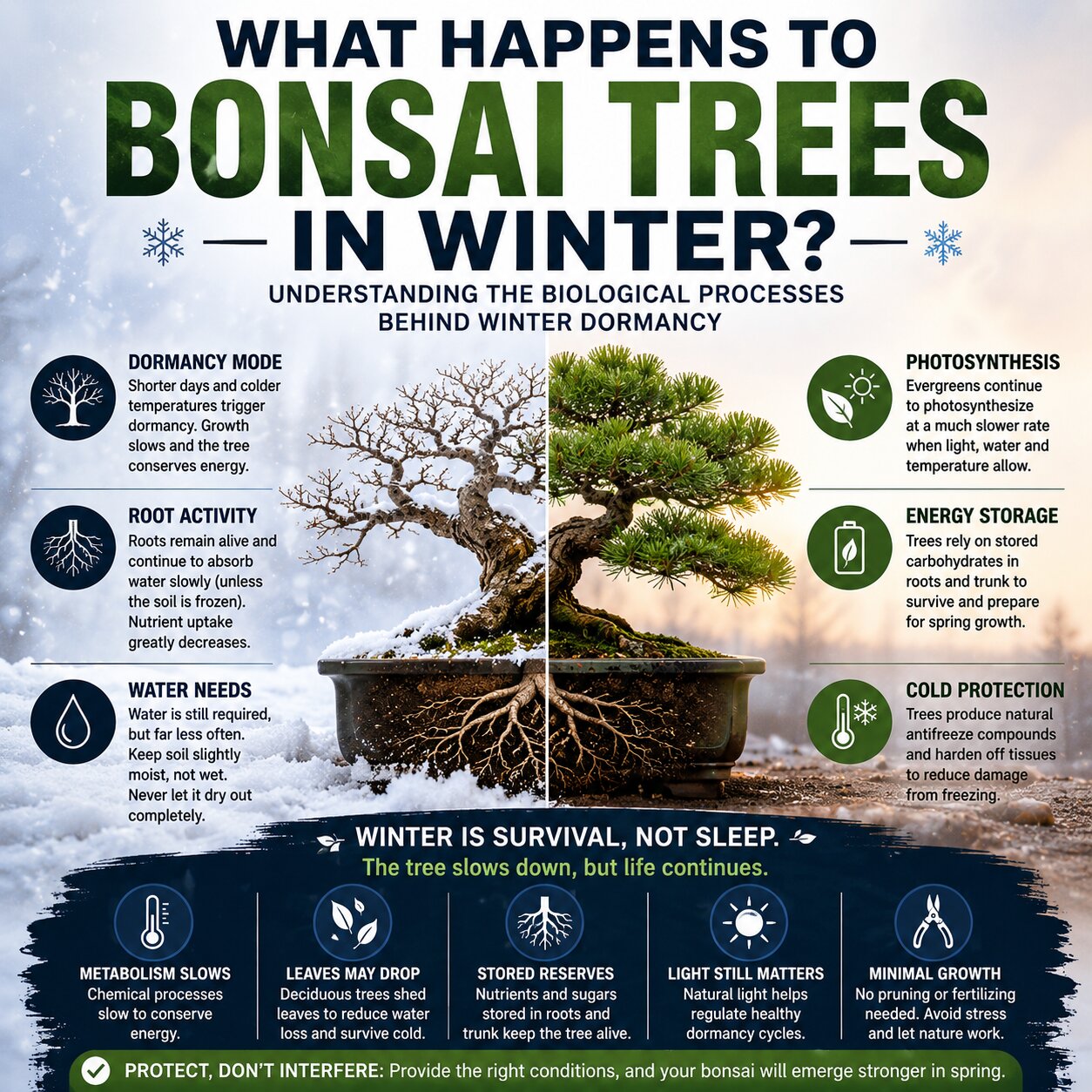
Winter is one of the most fascinating and misunderstood seasons in bonsai care. Many beginners assume their bonsai trees completely “shut down” during colder months, but the reality is far more complex. Even during winter dormancy, bonsai trees continue performing important biological functions that help them survive until spring returns.
Different bonsai species react differently to winter conditions depending on whether they are deciduous, evergreen, or tropical varieties. However, nearly all outdoor bonsai trees experience major physiological changes during winter. Growth slows dramatically, energy usage changes, and the tree begins focusing on survival rather than active development.
Understanding these biological processes helps bonsai enthusiasts make better decisions regarding watering, sunlight, fertilising, and winter protection. Knowing what your bonsai tree is actually doing beneath the surface can prevent many common winter care mistakes.
Winter dormancy: the bonsai survival system
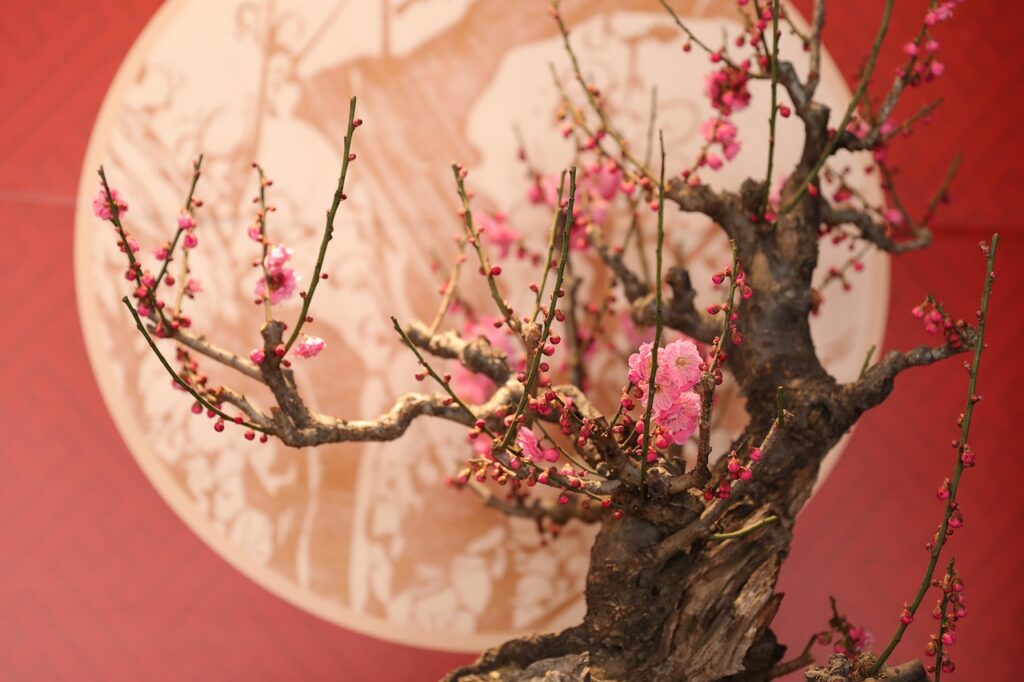
For many temperate bonsai species, winter triggers a survival state known as dormancy. This process allows the tree to conserve energy and protect itself from freezing temperatures and harsh environmental conditions.
Dormancy is triggered by shorter daylight hours and dropping temperatures. As these changes occur, the bonsai tree begins slowing metabolic activity significantly. Growth above ground almost completely stops, especially in deciduous species that lose their leaves entirely.
However, dormancy does not mean the tree is dead or inactive. Internal biological systems continue functioning at reduced levels. The bonsai tree remains alive and responsive to environmental conditions throughout winter.
Deciduous bonsai trees store energy during autumn by moving nutrients and sugars from leaves into roots and trunk tissues. Once leaves fall, the tree relies heavily on these stored reserves to survive until spring growth begins again.
Evergreen bonsai species behave somewhat differently. They retain foliage throughout winter and continue limited photosynthesis when conditions allow, although at much slower rates than during warmer seasons.
Do bonsai roots still absorb water and nutrients?
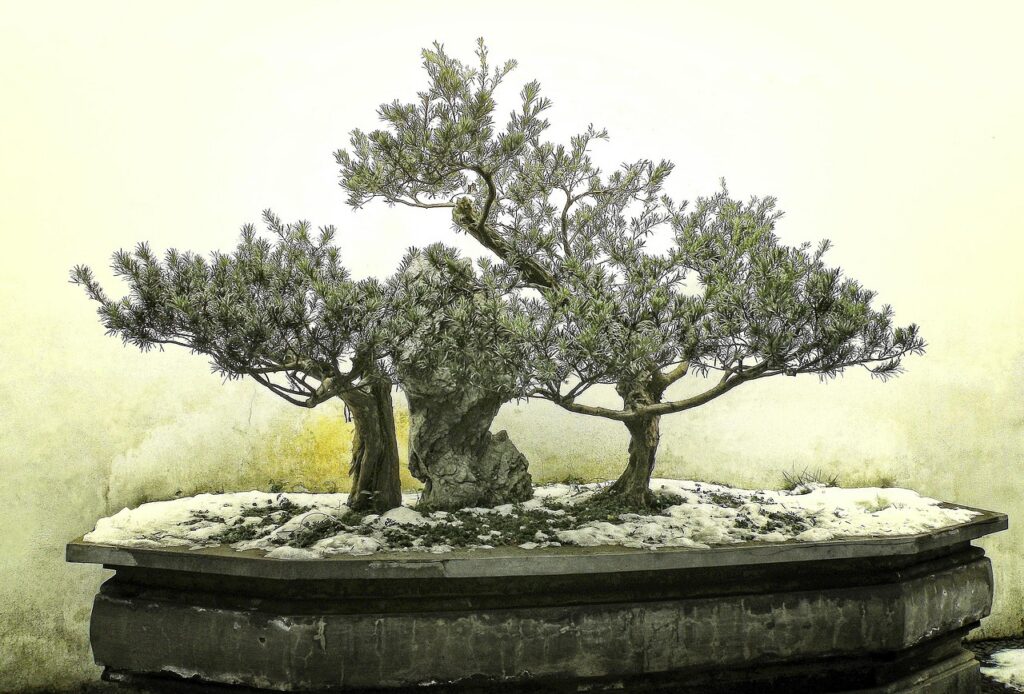
One of the most important winter questions involves root activity. Many people mistakenly believe bonsai roots stop functioning entirely during winter, but roots actually remain partially active unless the soil becomes completely frozen.
Bonsai roots continue absorbing water during winter, although at much slower rates because the tree uses less moisture overall. Since leaves are absent or less active, transpiration drops significantly, reducing overall water demand.
Root systems also remain biologically important during dormancy. Fine feeder roots continue maintaining cellular health and absorbing small amounts of moisture whenever soil temperatures remain above freezing. This is why winter watering is still essential for outdoor bonsai trees.
Nutrient absorption changes considerably during winter. Because growth slows dramatically, the tree requires far fewer nutrients than during spring and summer. Most stored nutrients already exist within the trunk and roots from previous growing seasons.
Cold soil temperatures also reduce microbial activity within the soil itself. Since beneficial microbes assist nutrient breakdown and uptake, nutrient processing naturally slows during winter months. This is one reason fertilising is usually reduced or stopped during dormancy.
Do bonsai trees still use sunlight in winter?
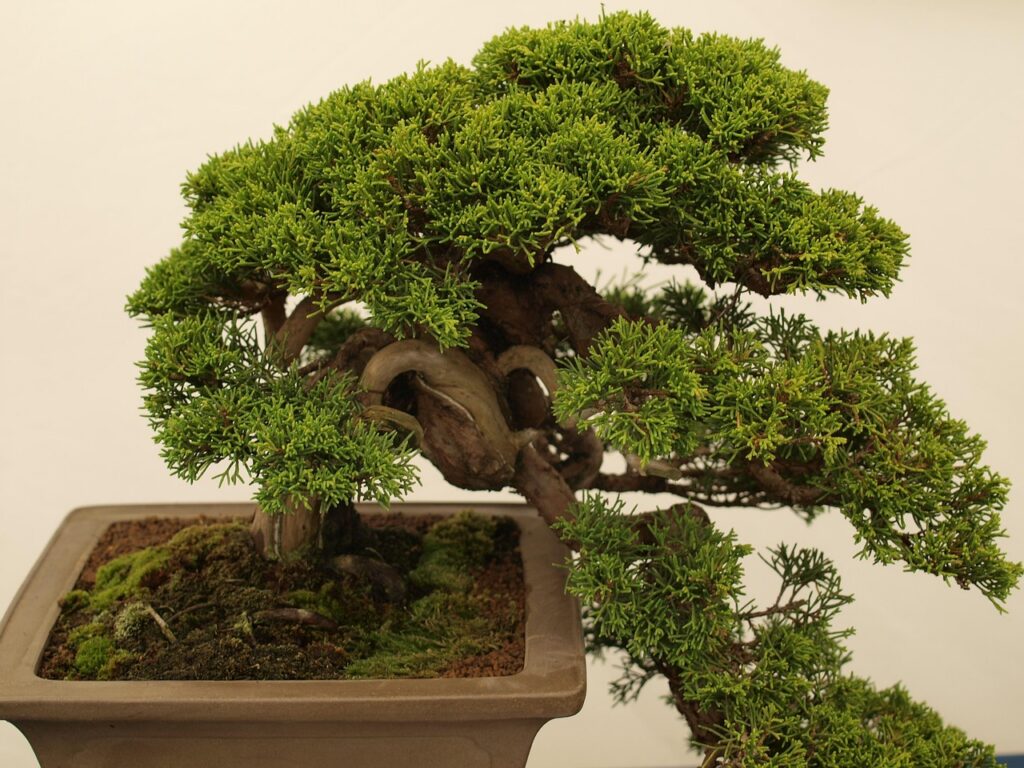
Sunlight remains important during winter, but the way bonsai trees use it changes depending on the species and seasonal condition of the tree.
Deciduous bonsai trees without leaves perform extremely limited photosynthesis during winter because photosynthesis primarily occurs within leaf tissue. Once leaves drop, energy production shifts almost entirely toward stored energy reserves accumulated earlier in the year.
Evergreen bonsai species continue photosynthesis during winter whenever temperatures and sunlight conditions permit. Pines, junipers, and other evergreen bonsai still use their needles or foliage to absorb sunlight and produce small amounts of energy. However, colder temperatures significantly slow the photosynthetic process.
Several biological changes affect winter photosynthesis:
- Shorter daylight hours reduce available energy
- Cold temperatures slow metabolic reactions
- Reduced water movement limits photosynthetic efficiency
- Dormancy hormones suppress active growth
- Trees prioritise survival over energy production
Even though activity slows, winter sunlight still matters greatly. Bonsai trees placed in complete darkness for extended periods may weaken over time. Outdoor species still require natural seasonal light cycles to maintain healthy dormancy patterns.
This is especially important for evergreen bonsai, which can still suffer from insufficient winter sunlight even during dormancy.
How energy storage supports winter survival
One of the most important biological processes in winter bonsai care involves energy storage and conservation. During spring and summer, bonsai trees actively produce sugars through photosynthesis and store excess energy within roots, trunks, and branches.
As winter approaches, hormones signal the tree to redirect resources away from new growth and toward storage systems. These reserves become essential for survival during dormancy and for powering spring growth later.
The bonsai tree carefully manages these energy reserves throughout winter. Because active growth stops, stored carbohydrates are used mainly for maintaining basic cellular function, root survival, and frost protection mechanisms.
Some bonsai species even produce natural antifreeze-like compounds within their cells. These sugars help lower freezing points inside tissues and reduce cellular damage caused by ice formation.
This energy management explains why unhealthy bonsai trees often struggle during winter. Trees weakened by pests, disease, over-pruning, or poor nutrition may not have stored enough energy reserves to survive dormancy successfully.
Understanding the hidden life of winter bonsai
Although bonsai trees may appear inactive during winter, a remarkable amount of biological activity continues beneath the surface. Roots still absorb moisture, evergreen foliage still uses sunlight when possible, and internal energy systems carefully sustain the tree until warmer weather returns.
Winter is not simply a dormant pause but rather a critical survival phase that prepares bonsai trees for healthy spring growth. Understanding how these natural processes work helps bonsai enthusiasts provide better care while avoiding common seasonal mistakes.
By respecting dormancy, adjusting watering properly, providing suitable sunlight, and protecting roots from extreme freezing, bonsai growers can help their trees emerge stronger and healthier when spring finally arrives.