
Winter can be a confusing season for bonsai owners, especially when it comes to maintenance tasks like repotting. Many beginners wonder whether they should repot bonsai trees during winter or wait until warmer weather arrives. The answer depends on the species, climate, and the condition of the tree, but in most cases, winter is not the ideal time for major root work.
Understanding how bonsai trees respond to cold temperatures and dormancy will help you avoid unnecessary stress and potential damage. Knowing when to repot can make a major difference in the long-term health and development of your miniature tree.
Why bonsai trees struggle with repotting in winter
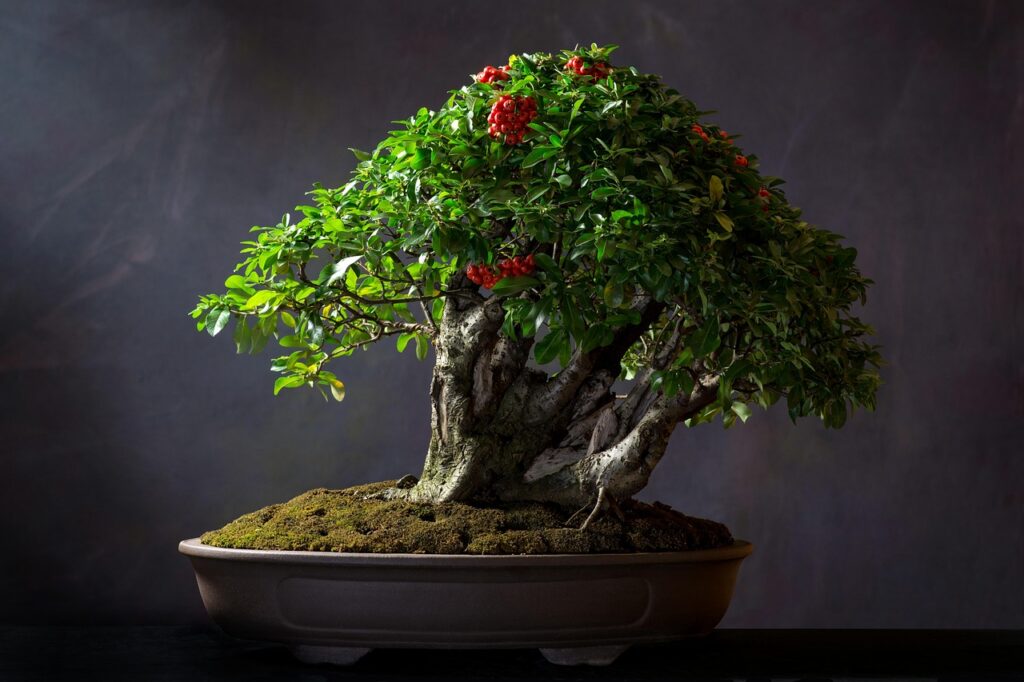
Most bonsai trees enter a dormant state during winter. Growth slows down dramatically, and the tree conserves energy rather than producing new roots, leaves, or shoots. When you repot bonsai trees during winter, you disturb the root system at a time when recovery is much slower.
Roots damaged during repotting may not heal properly in cold conditions. If frost or freezing temperatures occur after the process, exposed roots can suffer severe damage. This is especially dangerous for bonsai trees grown in shallow containers, where the soil cools much faster than in the ground.
Evergreen bonsai species may still absorb some moisture during winter, but deciduous varieties usually become almost completely inactive. Because of this reduced activity, the tree cannot quickly replace lost roots after repotting. The stress can weaken the bonsai and make it vulnerable to disease, rot, or dieback.
Indoor tropical bonsai trees are slightly different because they do not experience true dormancy. However, even these species can slow down in colder months due to reduced sunlight and lower indoor temperatures.
The best time to repot bonsai trees
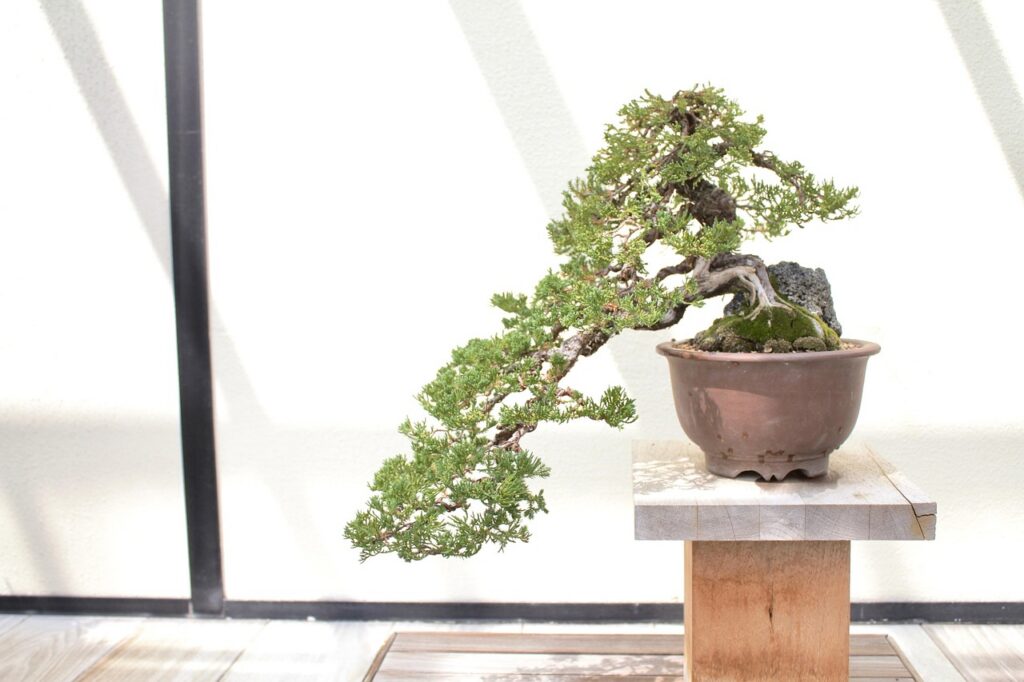
For most species, the ideal time to repot is late winter to early spring. This timing allows the bonsai to recover just as the growing season begins. The tree starts producing fresh roots almost immediately, helping it stabilise faster after root pruning and soil replacement.
A common sign that repotting season is approaching is when buds begin swelling but have not yet opened. At this stage, the tree is preparing for active growth and can recover more efficiently from root work.
Different species may have slightly different timing requirements:
- Deciduous bonsai are often repotted just before spring buds open
- Pine bonsai are usually repotted slightly later
- Tropical bonsai may be repotted during warm growing months
- Flowering species may require repotting after blooming
- Young bonsai generally need more frequent repotting than older trees
Understanding your species is extremely important before deciding whether to repot bonsai trees during winter or another season.
When winter repotting may be necessary
There are situations where emergency repotting becomes unavoidable. If the soil has become waterlogged, roots are rotting, pests are spreading through the root system, or the pot has cracked badly, action may be necessary even during winter.
In these cases, minimise root pruning as much as possible. The goal is not styling or development but simply preserving the health of the bonsai. After repotting, the tree should be protected from frost, heavy rain, icy winds, and sudden temperature changes.
Some bonsai enthusiasts use greenhouses, cold frames, or indoor grow areas to provide a safer recovery environment after emergency winter repotting. Stable temperatures can greatly improve the tree’s chances of survival.
Protecting bonsai roots during cold weather
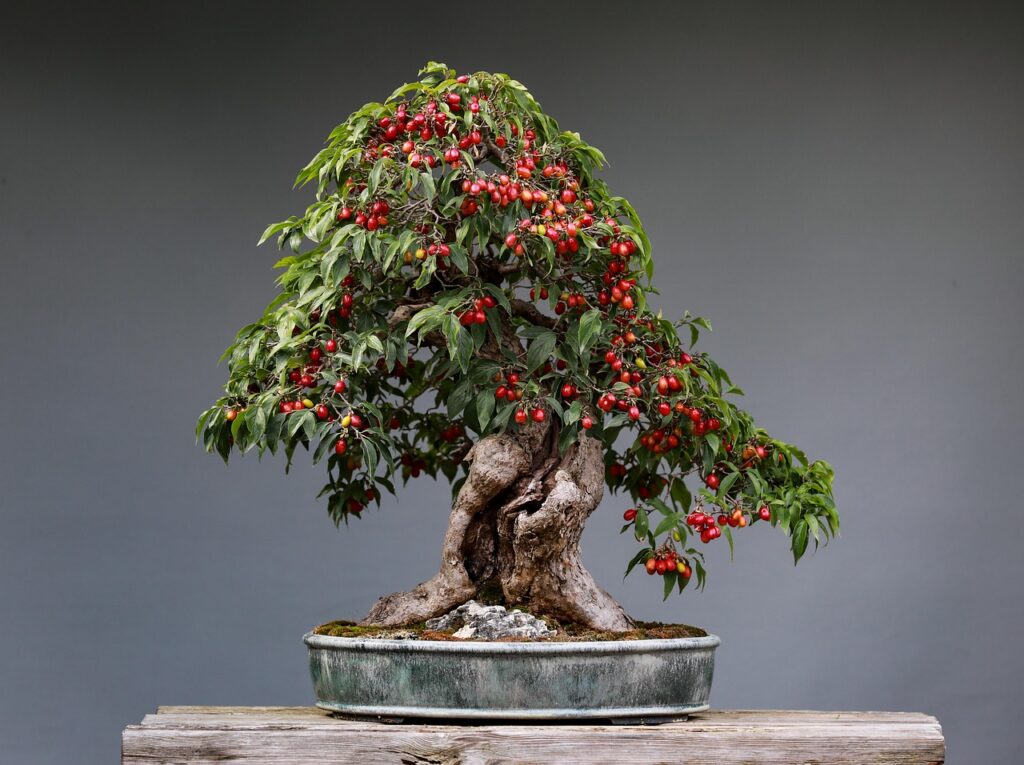
Even if you do not repot bonsai trees during winter, root protection remains essential. Bonsai roots are far more exposed than those of normal trees because of the shallow containers used.
Cold winter winds can freeze soil rapidly, while repeated freezing and thawing cycles may damage fine feeder roots. Using mulch, insulated benches, winter shelters, or protected growing areas can help maintain safer root temperatures.
Watering should also be adjusted carefully. Dormant bonsai still require moisture, but overwatering during winter can lead to fungal problems and root rot. Monitoring soil moisture rather than following a strict schedule is usually the best approach.
Waiting for the right moment
Patience is one of the most important skills in bonsai care. While it may be tempting to repot bonsai trees during winter because the tree appears inactive, waiting for the correct season usually leads to much healthier growth and faster recovery.
Observing your tree closely, understanding its species-specific needs, and timing your repotting carefully will help your bonsai thrive for years to come. Winter is often better used for planning, protection, pruning preparation, and studying your tree’s future development rather than disturbing the roots too early.