Starting your bonsai journey is exciting, but choosing your first bonsai tree can feel a little overwhelming. With so many species, sizes, and styles available, it’s tempting to pick the one that looks the most dramatic or artistic. But your success often depends on choosing the right tree for your lifestyle, climate, and experience level.
This guide is here to help you make a confident choice. Whether you’re growing indoors on a windowsill or setting up in your backyard, we’ll walk you through the best beginner-friendly options, what to avoid, and how to care for your first bonsai tree right from the start.
Table of Contents
🌱 What Makes a Great First Bonsai Tree?
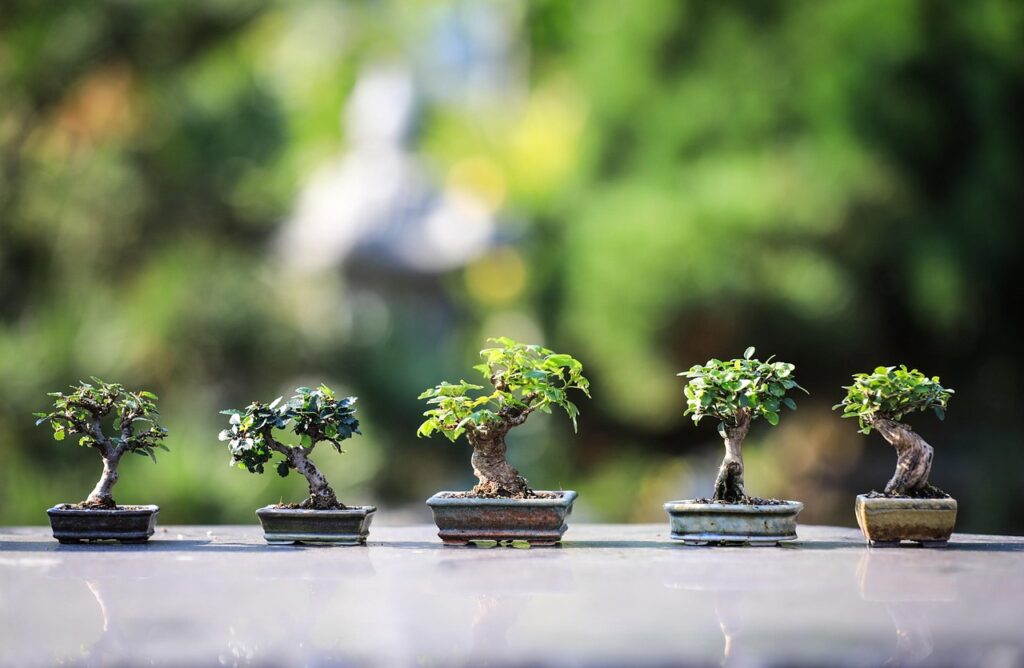
Your first bonsai tree should do more than just look beautiful; it should teach you. The ideal starter tree is forgiving, adaptable, and tough enough to survive the learning curve. Instead of choosing something exotic or high-maintenance, it’s best to start with a species known for its resilience and response to basic care techniques.
Look for trees that can handle beginner mistakes like inconsistent watering or occasional over-pruning. Your first bonsai tree should also suit your climate, whether you’re growing it indoors by a sunny window or outdoors in your backyard. Most importantly, it should be a tree you’re drawn to, something you’ll enjoy caring for and watching grow.
🏡 Indoor vs Outdoor Bonsai for Beginners
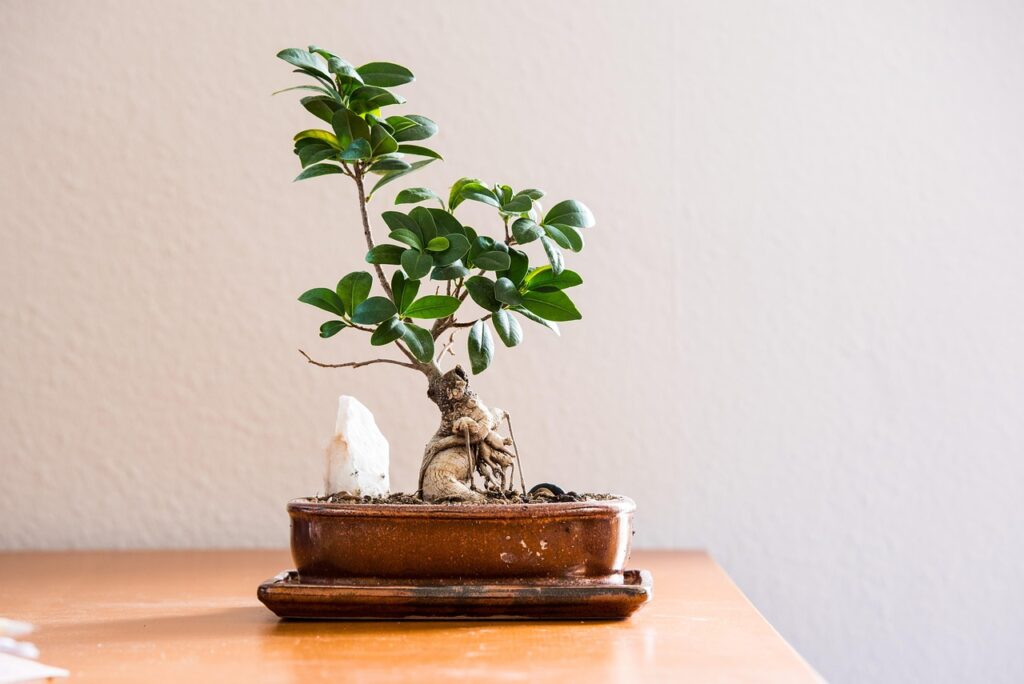
When choosing your first bonsai tree, one of the most important decisions is where it will live. Some bonsai species thrive indoors, while others need the natural rhythms of outdoor light and weather to stay healthy. Understanding the difference will help you pick a tree that fits your lifestyle and space.
For indoor beginners, trees like Ficus, Chinese Elm, and Jade Plants are excellent options; they adapt well to room temperatures and limited sunlight. If you’re planting outdoors, species like Juniper, Wild Olive, and Maple do best in backyards with proper sun and wind protection. Your choice depends on the climate you live in and how much time you can commit to monitoring your bonsai daily.
🌿 The Best Beginner-Friendly Bonsai Species
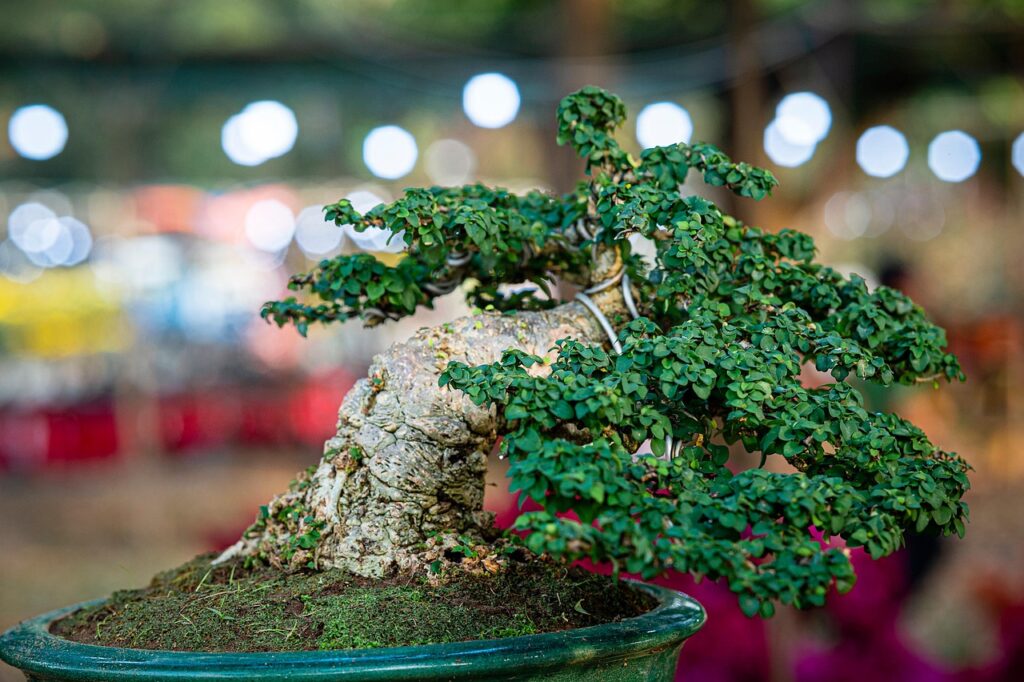
Choosing the right species for your first bonsai tree can make all the difference between success and frustration. These trees are well-known for being beginner-friendly, resilient, and rewarding to work with. Each one offers a unique look and feel while keeping the care requirements manageable.
Here are five excellent species to consider for your first bonsai tree:
- Ficus – Incredibly adaptable, thrives indoors, and bounces back well from pruning.
- Chinese Elm – Great for both indoor and outdoor growers. Fast-growing and responsive to shaping.
- Juniper – A classic bonsai choice for outdoors with its elegant, needle-like foliage and strong trunk lines.
- Jade Plant (Portulacaria afra) – Drought-tolerant succulent that’s ideal for dry climates and simple to maintain.
- Wild Olive (Olea europaea subsp. africana) – Native to South Africa and loved for its hardy nature and unique texture.
Each of these trees provides a strong foundation for learning the fundamentals of bonsai while still looking impressive on your shelf or in your yard.
🛒 Where to Get Your First Bonsai Tree
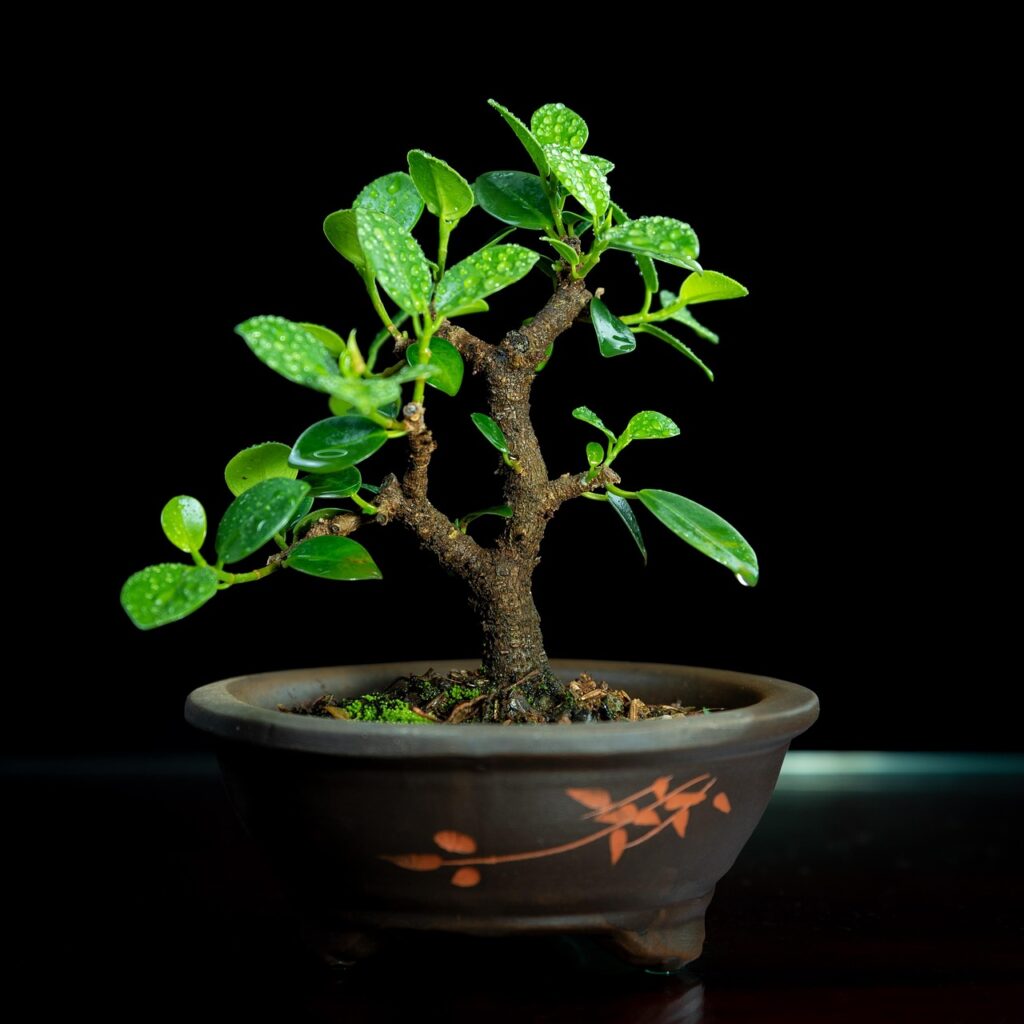
Finding the right place to buy your first bonsai tree is just as important as choosing the species itself. You want a healthy, well-established starter tree, not something mass-produced in poor soil with hidden root issues. Fortunately, there are a few reliable sources to consider, both locally and online.
Local bonsai nurseries and garden centres often carry beginner-friendly trees and can offer expert advice. You can also visit bonsai clubs or events to connect with experienced growers and even adopt a tree from someone’s collection.
Online stores are convenient, but be cautious: always read reviews and check for shipping policies. A good first bonsai tree will have healthy leaves, firm roots, and come planted in proper soil, not glued-in gravel or decorative rocks.
🚫 What to Avoid with Your First Bonsai Tree
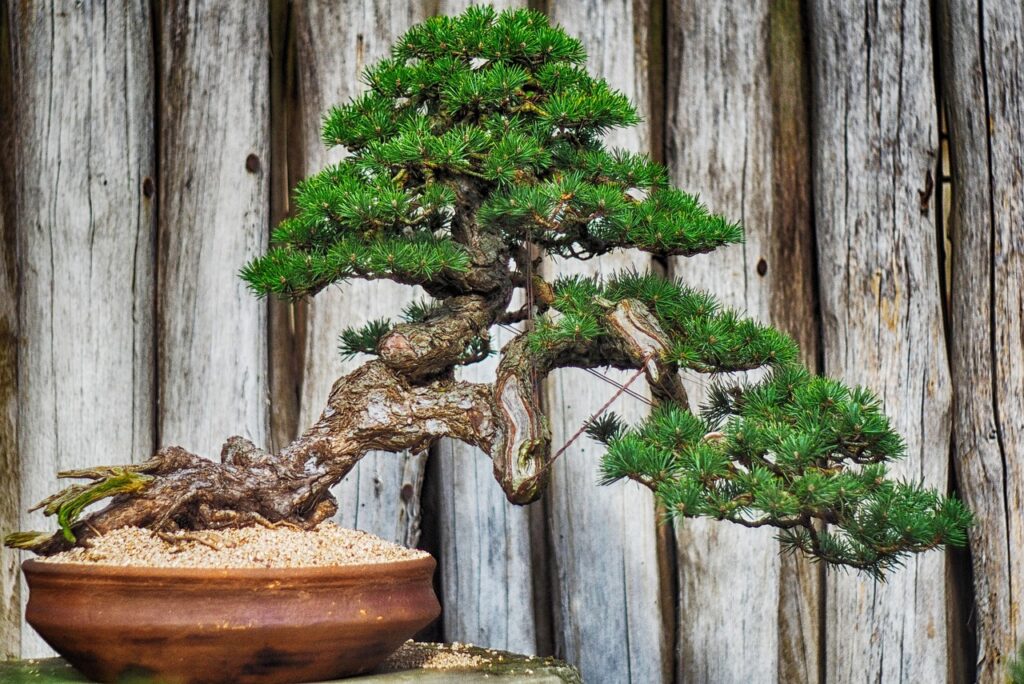
It’s easy to get excited and rush into things when picking out your first bonsai tree, but a few common pitfalls can turn that excitement into frustration. Knowing what to avoid will save you time, money, and potential disappointment.
Avoid choosing a tree based only on appearance. Some of the most beautiful bonsai styles come from species that are delicate, slow-growing, or difficult to maintain. Also steer clear of trees with glued-on decorative gravel or oddly shaped pots; they’re often sold for looks, not health. Lastly, don’t overestimate your time or environment. Your first bonsai tree should match your lifestyle, not overwhelm it.
🌱 Caring for Your First Bonsai Tree (Short Primer)
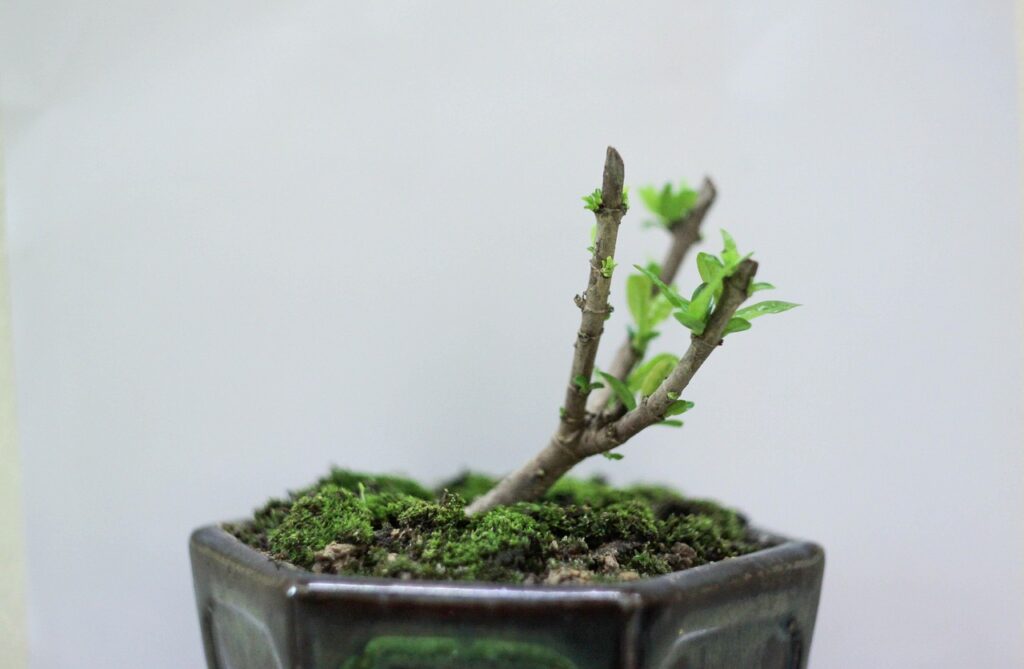
Once you’ve chosen your first bonsai tree, your journey really begins. While full care guides go into much more detail, there are a few basics to keep in mind to help your tree thrive from day one.
Place your tree where it gets the right amount of light; bright, indirect sunlight is ideal for many beginner species. Watering is about balance: check daily, but only water when the topsoil begins to dry out. Avoid over-pruning early on; your first bonsai tree needs time to settle in. With patience and attention, your new tree will reward you with growth and character over time.
🌟 Ready to Choose Your First Bonsai Tree?
Choosing your first bonsai tree is more than just picking a plant. It’s choosing a companion for your growing journey. With the right species, setup, and mindset, you’ll be setting yourself up for years of learning, beauty, and quiet joy.
Now that you know what to look for (and what to avoid), you’re ready to take the next step. If you’re a bit lost, be sure to check all our pages in our Start Here section.