

Winter offers one of the most valuable opportunities in bonsai care. As leaves fall away and growth slows, the true structure of your tree is revealed. For those building a Bonsarium or documenting their journey, this is the perfect time to record your bonsai’s design in detail.
Recording your bonsai in winter is not just about keeping memories. It becomes a practical tool for improvement. By capturing the structure clearly, you can analyse branch placement, identify flaws, and plan future styling decisions with greater confidence.
Why winter is the best time to document structure
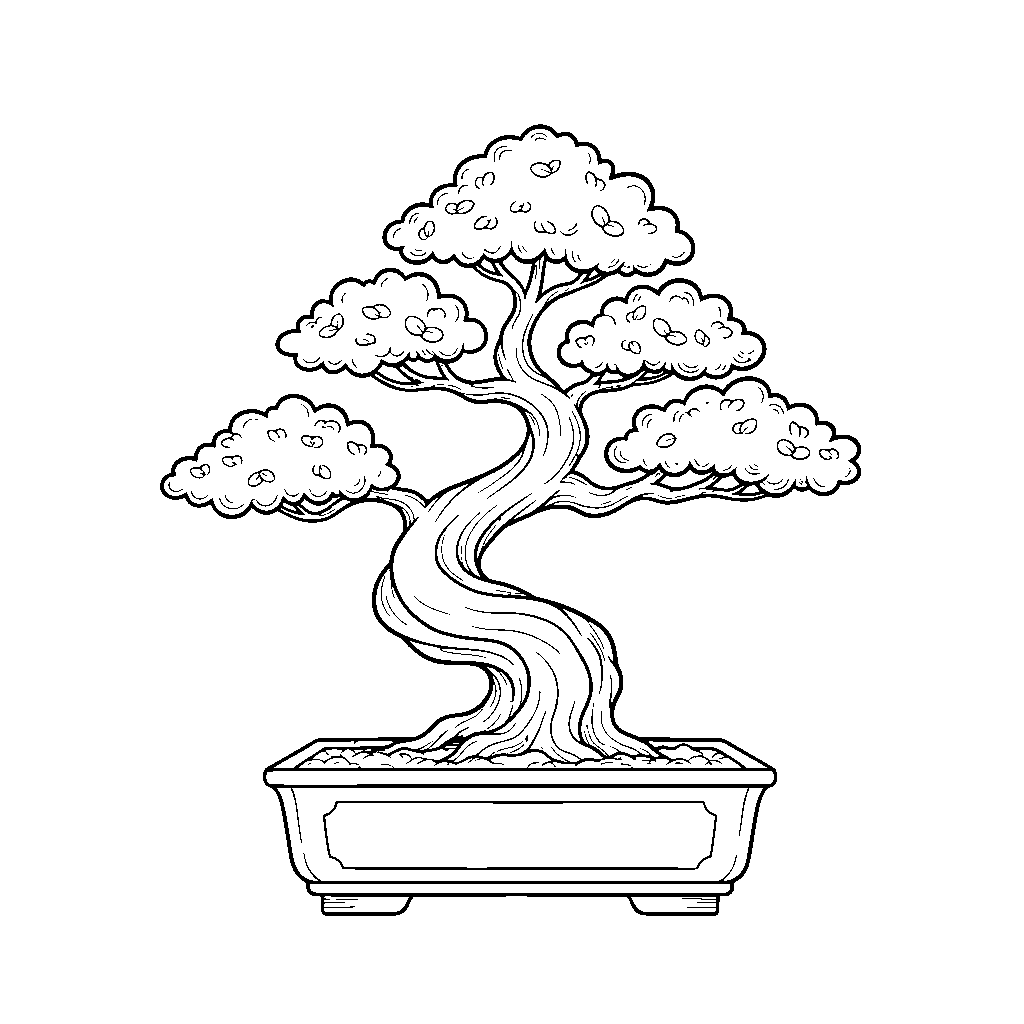
During the growing season, foliage can hide important details. Dense leaves often mask branch lines, trunk movement, and spacing. In winter, especially with deciduous species, everything becomes visible.
This clarity allows you to see the bonsai as a designer would. You can evaluate balance, symmetry, and negative space without distraction. It also helps you spot crossing branches, inverse taper, or areas that need refinement.
For evergreen bonsai, winter still provides benefits. Growth slows down, making the tree easier to observe and photograph without constant changes.
Drawing your bonsai for deeper understanding
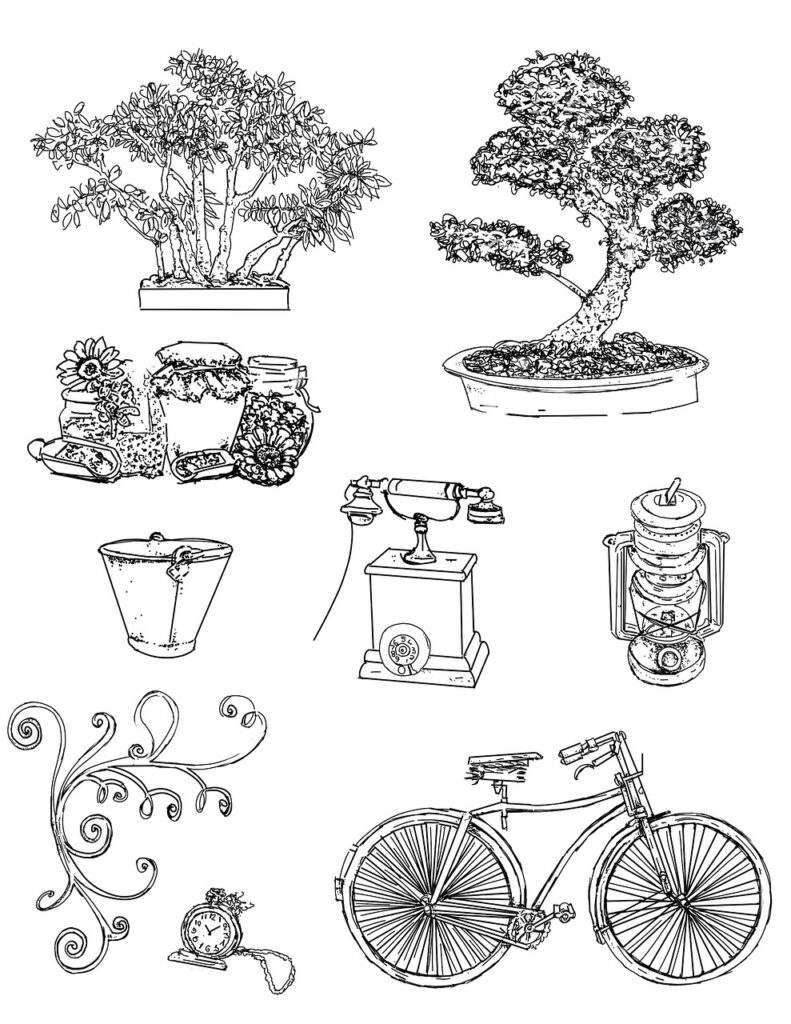
Drawing may seem old-fashioned, but it is one of the most powerful ways to understand your bonsai’s structure. When you draw a tree, you are forced to study every line and detail carefully.
Start with a simple sketch. Focus on the trunk line first, capturing its movement and taper. Then add primary branches, followed by secondary branching. Do not worry about artistic perfection. The goal is observation, not a masterpiece.
As you continue, you will begin to notice patterns and issues you may have missed before. Drawing helps you slow down and engage with your bonsai on a deeper level, making it easier to plan styling decisions for the next growing season.
Photographing your bonsai the right way
Photography is a faster and more precise way to document your bonsai. However, to make it useful, you need consistency.
Take photos from the same angle each time. This allows you to compare changes over months and years. Use a plain background to highlight the tree’s structure, and try to keep lighting consistent to avoid shadows hiding important details.
It can also help to take multiple angles, including front, sides, and even top views. These perspectives give you a more complete understanding of your bonsai’s form.
Key elements to focus on when recording
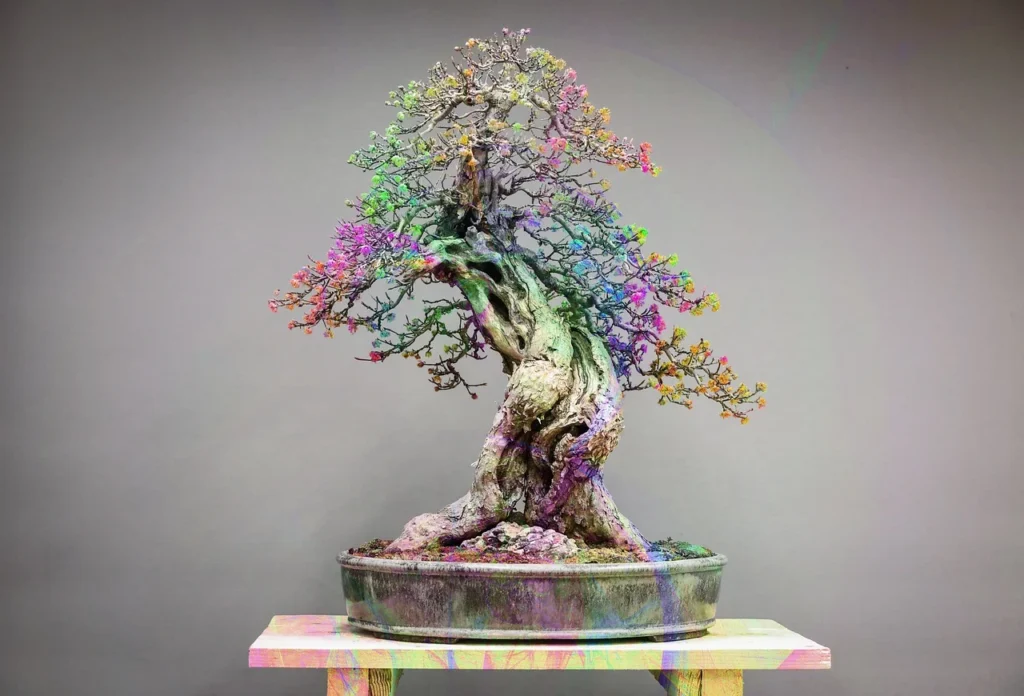
When documenting your bonsai in winter, pay attention to the following:
- Trunk movement and taper
- Primary branch placement and spacing
- Secondary branching structure
- Balance between left and right sides
- Negative space and overall silhouette
These elements define the design of your bonsai. Recording them clearly allows you to track progress and make informed decisions.
Turning records into future design plans
Once you have your drawings and photographs, the next step is to use them. Compare your records over time to see how your bonsai evolves. Look for improvements, but also areas that remain unchanged or problematic.
You can even draw over your photos or sketches to plan future cuts, wiring, or shaping. This turns your Bonsarium into a living design journal rather than just a collection of images.
Over time, this practice builds a deeper understanding of bonsai design. It transforms you from simply maintaining a tree into actively shaping its future.
A quiet season of insight
Winter may seem like a dormant period, but it is one of the most important times for reflection and planning. Recording your bonsai’s structure through drawing and photography allows you to see your tree with fresh eyes.
As part of your Bonsarium, these records become a timeline of growth, learning, and creativity. They capture not just the tree, but your journey as a bonsai artist.