

When heavy rains arrive, they can quickly overwhelm your carefully maintained bonsai setup. What may seem like a natural watering boost can actually become dangerous, especially when water begins to pool around the roots. Bonsai trees are highly sensitive to overwatering, and flooding can lead to root rot, soil compaction, and oxygen deprivation.
Unlike garden plants, bonsai trees are confined to small containers with limited drainage capacity. When rains flood your bonsai tree in the winter season, excess water can linger in the soil longer than expected, creating conditions that suffocate the roots.
In South Africa, seasonal storms and sudden downpours can catch bonsai enthusiasts off guard. Understanding how to respond quickly can mean the difference between saving your tree and losing it.
The key is to act early, assess the damage, and take steps to restore proper drainage and airflow.
Immediate steps to take after flooding
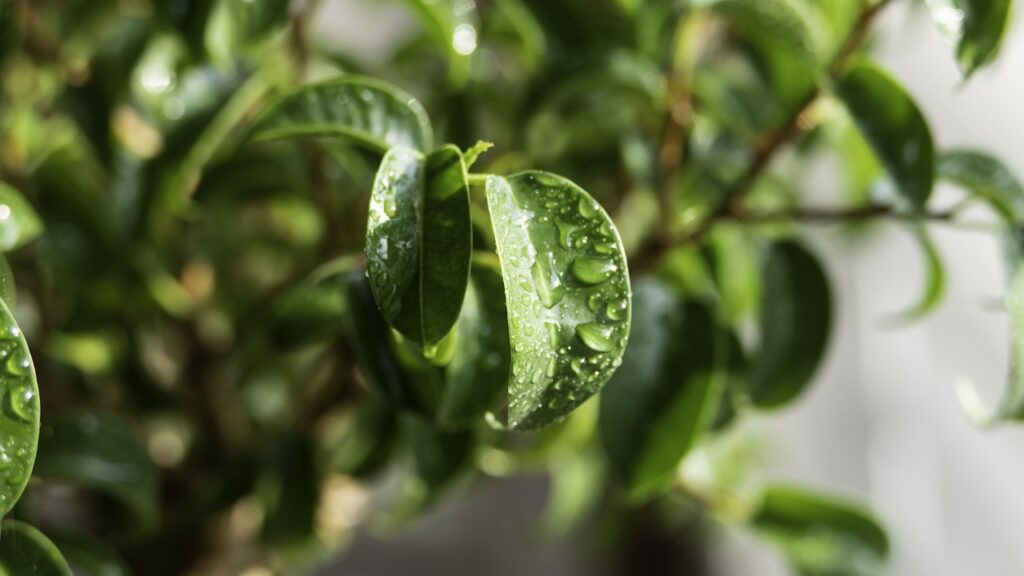
When rains flood your bonsai tree, your first priority is to remove excess water and prevent further damage. Acting quickly helps reduce the risk of long-term issues.
Start by checking the drainage holes. If they are blocked, gently clear them to allow water to escape. You can slightly tilt the pot to help excess water drain out more efficiently.
If the soil is completely saturated, consider carefully removing the tree from its pot to inspect the roots. This should only be done if necessary and with great care to avoid additional stress.
Place the bonsai in a sheltered area where it can dry gradually. Avoid direct harsh sunlight immediately after flooding, as this can shock the tree.
Good airflow is essential during this stage. It helps the soil dry out and prevents fungal growth.
Signs your bonsai may be in trouble
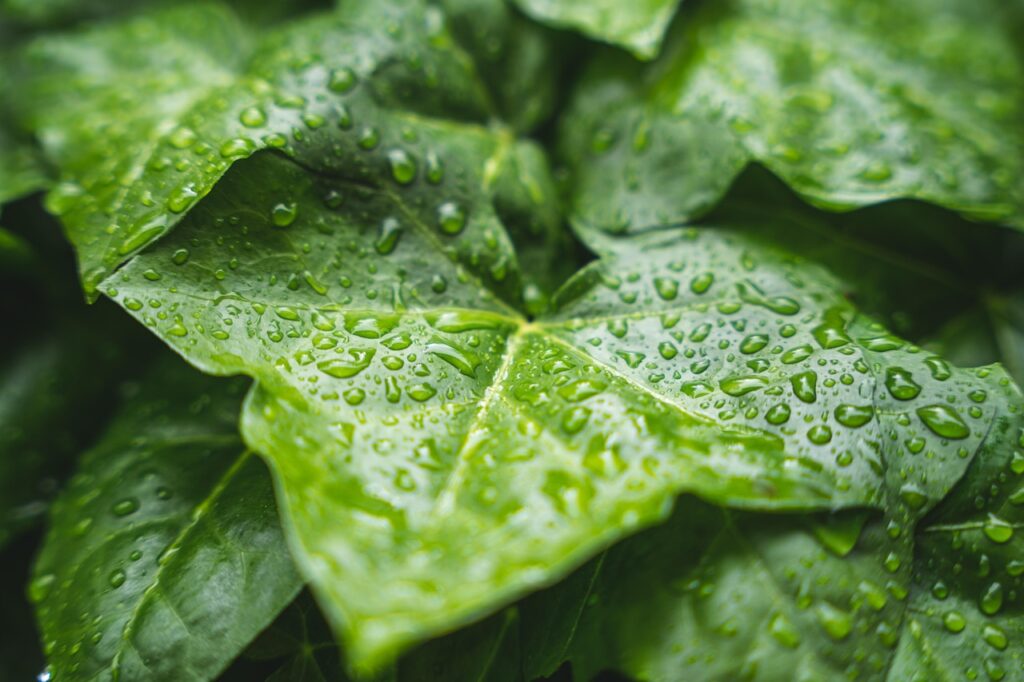
After rains flood your bonsai tree, it is important to monitor for signs of stress or damage. Some symptoms may appear immediately, while others develop over time.
Yellowing leaves are often one of the first indicators of overwatering. This can be followed by leaf drop or wilting, even though the soil is wet.
A foul smell from the soil is a warning sign of root rot. This indicates that the roots are beginning to decay due to lack of oxygen.
You may also notice slowed growth or blackened roots if you inspect the root system. These are clear signs that the tree is struggling.
Early detection allows you to take corrective action before the damage becomes irreversible.
Preventing future flooding issues
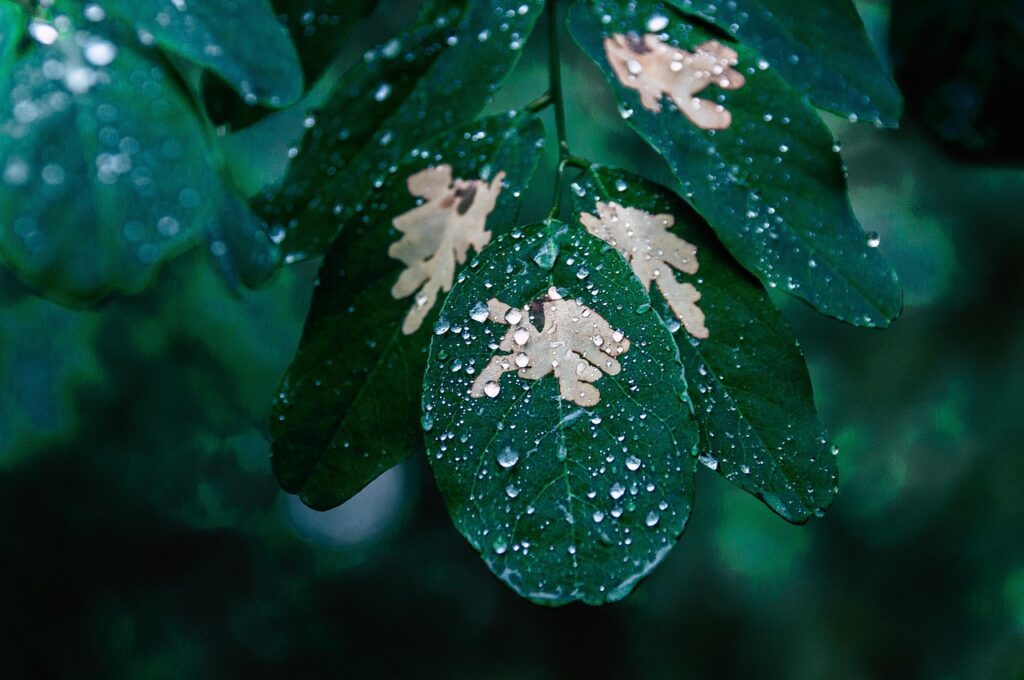
To avoid situations where rains flood your bonsai tree, it is important to prepare your setup in advance of heavy weather.
- Use well-draining bonsai soil mixes with components like akadama, pumice, and lava rock
- Ensure pots have sufficient drainage holes and mesh coverings
- Elevate your bonsai pots slightly to improve water runoff
- Position trees in areas with partial shelter during heavy rain seasons
- Avoid placing bonsai directly on flat surfaces where water can pool
- Regularly check and maintain drainage systems
These preventative measures help reduce the impact of heavy rains and protect your bonsai from unnecessary stress.
By planning ahead, you can maintain healthy conditions even during unpredictable weather.
Long-term recovery and care
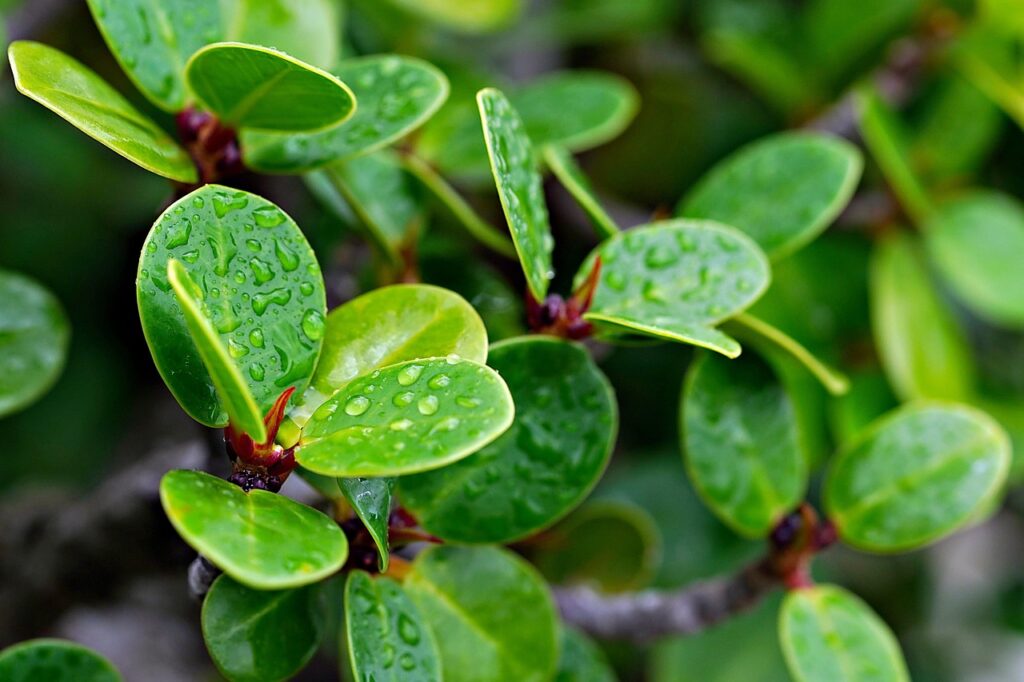
If your bonsai has been affected after rains flood your bonsai tree, recovery will take time and patience. Focus on stabilising the environment and avoiding further stress.
Reduce watering until the soil has returned to a balanced moisture level. Overcompensating with additional watering can worsen the situation.
If root rot is present, you may need to prune damaged roots and repot the tree in fresh, well-draining soil. This process should be done carefully and ideally during the appropriate season.
Fertilising should be paused until the tree shows signs of recovery. Feeding a stressed tree can do more harm than good.
Keep monitoring the tree’s progress, looking for new growth as a sign of recovery. With proper care, many bonsai trees can bounce back from flooding events.
Protecting your bonsai through every season
When rains flood your bonsai tree, it can feel like a setback, but it is also an opportunity to improve your care routine. Understanding how your tree responds to excess water helps you refine your approach and build resilience.
Bonsai cultivation is as much about adapting to nature as it is about shaping it. By preparing for heavy rains and responding effectively, you ensure your tree continues to thrive through changing seasons.
With the right care and attention, your bonsai can withstand even the harshest weather and remain a living work of art in your collection.