Bonsai has a special place in South Africa, shaped by both cultural creativity and environmental responsibility. Local growers have developed unique styles that reflect the country’s landscapes while working within important conservation guidelines. Understanding South African Bonsai Traditions & Laws is key to appreciating how this art form has evolved locally, and how it can thrive in the future.
Table of Contents
The roots of bonsai in South Africa
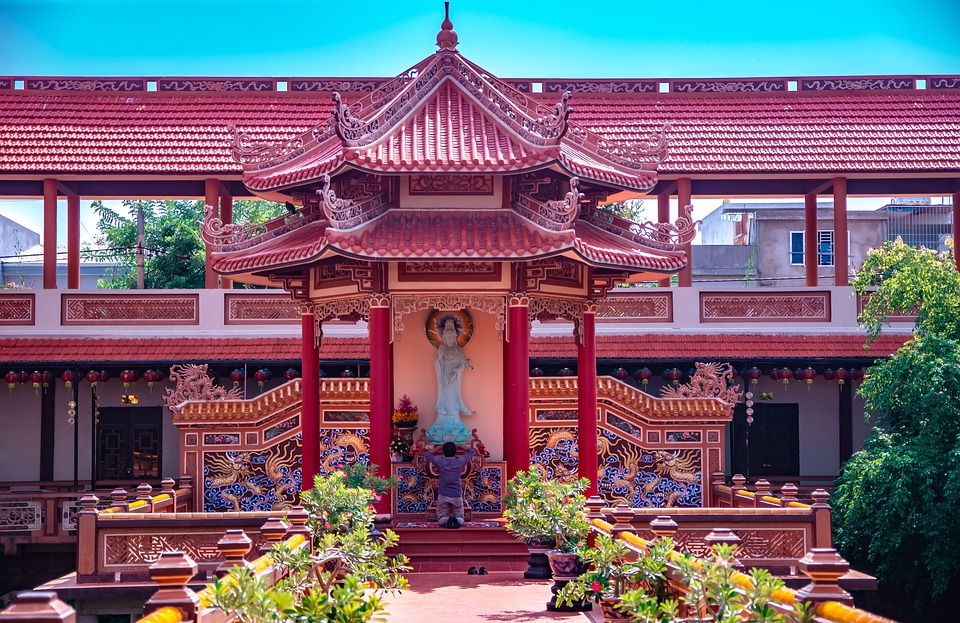
The art of bonsai first reached South Africa through cultural exchanges and travel, inspired by Japanese and Chinese traditions. Early enthusiasts were fascinated by the idea of shaping trees into living art and began experimenting with species available locally.
Over time, South Africans adapted the practice to fit their own environment. Indigenous trees such as Wild Olive, Baobab, and Acacia became popular choices, offering resilience in local climates and giving bonsai a distinctly African identity.
Clubs and societies soon formed, spreading knowledge and teaching techniques that honoured traditional methods while embracing regional variations. These early steps laid the foundation for what we now know as South African Bonsai Traditions & Laws, blending global influence with local heritage.
Popular bonsai traditions in South Africa
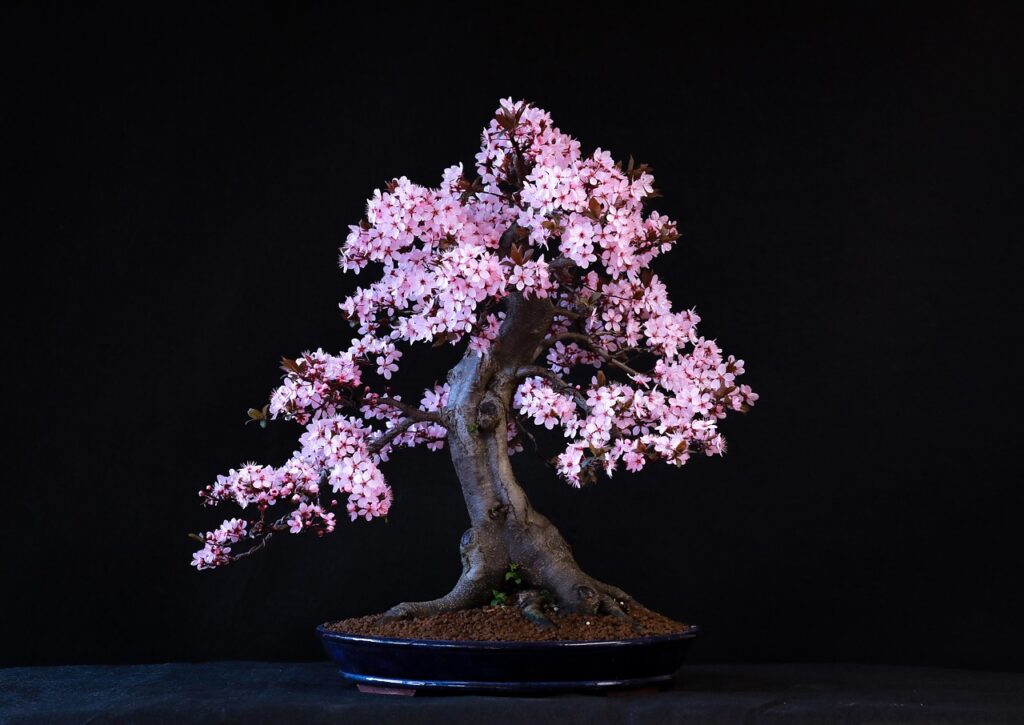
South Africa’s bonsai culture is deeply rooted in the use of indigenous trees. Species like the Wild Olive, Baobab, Acacia, and Spekboom not only thrive in local conditions but also give bonsai a unique character that reflects the country’s diverse ecosystems.
Styling traditions often draw inspiration from the natural landscapes, from windswept coastal cliffs to rugged mountain ranges. This influence can be seen in dramatic trunk shapes, bold root structures, and designs that mimic the resilience of trees in the wild.
Bonsai clubs and societies across the country play an important role in preserving these traditions. They host workshops, exhibitions, and community events where growers share techniques, trade trees, and celebrate the art together.
The blending of indigenous species, local creativity, and community spirit is what makes South African Bonsai Traditions & Laws stand out on the global stage.
Understanding bonsai laws in South Africa
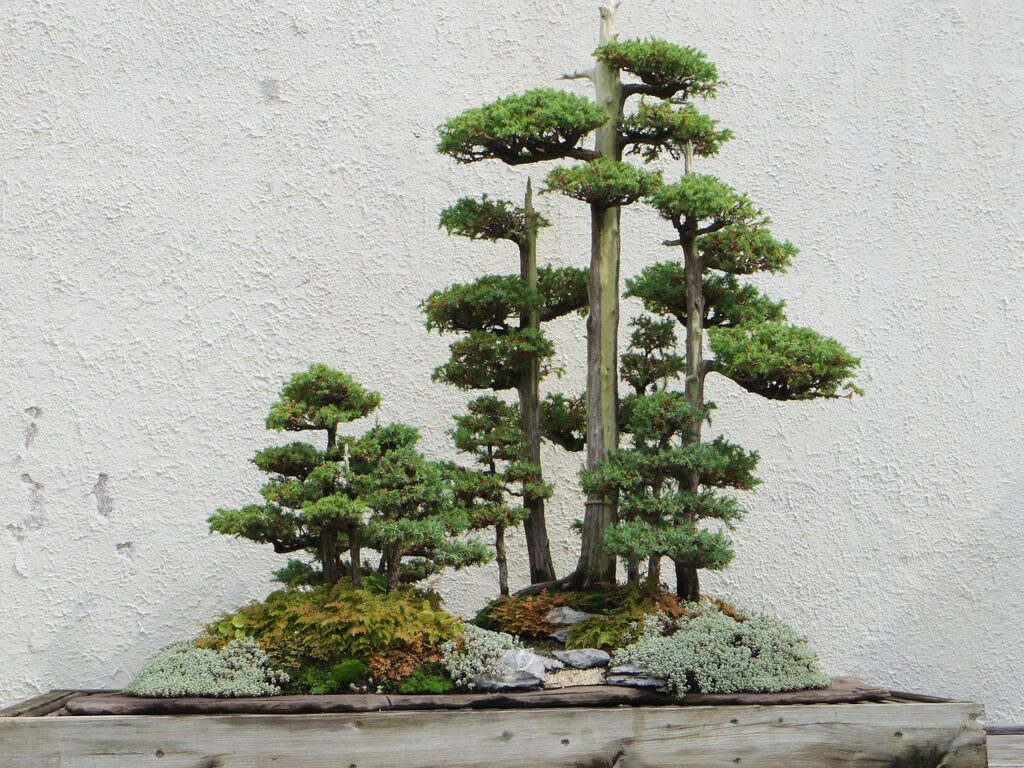
Alongside its creative traditions, South African Bonsai Traditions & Laws have clear rules to protect native species and ecosystems. Anyone interested in bonsai needs to be aware of these legal responsibilities.
- Wild collection restrictions: Uprooting trees from nature reserves, parks, or protected land is illegal. Special permits are sometimes required to collect indigenous species, and fines can apply for breaking these rules.
- Conservation laws: Certain trees, like cycads, are strictly protected. Growing them as bonsai is only allowed if they come from legal, registered sources.
- Buying and trading: When purchasing bonsai, it’s important to buy from licensed nurseries or registered growers who comply with local regulations. This ensures that the trees are sourced responsibly.
- Transport and export: Some species cannot be exported without permits, and transporting protected trees within the country may also require documentation.
Respecting these laws helps preserve South Africa’s biodiversity while supporting a sustainable bonsai community. By staying informed, growers can enjoy the art without risking penalties or harming the environment.
Balancing respect for tradition and law
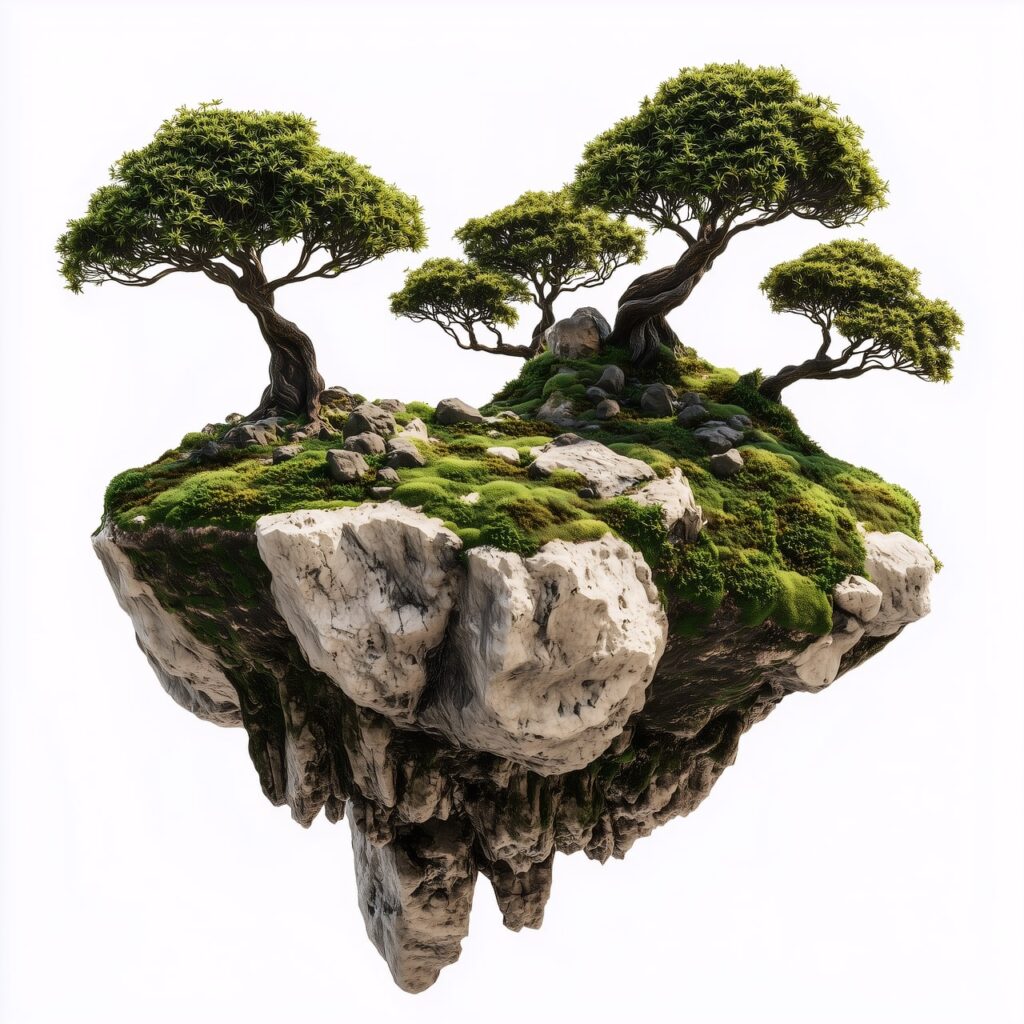
The strength of South African Bonsai Traditions & Laws lies in the way artistry and responsibility come together. Growers not only honour the cultural practices passed down through clubs and communities, but also recognise the importance of protecting indigenous species.
Respecting traditions means celebrating bonsai as a creative art form, inspired by local landscapes and shaped by the hands of dedicated growers. Respecting laws means ensuring that every tree, whether bought or styled, comes from legal and sustainable sources.
Modern bonsai enthusiasts in South Africa are finding new ways to balance the two. By combining creativity with conservation, they ensure that bonsai remains both an expression of beauty and a commitment to environmental stewardship.
Shaping the future of bonsai in South Africa
The story of South African Bonsai Traditions & Laws shows how art and responsibility can grow hand in hand. From using indigenous trees that reflect the country’s landscapes to respecting conservation rules that protect native species, bonsai here has developed its own unique identity.
For beginners and experienced growers alike, understanding both the traditions and the legal framework ensures that bonsai remains a sustainable and meaningful practice. By embracing creativity while protecting the environment, South Africa continues to shape a bonsai culture that is authentic, responsible, and enduring.
Now that you have a better understanding of South African Bonsai Traditions & Laws, start here to begin your bonsai journey.