

Winter is one of the most important seasons in bonsai care, especially when it comes to shaping and structural work. While many beginners assume that growth seasons like spring and summer are the best time to work on their trees, experienced bonsai enthusiasts know that winter offers unique advantages for design pruning.
Understanding why we design prune bonsais in winter can help you make better decisions for your trees, leading to healthier growth, stronger structure, and more refined aesthetics over time.
The natural dormancy advantage
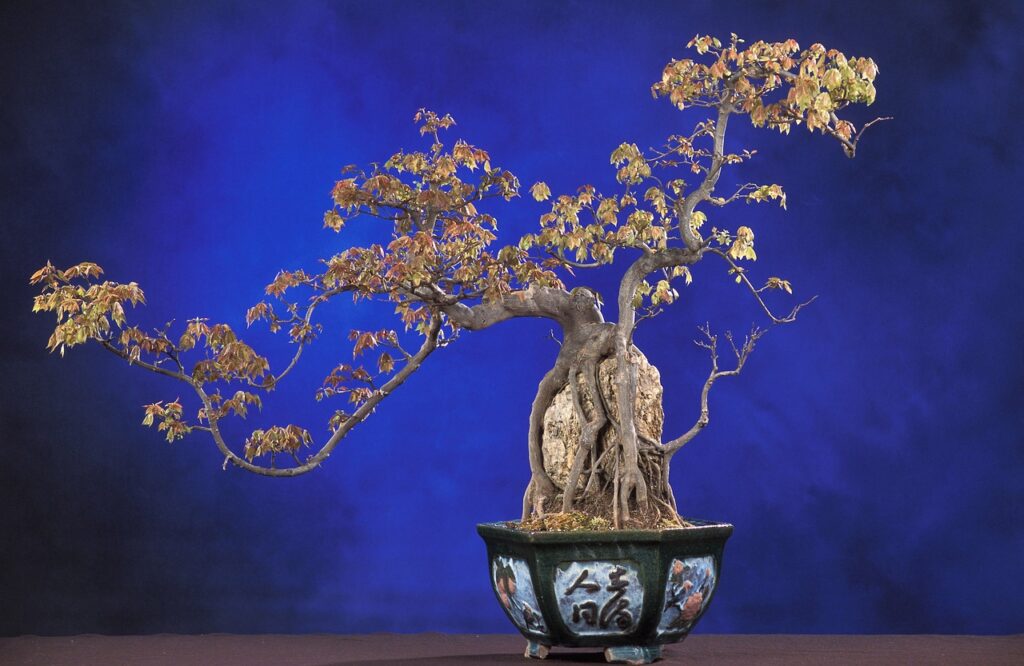
During winter, most bonsai trees enter a state of dormancy. This means that growth slows significantly, and the tree conserves energy rather than producing new shoots or leaves. This dormant phase creates the perfect opportunity for structural pruning.
When you design prune bonsais in winter, you are working with a tree that is not actively growing. This reduces stress on the plant and lowers the risk of excessive sap loss. The tree is essentially “resting,” making it more resilient to major cuts.
Dormancy also allows the tree to heal more efficiently. While visible healing may occur later in spring, the internal processes begin during winter, preparing the tree to respond strongly once growth resumes.
Clear visibility of structure
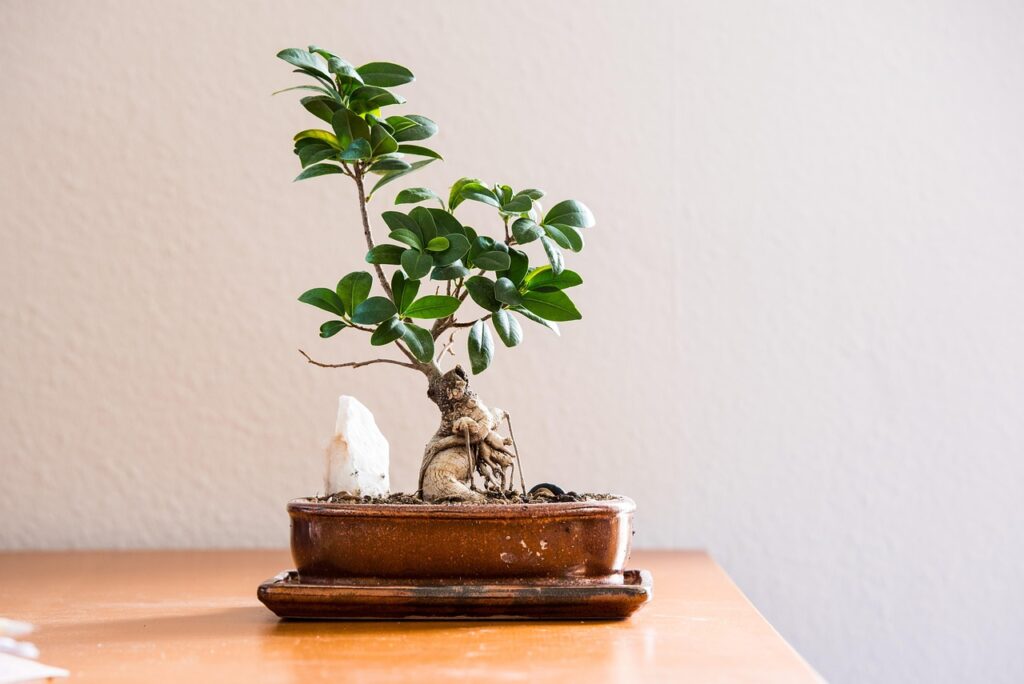
One of the biggest benefits of winter pruning is visibility. Deciduous bonsai trees lose their leaves, revealing the full branch structure. This makes it much easier to assess the design and identify which branches need to be removed or shaped.
Without foliage blocking your view, you can see the trunk line, branch placement, and overall balance of the tree. This clarity is essential when making design decisions, especially for more advanced bonsai styles.
Even for evergreen species, reduced growth and slower activity make it easier to focus on structure rather than constant maintenance. This is why many bonsai artists prefer winter for major design work.
Encouraging strong spring growth
When you design prune bonsais in winter, you are setting the stage for the next growth cycle. Strategic cuts made during dormancy help direct energy to specific areas of the tree once spring arrives.
By removing unwanted branches, you allow the tree to focus its resources on the remaining structure. This results in stronger, more vigorous growth in the desired areas, helping to refine the bonsai’s shape over time.
Winter pruning also encourages better ramification. As new buds form in spring, they will develop in a way that supports the design you established during the dormant season.
Key benefits of winter design pruning
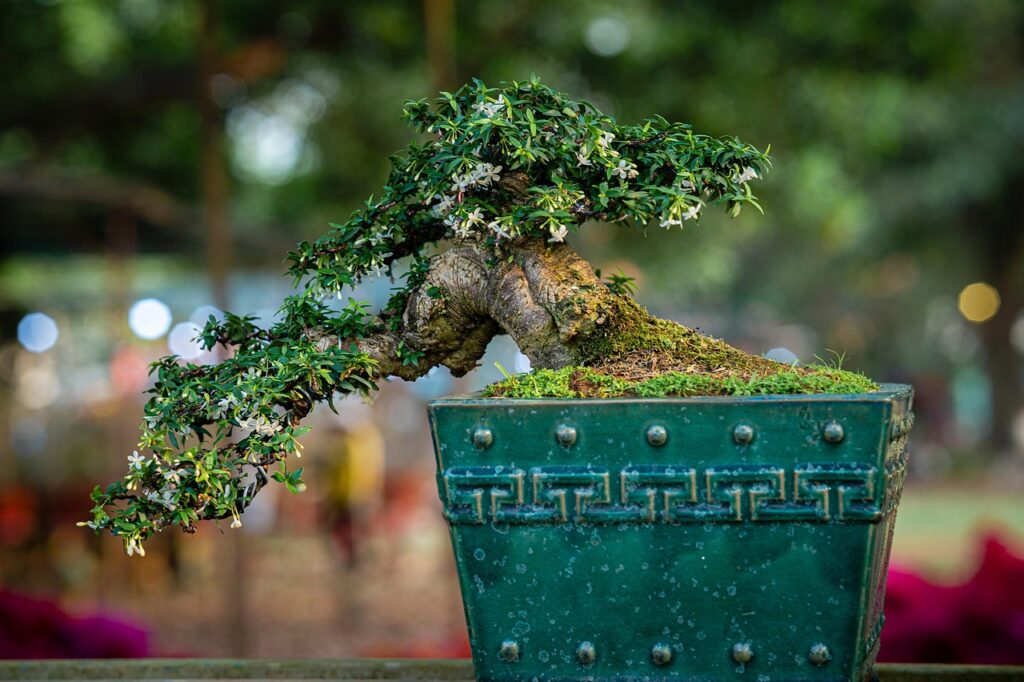
Design pruning in winter is not just about convenience. It provides several practical advantages that contribute to the long-term health and aesthetics of your bonsai.
Here are some of the key reasons why you should design prune bonsais in winter:
- Reduced stress on the tree due to dormancy
- Better visibility of branch structure and design
- Improved healing and recovery process
- Stronger and more directed spring growth
- Enhanced control over long-term shaping
These benefits make winter an ideal time for structural work, especially for trees that require significant design adjustments.
When to avoid winter pruning
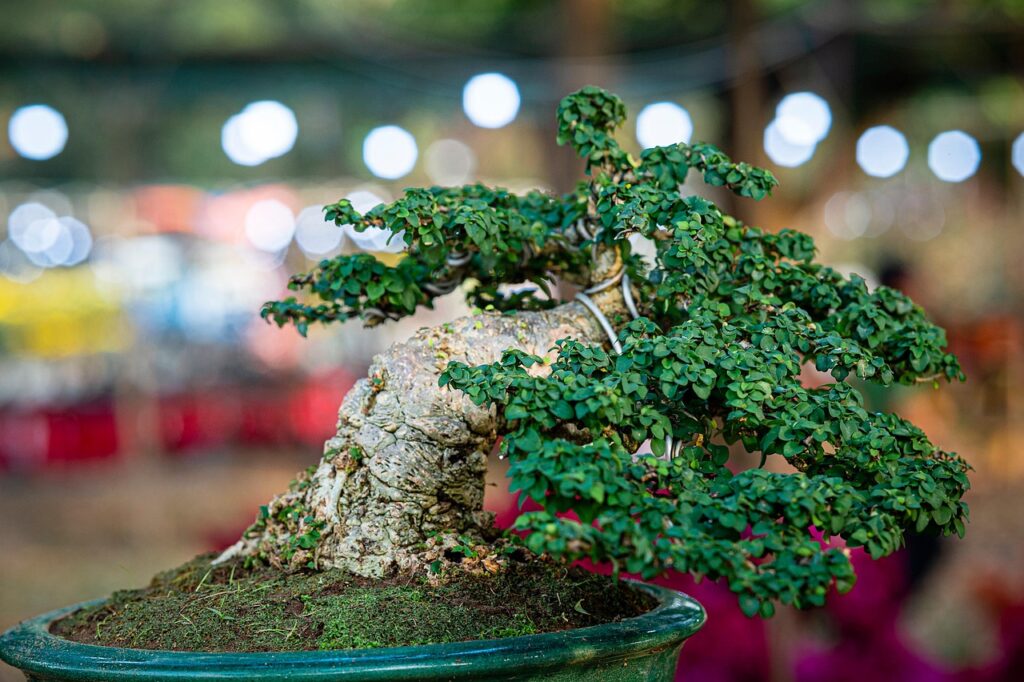
While winter is generally ideal, there are situations where caution is needed. Not all bonsai species respond the same way, and environmental conditions can also play a role.
For example, extreme cold or frost can make freshly cut branches more vulnerable to damage. In such cases, it is better to wait for late winter when temperatures begin to stabilise. Tropical bonsai species, which do not experience true dormancy, may also require different pruning schedules.
It is important to understand the specific needs of your tree species before making major cuts. Observing your bonsai and learning its seasonal patterns will help you determine the best timing for pruning.
Shaping the future of your bonsai
Design pruning is one of the most rewarding aspects of bonsai care. It allows you to guide the tree’s growth and create a living work of art that evolves over time. By choosing the right season, you give your bonsai the best chance to thrive.
When you design prune bonsais in winter, you are working in harmony with the tree’s natural cycle. This not only improves the health of your bonsai but also enhances its beauty and structure.
With patience, practice, and the right timing, winter pruning becomes a powerful tool in your bonsai journey.