

When temperatures drop, proper bonsai winter protection becomes essential for keeping your trees healthy and thriving. Winter can be one of the most challenging seasons for bonsai, especially for beginners who are unsure whether to bring their trees indoors or leave them outside.
The truth is that bonsai winter protection is not just about moving trees indoors for seasonal protection. Many species actually require cold dormancy and will suffer if kept in warm indoor environments. Understanding your tree’s needs is the first step in protecting it correctly.
Whether your bonsai stays outside or comes indoors, the goal is the same. You want to shield it from extreme conditions while still allowing it to follow its natural seasonal cycle.
Understanding Dormancy and Cold Tolerance
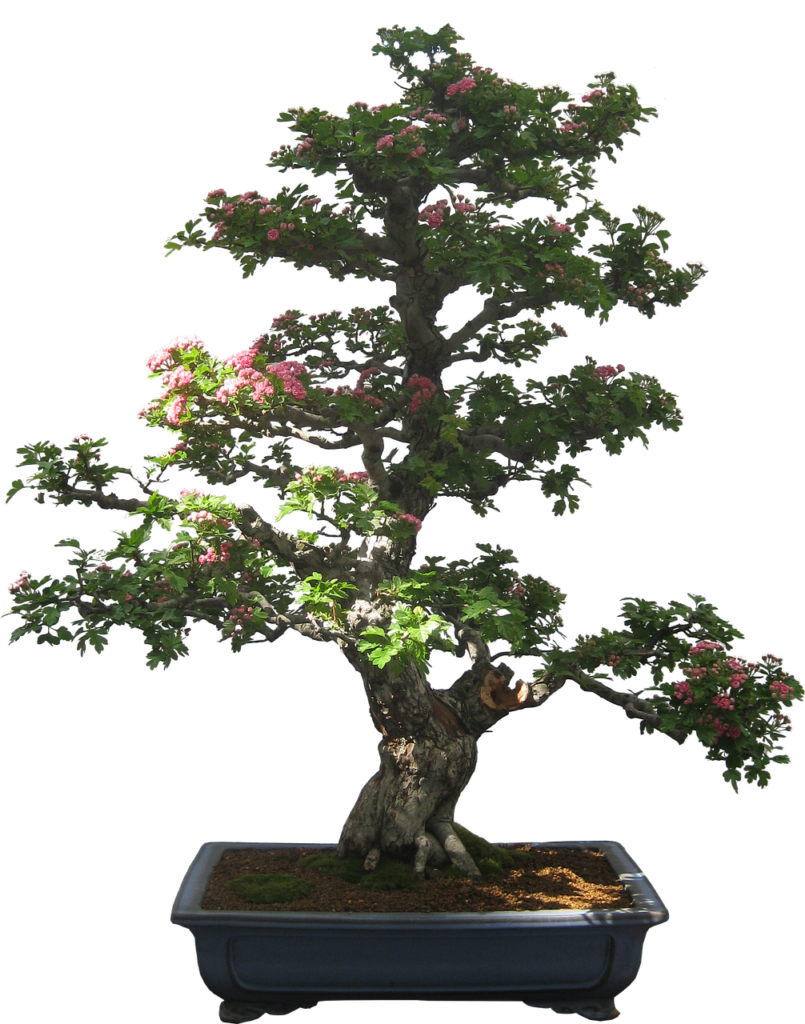
One of the most important aspects of bonsai winter protection is understanding dormancy. Many outdoor bonsai species, especially temperate trees, need a cold period to rest and prepare for spring growth.
Trees such as maples, pines, and junipers are adapted to winter conditions. They slow down their metabolic processes and conserve energy. Removing them from this cycle by placing them indoors can weaken the tree over time.
However, not all bonsai are the same. Tropical and subtropical species do not tolerate frost and must be protected from cold temperatures. These trees require a different approach to bonsai winter protection.
Knowing your species is critical. It determines whether your bonsai should remain outside with protection or be moved to a controlled indoor environment.
Bonsai Winter Protection for Outdoor Trees
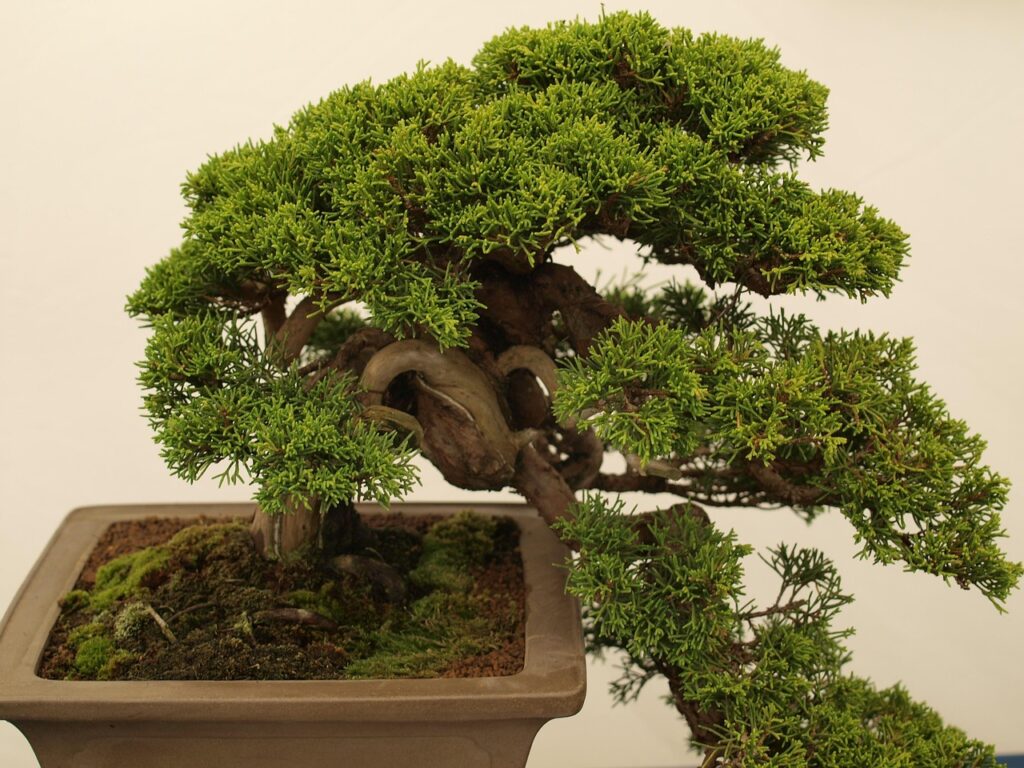
For hardy species, bonsai winter protection focuses on shielding the tree from extreme cold rather than eliminating exposure to it. These trees are naturally equipped to handle winter, but their roots are more vulnerable in shallow pots.
One of the most effective methods is placing bonsai on the ground and insulating the pot. This helps protect the root system from freezing temperatures while allowing the tree to remain in dormancy.
Wind protection is also important. Cold winds can dry out branches and damage delicate structures. Positioning your bonsai near a wall or in a sheltered area can reduce exposure.
Mulching or using protective coverings can further enhance bonsai winter protection. Materials like bark, straw, or even cloth wraps can help regulate temperature and retain moisture around the roots.
Bonsai Winter Protection for Indoor Trees
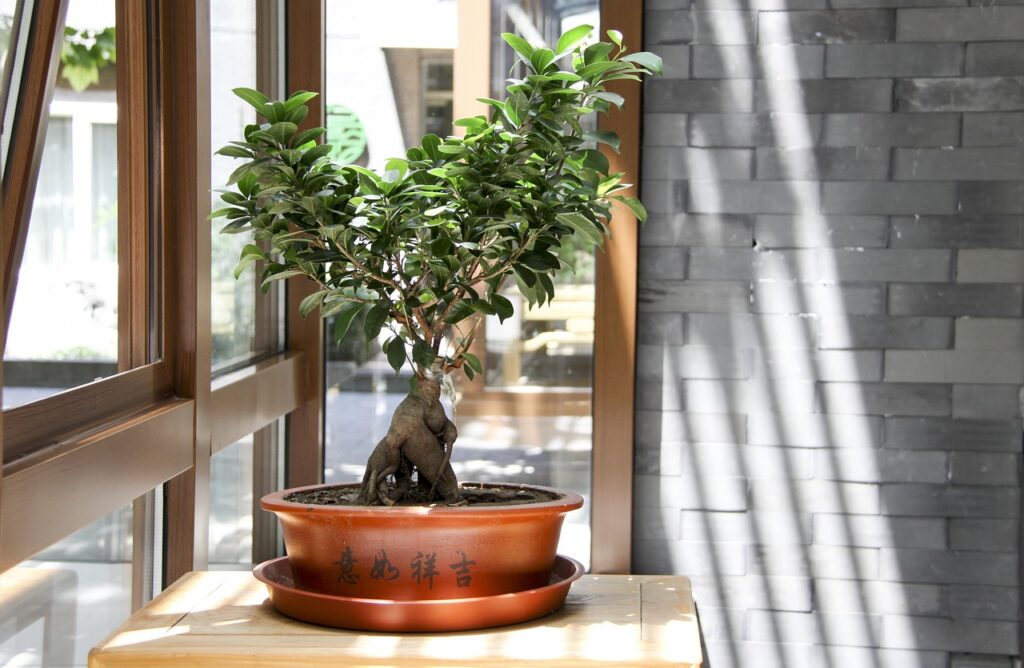
Tropical bonsai require a completely different approach to bonsai winter protection. These trees cannot survive frost and must be brought indoors when temperatures drop too low.
However, indoor care comes with its own challenges. Light levels are often lower in winter, so placing your bonsai near a bright window is essential. Supplemental grow lights can also help maintain healthy growth.
Humidity is another key factor. Indoor heating systems tend to dry out the air, which can stress tropical bonsai. Using humidity trays or misting can improve conditions.
Temperature stability is crucial. Avoid placing your bonsai near heaters or cold drafts, as sudden changes can harm the tree. Proper bonsai winter protection indoors means creating a stable and balanced environment.
Essential Bonsai Winter Protection Tips
There are several practical steps you can take to improve bonsai winter protection for any tree, regardless of whether it is kept indoors or outdoors.
- Identify your bonsai species and its winter requirements
- Protect roots from freezing by insulating the pot
- Reduce watering but do not let the soil dry out completely
- Shield trees from strong winds and frost exposure
- Ensure adequate light for indoor bonsai
- Maintain proper humidity levels indoors
These simple but effective steps can make a significant difference in how your bonsai survives the winter season.
Preparing Your Bonsai for a Strong Spring
Winter is not just a period of survival. It is a time of preparation. Proper bonsai winter protection ensures that your tree emerges healthy and ready for new growth in spring.
By understanding your bonsai’s needs and providing the right level of care, you create the conditions for long-term success. Each winter becomes an opportunity to strengthen your tree rather than a risk to its survival.
With the right approach, your bonsai will not only endure the cold months but thrive in the seasons that follow.