
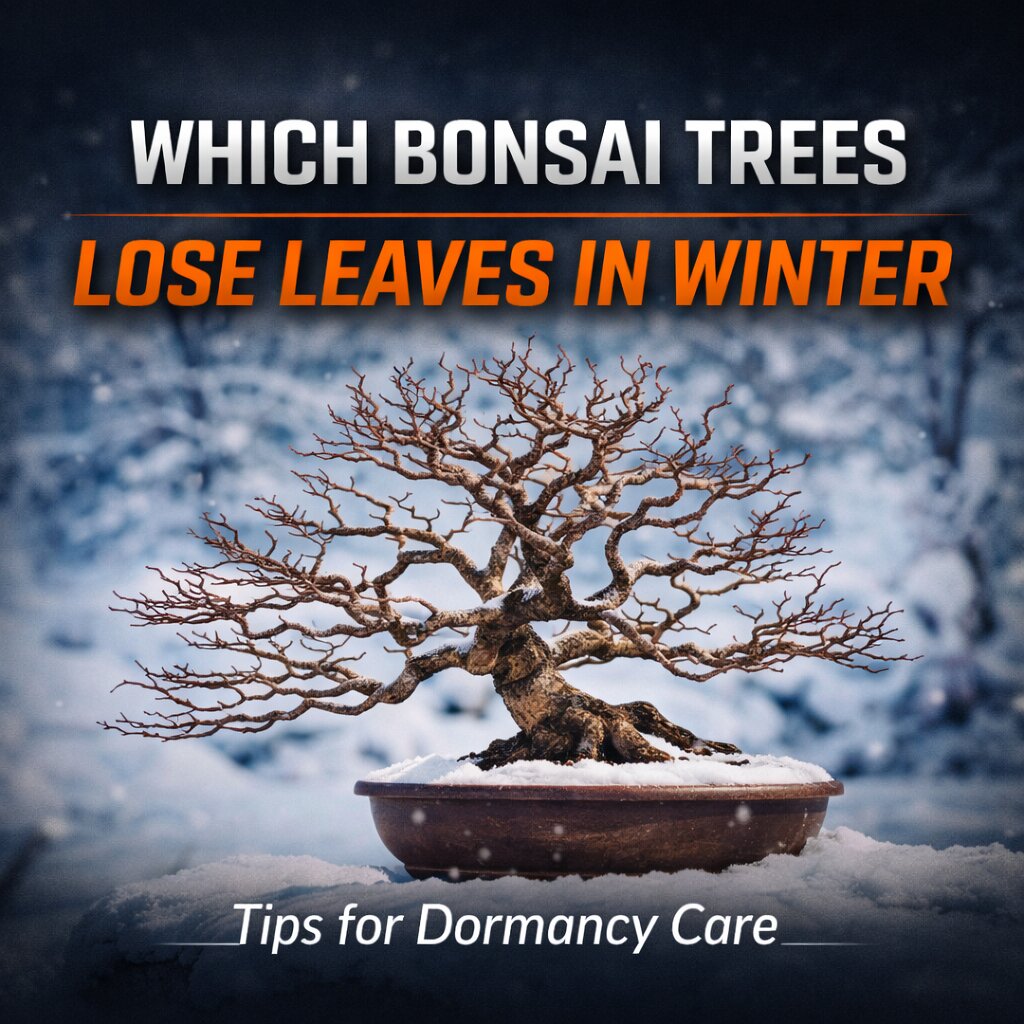
Do bonsai trees lose leaves in winter? The answer depends on the type of tree you have. Some bonsai trees lose leaves as part of their natural seasonal cycle, while others remain green all year. Understanding which bonsai trees lose leaves helps you care for them properly and avoid unnecessary worry when the colder months arrive.
Why some bonsai trees lose leaves in winter
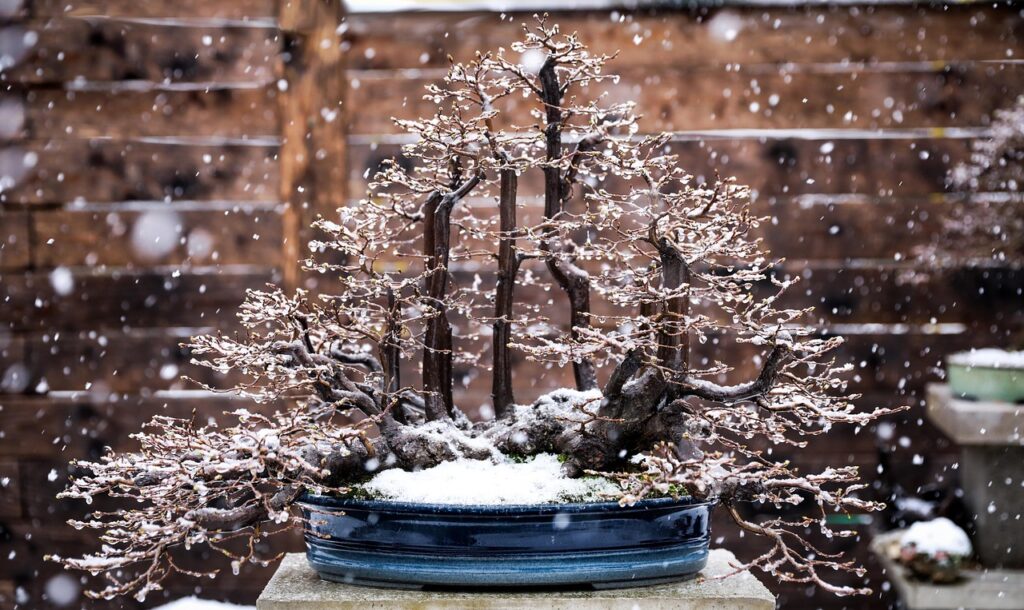
Bonsai trees lose leaves in winter primarily because they are deciduous species. These trees naturally shed their leaves to conserve energy and protect themselves from cold temperatures and reduced sunlight.
In nature, this process is known as dormancy. The tree slows down its growth, reduces water usage, and prepares to survive through the winter months. Bonsai trees follow the same biological patterns as their full-sized counterparts, even when grown in small containers.
When temperatures drop and daylight hours shorten, the tree begins withdrawing nutrients from its leaves. This causes the leaves to change colour and eventually fall off, leaving the tree bare until spring.
It is important to recognise that this is a healthy and necessary process. If your bonsai trees lose leaves during winter and they are deciduous, it usually means they are functioning exactly as they should.
Common bonsai trees that lose leaves
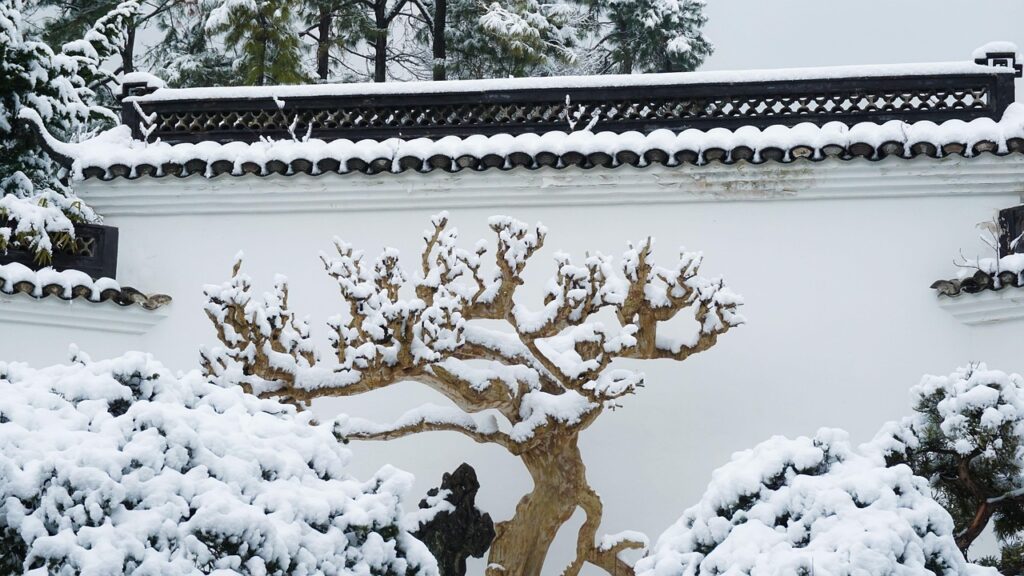
There are several popular bonsai species known for losing their leaves in winter. These trees are often chosen for their beautiful seasonal transformations, including vibrant autumn colours before leaf drop.
Here are some common examples:
- Japanese Maple (Acer palmatum)
- Chinese Elm (Ulmus parvifolia)
- Trident Maple (Acer buergerianum)
- Beech (Fagus species)
- Wisteria (Wisteria species)
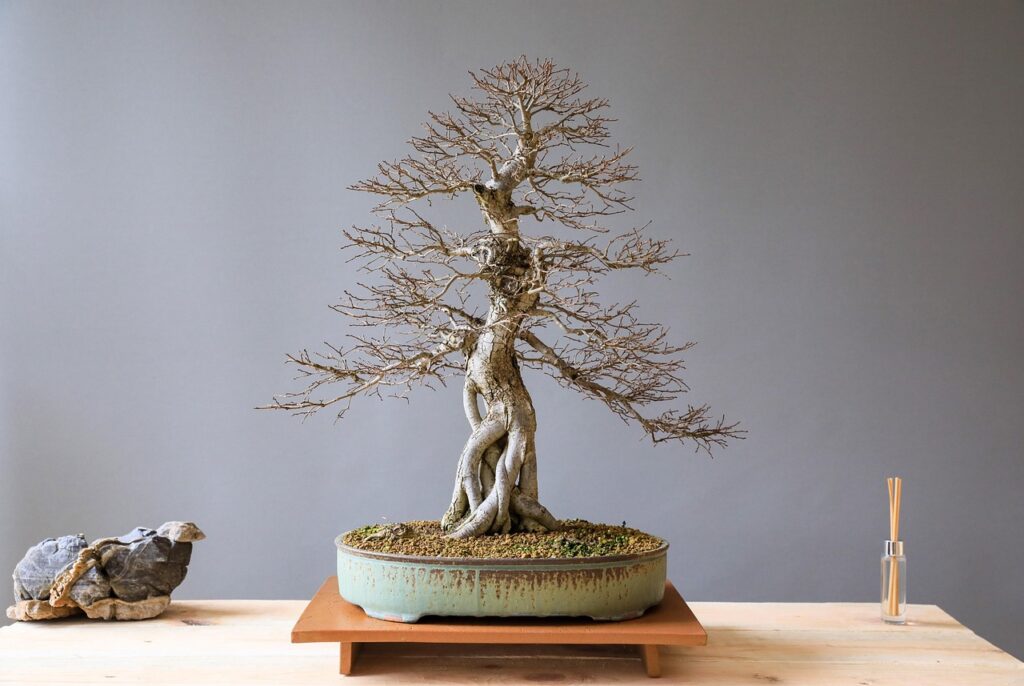
These bonsai trees lose leaves each winter and enter dormancy. During this time, their bare branches can still be visually striking, especially when shaped and styled carefully.
Bonsai trees that do not lose leaves
Not all bonsai trees lose leaves in winter. Evergreen species retain their foliage throughout the year, although they may still slow their growth during colder months.
Examples of evergreen bonsai include junipers, pines, and many tropical species. These trees are adapted to different climates and do not rely on leaf shedding as a survival strategy.
For these trees, winter care focuses more on protection from frost and maintaining appropriate watering levels rather than expecting leaf drop.
Understanding the difference between deciduous and evergreen species is essential. If an evergreen bonsai starts losing leaves unexpectedly, it may indicate stress or poor care rather than a natural seasonal change.
How to care for bonsai trees that lose leaves
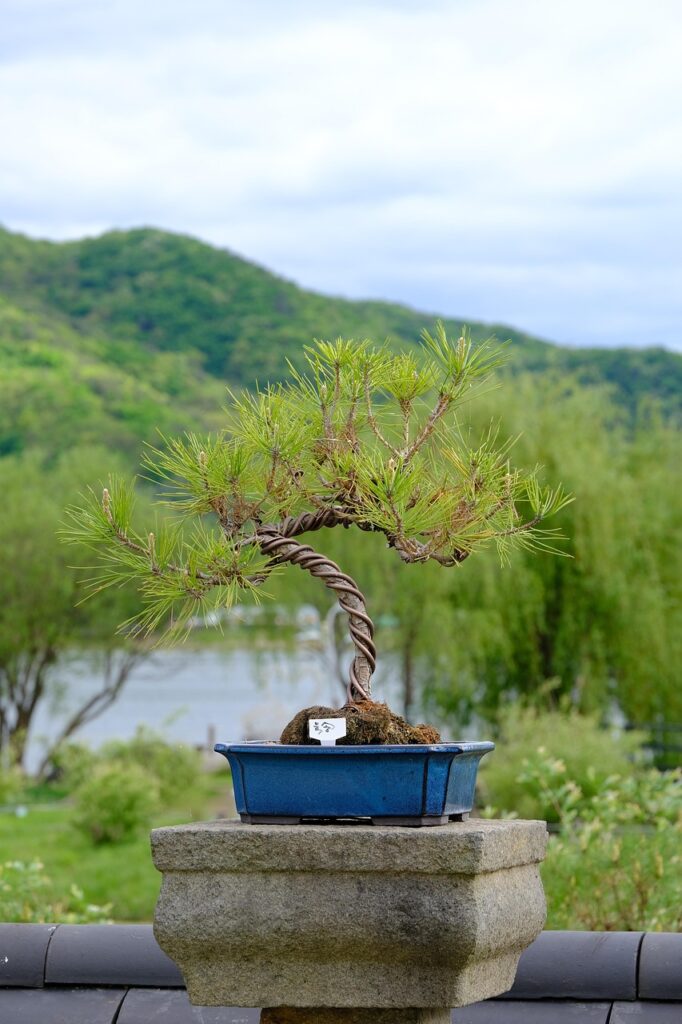
When bonsai trees lose leaves, their care requirements change slightly. While they need less water and nutrients, they still require attention to ensure they remain healthy throughout winter.
Place deciduous bonsai in a location where they can experience natural cold conditions without being exposed to extreme frost. Outdoor placement is often ideal, as it supports proper dormancy.
Watering should be reduced but not stopped. The soil should remain slightly moist, as completely dry conditions can damage the roots even when the tree is dormant.
Avoid fertilising during this period, as the tree is not actively growing. Pruning and heavy styling should also be limited until the tree begins to wake up in early spring.
Understanding the seasonal beauty of bonsai
Bonsai trees lose leaves as part of a natural and essential cycle that reflects the changing seasons. While it may seem concerning at first, it is actually a sign of a healthy, well-adapted tree.
By understanding which species lose leaves and how to care for them during winter, you can ensure your bonsai continues to thrive year after year. The bare branches of a deciduous bonsai offer a different kind of beauty, highlighting structure, movement, and design.
Embracing this seasonal transformation is part of the bonsai journey, allowing you to appreciate your tree in every stage of its life cycle.