
Juniperus Section Sabina represents a distinct and ecologically specialised group within the juniper genus, characterised primarily by its dominance of scale-like foliage and its adaptation to harsh, often mountainous environments. Species within Section Sabina are typically low-growing, spreading shrubs, though some forms may develop into small trees under favourable conditions. This section is most closely associated with cold-tolerant, drought-adapted junipers that thrive where soils are thin, alkaline, and well-drained.
From a botanical perspective, Section Sabina is notable for its foliage dimorphism, producing both juvenile needle-like leaves and mature scale leaves, as well as for its strong chemical defences, which have shaped both its ecological role and its relationship with humans.
While several species in this section are widely used in landscaping and erosion control, they also hold a more specialised place in bonsai cultivation, where their rugged growth habits and natural resilience can be harnessed, provided their toxic properties and growth behaviour are properly understood.
Table of Contents
Taxonomy
– Kingdom: Plantae (Plant Kingdom)
— Clade: Embryophytes (Land Plants)
— Clade: Polysporangiophytes (Multiple Sporangia)
—- Clade: Tracheophytes (Vascular Plants)
—– Superdivision: Spermatophytes (Seed Plants)
—— Clade: Gymnospermae (Naked Seeds)
——- Division: Pinophyta (Conifers)
——– Class: Pinopsida (Living Conifers)
——— Subclass: Cupressidae (Evergreen Conifers)
———- Order: Cupressales (Cypress)
———– Family: Cupressaceae (Cypress)
———— Subfamily: Cupressoideae (Cypress)
————- Genus: Juniperus (Juniper)
————– Section: Sabina (Scale-Leaf Junipers)
What Is Juniperus Section Sabina?
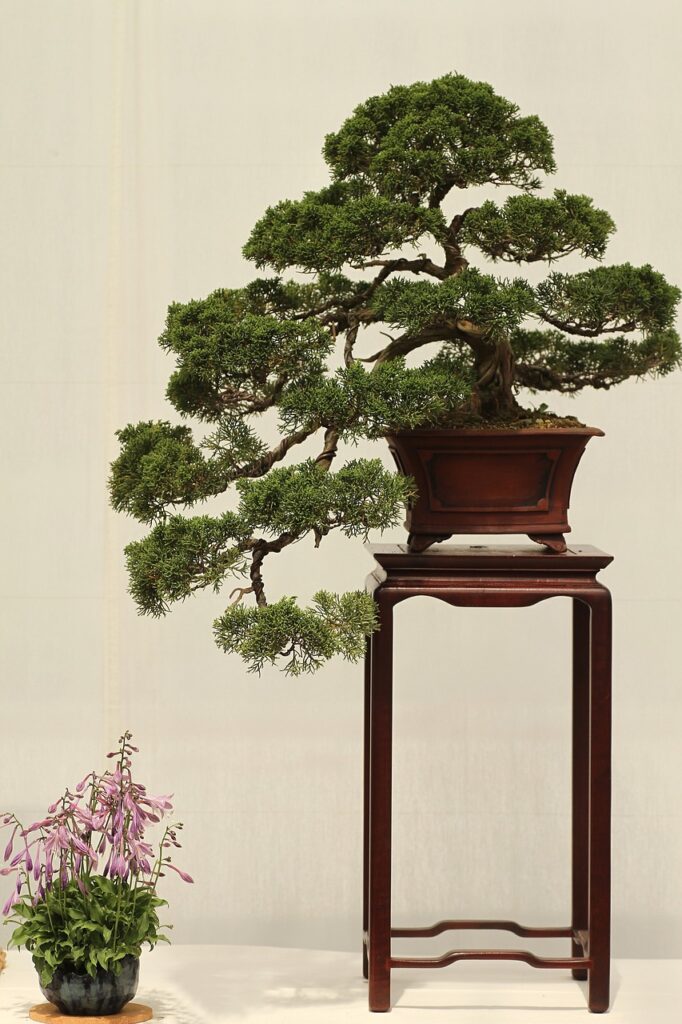
Juniperus Section Sabina is a major taxonomic section within the genus Juniperus, grouping together species that are predominantly scale-leaf junipers. Unlike needle-leaf sections, members of Section Sabina develop adult foliage that is mostly scale-like, arranged in opposite pairs or whorls of three, closely resembling the foliage structure seen in Cupressus species. Juvenile needle-like leaves may still appear, particularly on young plants or vigorous growth, but these needles are not jointed at the base.
Botanically, Section Sabina is defined not only by foliage type but also by growth habit and chemical composition. Species in this section are typically low-growing, spreading shrubs, though some can mature into small trees depending on species and environment. Many produce strong aromatic compounds, particularly sabinene and related terpenes, which serve as natural deterrents to herbivory but also make several species highly toxic.
From a broader plant perspective, Section Sabina represents junipers adapted to stressful environments, including cold mountain regions, rocky slopes, and alkaline soils. These adaptations give the section its characteristic toughness and longevity.
In bonsai, this resilience can be an advantage, but the naturally creeping growth habit and toxicity mean that Section Sabina requires a more informed, species-aware approach compared to more upright or needle-leaf juniper groups.
Taxonomic Placement of Section Sabina Within the Juniperus Genus

Section Sabina is one of the principal taxonomic sections within the genus Juniperus, which belongs to the family Cupressaceae. Within the genus, sections are primarily distinguished by adult leaf form, cone structure, and growth habit. Section Sabina is firmly placed among the scale-leaf junipers, separating it from needle-leaf sections such as Juniperus sect. Juniperus, where adult foliage remains needle-like throughout the plant’s life.
Taxonomically, Section Sabina includes species that transition from juvenile needle foliage to mature scale foliage as they age. This developmental shift is a key diagnostic feature and reflects a close evolutionary relationship with other scale-leaf conifers. The scale leaves are tightly appressed to the stems, forming compact sprays that reduce water loss and protect the plant in exposed environments.
Within the broader structure of the genus, Section Sabina encompasses multiple species rather than a single lineage, making it more diverse than monotypic sections. This diversity is reflected in variations in growth form, cone size, and ecological preference, while still maintaining a consistent set of defining characteristics.
For bonsai and horticulture, understanding this taxonomic placement is essential, as care expectations for Section Sabina differ significantly from those of needle-leaf junipers, despite sharing the same genus.
Evolutionary Origins and Adaptive Lineage of Section Sabina
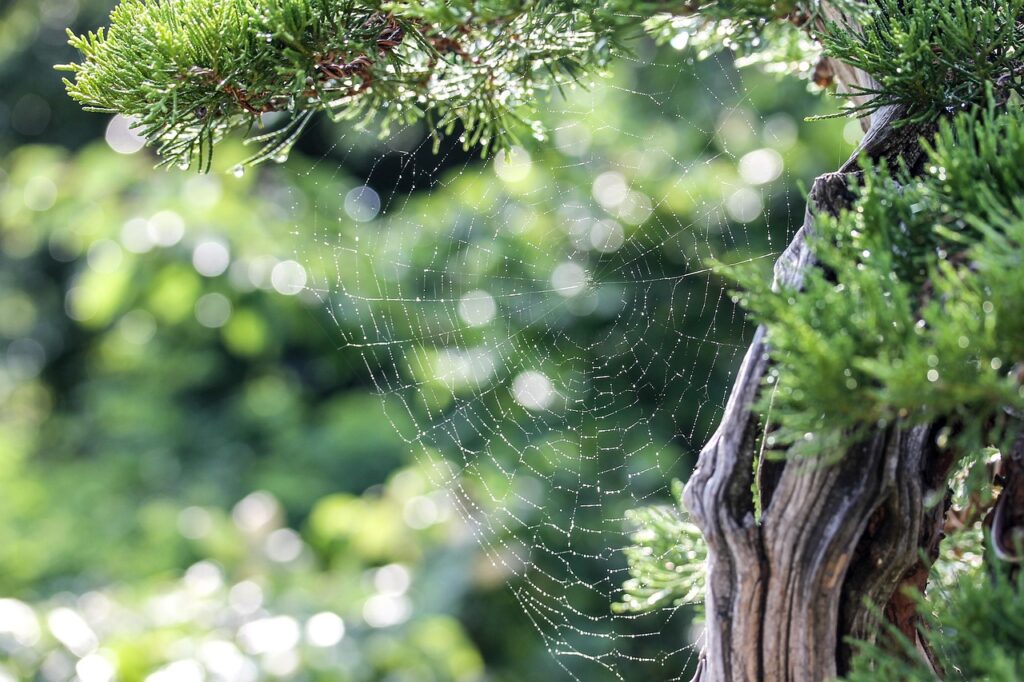
Section Sabina represents an adaptive lineage within Juniperus shaped by long-term exposure to environmental stress rather than rapid diversification in benign habitats. Its evolutionary trajectory is closely tied to cold, dry, and nutrient-poor regions, where survival favoured compact growth forms, reduced leaf surface area, and strong chemical defences. These pressures collectively pushed the lineage toward the scale-leaf condition that defines the section today.
From an evolutionary standpoint, Section Sabina illustrates how junipers responded to climatic oscillations, mountain uplift, and expanding steppe environments across Eurasia. The result is a group of species highly specialised for persistence rather than speed of growth, with traits that remain remarkably consistent across wide geographic ranges.
Adaptation to cold and mountainous environments
One of the defining evolutionary drivers of Section Sabina is adaptation to cold, high-altitude, and exposed habitats. Many species evolved in mountainous regions where temperature extremes, wind exposure, and shallow soils placed strict limits on plant form and physiology.
Low, spreading growth habits helped reduce wind damage and heat loss, while scale-like foliage minimised moisture loss and protected sensitive tissues. These traits allowed Section Sabina species to colonise slopes, ridgelines, and rocky outcrops where taller or broader-leaved plants could not survive.
Transition from needle to scale foliage
The evolutionary shift toward dominant scale foliage in Section Sabina reflects a response to long-term environmental stress. While juvenile needle-like leaves are still produced, especially on young plants or strong new growth, adult scale leaves became the primary foliage type due to their efficiency and durability.
This transition reduced transpiration, increased resistance to desiccation, and provided better protection against frost and mechanical damage. The persistence of juvenile foliage in certain conditions also highlights the plasticity of the lineage, allowing plants to respond dynamically to growth conditions.
Chemical defence as an evolutionary strategy
Another critical component of the adaptive lineage of Section Sabina is its development of potent chemical defences. Many species produce high concentrations of essential oils and toxic compounds that deter herbivores and inhibit fungal or bacterial attack.
While these chemicals have made some species historically useful for medicinal or cultural purposes, they also represent a clear evolutionary trade-off. The toxicity that protects the plant in the wild requires careful handling in horticulture and bonsai, reinforcing the need for informed cultivation rather than casual use.
Longevity and resilience over rapid growth
Evolution within Section Sabina prioritised longevity and survival rather than fast vertical growth or frequent reproduction. Many species grow slowly, invest heavily in woody structure, and rely on durability rather than regeneration speed.
This slow, resilient strategy explains both their success in harsh environments and their appeal in bonsai, where aged appearance, compact form, and natural deadwood features often develop without aggressive intervention.
Defining Morphological Characteristics of Section Sabina
Section Sabina is defined by a combination of foliage structure, growth habit, and reproductive features that clearly distinguish it from other groups within the Juniperus genus. These morphological traits are not incidental but represent long-term adaptations to environmental stress, shaping how these plants grow, reproduce, and interact with their surroundings.
Understanding these defining characteristics is essential for accurate identification, proper cultivation, and informed bonsai practice, as Section Sabina behaves very differently from upright or needle-leaf junipers despite sharing the same genus.
Growth habit and structural form
Most species in Section Sabina exhibit a low, spreading growth habit, often forming dense mats or broad, irregular shrubs rather than tall, upright trees. Branches frequently grow horizontally or slightly ascending, hugging the ground or cascading over rocks and slopes.
This growth form provides stability in exposed environments and allows plants to exploit limited soil pockets. In cultivation, this natural tendency influences styling possibilities, favouring semi-cascade, cascade, and naturalistic forms rather than formal upright designs.
Foliage dimorphism and leaf arrangement
A key morphological feature of Section Sabina is foliage dimorphism, the presence of both juvenile and adult leaf forms on the same plant at different stages or under different conditions. Juvenile leaves are needle-like and often appear on young plants or during vigorous regrowth, while mature foliage consists of tightly appressed scales.
Adult scale leaves are arranged in opposite pairs or whorls of three, forming flattened sprays that reduce water loss and protect internal tissues. This dimorphism can persist throughout the plant’s life and is especially relevant in bonsai, where pruning and stress may trigger reversion to juvenile foliage.
Bark, branching, and wood characteristics
The bark of Section Sabina species is typically fibrous or shredding with age, often peeling in thin strips. Branching tends to be irregular and layered, contributing to a naturally aged and rugged appearance even in relatively young plants.
Wood is generally dense and resilient, supporting the slow growth strategy of the section. Over time, deadwood features such as natural dieback and weathered branches may occur, particularly in harsh environments, enhancing the visual character prized in both landscape and bonsai settings.
Scent and chemical properties
Crushed foliage and wood from Section Sabina release a strong, often unpleasant aroma caused by high concentrations of volatile compounds. These chemicals play a defensive role in the wild but also serve as an identifying trait.
This characteristic scent reflects the presence of toxic compounds, reinforcing the need for caution when handling these plants and distinguishing Section Sabina from less chemically aggressive juniper groups.
Scale-Leaf Foliage Structure and Growth Habit in Section Sabina
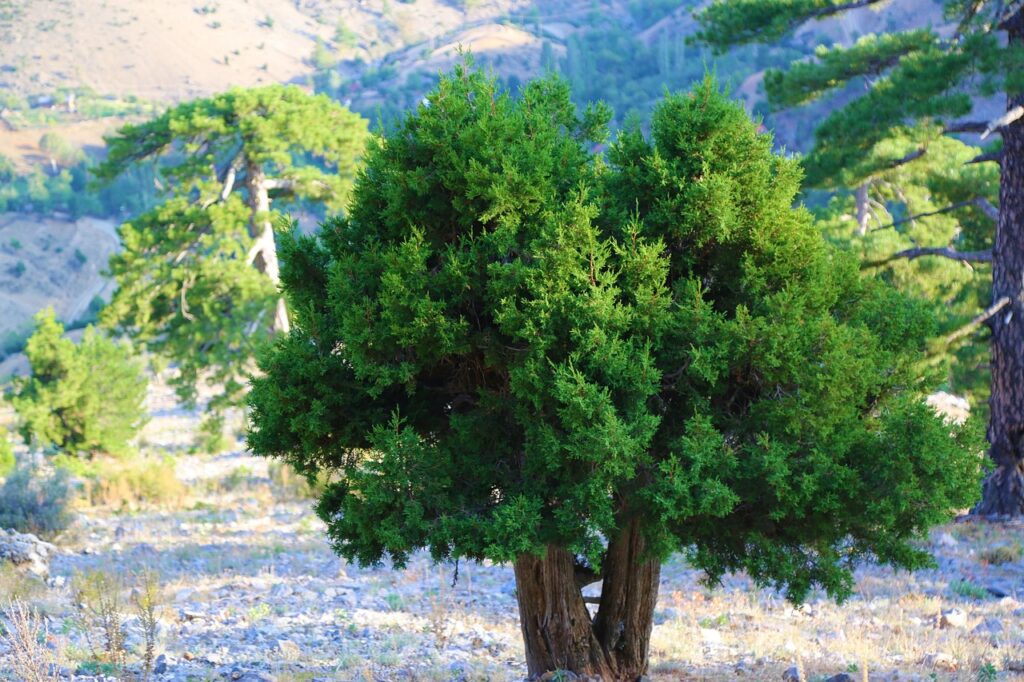
The dominance of scale-like foliage is one of the most defining features of Section Sabina, setting it apart from needle-leaf junipers and shaping both its ecological behaviour and horticultural use. This foliage type, combined with a predominantly spreading growth habit, reflects long-term adaptation to environments where water conservation, wind resistance, and durability are essential for survival.
In Section Sabina, foliage structure and growth habit are closely linked, influencing how these plants respond to stress, pruning, and long-term cultivation.
Structure and arrangement of scale leaves
Adult foliage in Section Sabina consists of small, overlapping scale leaves that lie tightly appressed against the stems. These scales are typically arranged in opposite pairs or whorls of three, forming compact sprays that protect the underlying branch structure.
This arrangement significantly reduces exposed leaf surface area, limiting moisture loss and protecting tissues from cold, wind, and intense sunlight. The close-fitting scales also shield growing points, allowing the plant to maintain metabolic function even in harsh conditions.
Juvenile foliage and growth responses
Although scale foliage dominates in mature plants, juvenile needle-like leaves remain an important part of Section Sabina’s growth strategy. These needles often appear on young plants, shaded interior branches, or after heavy pruning or environmental stress.
The persistence of juvenile foliage reflects the plant’s developmental flexibility. In cultivation and bonsai, this behaviour is particularly relevant, as strong interventions can trigger temporary reversion to needle foliage before scale leaves re-establish.
Spreading and creeping growth habit
Section Sabina species are generally characterised by a low, spreading or creeping growth habit. Branches often extend laterally, rooting near the soil surface or cascading over rocks and slopes, rather than developing strong vertical leaders.
This growth form enhances stability in exposed environments and allows plants to exploit limited soil resources. In bonsai, it naturally lends itself to ground-hugging, semi-cascade, and cascade styles that mirror the plant’s wild appearance.
Implications for cultivation and bonsai
The combination of scale-leaf foliage and spreading growth habit means that Section Sabina responds best to cultivation approaches that respect its natural form. Heavy forcing into upright styles can conflict with the plant’s inherent structure and growth tendencies.
When allowed to develop naturally, Section Sabina produces compact, textured foliage pads and layered branching that reflect age and resilience, making it a distinctive but specialised choice within the broader juniper group.
Cone Development and Reproductive Traits of Section Sabina
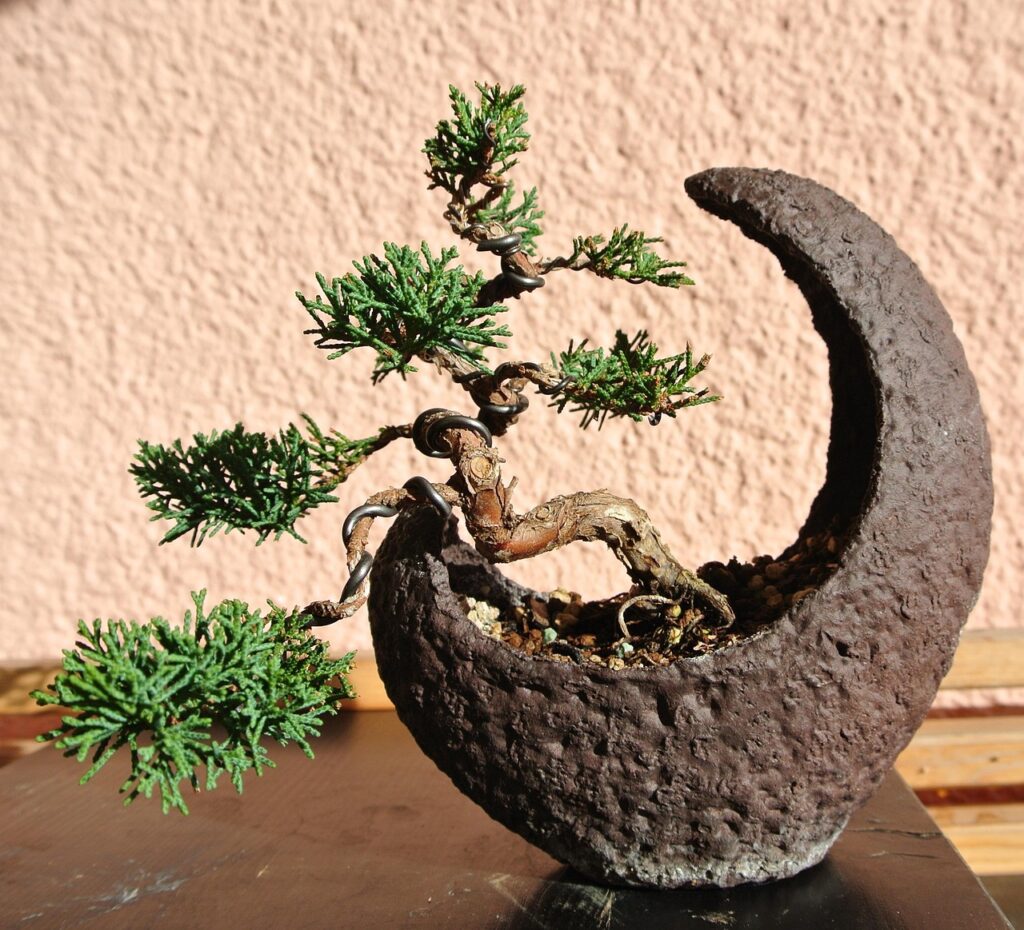
Reproductive biology in Section Sabina follows the general juniper pattern but includes several traits that reflect the section’s slow-growing, stress-adapted nature. Cone development is gradual, reproductive maturity often takes time, and successful seed production depends on both plant sex and environmental conditions.
These traits are important not only from a taxonomic and ecological perspective but also for horticulture, as reproduction in Section Sabina is rarely a priority in bonsai and often misunderstood by growers.
Dioecious reproduction and plant sex
Species within Section Sabina are dioecious, meaning male and female reproductive organs occur on separate plants. Male plants produce pollen cones, while female plants develop seed-bearing cones. As a result, seed production only occurs when both sexes are present within effective pollination distance.
This separation of sexes contributes to the often sporadic appearance of cones in cultivation. In bonsai collections, many plants never produce cones at all, either because they are male specimens or because growing conditions prioritise vegetative growth over reproduction.
Cone structure and maturation
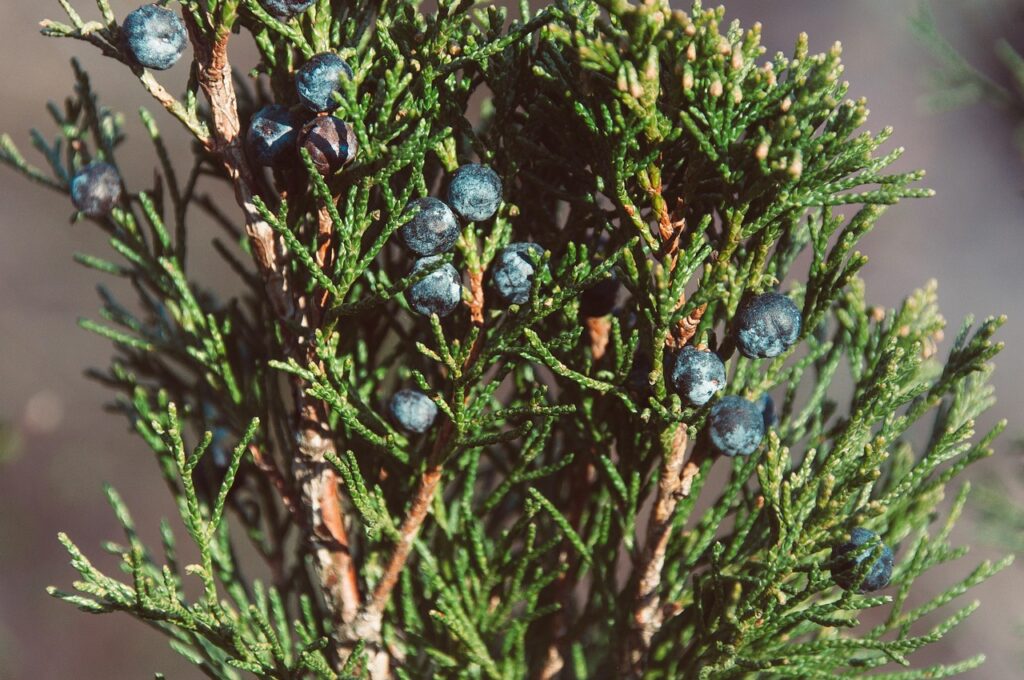
The cones of Section Sabina are commonly described as berry-like, though botanically they are fleshy, modified seed cones. They are typically bluish to blue-black when mature and contain one to several seeds embedded within a resinous matrix.
Cone development is slow, usually taking two growing seasons to reach full maturity. During this time, cones transition from green to darker colours as they ripen, a process influenced by climate, light exposure, and plant health.
Pollination and environmental influence
Pollination in Section Sabina occurs via wind, as is typical for conifers. However, successful fertilisation is strongly influenced by environmental stability. Harsh weather, prolonged drought, or nutrient stress can reduce cone formation or cause immature cones to abort.
This sensitivity reinforces the evolutionary strategy of Section Sabina, which favours survival and longevity over frequent reproduction. In the wild, reproduction is often episodic rather than annual.
Relevance to cultivation and bonsai
In bonsai and ornamental cultivation, cone production in Section Sabina is generally considered a secondary feature rather than a primary goal. The long maturation period and dioecious nature make cones unpredictable, and heavy pruning often suppresses reproductive growth.
When cones do appear, they are typically valued as a sign of maturity and stability rather than for propagation. For most growers, understanding reproductive traits is more important for species identification and ecological awareness than for practical cultivation purposes.
Geographic Distribution and Native Mountain Habitats of Section Sabina
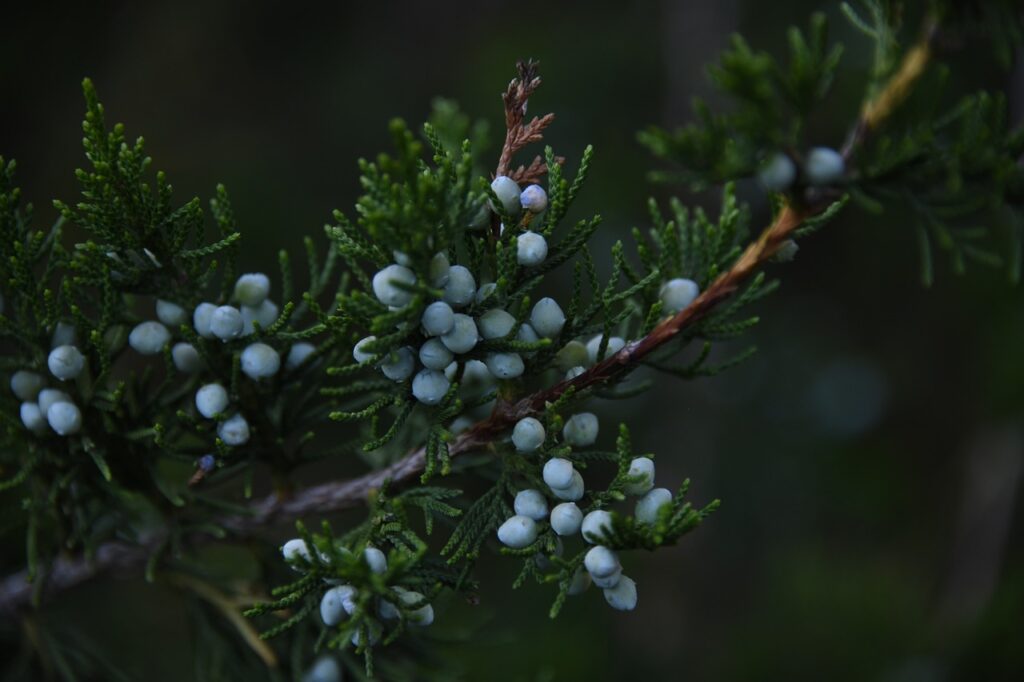
Section Sabina is primarily associated with mountainous and upland regions across a broad Eurasian range. Its distribution reflects long-term adaptation to cold, dry, and often exposed environments where soil depth is limited and competition from taller vegetation is low.
Native habitats of Section Sabina typically include:
- Mountain ranges of central and southern Europe, including alpine and subalpine zones
- Eastern Europe and the Balkans, particularly rocky slopes and limestone formations
- Central Asia, extending into steppe and highland regions
- Dry, wind-exposed ridgelines and escarpments where snow cover and freeze–thaw cycles are common
- Rocky outcrops, scree slopes, and cliff faces with minimal organic soil
- Areas with alkaline or calcareous substrates, especially limestone-rich soils
- Environments with full sun exposure and strong seasonal temperature variation
These habitats favour plants that grow slowly, remain compact, and tolerate drought, frost, and poor nutrient availability. The ecological conditions under which Section Sabina evolved help explain its spreading growth habit, scale-leaf foliage, and strong chemical defences.
For cultivation and bonsai, understanding this native distribution is critical. Replicating aspects of these mountain environments, excellent drainage, sun exposure, and reduced water retention supports healthier growth and more natural development.
Species Diversity and Notable Members of Section Sabina
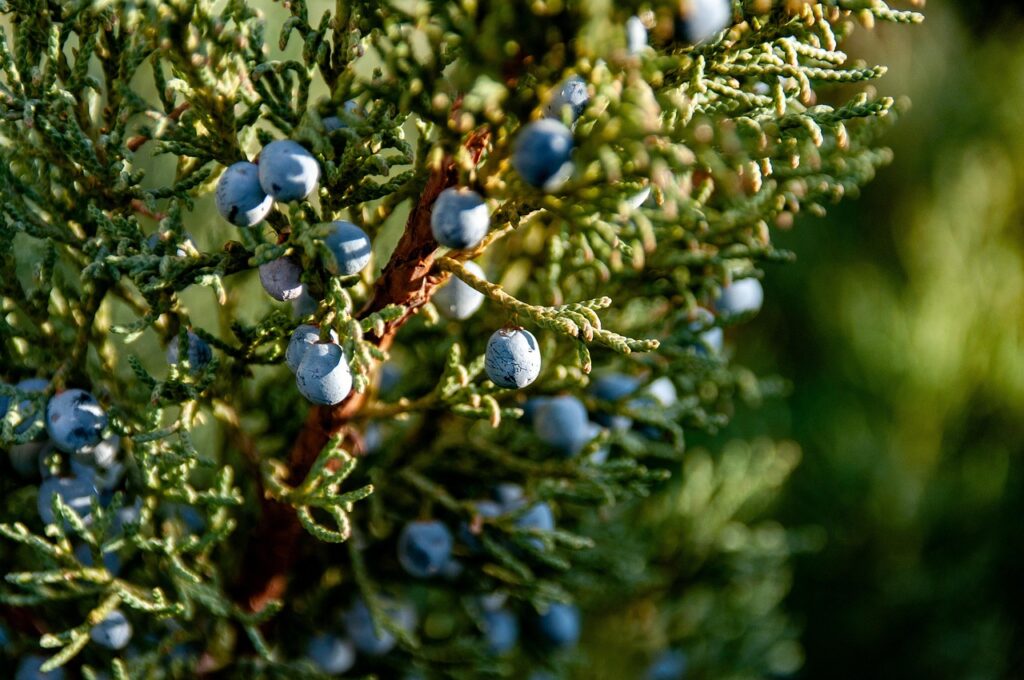
Section Sabina is one of the more diverse groupings within the Juniperus genus, comprising over 60 species distributed across Europe, Asia, and parts of North America. While these species share key traits such as scale-leaf dominance, spreading growth habits, and high environmental tolerance, they vary significantly in size, vigour, foliage texture, and suitability for cultivation.
Given this diversity, not all members of Section Sabina are equally relevant to bonsai. Some species are rarely cultivated, while others have become foundational to modern bonsai practice due to their resilience and styling potential.
Among the most notable and widely used species for bonsai are:
- Juniperus procumbens (Garden Juniper): Known for its naturally low, creeping habit, this species is one of the most commonly used junipers in bonsai worldwide. Its fine-scale foliage, flexibility, and tolerance of pruning make it especially suitable for cascade and semi-cascade styles.
- Juniperus chinensis (Chinese Juniper): A highly variable species that includes both upright and spreading forms, J. chinensis is valued for its adaptability and foliage density. Many cultivated varieties used in bonsai fall within this species, making it a cornerstone of juniper bonsai cultivation.
- Juniperus squamata (Himalayan Juniper): Often recognised by its blue-grey foliage, this species bridges visual traits between needle and scale foliage. Its colour and compact growth make it popular in both ornamental planting and bonsai, though it requires careful handling to maintain foliage balance.
- Juniperus virginiana (Virginian Juniper): Native to North America, this species can develop strong trunks and dramatic deadwood features over time. While less commonly used in traditional bonsai, it offers significant potential for naturalistic and rugged designs.
At Budding Backyard Bonsaist, these species represent our primary focus within Section Sabina due to their availability, horticultural performance, and relevance to bonsai. Dedicated bonsai care sheets for each of these species are planned for future publication, providing detailed guidance on cultivation, styling, and long-term development.
Section Sabina in Bonsai, Landscaping, and Horticulture
Section Sabina occupies a distinctive position within the Juniperus genus, bridging wild, stress-adapted mountain plants with cultivated landscapes and bonsai collections. Its defining traits—scale-leaf foliage, spreading growth habits, and exceptional resilience—make it valuable in horticulture, particularly in challenging environments where few woody plants thrive.
In landscaping, Section Sabina species are widely used as groundcovers and erosion-control plants, especially on slopes, rocky terrain, and alkaline soils. Their low growth, drought tolerance, and ability to stabilise soil have made them practical choices in both ornamental and functional plantings, despite the need for caution due to their toxic properties.
In bonsai, Section Sabina offers both opportunity and limitation. The natural growth patterns of many species align well with informal, cascade, and naturalistic styles, while their slow growth and durable wood contribute to an aged appearance over time. However, successful bonsai cultivation requires an understanding of foliage behaviour, growth responses to pruning, and the risks associated with handling toxic plant material.
From a broader horticultural perspective, Section Sabina illustrates how evolutionary adaptation shapes form and function. Appreciating these plants as products of their native environments leads to better cultivation decisions, healthier specimens, and more authentic bonsai. When approached with respect for their biology and natural habits, members of Section Sabina reward growers with longevity, character, and a strong sense of place within the bonsai landscape.