
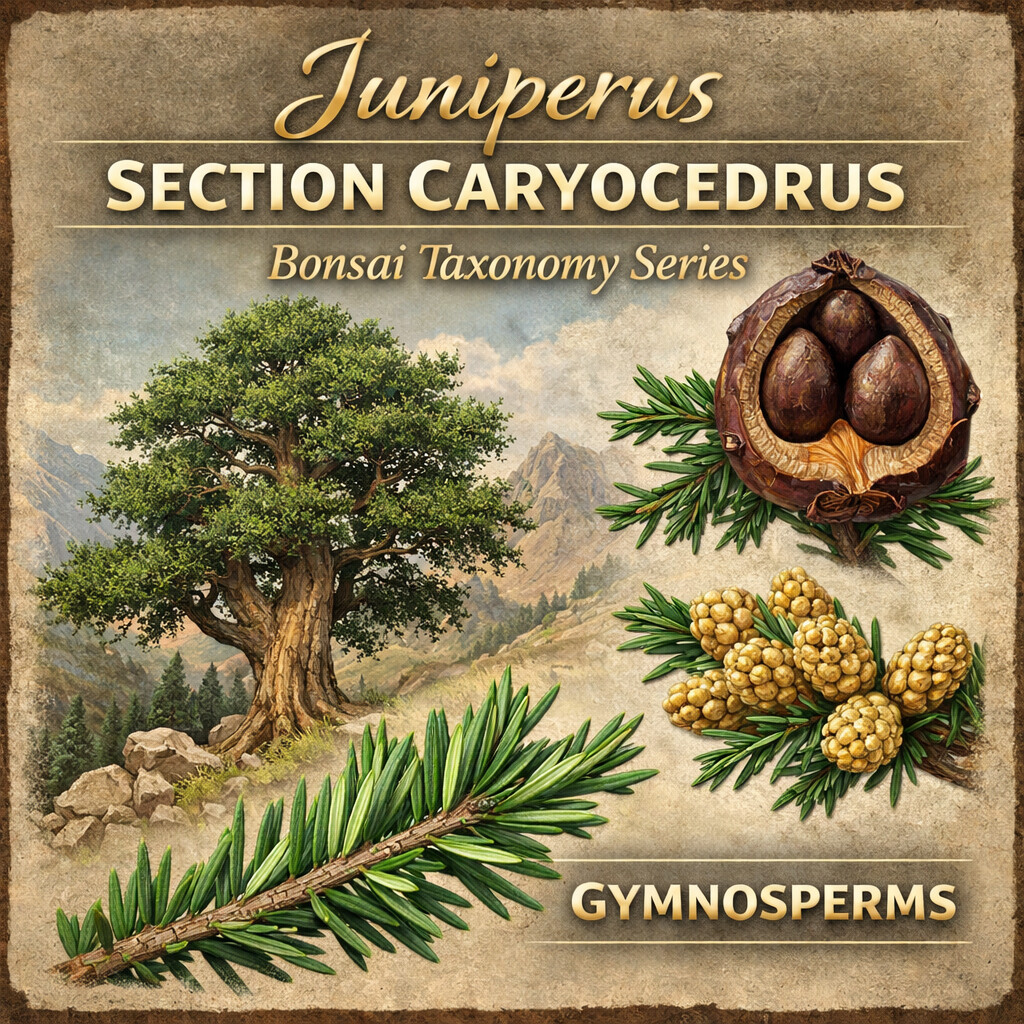
Juniperus Section Caryocedrus represents one of the most distinctive and evolutionarily significant groups within the juniper genus. Unlike other juniper sections that contain multiple species, Section Caryocedrus is monotypic, represented solely by Juniperus drupacea, commonly known as the Syrian juniper. Its unique cone structure, needle foliage, and reproductive traits set it apart from all other junipers and have made it a subject of ongoing taxonomic discussion.
From a botanical perspective, Section Caryocedrus offers valuable insight into the ancient evolutionary pathways of the genus Juniperus. Its large, woody, berry-like cones with fused seeds and unusual male reproductive structures suggest an early divergence within the cypress family.
While this section is rarely encountered in bonsai cultivation due to its size, growth habit, and geographic range, its taxonomic importance makes it a notable reference point for understanding juniper evolution, morphology, and classification as a whole.
Table of Contents
Taxonomy
– Kingdom: Plantae (Plant Kingdom)
— Clade: Embryophytes (Land Plants)
— Clade: Polysporangiophytes (Multiple Sporangia)
—- Clade: Tracheophytes (Vascular Plants)
—– Superdivision: Spermatophytes (Seed Plants)
—— Clade: Gymnospermae (Naked Seeds)
——- Division: Pinophyta (Conifers)
——– Class: Pinopsida (Living Conifers)
——— Subclass: Cupressidae (Evergreen Conifers)
———- Order: Cupressales (Cypress)
———– Family: Cupressaceae (Cypress)
———— Subfamily: Cupressoideae (Cypress)
————- Genus: Juniperus (Juniper)
————– Section: Caryocedrus (Syrian Junipers)
What Is Juniperus Section Caryocedrus?
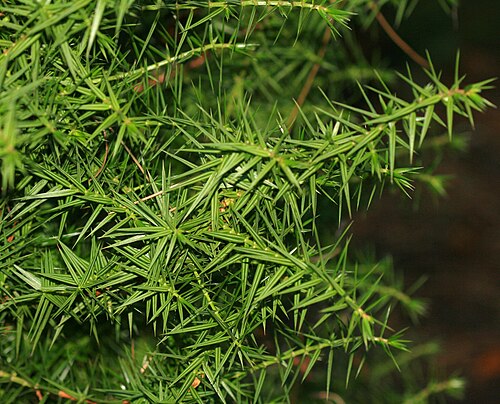
Juniperus Section Caryocedrus is a highly distinctive taxonomic section within the genus Juniperus, notable for containing only a single living species, Juniperus drupacea. This monotypic status immediately sets the section apart from other juniper groups, which typically include multiple species with shared morphological traits. Section Caryocedrus is primarily defined by its unusual reproductive structures, particularly its large, woody, berry-like cones that contain three fused seeds.
Botanically, Section Caryocedrus represents an evolutionary outlier within the junipers. Its cones differ markedly from the fleshy, smaller seed cones seen in most other juniper sections, both in size and internal structure. The foliage consists of needle-like leaves rather than scale leaves, aligning it superficially with needle-leaf junipers while remaining distinct in nearly all reproductive characteristics.
Because of these pronounced differences, Section Caryocedrus has long attracted scientific attention. Some botanists have argued that its traits are sufficiently unique to warrant separation from Juniperus altogether, leading to proposals that it be treated as a separate genus, Arceuthos. While not universally adopted, this view underscores how evolutionarily isolated and taxonomically important Section Caryocedrus is within the cypress family.
From a bonsai and horticultural perspective, Section Caryocedrus is rarely cultivated, largely due to the natural size and growth habit of Juniperus drupacea. However, understanding this section remains valuable for bonsai practitioners and enthusiasts, as it provides deeper insight into juniper diversity, evolutionary history, and the morphological boundaries that define the genus as a whole.
Taxonomic Placement of Section Caryocedrus Within the Juniperus Genus
Section Caryocedrus occupies a unique and sometimes debated position within the genus Juniperus. Traditionally, the genus has been divided into major sections based on foliage type and reproductive characteristics, with Section Caryocedrus recognised alongside Section Juniperus (needle-leaf junipers) and Section Sabina (scale-leaf junipers). Within this framework, Caryocedrus is distinguished by its monotypic nature and highly specialised cone morphology.
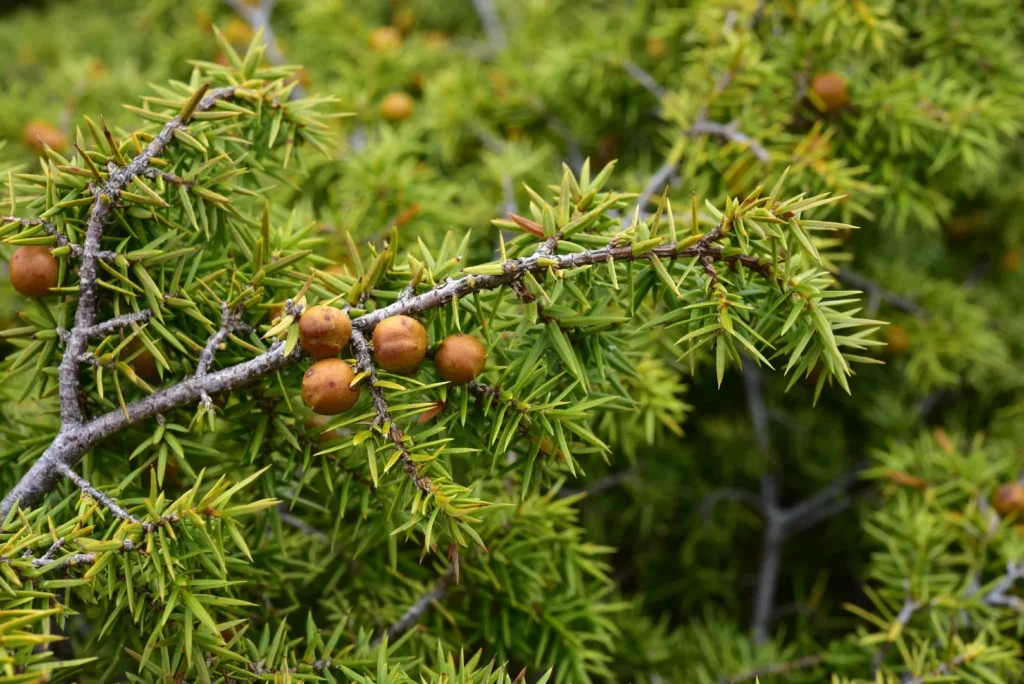
In classical taxonomy, Juniperus drupacea was retained within Juniperus despite its many differences, largely due to shared needle-like foliage and general growth form. However, its seed cones are structurally unlike those of any other juniper, being larger, woody, and composed of three seeds fused together into a single mass. These features have long marked Section Caryocedrus as taxonomically isolated within the genus.
Modern phylogenetic studies have reinforced this isolation. Molecular and morphological evidence suggests that Section Caryocedrus diverged early from other juniper lineages, retaining several ancestral traits not seen elsewhere in the genus. This has led some contemporary classifications, including recent gymnosperm system proposals, to elevate Caryocedrus to generic rank under the name Arceuthos. While this reclassification is not universally accepted, it reflects growing recognition of the section’s deep evolutionary separation.
Within the broader context of Juniperus, Section Caryocedrus is therefore best understood as an ancient and singular branch of the genus. For taxonomic study, it serves as an important reference point for understanding how modern junipers evolved and diversified. For bonsai enthusiasts, this placement highlights why Juniperus drupacea differs so markedly from commonly cultivated junipers, reinforcing its role as a botanical and taxonomic curiosity rather than a conventional bonsai subject.
Evolutionary Origins and Ancient Lineage of Section Caryocedrus
Section Caryocedrus is widely considered one of the most ancient and evolutionarily distinct lineages within the genus Juniperus. Its unusual morphological and reproductive traits suggest an early divergence from other juniper groups, preserving characteristics that are rarely seen in modern conifer lineages. This evolutionary isolation has made the section especially important for understanding the deeper history of the genus.
Early divergence within the juniper lineage
Evidence from both morphology and phylogenetic studies indicates that Section Caryocedrus split from other juniper lineages at an early stage in their evolutionary history. This early divergence explains why its defining traits do not align neatly with either the needle-leaf or scale-leaf juniper groups.
Ancestral reproductive characteristics
The male reproductive structures of Juniperus drupacea are considered primitive in comparison to other junipers. The arrangement and form of the pollen cones suggest retention of ancestral features that predate the more specialised reproductive systems seen in later-evolving sections.
Relict species and evolutionary isolation
Section Caryocedrus is often described as a relict lineage, meaning it represents the remnants of a once broader evolutionary branch. Its restriction to a limited geographic range in the eastern Mediterranean further supports the idea that it survived while related lineages disappeared or evolved into other forms.
Evolutionary significance within modern taxonomy
Because of its ancient traits, Section Caryocedrus has played a key role in taxonomic debates, including proposals to recognise it as a separate genus. For both botanists and bonsai enthusiasts, this evolutionary context helps explain why Juniperus drupacea stands apart from commonly cultivated junipers, reinforcing its importance as a taxonomic reference rather than a typical horticultural subject.
Defining Morphological Characteristics of Section Caryocedrus
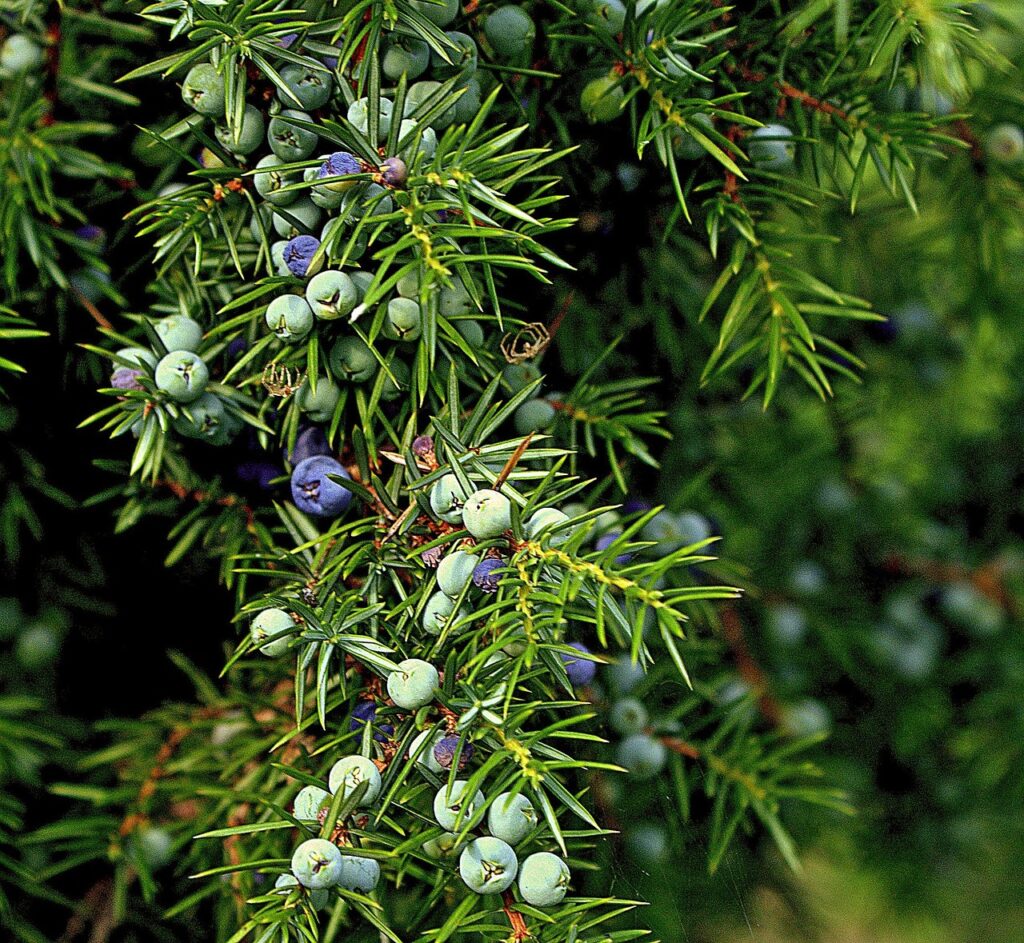
Section Caryocedrus is defined by a combination of morphological traits that clearly distinguish it from all other sections within the genus Juniperus. While it shares some superficial similarities with needle-leaf junipers, its overall structure, cone morphology, and reproductive features place it in a category of its own. These characteristics are central to its taxonomic recognition and evolutionary interpretation.
Growth form and overall structure
Juniperus drupacea, the sole species of Section Caryocedrus, typically develops as a large, long-lived evergreen tree rather than a shrub or low-growing form. It exhibits a strong central trunk with a broad, irregular crown, reflecting its adaptation to mountainous Mediterranean environments.
This growth habit contrasts sharply with many junipers commonly encountered in horticulture and bonsai, which are often smaller, more flexible, and shrub-like. The robust structure of Caryocedrus is one reason it is rarely cultivated in bonsai, though it remains an important morphological reference within the genus.
Needle foliage and shoot morphology
The foliage of Section Caryocedrus consists exclusively of needle-like leaves, a trait shared with Section Juniperus but expressed in a distinct manner. The needles are stiff, sharply pointed, and arranged in whorls, giving the shoots a rigid and coarse appearance.
Each needle typically displays two prominent stomatal bands on the upper surface, a diagnostic feature of the section. This leaf structure reflects adaptations to dry, rocky habitats and contributes to its physiological resilience, while also marking a clear morphological distinction from scale-leaf junipers.
Seed cones and cone development
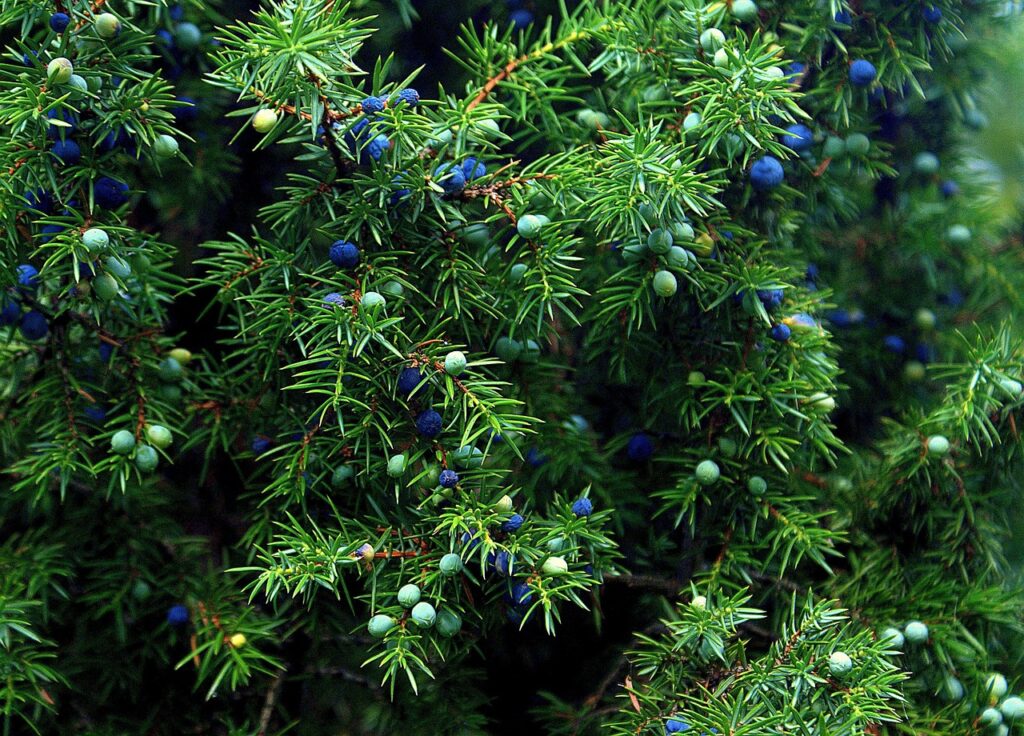
The most striking morphological feature of Section Caryocedrus is its seed cones. Unlike the fleshy, berry-like cones of most junipers, Caryocedrus produces large, woody cones that are significantly thicker and heavier. These cones mature over multiple seasons, transitioning from blue to reddish or brownish tones as they age.
Internally, the cones contain three seeds that are fused together into a single solid structure. This fused-seed condition is unique within Juniperus and serves as a primary diagnostic trait for the section. The cone morphology has played a major role in debates surrounding its taxonomic placement and evolutionary significance.
Male reproductive structures
The male cones of Juniperus drupacea further reinforce the section’s distinct identity. Their arrangement and structure differ noticeably from those of other juniper sections, displaying characteristics that are considered primitive within the genus.
These reproductive traits suggest an ancient developmental pattern that has remained relatively unchanged over time. For taxonomists, the male cone morphology provides crucial evidence of Caryocedrus’ early divergence and supports its recognition as one of the most structurally unique lineages within the juniper genus.
Needle Foliage Structure and Growth Habit in Section Caryocedrus
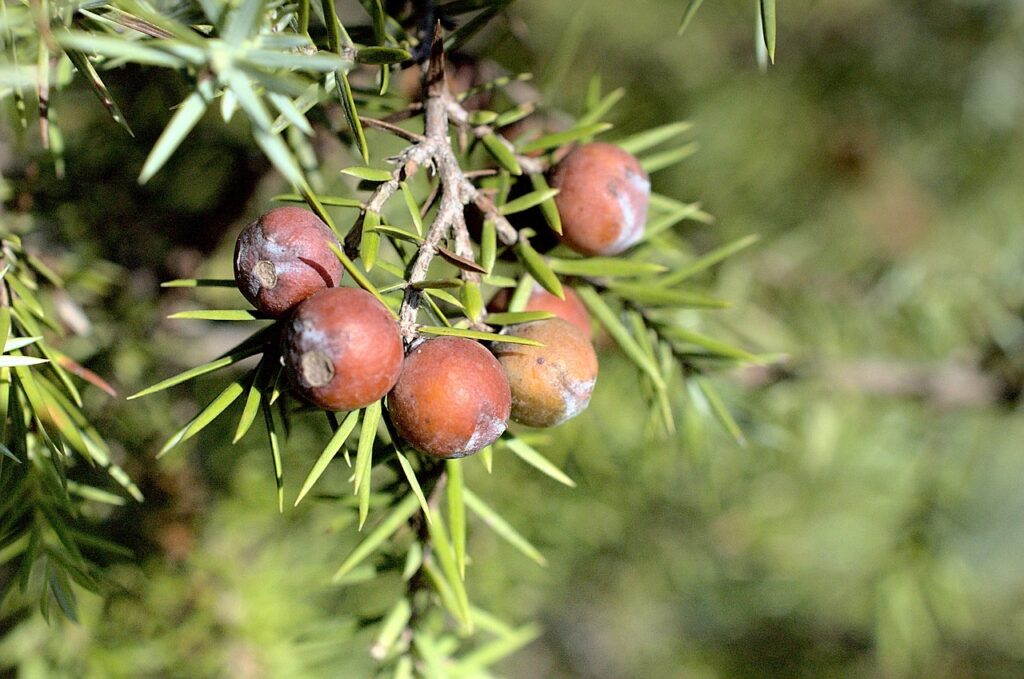
The needle foliage and growth habit of Section Caryocedrus reflect both its ancient lineage and its adaptation to harsh Mediterranean environments. While needle-like leaves are also found in other juniper sections, the structure, rigidity, and persistence of the foliage in Caryocedrus set it apart. These traits contribute significantly to its taxonomic identity and ecological resilience.
Needle morphology and anatomical features
The needles of Juniperus drupacea are stiff, sharply pointed, and robust, forming a coarse-textured foliage that contrasts with the finer or softer needles seen in some other junipers. They are typically arranged in whorls of three, creating dense, angular shoots that emphasise the tree’s rigid appearance.
A key diagnostic feature of the needles is the presence of two distinct stomatal bands on the upper surface. These bands play an important role in gas exchange and water regulation and are especially well developed in Caryocedrus. Their prominence reflects adaptation to dry, exposed habitats where efficient control of moisture loss is critical.
Persistence of juvenile foliage
Unlike many junipers that transition from needle-like juvenile foliage to scale-like adult foliage, Section Caryocedrus retains needle foliage throughout its life. This permanent juvenile foliage state is considered an ancestral trait and further supports the section’s evolutionary separation from scale-leaf junipers.
This retention of needle foliage contributes to the species’ coarse visual character and limits its ornamental flexibility in horticulture. From a bonsai perspective, the lack of foliage transition and the rigidity of the needles make refinement and scaling particularly challenging.
Shoot structure and branching pattern
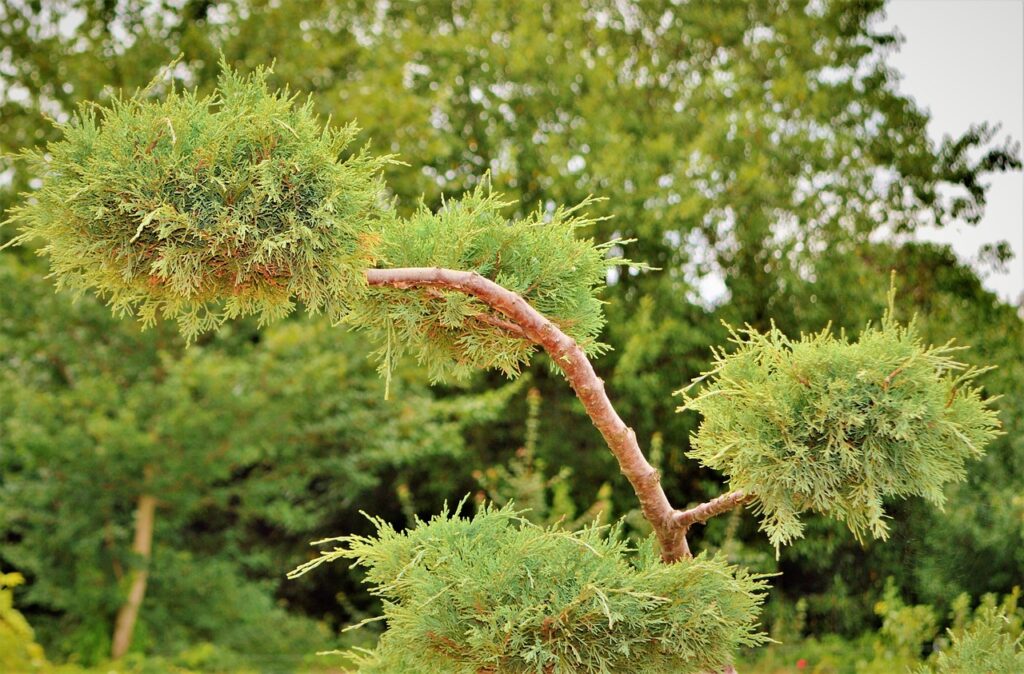
Shoots in Section Caryocedrus are thick, firm, and relatively inflexible compared to those of commonly cultivated junipers. Branching tends to be irregular rather than finely ramified, with a strong emphasis on structural growth rather than dense twigging.
This growth pattern aligns with the species’ natural role as a long-lived forest tree rather than a compact shrub. While this makes it less suitable for traditional bonsai techniques, it provides valuable insight into the growth strategies of early juniper lineages and the structural diversity within the genus.
Overall growth habit and ecological adaptation
In its natural environment, Juniperus drupacea develops into a tall, imposing tree adapted to rocky slopes, mountainous terrain, and dry Mediterranean climates. Its growth habit prioritises longevity, stability, and resistance to environmental stress over rapid or flexible growth.
These characteristics explain why Section Caryocedrus remains largely absent from mainstream bonsai practice. However, understanding its foliage and growth habit deepens appreciation for juniper diversity and helps contextualise why modern bonsai-friendly junipers evolved along very different morphological pathways.
Cone Development and Reproductive Traits of Section Caryocedrus
The reproductive characteristics of Section Caryocedrus are among the most distinctive within the genus Juniperus and form the primary basis for its taxonomic separation. Both seed cone development and male reproductive structures differ markedly from those of other juniper sections, reinforcing its status as an ancient and evolutionarily isolated lineage.
Seed cone structure and development
The seed cones of Juniperus drupacea are unlike those of any other juniper. Rather than forming small, fleshy, berry-like cones typical of the genus, Caryocedrus produces large, woody, and thick-walled cones that mature over an extended period. These cones are initially bluish in colour and gradually mature to reddish-brown or purplish tones.
Internally, the cones contain three seeds that are fully fused together, forming a single solid structure. This fused-seed condition is unique within Juniperus and serves as the defining diagnostic feature of Section Caryocedrus. The cone’s woody nature and size suggest a reproductive strategy distinct from the animal-dispersed fleshy cones of other junipers.
Seed dispersal and ecological implications
The unusual cone structure implies differences in seed dispersal mechanisms compared to other junipers. While many juniper species rely on birds and mammals attracted to fleshy cones, the hard, woody cones of Caryocedrus are less clearly adapted to this strategy.
This has led to the hypothesis that Section Caryocedrus may represent an older reproductive model, one that predates the widespread evolution of fleshy, bird-dispersed cones in the genus. Its reproductive traits therefore offer insight into early juniper ecology and evolutionary experimentation within the cypress family.
Male reproductive structures
The male cones of Juniperus drupacea further emphasise the section’s distinctiveness. Their arrangement, structure, and development differ noticeably from those seen in other juniper sections and are often described as retaining primitive or ancestral characteristics.
These male reproductive traits have been central to arguments supporting the separation of Caryocedrus at the generic level. For taxonomists, they provide crucial evidence of early divergence and long-term evolutionary stability, strengthening the view of Section Caryocedrus as a relict lineage within Juniperus.
Reproductive traits and taxonomic significance
Taken together, the seed cone morphology and male reproductive structures form the strongest justification for recognising Section Caryocedrus as taxonomically distinct. These traits are not minor variations but fundamental differences in reproductive strategy and structure.
For bonsai practitioners and horticulturists, these reproductive features have little practical application. However, from a taxonomic and botanical perspective, they are central to understanding juniper evolution and the boundaries of the genus itself, making Section Caryocedrus one of the most scientifically important juniper groups despite its limited species diversity.
Geographic Distribution and Native Mediterranean Habitat
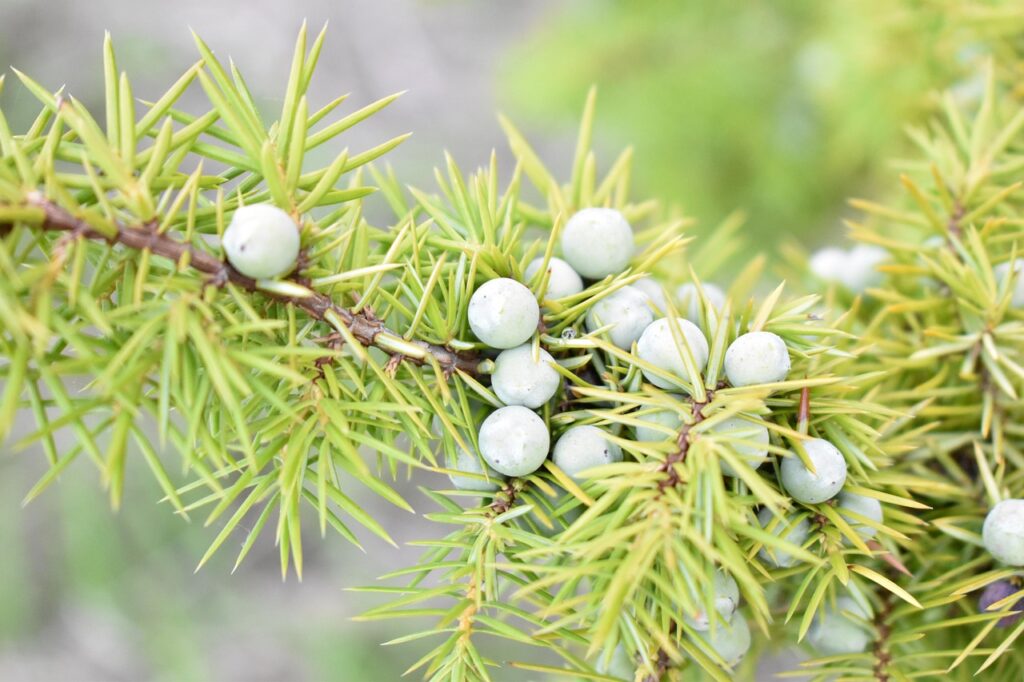
Section Caryocedrus is native to the eastern Mediterranean region, where it occupies a relatively narrow but ecologically specific range. Its distribution reflects both its ancient lineage and its adaptation to long-established Mediterranean landscapes shaped by geology, climate, and historical land use. Unlike many junipers with broad or fragmented ranges, Caryocedrus remains geographically concentrated.
Juniperus drupacea occurs primarily in the following regions:
- Southern and central Greece, particularly in mountainous and upland areas
- Western and southern Turkey, where it is most commonly encountered
- Syria and Lebanon, especially in higher elevation forests
- Northern Israel, in isolated and often protected habitats
Within these regions, Section Caryocedrus is typically found in mountainous terrain, favouring rocky slopes, limestone substrates, and well-drained soils. It often grows at moderate to high elevations, where summers are dry, winters are cool, and competition from faster-growing tree species is limited.
The Mediterranean climate plays a crucial role in shaping its growth and survival. Long dry summers, periodic drought, and poor soils have selected for a slow-growing, resilient tree capable of enduring environmental stress over centuries. These conditions help explain the species’ robust structure, persistent needle foliage, and longevity.
From a bonsai and horticultural standpoint, this highly specialised habitat helps clarify why Section Caryocedrus is rarely cultivated outside its native range. Its environmental requirements and growth habits are tightly linked to its Mediterranean origins, reinforcing its role as a regionally adapted and evolutionarily conserved juniper rather than a broadly adaptable ornamental species.
Species Profile and Monotypic Nature of Section Caryocedrus
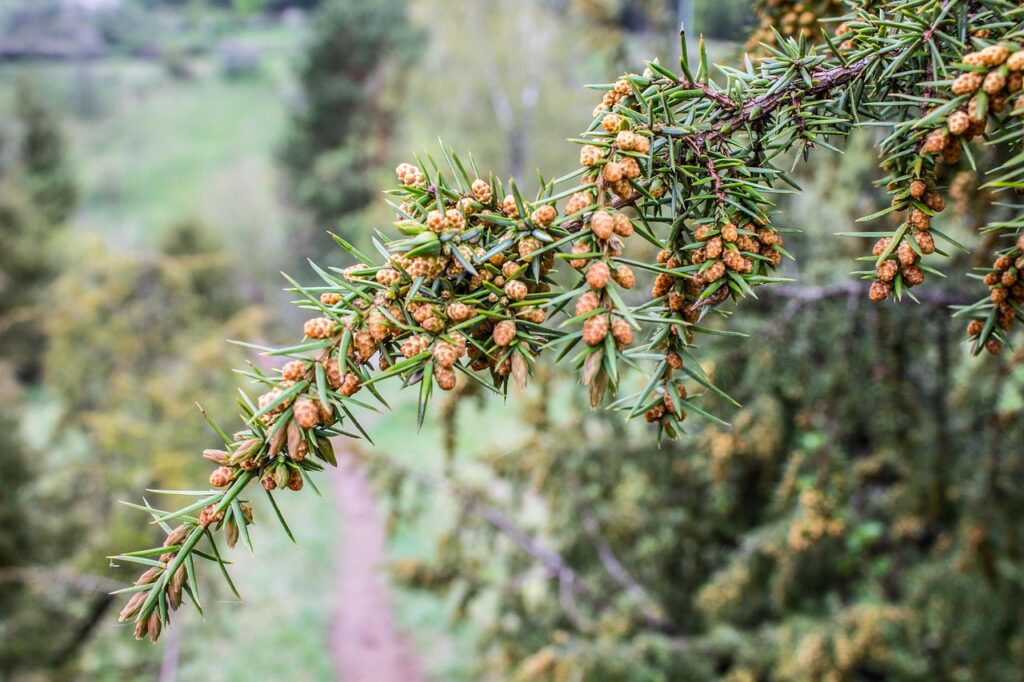
Section Caryocedrus is monotypic, meaning it contains only a single recognised species: Juniperus drupacea, commonly known as the Syrian juniper. This singular representation makes Caryocedrus unique within the genus Juniperus, as most other sections include multiple species displaying varying degrees of morphological and ecological diversity.
Juniperus drupacea is a large, evergreen conifer that can reach substantial heights in its natural habitat. It is characterised by stiff, needle-like foliage, a strong central trunk, and a broad, irregular crown. Its most distinctive feature remains its large, woody, berry-like seed cones with three fused seeds, a trait not shared with any other juniper species.
The monotypic nature of Section Caryocedrus has significant taxonomic implications. With no closely related sister species within the genus, Juniperus drupacea stands alone as a surviving representative of an ancient evolutionary branch. This isolation has contributed to ongoing debates about whether the species should remain within Juniperus or be placed in a separate genus, Arceuthos.
From a botanical standpoint, this singularity elevates the scientific importance of Juniperus drupacea. It serves as a key reference point for studying juniper evolution, reproductive biology, and morphological divergence. For bonsai enthusiasts, the species’ monotypic status reinforces its role as a subject of academic interest rather than practical cultivation, highlighting its value as a taxonomic cornerstone within the broader juniper lineage.
Section Caryocedrus in Bonsai and Horticulture
Within bonsai and horticulture, Section Caryocedrus occupies a very different role from most other juniper groups. While many junipers are valued for their adaptability, fine branching, and responsiveness to training, Juniperus drupacea is rarely cultivated in bonsai form. Its natural growth as a large, long-lived tree, combined with rigid needle foliage and limited ramification, makes it unsuitable for most traditional bonsai techniques.
From a horticultural perspective, the species is better appreciated as a botanical specimen than as an ornamental or container-grown tree. Its slow growth, strong structural development, and preference for specific Mediterranean conditions limit its wider cultivation. Where it is grown, it is usually valued for conservation, study, or landscape use in regions that closely match its native habitat.
Despite its limited practical use in bonsai, Section Caryocedrus holds significant educational value for bonsai practitioners. Understanding its morphology, growth habits, and evolutionary traits deepens appreciation for why certain junipers perform well in bonsai while others do not. It highlights the evolutionary pathways that led to the development of the more flexible, fine-textured junipers commonly used in the art.
In this way, Section Caryocedrus serves as a taxonomic anchor within the genus Juniperus. While it may remain absent from most bonsai collections, its importance lies in what it reveals about juniper diversity, evolutionary history, and the botanical boundaries of the genus, reinforcing the value of taxonomy as a foundation for both horticultural knowledge and bonsai practice.