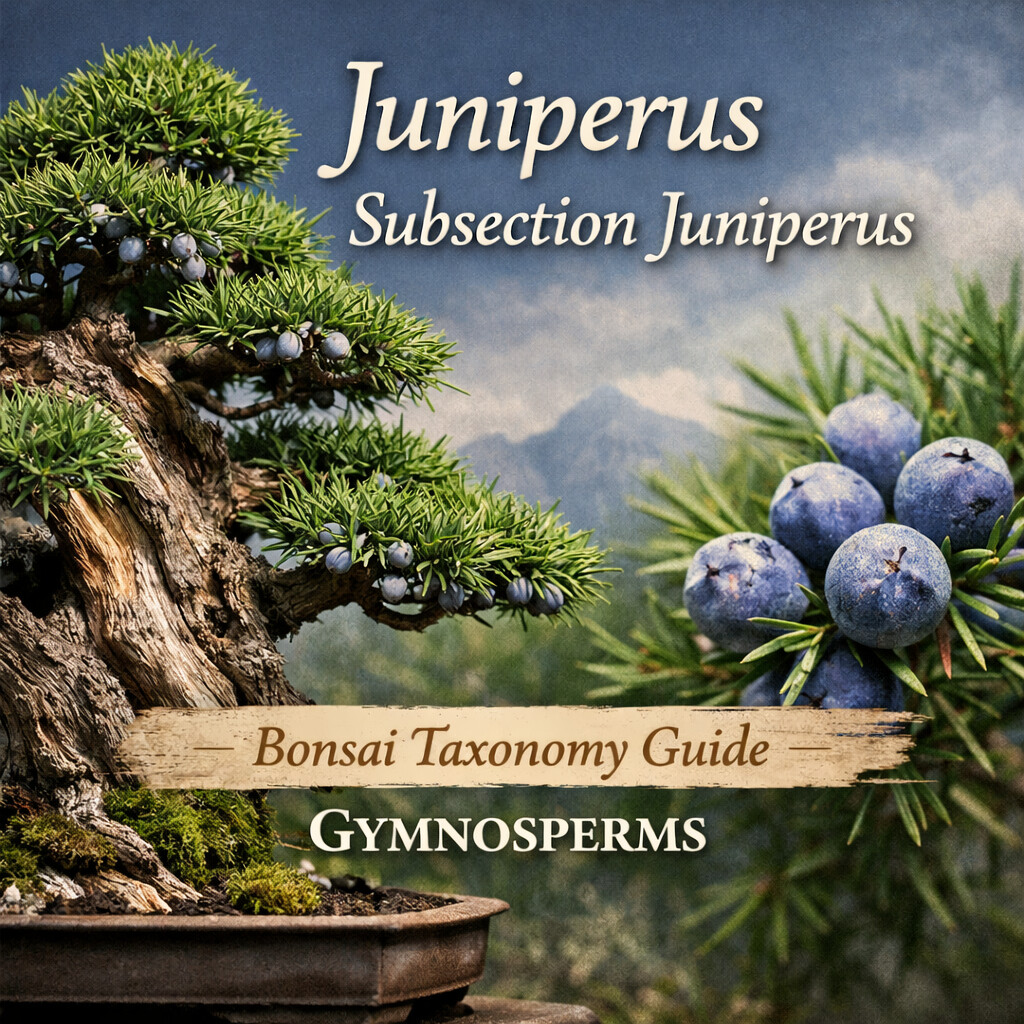
Juniperus Subsection Juniperus represents one of the most ancient and morphologically distinctive groups within the genus Juniperus. Unlike many other junipers that transition to scale-like foliage as they mature, species in this subsection retain sharp, needle-like leaves throughout their entire lifespan. This defining trait, along with unique cone and stomatal characteristics, makes Subsection Juniperus a key taxonomic group for understanding the evolutionary history of junipers.
Botanically, Subsection Juniperus is characterised by needle foliage arranged in whorls of three, a single prominent stomatal band on the inner surface of each needle, and fleshy seed cones containing three separate, unfused seeds. These features distinguish it clearly from related groups, particularly Subsection Oxycedrus, which displays different stomatal banding and needle traits.
From widespread species such as Juniperus communis to more specialised forms adapted to alpine, coastal, and island environments, Subsection Juniperus showcases remarkable ecological adaptability. Its members occupy some of the broadest geographic ranges of any conifer group, spanning subarctic regions, mountain systems, coastal zones, and temperate landscapes.
For bonsai practitioners, horticulturists, and plant enthusiasts, Subsection Juniperus holds particular significance. The group’s rigid needle structure, strong growth habits, and resilience make these junipers both challenging and rewarding to cultivate, while their ancient lineage offers a living connection to the evolutionary past of conifers.
Table of Contents
Taxonomy
– Kingdom: Plantae (Plant Kingdom)
— Clade: Embryophytes (Land Plants)
— Clade: Polysporangiophytes (Multiple Sporangia)
—- Clade: Tracheophytes (Vascular Plants)
—– Superdivision: Spermatophytes (Seed Plants)
—— Clade: Gymnospermae (Naked Seeds)
——- Division: Pinophyta (Conifers)
——– Class: Pinopsida (Living Conifers)
——— Subclass: Cupressidae (Evergreen Conifers)
———- Order: Cupressales (Cypress)
———– Family: Cupressaceae (Cypress)
———— Subfamily: Cupressoideae (Cypress)
————- Genus: Juniperus (Juniper)
————– Section: Juniperus (Common Junipers)
————— Subsection: Juniperus (Evergreen Junipers)
What Is Juniperus Subsection Juniperus?
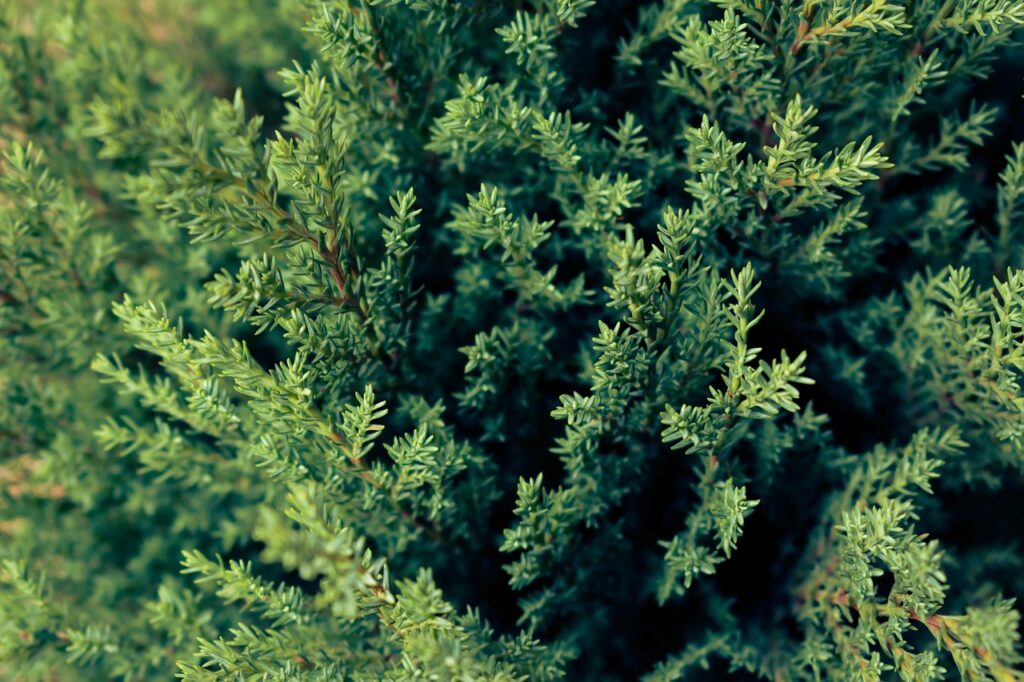
Juniperus Subsection Juniperus is a formally recognised taxonomic subdivision within the genus Juniperus, grouping together species that share a distinct set of ancestral morphological traits. This subsection sits within Juniperus section Juniperus and is defined by the persistent retention of needle-like foliage into maturity, a characteristic that immediately sets it apart from many other junipers that develop scale-like adult leaves.
From a structural perspective, species in Subsection Juniperus are easily identified by their rigid, sharp needles arranged in whorls of three and joined at the base. Each needle displays a single, prominent stomatal band on its inner surface, a key diagnostic feature used by botanists to distinguish this group from closely related subsections. This consistent needle morphology reflects a lineage that has remained relatively unchanged over long evolutionary timescales.
Reproductively, Subsection Juniperus is defined by its seed cones, often referred to as galbuli. These cones are fleshy and berry-like in appearance but contain three separate, unfused seeds rather than a single fused structure. This trait is considered an ancestral condition within the genus and further reinforces the subsection’s evolutionary significance.
Together, these characteristics position Subsection Juniperus as one of the most primitive and morphologically stable groups within Juniperus. Its members provide valuable insight into the early evolutionary forms of junipers while also remaining ecologically successful across a wide range of modern habitats.
Taxonomic Placement of Subsection Juniperus Within the Genus Juniperus
Subsection Juniperus occupies a well-defined position within the botanical classification of the genus Juniperus, which belongs to the cypress family, Cupressaceae. Within this genus, species are organised into sections and subsections based on consistent morphological traits, particularly foliage type, cone structure, and stomatal characteristics.
At a structural level, Subsection Juniperus is nested within Juniperus section Juniperus. This section encompasses junipers that retain needle-like foliage, distinguishing them from sections dominated by scale-leaved species. Subsection Juniperus represents the most archetypal expression of this needle-leaved condition and preserves several traits considered ancestral within the genus.
Taxonomists differentiate Subsection Juniperus from other subsections by its combination of rigid, persistent needles, a single stomatal band on the inner surface of each needle, and seed cones containing three separate seeds. These characteristics provide reliable diagnostic markers that remain consistent across species within the subsection, allowing for accurate identification and classification.
From a phylogenetic standpoint, Subsection Juniperus is regarded as one of the earliest diverging lineages within Juniperus. Its placement reflects both morphological evidence and evolutionary relationships, positioning it as a key reference group for understanding how modern junipers diversified into the wide range of forms seen today.
Evolutionary Origins and Ancient Lineage of Subsection Juniperus
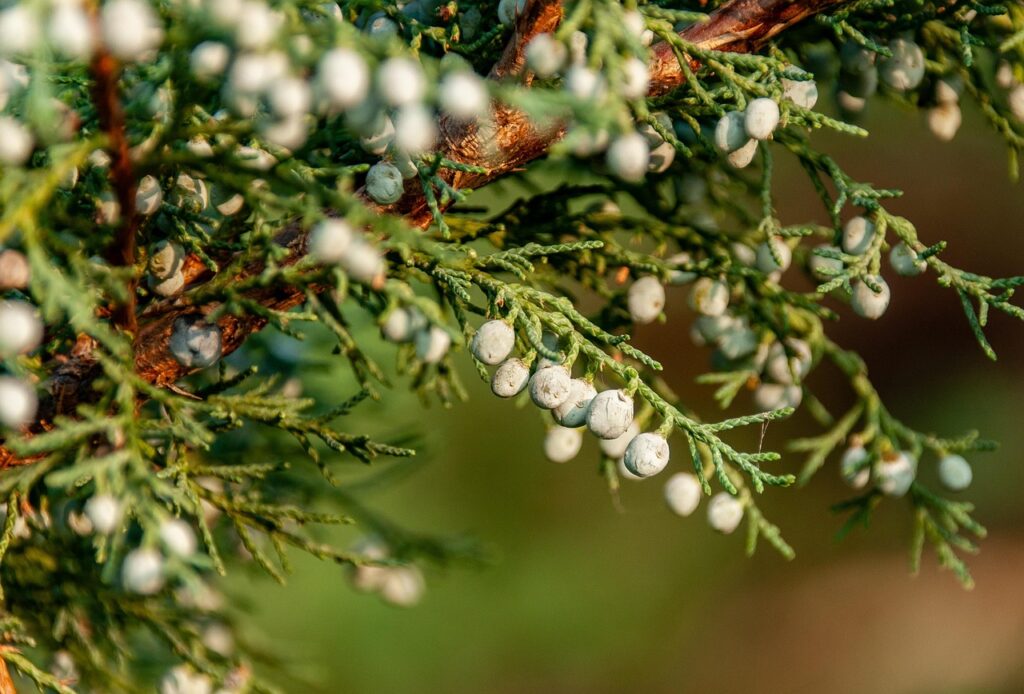
Subsection Juniperus is widely regarded as one of the most ancient and evolutionarily conservative lineages within the genus Juniperus. Its defining traits reflect early juniper forms that emerged long before the development of the scale-leaved species more commonly associated with the genus today. By retaining ancestral foliage and reproductive characteristics, this subsection offers valuable insight into the evolutionary history of junipers as a whole.
Rather than representing a specialised offshoot, Subsection Juniperus preserves structural features that were likely widespread among early junipers. These traits have remained remarkably stable over millions of years, suggesting strong evolutionary success across changing climates and environments.
Ancestral needle-leaved condition
One of the clearest indicators of the ancient origins of Subsection Juniperus is the permanent retention of needle-like foliage. Unlike many junipers that shift from juvenile needles to adult scale leaves, species in this subsection maintain rigid needles throughout their entire lifespan. This condition is considered ancestral within the genus and aligns closely with early conifer foliage types.
The persistence of this needle form suggests that Subsection Juniperus represents a lineage that diverged before the evolutionary transition toward scale foliage occurred. This makes the subsection an important reference point for understanding how and why other juniper groups evolved more compact, scale-dominated leaf structures.
Primitive reproductive characteristics
The reproductive structures of Subsection Juniperus further support its ancient lineage. The fleshy, berry-like cones contain three separate, unfused seeds, a feature regarded as a primitive condition within Juniperus. In more derived groups, seed fusion and structural modification became more pronounced.
This simpler cone architecture reflects early reproductive strategies that proved effective long before later evolutionary refinements emerged. The continued success of these traits demonstrates their long-term viability across diverse habitats and climatic conditions.
Long-term evolutionary stability
Subsection Juniperus shows a high degree of morphological consistency across its species, indicating evolutionary stability rather than rapid diversification. While individual species adapted to specific environments such as alpine, coastal, or subarctic regions, the core structural traits remained unchanged.
This stability suggests that the lineage achieved an effective adaptive balance early in its history. Rather than evolving new forms, Subsection Juniperus refined its resilience, allowing its members to persist through major climatic shifts and geological timescales while retaining their ancestral identity.
Defining Morphological Characteristics of Subsection Juniperus
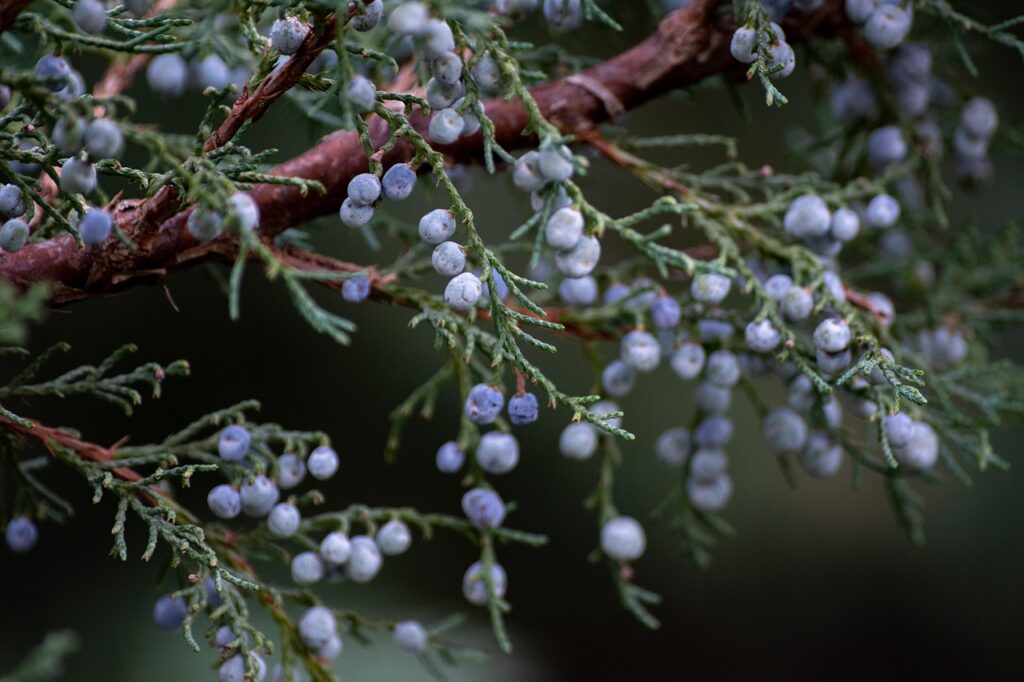
Subsection Juniperus is defined by a distinct and consistent set of morphological traits that clearly separate it from other juniper groups. These characteristics are visible across foliage, reproductive structures, and microscopic features, making the subsection one of the easiest to recognise from a taxonomic perspective.
Rather than showing wide structural variation, species within Subsection Juniperus exhibit strong morphological uniformity. This consistency reflects both their ancient lineage and the evolutionary stability of the traits that define the group.
Persistent needle-like foliage
The most immediately recognisable feature of Subsection Juniperus is its permanent needle foliage. Species in this group retain rigid, sharp needles throughout their entire lifespan, never transitioning to scale-like adult leaves. The needles are typically arranged in whorls of three and are jointed at the base, forming a distinct structural pattern.
This persistent needle form gives these junipers a more open, bristled appearance compared to scale-leaved species. It also influences how the plants respond to pruning, shaping, and environmental stress, particularly in bonsai and horticultural contexts.
Single stomatal band structure
A key diagnostic feature of Subsection Juniperus lies in the stomatal arrangement on the needles. Each needle displays a single, prominent stomatal band on its inner, or adaxial, surface. This feature is used by botanists to reliably distinguish the subsection from closely related groups.
In contrast, Subsection Oxycedrus typically exhibits two stomatal bands, making stomatal patterning an important taxonomic marker. The consistent presence of a single band across Subsection Juniperus species reinforces their close evolutionary relationship.
Cone and seed morphology
The seed cones of Subsection Juniperus, often referred to as galbuli, are fleshy and berry-like in appearance. Unlike many other junipers, these cones contain three separate, unfused seeds rather than a single fused structure.
This cone morphology is considered a primitive trait within the genus and aligns with the subsection’s ancient evolutionary origins. The combination of fleshy cones and distinct seed separation plays a role in seed dispersal strategies and ecological interactions.
Structural growth habit
Species within Subsection Juniperus exhibit varied growth forms, ranging from low, ground-hugging shrubs to upright, tree-like structures. Despite this variation in stature, the underlying structural traits remain consistent across the subsection.
Rigid branching, strong apical dominance in upright forms, and dense needle clusters contribute to the distinctive silhouette of these junipers. These growth habits have allowed members of Subsection Juniperus to thrive in environments ranging from exposed alpine zones to coastal regions and open woodlands.
Needle Foliage Structure and Growth Habit in Subsection Juniperus
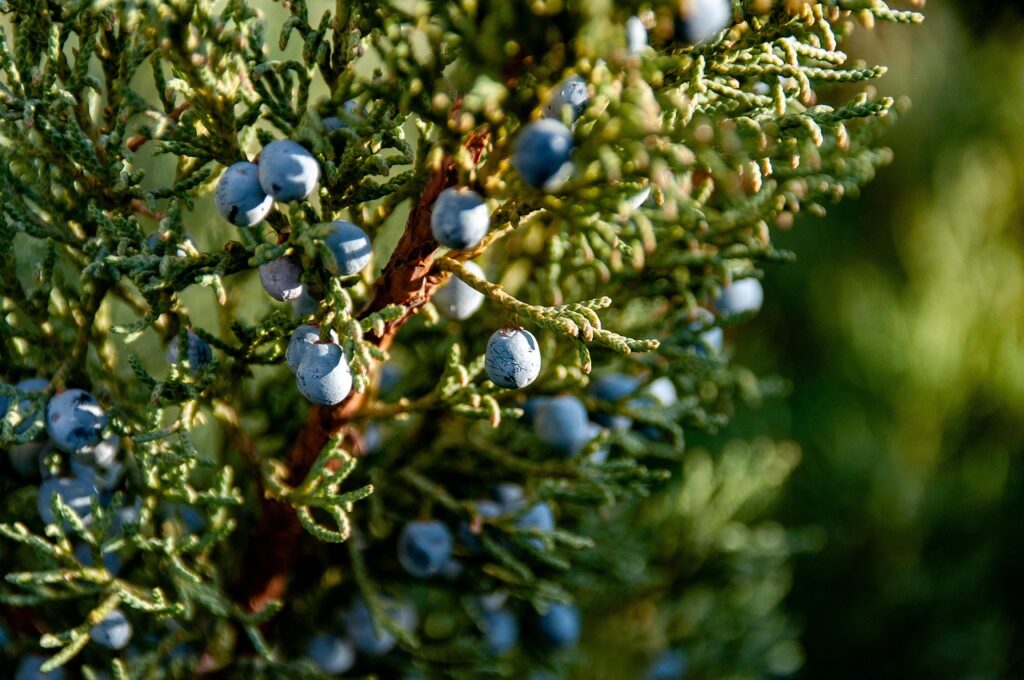
The needle foliage of Subsection Juniperus plays a central role in both its identification and ecological success. Unlike scale-leaved junipers, the persistent needle structure directly influences how these plants grow, interact with their environment, and respond to cultivation practices.
This combination of rigid foliage and adaptable growth habit has allowed species within Subsection Juniperus to occupy a wide range of habitats while maintaining a consistent structural identity.
Needle arrangement and anatomy
Needles in Subsection Juniperus are arranged in whorls of three, radiating evenly around the stem. Each needle is stiff, sharply pointed, and jointed at the base, giving the foliage a distinctly angular appearance. This arrangement provides balanced coverage around branches while minimising overlap.
The needles typically display a dark to medium green outer surface, with a lighter inner face marked by a single prominent stomatal band. This anatomical feature aids in gas exchange while reducing moisture loss, an important adaptation in both cold and dry environments.
Growth habit and plant form
Growth habits within Subsection Juniperus range from prostrate, ground-hugging forms to upright shrubs and small trees. Low-growing species and subspecies often spread laterally, forming dense mats that stabilise soil and resist wind exposure. Upright forms develop strong central leaders and a more columnar or irregular branching structure.
Despite this variation in overall shape, the underlying growth pattern remains consistent. Branches tend to be rigid and well-spaced, supporting the needle clusters without the dense layering seen in scale-leaved junipers.
Environmental adaptations
The rigid needle foliage of Subsection Juniperus provides significant protection against environmental stress. Sharp, tough needles deter herbivory, while their structure helps reduce water loss in exposed, windy, or arid conditions.
These adaptations explain the presence of Subsection Juniperus species in harsh environments such as alpine zones, coastal regions, and subarctic landscapes. The growth habit allows plants to survive heavy snow loads, salt spray, and temperature extremes without major structural damage.
Implications for cultivation and training
In cultivation, the needle foliage and growth habit of Subsection Juniperus require careful management. The stiff needles do not reduce easily in size, and aggressive pruning can result in coarse growth if not done thoughtfully.
However, the strong branch structure and predictable growth patterns make these junipers well-suited to certain horticultural and bonsai styles. Understanding the natural foliage structure is essential for working with, rather than against, the inherent form of Subsection Juniperus species.
Cone Development and Reproductive Traits of Subsection Juniperus
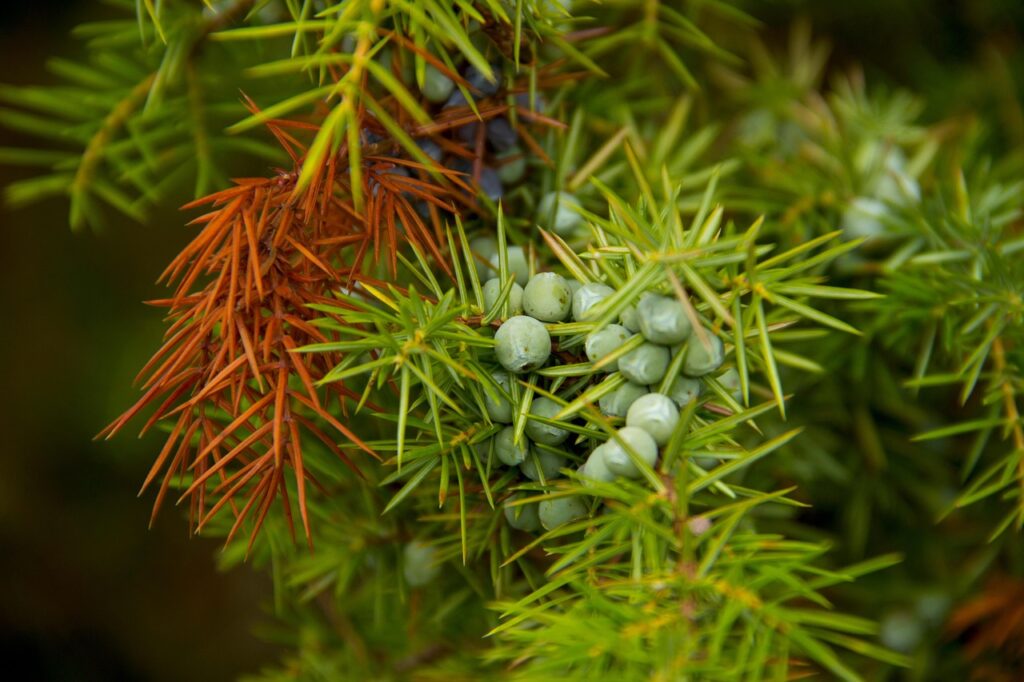
Reproductive structures in Subsection Juniperus reflect the group’s ancient evolutionary origins and play an important role in its ecological success. While often referred to as berries, the seed cones of junipers are highly specialised structures that differ significantly from true fruits.
In Subsection Juniperus, cone morphology and seed arrangement provide key taxonomic clues and distinguish this group from other juniper subsections.
Female cone structure and development
The female cones of Subsection Juniperus are fleshy and rounded, commonly known as galbuli. During early development, these cones are green and firm, gradually maturing into bluish, purplish, or dark-coloured structures covered in a waxy bloom.
Unlike some other juniper groups, the cones of Subsection Juniperus contain three separate, unfused seeds. This characteristic is considered a primitive trait within the genus and is one of the defining features used in classification. Cone maturation typically takes two to three years, depending on species and environmental conditions.
Pollination and fertilisation
Subsection Juniperus species are generally dioecious, with male and female cones produced on separate plants. Male cones release pollen in late winter or early spring, relying on wind for pollination.
Once pollinated, the female cones develop slowly, allowing fertilisation and seed formation to occur over an extended period. This slow reproductive cycle aligns with the long-lived nature of these junipers and contributes to their resilience across diverse habitats.
Seed dispersal strategies
The fleshy cones of Subsection Juniperus play a vital role in seed dispersal. Birds and mammals are attracted to the mature cones and consume them, later dispersing the seeds over wide areas through droppings.
Because the seeds are separate rather than fused, they remain viable after passing through the digestive system of animals. This dispersal strategy has helped Subsection Juniperus species achieve exceptionally wide geographic distributions, particularly in species such as Juniperus communis.
Reproductive traits and cultivation relevance
From a cultivation and bonsai perspective, cone production in Subsection Juniperus is relatively infrequent and often limited to mature, well-established plants. Female specimens are required for cone development, while male plants are necessary for pollen production.
Understanding these reproductive traits is important for growers interested in seed propagation or ecological authenticity in bonsai displays. However, most cultivated plants are propagated vegetatively, as seed-grown specimens can take many years to reach maturity.
Geographic Distribution and Natural Habitats of Subsection Juniperus
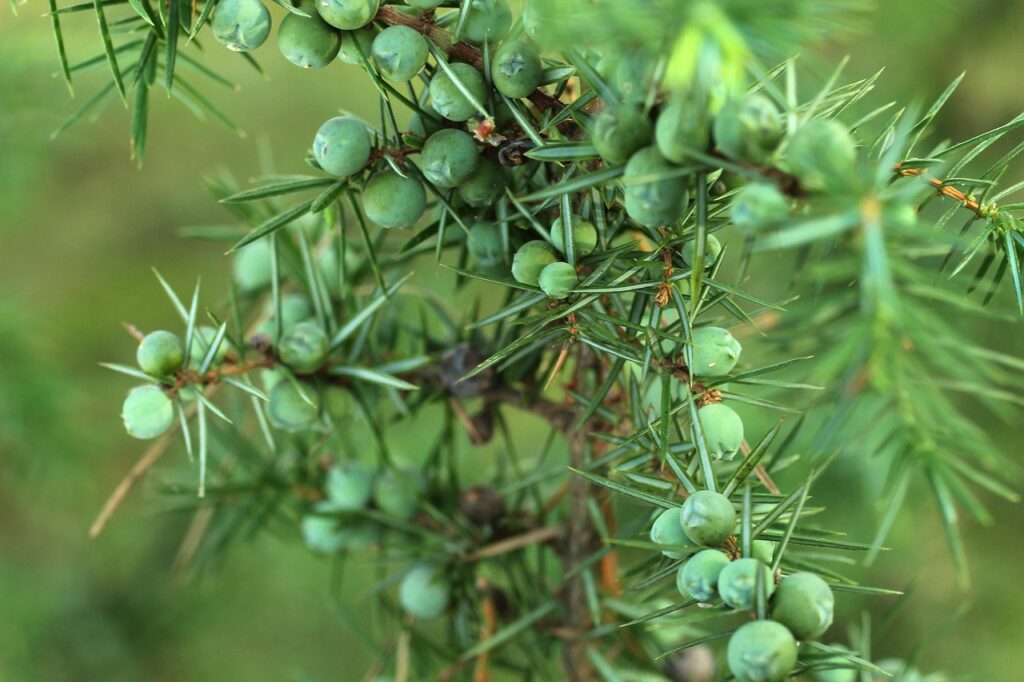
Subsection Juniperus has one of the broadest geographic distributions of any group within the genus Juniperus. Its species occupy a wide range of climates and elevations, reflecting the subsection’s remarkable adaptability and long evolutionary history. This extensive distribution has contributed to its ecological resilience and genetic diversity.
Rather than being confined to a single biome, members of Subsection Juniperus are found across much of the Northern Hemisphere. Their presence spans temperate, subarctic, alpine, coastal, and island environments, often in locations where few other woody plants can persist.
Common natural habitats and distribution patterns include:
- Northern Hemisphere temperate regions, where species such as Juniperus communis form part of open woodlands, grasslands, and heathlands
- Subarctic and boreal zones, where low-growing forms tolerate extreme cold, short growing seasons, and nutrient-poor soils
- Alpine and high-altitude environments, including mountainous regions where prostrate subspecies thrive above the tree line
- Coastal habitats, particularly sandy or rocky shorelines exposed to salt spray and strong winds
- Dry, rocky landscapes, where well-drained soils and limited competition favour needle-leaved junipers
- Island ecosystems, such as the Bonin Islands, where endemic species evolved in isolation
Across these environments, Subsection Juniperus species typically favour well-drained soils and full sun exposure. Their ability to tolerate drought, wind, and temperature extremes allows them to colonise marginal landscapes that are unsuitable for many other conifers.
This ecological flexibility has played a key role in the long-term survival of Subsection Juniperus and continues to influence how its species are used in horticulture, restoration, and bonsai cultivation today.
Species Diversity and Key Members of Subsection Juniperus
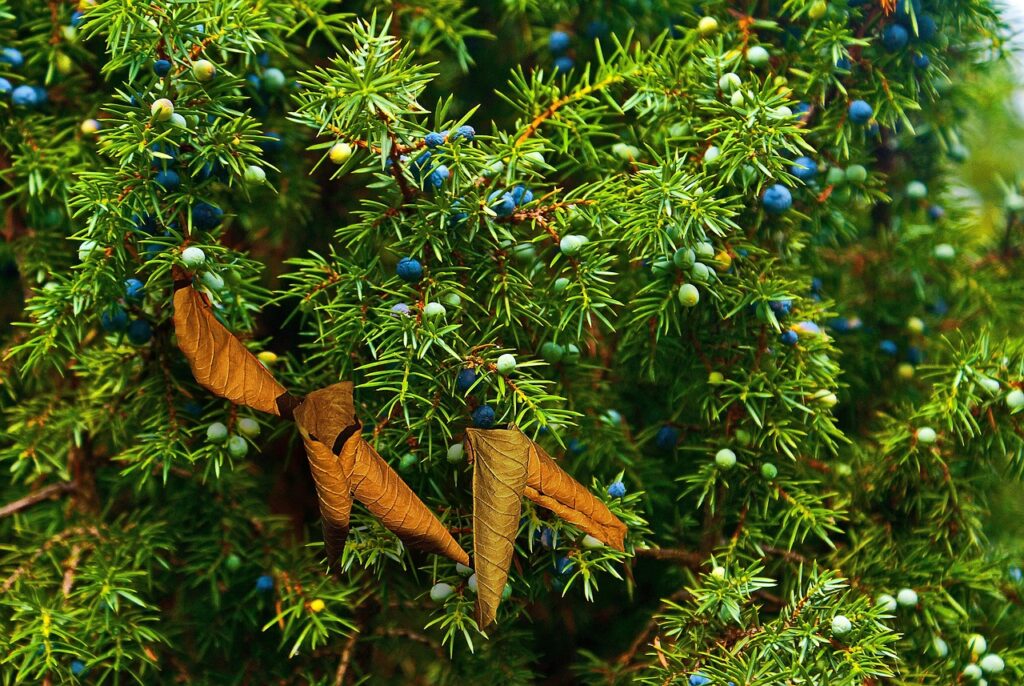
Subsection Juniperus encompasses a relatively small but ecologically and morphologically important group of species within the genus Juniperus. While the subsection does not contain the same level of species diversity as some scale-leaved groups, its members are among the most widespread, resilient, and historically significant junipers.
Species within this subsection share core structural traits, yet each has adapted to distinct environments, resulting in a wide range of growth forms and ecological roles. These adaptations have also influenced how individual species are used in horticulture and bonsai cultivation.
Juniperus communis is the most widely distributed member of Subsection Juniperus and one of the most widespread woody plants in the Northern Hemisphere. It displays remarkable variation in form, ranging from low, spreading shrubs to upright, tree-like specimens. This adaptability allows it to thrive in diverse habitats, from open grasslands and heathlands to alpine and subarctic regions.
Juniperus rigida, commonly known as temple juniper or needle juniper, is characterised by its rigid, sharply pointed needles and strong structural growth. It often develops an upright form with pronounced branching, making it visually distinctive and structurally robust. This species is particularly valued in traditional horticulture and bonsai for its architectural presence and durability.
Juniperus conferta, also known as shore juniper, is a low-growing, spreading species adapted to coastal environments. Its tolerance of salt spray, sandy soils, and wind exposure makes it an effective ground cover in harsh conditions. In bonsai and landscape use, it is appreciated for its dense needle foliage and natural creeping habit.
While Subsection Juniperus includes additional species and subspecies, our initial focus will centre on Juniperus communis, Juniperus rigida, and Juniperus conferta. These species are among the most commonly encountered in cultivation and bonsai practice, making them ideal candidates for future care guides, styling discussions, and species-specific articles.
As needed, further members of Subsection Juniperus will be explored in greater detail.
Subsection Juniperus in Bonsai and Horticulture
Subsection Juniperus holds a distinctive place in both bonsai and horticulture, offering a combination of ancient character, resilience, and structural clarity. While these junipers can be more demanding than their scale-leaved relatives, their persistent needle foliage and strong growth habits reward growers who understand their natural tendencies.
In horticulture, species within Subsection Juniperus are valued for their hardiness and adaptability. Their tolerance of cold, wind, poor soils, and drought makes them well-suited to challenging landscapes where other woody plants struggle. As ground covers, shrubs, or small trees, they contribute long-term structure and ecological stability with relatively low maintenance requirements.
From a bonsai perspective, Subsection Juniperus presents both limitations and opportunities. Needle reduction is minimal compared to scale-leaved junipers, requiring designs that work with coarser texture rather than against it. However, the rigid branching, clear internode structure, and naturally aged appearance lend themselves well to rugged, naturalistic styles that emphasise endurance and character.
Understanding the botanical foundations of Subsection Juniperus is essential for successful cultivation. By respecting their ancient morphology and growth patterns, growers can make informed decisions about training, pruning, and long-term care. Whether used in landscape planting or refined into expressive bonsai, Subsection Juniperus remains a powerful example of how evolutionary history continues to shape modern horticultural practice.