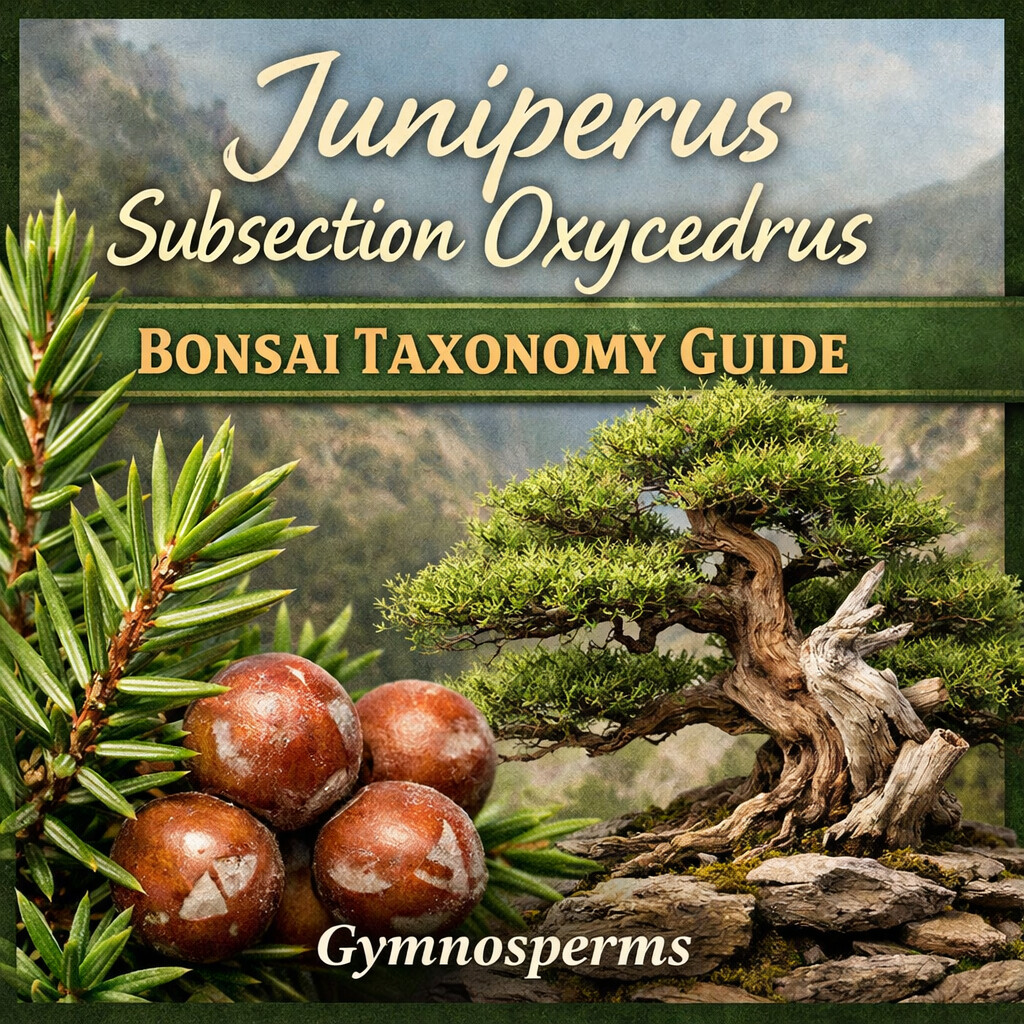
Juniperus Subsection Oxycedrus represents one of the most distinctive and ecologically important groups within the needle-leaf junipers. Known for their sharp, prickly foliage, clearly defined white stomatal bands, and three-seeded cones, these junipers are strongly associated with rugged, sun-exposed landscapes where few other woody plants can thrive.
Species within Subsection Oxycedrus are most commonly linked to the Mediterranean world, from coastal dunes and rocky hillsides to dry inland slopes and mountainous regions reaching elevations of over 2,000 metres. Their ability to tolerate heat, drought, wind, poor soils, and even periodic fire has allowed them to persist as both pioneer species and long-lived survivors in harsh environments shaped by natural disturbance and human activity.
From a taxonomic perspective, Subsection Oxycedrus has drawn significant attention due to its variability and wide geographic spread. Ongoing morphological and molecular research has refined how botanists understand the relationships between its species, subspecies, and regional forms, making it a fascinating subsection for both botanists and serious plant enthusiasts.
For bonsai practitioners, Subsection Oxycedrus holds particular interest. Its needle foliage, rugged bark, slow growth in harsh conditions, and strong response to stress make it a compelling subject for naturalistic and wild-style bonsai, echoing the windswept and sun-baked habitats these junipers originate from.
This taxonomy guide explores Subsection Oxycedrus in detail, examining its defining characteristics, evolutionary background, species diversity, ecological role, and relevance to horticulture and bonsai within the broader Juniperus genus.
Table of Contents
Taxonomy
– Kingdom: Plantae (Plant Kingdom)
— Clade: Embryophytes (Land Plants)
— Clade: Polysporangiophytes (Multiple Sporangia)
—- Clade: Tracheophytes (Vascular Plants)
—– Superdivision: Spermatophytes (Seed Plants)
—— Clade: Gymnospermae (Naked Seeds)
——- Division: Pinophyta (Conifers)
——– Class: Pinopsida (Living Conifers)
——— Subclass: Cupressidae (Evergreen Conifers)
———- Order: Cupressales (Cypress)
———– Family: Cupressaceae (Cypress)
———— Subfamily: Cupressoideae (Cypress)
————- Genus: Juniperus (Juniper)
————– Section: Juniperus (Common Junipers)
————— Subsection: Oxycedrus (Mediterranean Junipers)
What Is Juniperus Subsection Oxycedrus?
Juniperus Subsection Oxycedrus is a taxonomic grouping within the genus Juniperus that includes a distinctive set of needle-leaf junipers adapted to dry, sun-exposed, and often challenging environments. This subsection sits within Juniperus section Juniperus and is defined by a combination of consistent morphological traits, most notably sharp, needle-like leaves with two clearly visible white stomatal bands and seed cones that typically contain three separate seeds.
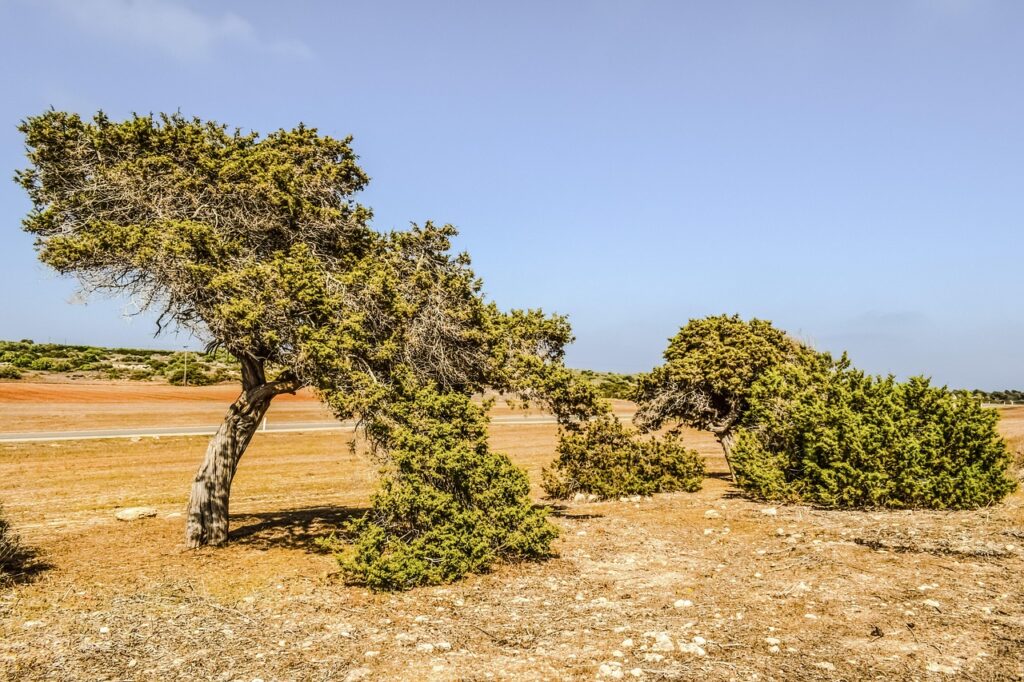
Plants within Subsection Oxycedrus range from low, spreading shrubs to upright shrubs and small trees, depending on species and habitat. They are evergreen, slow-growing, and highly resilient, often occupying landscapes shaped by wind, drought, poor soils, grazing, or fire. These junipers are especially common in Mediterranean-type ecosystems, where their ability to survive with minimal water and nutrients gives them a strong ecological advantage.
From a practical and horticultural perspective, Subsection Oxycedrus is important because it represents junipers with a more rugged, untamed character than scale-leaf species. Their stiff needle foliage, natural deadwood formation, and weathered growth habits make them particularly interesting to collectors, landscape designers, and bonsai enthusiasts seeking plants that reflect age, endurance, and natural struggle. In taxonomy, ecology, and bonsai alike, Subsection Oxycedrus stands out as a group shaped as much by environment as by lineage.
Taxonomic Placement of Subsection Oxycedrus Within the Genus Juniperus
Subsection Oxycedrus is formally placed within the genus Juniperus, which belongs to the cypress family, Cupressaceae. Within the genus, it is classified under section Juniperus, a group characterised by junipers that retain needle-like juvenile foliage throughout their lives, rather than transitioning to scale foliage as seen in other sections.
This placement reflects both morphological and evolutionary relationships. Species in Subsection Oxycedrus share key features with other members of section Juniperus, such as persistent needle foliage arranged in whorls of three and berry-like cones that take multiple seasons to mature. What distinguishes Subsection Oxycedrus from other subsections within the section is the combination of two distinct stomatal bands on each needle and the typical presence of three separate seeds per cone.
Historically, the boundaries of Subsection Oxycedrus were defined primarily through morphology. More recent molecular studies have largely supported this grouping, while also revealing regional lineages and prompting ongoing discussion around species versus subspecies status in some taxa. Despite these refinements, Subsection Oxycedrus remains a well-recognised and coherent taxonomic unit within the genus, linking Mediterranean, Macaronesian, and select Asian junipers through shared ancestry and adaptive traits.
For bonsai and horticultural classification, this taxonomic placement helps explain why Oxycedrus junipers behave similarly in cultivation, particularly in terms of growth rate, needle structure, and stress tolerance, even when originating from different geographic regions.
Evolutionary Origins and Ancient Lineage of Subsection Oxycedrus
Subsection Oxycedrus represents a lineage of junipers shaped by long-term survival in some of the most demanding environments in the Northern Hemisphere. Its evolutionary history is closely tied to climatic instability, geological change, and the gradual spread of dry, open habitats across the Mediterranean Basin and beyond. Rather than evolving for speed or competitiveness, these junipers evolved for endurance, favouring traits that allowed them to persist where forests retreated and conditions became harsher.
Fossil evidence and molecular studies suggest that needle-leaf junipers within section Juniperus are among the more ancient forms in the genus. Subsection Oxycedrus, in particular, appears to preserve many ancestral traits that predate the dominance of scale-leaf junipers in more temperate and humid regions.
Origins in a drying Mediterranean world
The rise of Subsection Oxycedrus is closely associated with the gradual drying of the Mediterranean region during the late Tertiary and Quaternary periods. As climates shifted toward hotter summers, reduced rainfall, and increased seasonality, many broadleaf forests declined or fragmented. Junipers adapted to open, rocky terrain expanded into these newly available ecological niches.
Oxycedrus-type junipers thrived under these conditions due to their needle foliage, thick cuticles, and efficient water-use strategies. These adaptations allowed them to colonise exposed slopes, limestone outcrops, and coastal regions where competition from other woody plants was limited.
Survival through glaciation and climatic extremes
Unlike species dependent on stable forest environments, Subsection Oxycedrus benefited from its ecological flexibility during ice ages and interglacial periods. While glaciers reshaped northern Europe, Mediterranean refugia provided relatively stable zones where junipers could persist and diversify.
Populations became isolated in pockets across southern Europe, North Africa, Atlantic islands, and parts of western and eastern Asia. Over time, this isolation contributed to genetic divergence and regional specialisation, helping explain the morphological variability seen within the subsection today.
An ancient blueprint still visible today
Many of the defining characteristics of Subsection Oxycedrus can be viewed as evolutionary holdovers from earlier juniper forms. Persistent needle foliage, slow growth, long-lived individuals, and extended cone maturation are all traits linked to survival rather than rapid reproduction.
From a bonsai perspective, this ancient lineage is often expressed visually through rugged bark, irregular branching, natural deadwood, and compact growth under stress. These features are not ornamental accidents but the visible outcome of millions of years of adaptation to difficult landscapes. Subsection Oxycedrus stands as a living record of juniper evolution shaped by time, climate, and resilience.
Defining Morphological Characteristics of Subsection Oxycedrus
Subsection Oxycedrus is defined by a suite of physical traits that reflect both its taxonomic identity and its adaptation to harsh, open environments. While individual species may vary in size, habit, and regional expression, the core morphological features of this subsection remain remarkably consistent. These shared characteristics allow Subsection Oxycedrus to be reliably distinguished from other needle-leaf junipers within the genus.
Rather than exhibiting delicate or refined growth, Oxycedrus junipers are structurally robust. Their morphology emphasises protection, longevity, and efficiency, traits that have allowed them to survive under intense sunlight, drought, wind exposure, and nutrient-poor soils.
Needle foliage and stomatal band structure
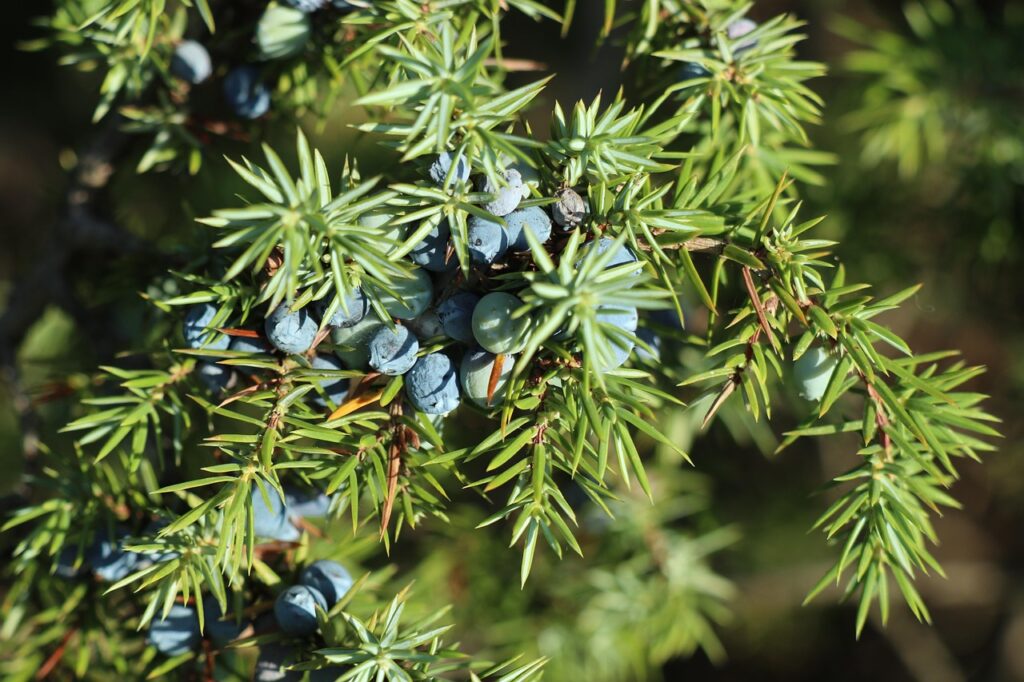
The most immediately recognisable feature of Subsection Oxycedrus is its needle-like foliage. Needles are stiff, sharply pointed, and arranged in whorls of three along the shoots. Each needle typically displays two well-defined white stomatal bands on the upper surface, separated by a narrow green midrib.
These stomatal bands are not merely diagnostic but functional, helping regulate gas exchange and water loss in dry conditions. Needle length generally ranges from 5 to 20 millimetres, with thicker, more rigid needles developing in plants exposed to harsher environments.
Cone morphology and seed arrangement
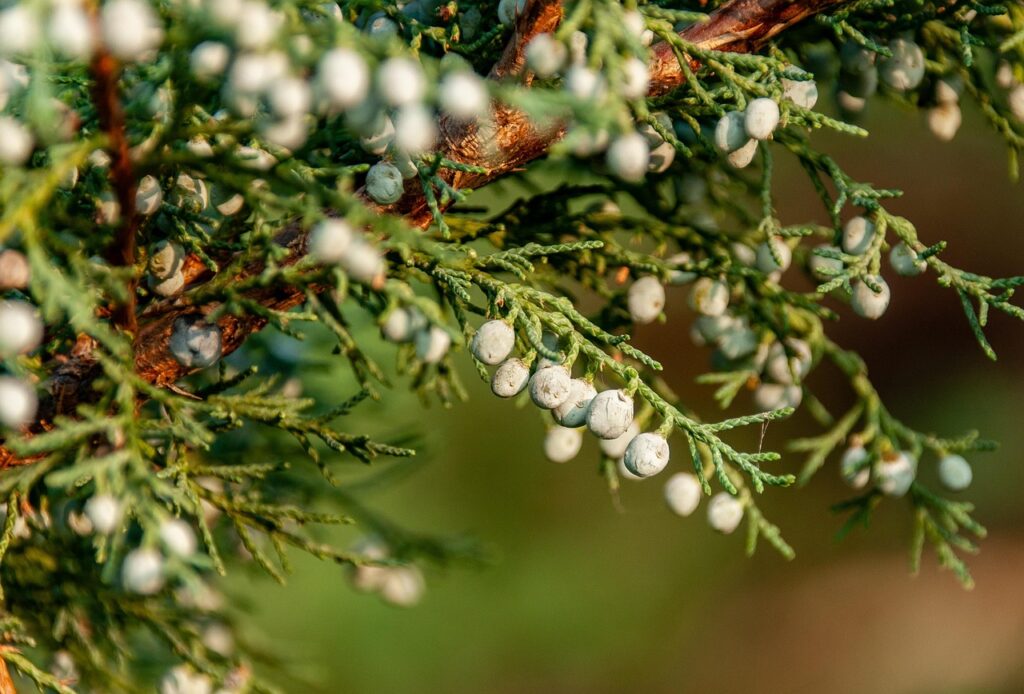
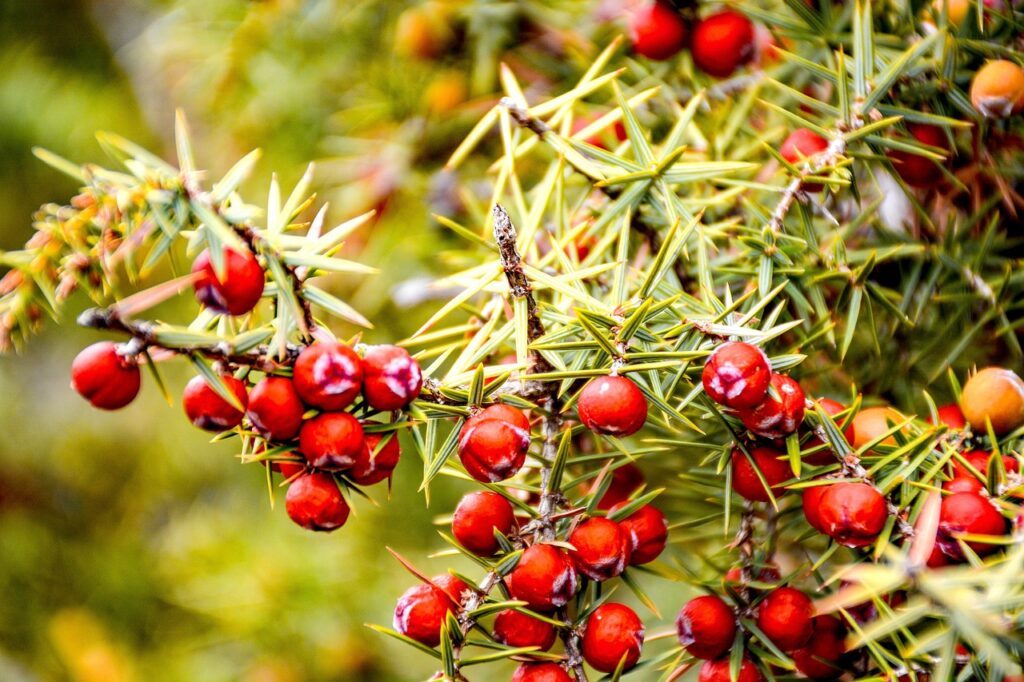
The reproductive cones of Subsection Oxycedrus are small, rounded, and berry-like, maturing slowly over an extended period, usually around 18 months. A defining feature of this subsection is the presence of three separate seeds within each cone, a trait that helps distinguish it from closely related groups.
Cones typically ripen from green to orange-red or reddish-purple and develop a waxy coating that aids in protection and seed dispersal. Their relatively small size and slow development reflect an evolutionary strategy focused on persistence rather than rapid reproduction.
Growth habit and structural form
Species within Subsection Oxycedrus display a wide range of growth habits, from low, spreading shrubs hugging coastal dunes to upright shrubs and small trees reaching heights of 10 to 15 metres. Trunks are often irregular, with twisting forms and a tendency toward natural deadwood development as branches age or die back under stress.
Bark is generally fibrous and peeling, contributing to a weathered appearance that intensifies with age. In bonsai and natural settings alike, this structural irregularity is one of the most visually striking aspects of the subsection, reinforcing its identity as a group shaped by environmental pressure rather than uniform growth.
Needle Foliage Structure and Growth Habit in Subsection Oxycedrus
The needle foliage and growth habit of Subsection Oxycedrus reflect a long evolutionary history shaped by exposure, scarcity, and environmental stress. These junipers are not built for rapid expansion or dense canopies. Instead, their structure prioritises durability, water efficiency, and survival in open, unforgiving landscapes.
Needle foliage in Subsection Oxycedrus is persistent throughout the plant’s life, unlike many junipers that transition to scale foliage as they mature. The needles are rigid, sharply pointed, and arranged in whorls of three along the stems. Their tough, leathery texture reduces moisture loss and offers protection against grazing, while the prominent white stomatal bands play a key role in regulating gas exchange under dry conditions.
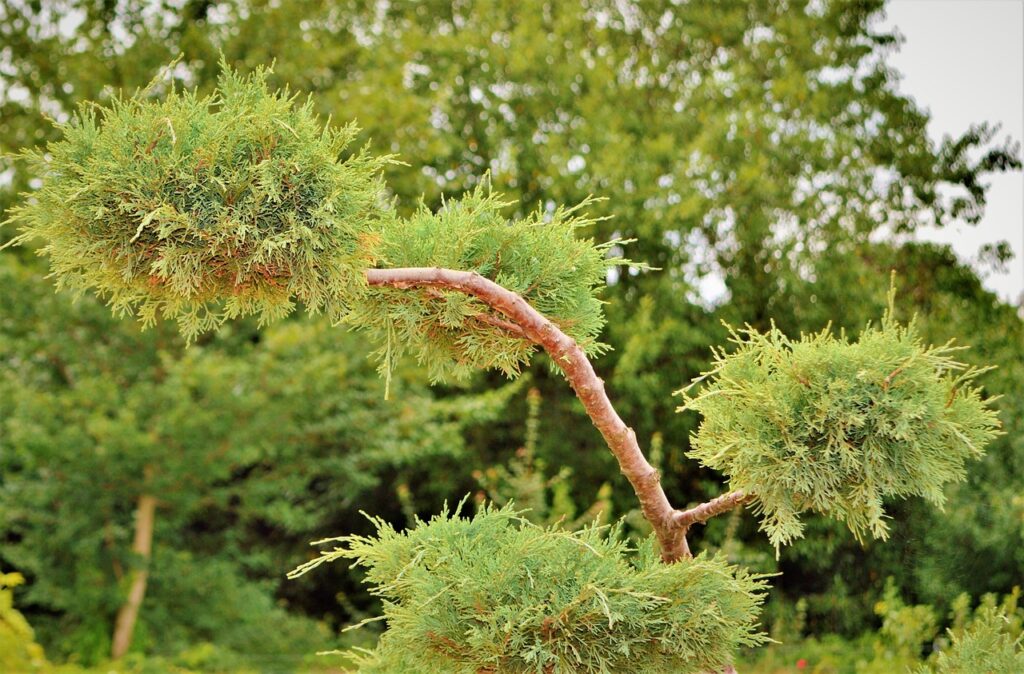
Growth is typically slow and incremental, with short internodes developing in response to limited resources. In exposed habitats, this results in compact, dense foliage pads and irregular branching patterns. Where conditions are slightly more favourable, plants may develop longer shoots, but even then, growth remains restrained compared to many other conifers.
The overall growth habit varies widely across species and habitats. Some Oxycedrus junipers form low, spreading or prostrate shrubs that cling to rocky slopes or coastal sands, while others develop into upright shrubs or small trees with twisted trunks and uneven crowns. Wind, drought, and substrate instability often influence form, producing asymmetrical silhouettes and naturally contorted structures.
For bonsai practitioners, these traits are particularly valued. The persistent needle foliage, strong back-budding under stress, and naturally rugged growth habit make Subsection Oxycedrus well-suited to expressive, naturalistic bonsai styles. Rather than forcing refinement, successful cultivation often involves working with the plant’s inherent tendencies, allowing its ancient survival strategies to shape the final form.
Cone Development and Reproductive Traits of Subsection Oxycedrus
Reproduction in Subsection Oxycedrus follows a slow, deliberate rhythm that mirrors the challenging environments in which these junipers evolved. Rather than producing large numbers of seeds quickly, species in this subsection invest in extended cone development and durable seed structures, increasing the likelihood of successful regeneration in harsh, competitive landscapes.
These reproductive traits are closely tied to climate, habitat stability, and dispersal opportunities, and they play a key role in the long-term persistence of Oxycedrus junipers across the Mediterranean and related regions.
Dioecy and flowering behaviour
Most species within Subsection Oxycedrus are dioecious, meaning individual plants are either male or female. Male plants produce small pollen cones, while female plants develop seed cones. Pollination occurs via wind, typically in late winter to early spring, when conditions favour pollen dispersal but competition from other flowering plants is minimal.
This separation of sexes encourages genetic diversity within populations, an important advantage for species growing in fragmented or marginal habitats where environmental pressures are high.
Extended cone maturation cycle
One of the defining reproductive features of Subsection Oxycedrus is the extended cone maturation period. After pollination, female cones develop slowly, usually taking around 18 months to fully mature. During this time, the cones transition from green to orange-red or reddish-purple, developing a waxy outer layer that helps protect the seeds from desiccation and predation.
This prolonged development allows seed formation to align with favourable seasonal conditions, ensuring that dispersal occurs when survival prospects are highest.
Seed structure and dispersal strategies
Cones in Subsection Oxycedrus typically contain three separate seeds, a key diagnostic trait of the group. The seeds are relatively hard and well-protected, enabling them to withstand dry soils, temperature extremes, and delayed germination.
Seed dispersal is often aided by birds and mammals attracted to the fleshy, aromatic cones. After ingestion, seeds are deposited away from the parent plant, often in nutrient-enriched sites. This dispersal strategy helps Oxycedrus junipers colonise new areas, particularly in disturbed or open environments where competition is limited.
From both an ecological and bonsai perspective, these reproductive traits underscore the subsection’s emphasis on resilience and longevity over rapid expansion, reinforcing its identity as a group shaped by patience, persistence, and environmental endurance.
Geographic Distribution and Natural Habitats of Subsection Oxycedrus
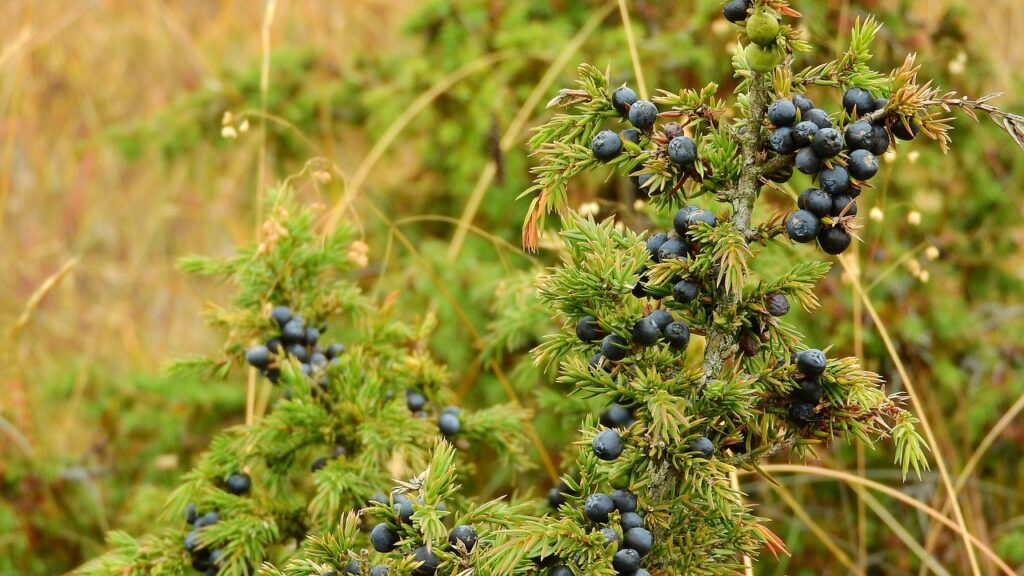
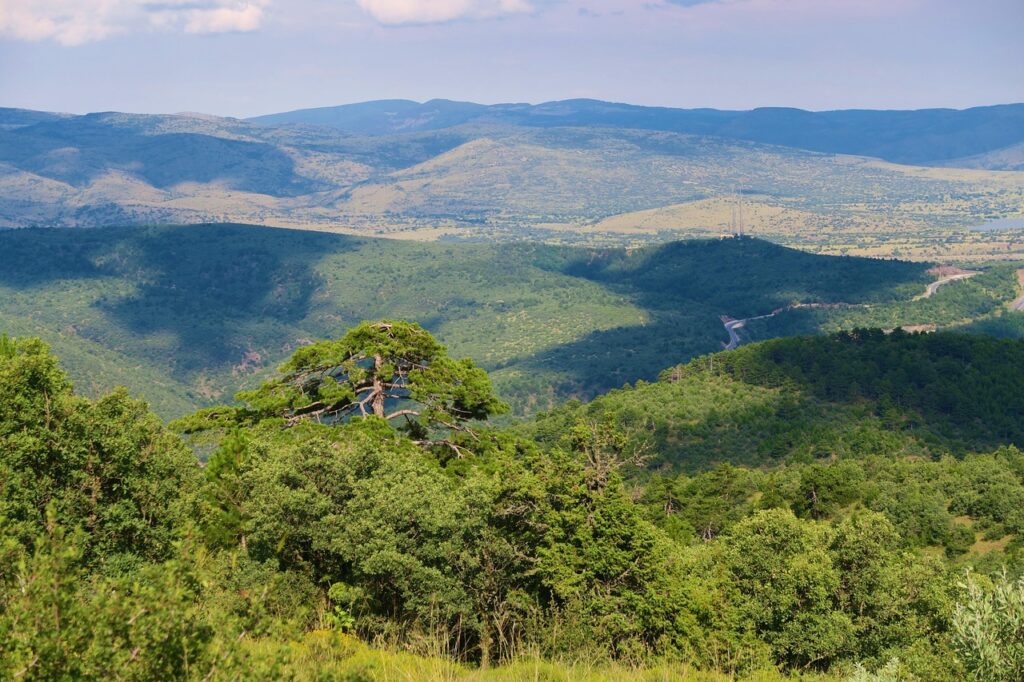
Subsection Oxycedrus is primarily associated with Mediterranean-type climates, but its overall distribution reflects a broad tolerance for varied terrain, elevation, and environmental stress. Species within this subsection occupy some of the most exposed and ecologically challenging habitats across their range, often persisting where forest cover is sparse or absent.
Key aspects of the geographic distribution and natural habitats include:
- Mediterranean Basin – Widespread across southern Europe and parts of North Africa, particularly in Spain, southern France, Italy, the Balkans, and Greece, where species occupy rocky hillsides, limestone outcrops, and open scrublands.
- Atlantic and Macaronesian islands – Endemic species occur on island systems such as the Canary Islands and the Azores, often forming relict populations adapted to volcanic soils and persistent wind exposure.
- Iberian coastal zones – Certain species and subspecies thrive in coastal sand dunes and maritime environments, tolerating salt spray, shifting substrates, and intense sunlight.
- Eastern Mediterranean and West Asia – Populations extend eastward into regions influenced by continental climates, including parts of Anatolia, the Caucasus, and Iran, where junipers occupy dry slopes and mountainous terrain.
- East Asia – Isolated representatives occur in parts of China and surrounding regions, reflecting historical dispersal and long-term adaptation to local conditions.
- Elevation range – Habitats span from sea level to elevations of approximately 2,200 metres, demonstrating strong adaptability to temperature variation and seasonal extremes.
- Soil conditions – Typically found in well-drained, sandy, rocky, or calcareous soils with low organic content, where water retention is minimal.
Across its range, Subsection Oxycedrus often functions as a pioneer or survivor species, stabilising soils, reducing erosion, and maintaining vegetation cover in landscapes shaped by fire, grazing, and human disturbance.
Species Diversity and Key Members of Subsection Oxycedrus
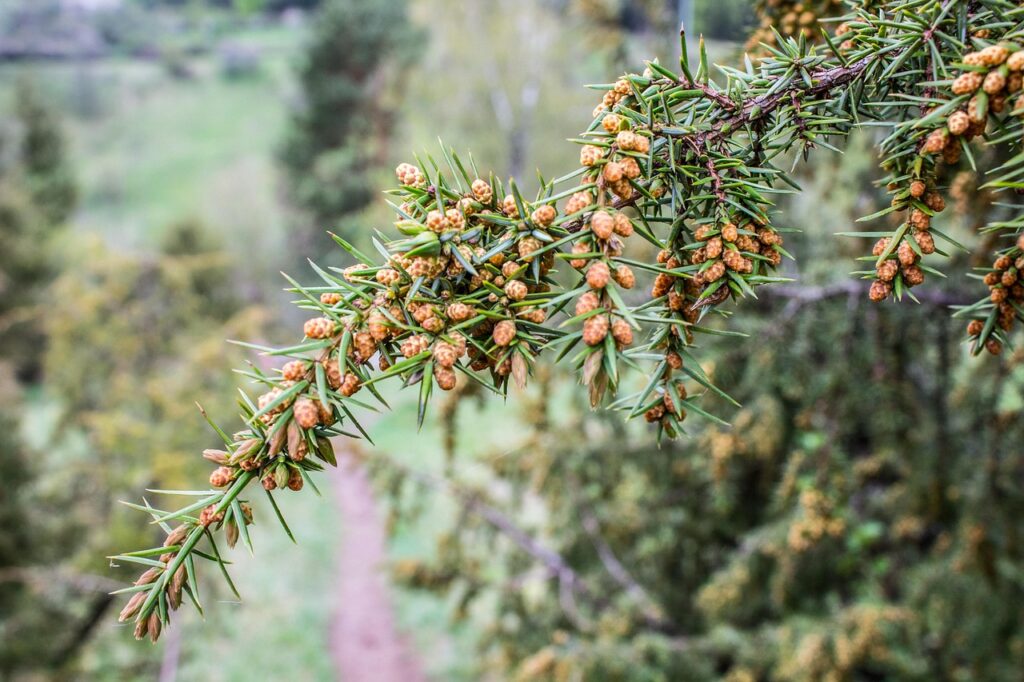
Subsection Oxycedrus is not a large group when compared to some other juniper lineages, but it displays considerable diversity in form, habitat preference, and regional adaptation. Depending on taxonomic interpretation, the subsection comprises approximately six to eight recognised species, with additional subspecies and regional forms still discussed in botanical literature.
This diversity is largely the result of long-term geographic isolation across the Mediterranean Basin, Atlantic islands, and parts of Asia. Over time, populations adapted to local conditions, giving rise to distinct species that share core morphological traits while expressing unique ecological and structural characteristics.
Among the most widely recognised members are Juniperus oxycedrus, often considered the central species of the subsection. Highly variable in habit, it ranges from low shrubs to small trees and has played an important ecological and cultural role throughout the Mediterranean. Closely related taxa such as Juniperus deltoides and Juniperus navicularis are sometimes treated as separate species due to genetic and geographic distinctions, particularly in eastern and western Mediterranean regions.
For Budding Backyard Bonsaist, the initial focus will be on two particularly distinctive members of Subsection Oxycedrus. Juniperus macrocarpa, often associated with coastal dunes, is notable for its larger cones, low-growing habit, and tolerance for wind and sandy soils. Juniperus cedrus is a relic island species, valued for its rugged structure, slow growth, and strong sense of age, traits that translate exceptionally well into bonsai form.
Other notable members of the subsection include Juniperus brevifolia, endemic to the Azores, and Juniperus formosana, which represents the eastern extent of the group. Together, these species illustrate how Subsection Oxycedrus has adapted to a wide range of environments while retaining a shared evolutionary identity.
As future care sheets and species guides are developed, Juniperus macrocarpa and Juniperus cedrus will serve as starting points, offering insight into both mainland and island expressions of this resilient and ancient juniper lineage.
Subsection Oxycedrus in Bonsai and Horticulture
Subsection Oxycedrus occupies a unique position in both horticulture and bonsai, standing apart from more commonly cultivated junipers through its rugged character and strong environmental identity. These are not ornamental plants shaped by softness or refinement, but species forged by exposure, scarcity, and time. Their natural forms already tell a story of survival, making them especially compelling subjects for growers who value authenticity over perfection.
In horticulture, Oxycedrus junipers are valued for their resilience. They tolerate drought, poor soils, wind exposure, and high sunlight levels far better than many conifers. When planted in the ground or used in landscape settings, they perform best in well-drained substrates and open positions that mirror their natural habitats. Overwatering, excessive fertilisation, or rich soils tend to work against their natural growth patterns, producing weaker, less characteristic forms.
From a bonsai perspective, Subsection Oxycedrus offers exceptional potential for naturalistic and rugged styles. Persistent needle foliage, slow growth, fibrous bark, and a tendency toward natural deadwood formation allow these junipers to convey age and struggle with minimal intervention. Rather than forcing refinement, successful bonsai cultivation often involves restraint, allowing stress, exposure, and time to shape the tree gradually.
Species such as Juniperus macrocarpa and Juniperus cedrus exemplify these qualities particularly well, offering contrasting expressions of coastal endurance and island resilience. As interest grows in species-based bonsai and ecologically informed horticulture, Subsection Oxycedrus stands out as a group that rewards patience, observation, and respect for natural form.
In the context of bonsai and horticulture alike, these junipers remind us that beauty does not always come from control, but from understanding how a plant has learned to survive.