
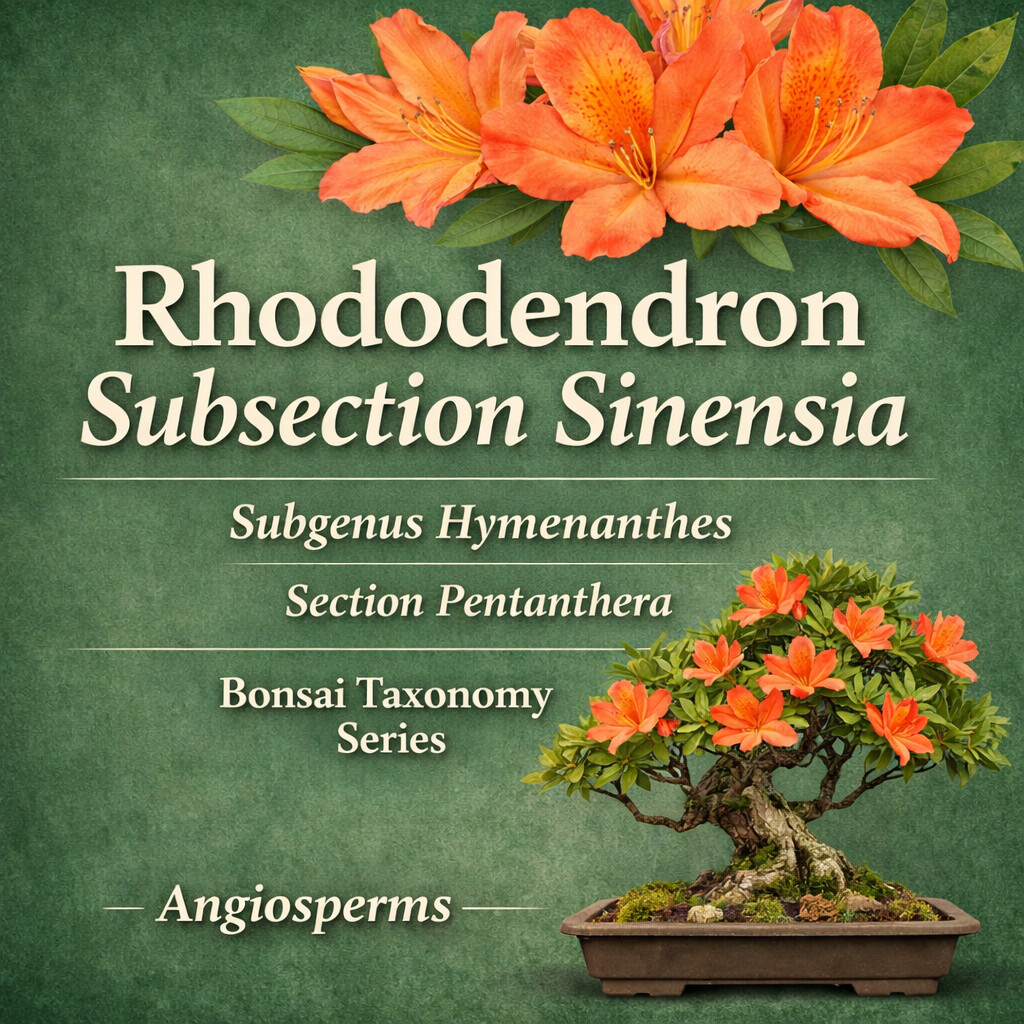
Rhododendron Subsection Sinensia represents a small but taxonomically significant group within the genus Rhododendron, offering important insights into the evolutionary diversity of deciduous azaleas in East Asia. Positioned within Subgenus Hymenanthes and Section Pentanthera, this subsection helps clarify relationships between Asian azaleas and their close relatives, particularly in terms of floral morphology and geographic distribution.
Although limited in species count, Subsection Sinensia is notable for its distinct flower structure and its close relationship to other deciduous azalea groups. The subsection includes species such as Rhododendron molle and Rhododendron japonicum, which are often referenced in broader discussions of azalea classification due to their transitional characteristics.
Understanding Subsection Sinensia provides valuable context for botanists, horticulturists, and plant enthusiasts interested in the finer points of Rhododendron taxonomy, while also offering limited but meaningful relevance for those exploring these species as ornamental shrubs or, more occasionally, as bonsai trees.
Table of Contents
Taxonomy
– Kingdom: Plantae (Plant Kingdom)
— Clade: Embryophytes (Land Plants)
— Clade: Polysporangiophytes (Multiple Sporangia)
—- Clade: Tracheophytes (Vascular Plants)
—– Superdivision: Spermatophytes (Seed Plants)
—— Clade: Angiospermae (Flowering Plants)
——- Division: Eudicots (True Dicotyledons)
——– Subdivision: Core Eudicots
——— Class: Superasterids (Advanced Flowering Plants)
———- Subclass: Asterids (Unified-Flowering Plants)
———– Order: Ericales (Heath and Tea)
———— Family: Ericaceae (Heath)
————- Subfamily: Ericoideae (Heath)
————– Tribe: Rhodoreae (Rhododendron)
————— Genus: Rhododendron
————— Subgenus: Hymenanthes (Elepidote Rhododendrons)
—————- Section: Pentanthera (Deciduous Elepidote Rhododendrons)
—————– Subsection: Sinensia (Deciduous Asian Azaleas)
What is Rhododendron Subsection Sinensia?
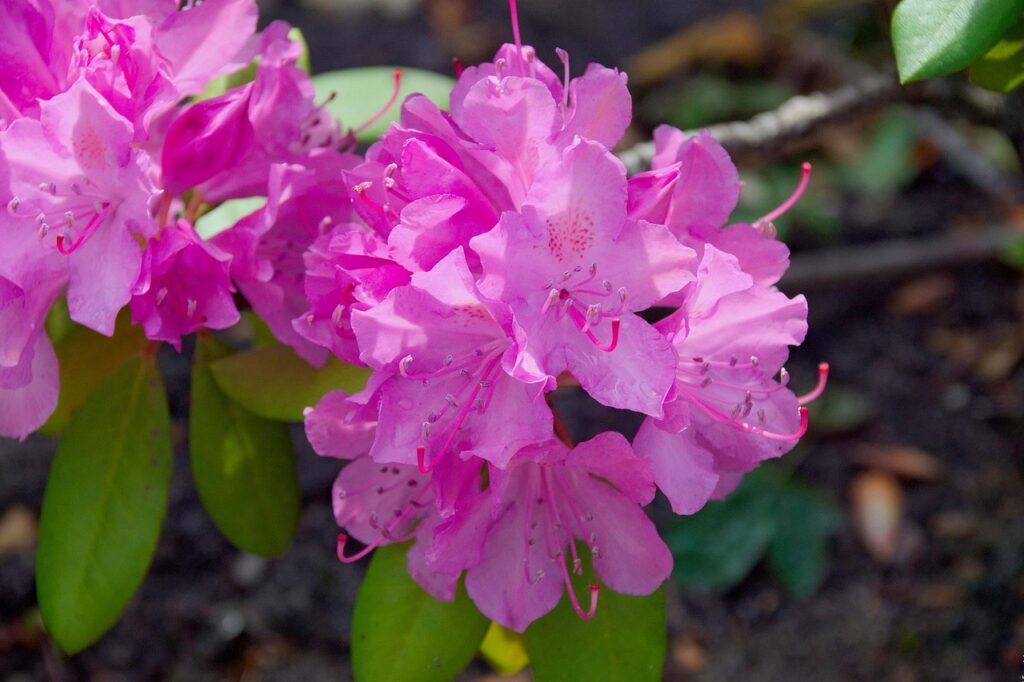
Rhododendron Subsection Sinensia is a small, well-defined taxonomic grouping within the genus Rhododendron, classified under Subgenus Hymenanthes and Section Pentanthera. It represents a subset of deciduous azaleas native to East Asia and is distinguished by specific floral and morphological traits that separate it from closely related sections. Despite its limited number of species, Subsection Sinensia plays an important role in understanding the evolutionary relationships among Asian deciduous azaleas.
The subsection is best known for including species such as Rhododendron molle and Rhododendron japonicum. These shrubs are characterised by fully developed, five-lobed corollas, a feature that helps distinguish Subsection Sinensia from related groups such as Section Rhodora. Taxonomically, Sinensia helps bridge morphological and geographic patterns between Asian azaleas and other deciduous Rhododendron lineages, making it a useful reference point in both botanical classification and comparative plant studies.
Taxonomic placement within Subgenus Hymenanthes and Section Pentanthera
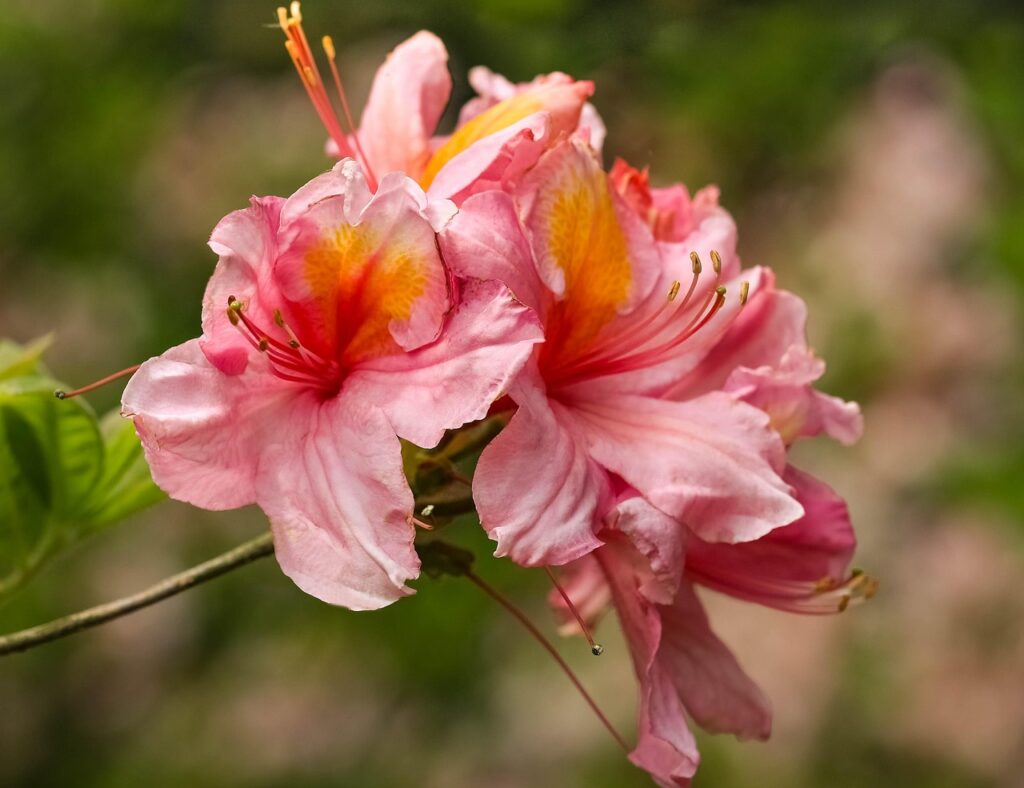
Rhododendron Subsection Sinensia is formally placed within the genus Rhododendron, under Subgenus Hymenanthes and Section Pentanthera. This placement situates Sinensia among the deciduous azaleas, a group defined by seasonal leaf drop, soft-textured foliage, and distinctive floral traits that differ from the evergreen members of the genus. Within Hymenanthes, Section Pentanthera represents a lineage adapted primarily to temperate climates, with strong links between morphology and geography.
Subsection Sinensia occupies a narrowly defined position within Section Pentanthera, grouping together Asian species that share consistent structural characteristics, particularly in flower form. Its members are characterised by a fully developed, five-lobed corolla, a feature that provides a clear taxonomic distinction from closely related sections such as Rhodora, where the upper lobes of the corolla are fused. This floral morphology is one of the primary diagnostic traits supporting the recognition of Sinensia as a distinct subsection.
From a broader taxonomic perspective, Sinensia is important because it highlights the internal diversity of Section Pentanthera and reinforces the biogeographic separation between Asian and North American deciduous azaleas. Its classification reflects both evolutionary lineage and morphological consistency, making Subsection Sinensia a stable and informative unit within the hierarchical structure of Rhododendron taxonomy.
Historical classification and relationship to related azalea groups
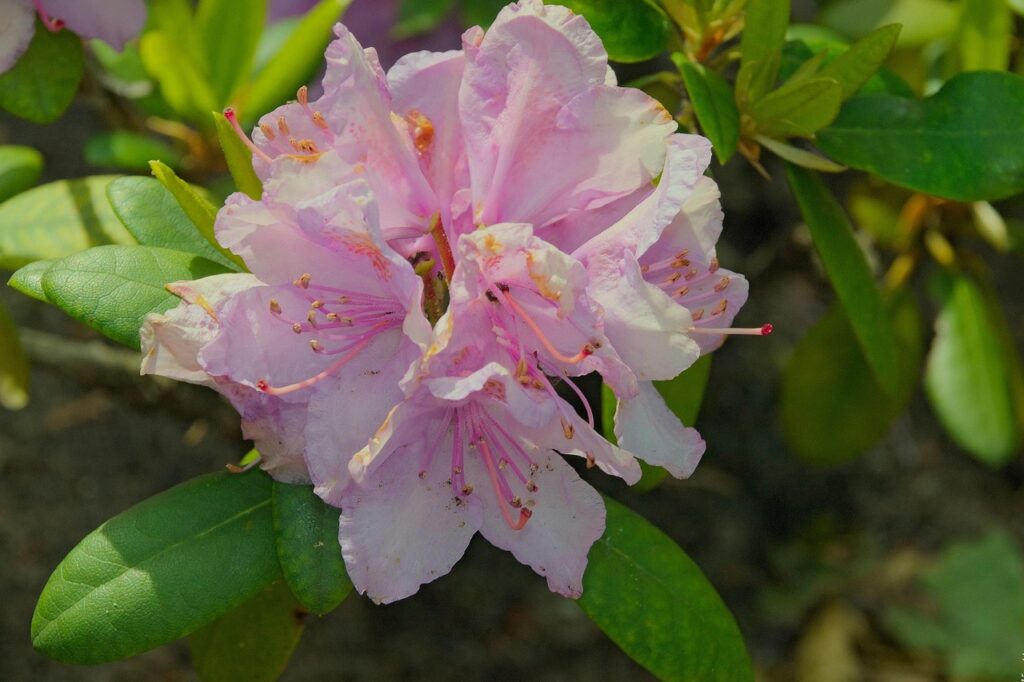
The historical classification of Rhododendron Subsection Sinensia reflects the gradual refinement of azalea taxonomy as botanical knowledge expanded. Early classifications of deciduous azaleas relied heavily on visible characteristics such as leaf habit, flower colour, and growth form, often resulting in broad groupings that combined species from different regions. As a result, the plants now recognised as Subsection Sinensia were not always clearly separated from other deciduous azalea groups in early taxonomic systems.
With increased botanical exploration in East Asia and more detailed morphological comparisons, Sinensia began to be recognised as a distinct grouping within Section Pentanthera. Its classification became more stable as consistent floral traits and geographic patterns were identified, helping clarify its relationship to other azalea lineages.
Early botanical descriptions and initial groupings
The species currently assigned to Subsection Sinensia were described individually during the nineteenth century, a period marked by extensive plant collection in China and Japan. Rhododendron molle was recorded from southern China, while Rhododendron japonicum was documented from Japan. Early botanists grouped these species with other deciduous azaleas based on their seasonal leaf drop and broadly similar flower forms.
At this stage, distinctions between Asian and North American deciduous azaleas were not always clearly recognised. This led to classifications that prioritised general appearance over finer structural differences, placing Sinensia species within wider, less precise groupings.
Differentiation from related azalea sections
As taxonomic study advanced, closer examination of floral morphology revealed consistent differences between Sinensia and other azalea groups. One of the most important diagnostic features was the structure of the corolla, with Sinensia species displaying five fully developed lobes. This characteristic contrasted with related sections such as Rhodora, where the upper lobes are partially fused.
These morphological distinctions, combined with geographic separation, supported the recognition of Subsection Sinensia as a distinct taxonomic unit within Section Pentanthera. Its differentiation helped refine the broader classification of deciduous azaleas and contributed to a clearer understanding of evolutionary relationships within the genus Rhododendron.
Defining morphological characteristics of Subsection Sinensia
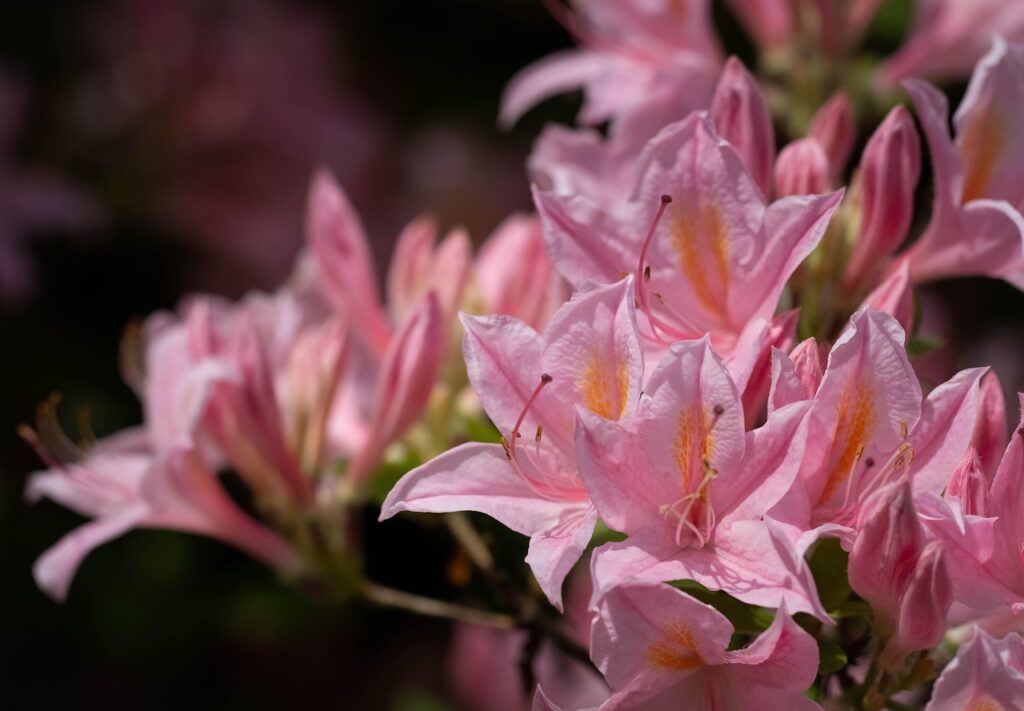
The defining morphological characteristics of Rhododendron Subsection Sinensia are centred on consistent floral and vegetative traits that distinguish this group from other deciduous azaleas within Section Pentanthera. Although limited in species diversity, Sinensia displays a stable combination of features that support its recognition as a distinct taxonomic subsection. These traits are particularly evident in flower structure, growth habit, and seasonal foliage behaviour.
Morphological consistency across the subsection has been a key factor in its taxonomic placement. The characteristics observed in Sinensia species reflect adaptations to temperate East Asian environments and provide useful diagnostic markers when comparing this group to related azalea sections.
Growth habit and vegetative traits
Species within Subsection Sinensia are deciduous shrubs, typically exhibiting an upright to spreading growth habit. Their branching structure is generally open, with stems that support a seasonal flush of foliage followed by complete leaf drop during colder months. This deciduous habit aligns Sinensia with other members of Section Pentanthera while reinforcing its separation from evergreen azalea groups.
Leaves are usually ovate to elliptic in shape, with a soft texture and a relatively thin leaf blade. Seasonal colour change may occur prior to leaf drop, reflecting physiological adaptations to temperate climates. These vegetative traits are consistent across recognised Sinensia species and contribute to their identification in both natural and cultivated settings.
Floral morphology and corolla structure
Floral characteristics are among the most important diagnostic features of Subsection Sinensia. The flowers are typically showy and borne in clusters, with a broad corolla composed of five fully developed lobes. This complete lobe development is a defining trait that distinguishes Sinensia from closely related sections where corolla lobes may be fused or reduced.
The corolla is often funnel-shaped to broadly open, facilitating pollination and contributing to the visual prominence of these shrubs during their flowering period. Variation in flower colour exists between species, but the underlying corolla structure remains consistent, reinforcing the taxonomic coherence of the subsection.
Reproductive and structural features
In addition to corolla morphology, Subsection Sinensia exhibits reproductive traits typical of deciduous azaleas, including well-developed stamens and a floral structure adapted for insect pollination. These features align with the broader reproductive patterns observed within Section Pentanthera.
Structural uniformity in flower arrangement and reproductive organs supports the placement of Sinensia as a distinct subsection. When considered alongside vegetative and floral traits, these characteristics provide a clear morphological framework for identifying and differentiating Subsection Sinensia within the genus Rhododendron.
Flower structure and diagnostic differences from Section Rhodora
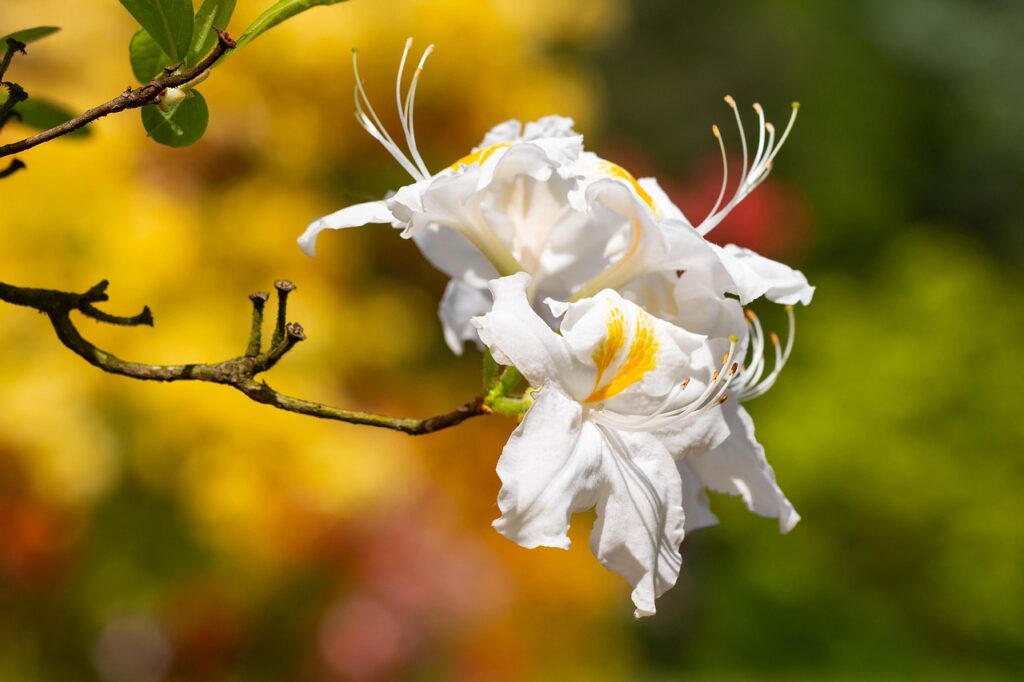
Flower structure is the most reliable diagnostic feature for distinguishing Rhododendron Subsection Sinensia from closely related azalea groups, particularly Section Rhodora. While both groups fall within the broader deciduous azalea complex, consistent differences in corolla formation and floral symmetry have long been used to justify their separation at sectional and subsectional level. These distinctions are subtle but taxonomically significant.
Careful examination of floral morphology reveals that Sinensia maintains a more conventional azalea flower structure, whereas Section Rhodora exhibits a specialised and reduced corolla form. This contrast plays a central role in identification and classification.
Fully developed corolla lobes in Subsection Sinensia
The defining floral trait of Subsection Sinensia is the presence of a corolla with five fully developed and separate lobes. These lobes are typically evenly spaced, forming a broadly open flower that displays radial symmetry. This complete lobe development is consistent across recognised Sinensia species and serves as a stable diagnostic character.
The fully lobed corolla contributes to the visual balance of the flower and reflects a less specialised floral structure within the deciduous azaleas. From a taxonomic perspective, this trait supports the placement of Sinensia within Section Pentanthera while clearly distinguishing it from more structurally modified groups.
Reduced and fused lobes in Section Rhodora
In contrast, Section Rhodora is characterised by a markedly different corolla structure. Rather than five distinct lobes, the upper three lobes are fused into a single, three-lobed structure, creating an asymmetrical or partially bilabiate flower. This reduction and fusion of lobes represents a significant morphological departure from the typical azalea flower form.
This specialised corolla structure is one of the primary reasons Rhodora is treated as a separate section rather than being included within Sinensia or other Pentanthera-related groups. The difference is immediately apparent when flowers from the two groups are compared side by side.
Taxonomic significance of floral differences
The contrasting flower structures of Subsection Sinensia and Section Rhodora illustrate how floral morphology underpins azalea taxonomy. These differences are not merely aesthetic but reflect divergent evolutionary pathways within the deciduous azaleas.
By retaining a fully developed, five-lobed corolla, Subsection Sinensia represents a more structurally conservative lineage, while Section Rhodora demonstrates a specialised adaptation. This clear and consistent distinction reinforces the taxonomic separation between the two groups and provides a reliable framework for identification within the genus Rhododendron.
Ecological adaptations and natural habitat preferences
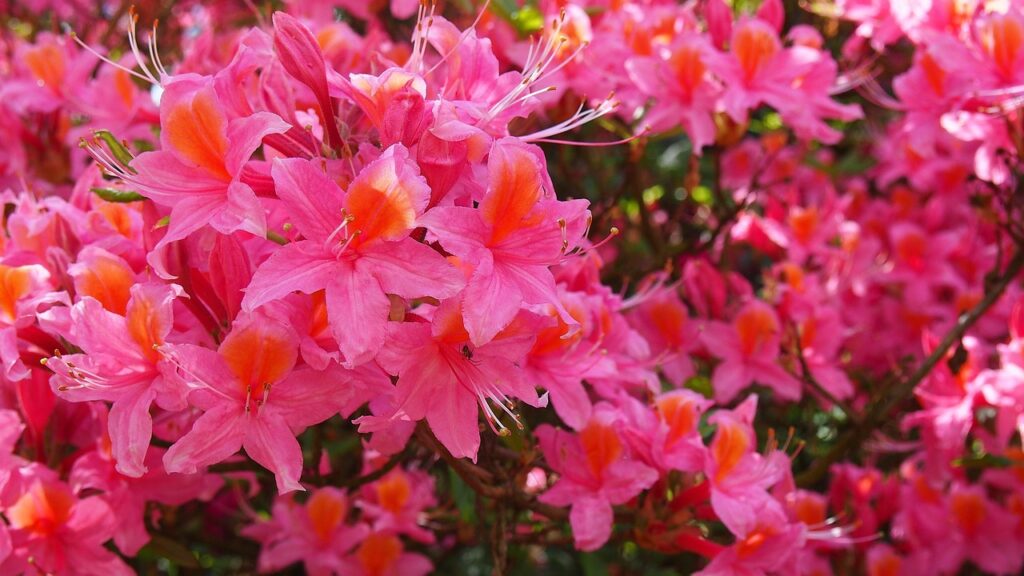
The ecological adaptations of Rhododendron Subsection Sinensia reflect its origin in temperate regions of East Asia, where seasonal variation, open landscapes, and well-drained soils shape plant growth and survival. The species within this subsection exhibit traits that allow them to thrive in environments with marked seasonal changes, balancing periods of active growth with dormancy during colder months.
These ecological preferences are closely linked to the deciduous nature of the plants and their floral timing, both of which are key adaptations to their native habitats. Understanding these natural conditions helps explain the morphological consistency seen within Subsection Sinensia.
Native habitats and landscape settings
Species belonging to Subsection Sinensia are native primarily to China and Japan, where they are typically found in open scrubland, grasslands, forest margins, and lightly wooded slopes. These environments provide ample light while still offering some protection from extreme exposure. Unlike forest-understory azaleas, Sinensia species are adapted to relatively open conditions.
Their presence in transitional landscapes, rather than dense forests, aligns with their robust flowering habit and broad corollas, which are well suited to pollination in open settings. This habitat preference also contributes to their tolerance of higher light levels compared to many evergreen Rhododendron species.
Climate tolerance and seasonal behaviour
Subsection Sinensia is adapted to temperate climates with distinct seasonal cycles. Cold winters are accommodated through complete leaf drop, reducing water loss and protecting the plant during dormancy. Spring flowering often occurs before or alongside leaf emergence, allowing flowers to take advantage of early-season pollinator activity and unobstructed visibility.
These seasonal adaptations distinguish Sinensia from evergreen azaleas that rely on year-round foliage. The deciduous habit reflects an ecological strategy suited to climates with colder winters and pronounced temperature variation.
Soil preferences and moisture conditions
In their natural habitats, Sinensia species typically grow in well-drained, acidic soils, often derived from forest litter or weathered mineral substrates. Good drainage is essential, as prolonged waterlogging can damage roots and compromise plant health. At the same time, consistent moisture availability during the growing season supports vigorous vegetative growth and flowering.
This balance between drainage and moisture reflects the environments in which these plants evolved, where rainfall is regular but soils do not remain saturated. These ecological preferences reinforce the close relationship between Subsection Sinensia and other members of Section Pentanthera adapted to similar conditions.
Geographic distribution across East Asia
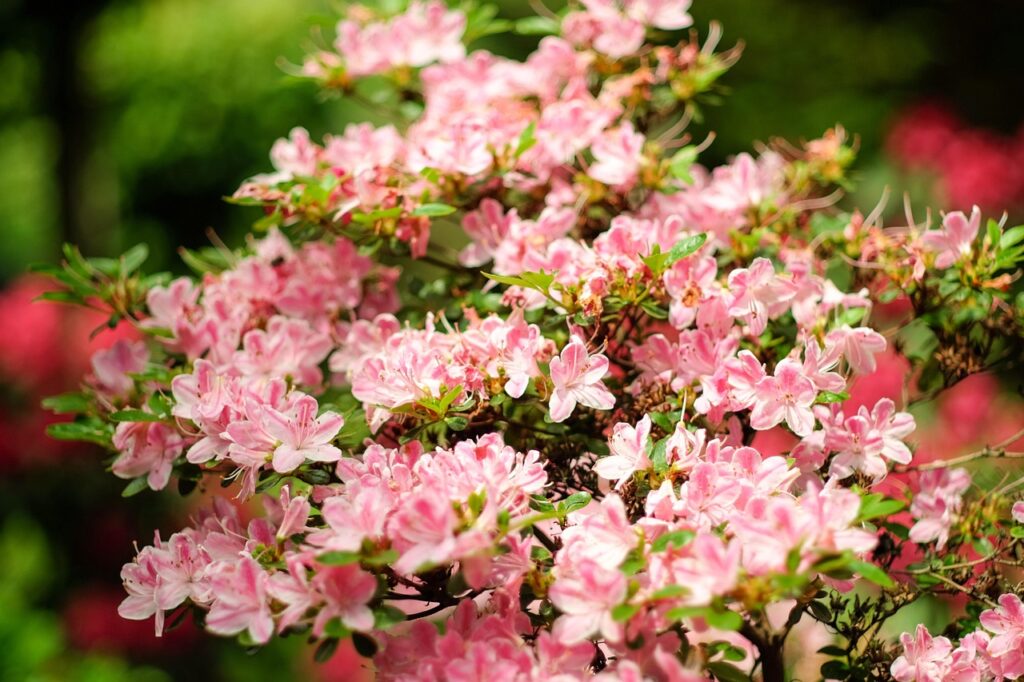
Rhododendron Subsection Sinensia has a relatively limited but well-defined geographic distribution within East Asia, with its species occurring naturally in parts of China and Japan. This regional confinement reflects both the ecological specialisation of the subsection and its evolutionary development within temperate Asian landscapes.
The distribution of Subsection Sinensia is closely tied to specific climatic and environmental conditions, particularly areas with seasonal temperature variation and suitable soil chemistry. Rather than occupying a broad continental range, the subsection is associated with distinct localised regions where its ecological requirements are consistently met.
Within East Asia, Subsection Sinensia is primarily represented in the following areas:
- Southern and central China, where Rhododendron molle occurs in open scrub, grasslands, and forest margins
- Japan, particularly the islands of Honshu, Shikoku, and northern Kyushu, which form the native range of Rhododendron japonicum
- Temperate upland and low mountain regions, where moderate elevation and seasonal climate support deciduous azalea growth
- Transitional habitats between open landscapes and light woodland, rather than dense forest interiors
This geographic separation between Chinese and Japanese populations highlights the biogeographic structure of Subsection Sinensia. Despite its small number of species, the subsection provides valuable insight into the diversification of deciduous azaleas across East Asia and their adaptation to regional environmental conditions.
Species recognised within Subsection Sinensia
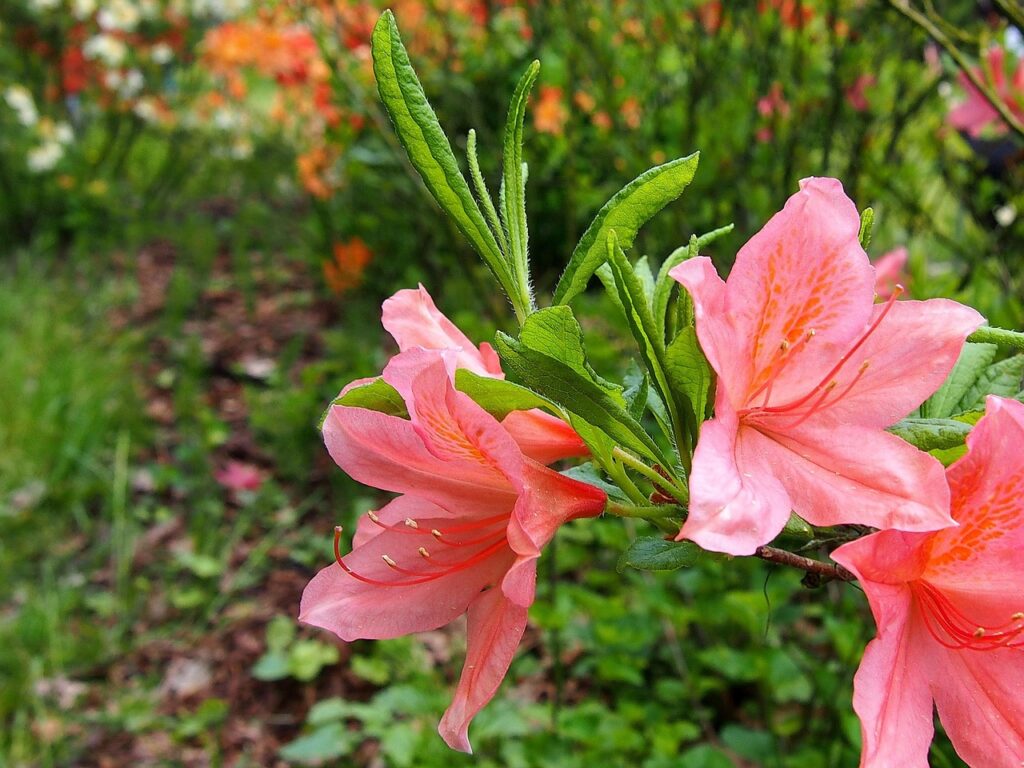
Rhododendron Subsection Sinensia is a narrowly defined taxonomic group containing only a small number of closely related species. Despite this limited diversity, the species within the subsection are taxonomically important due to their distinct morphology, geographic separation, and role in clarifying relationships among Asian deciduous azaleas within Section Pentanthera.
The subsection is generally recognised as including the following species:
- Rhododendron molle: Native to southern and central China, Rhododendron molle is the most frequently cited representative of Subsection Sinensia. It is characterised by its deciduous habit, broad and often fragrant flowers, and fully developed five-lobed corolla. Taxonomically, it has long been used as a reference point for defining the subsection’s morphological boundaries.
- Rhododendron japonicum: Endemic to Japan, particularly Honshu, Shikoku, and northern Kyushu, Rhododendron japonicum is closely related to R. molle and is often discussed alongside it in taxonomic literature. While geographically distinct, it shares the defining floral and vegetative traits of Subsection Sinensia, reinforcing the subsection’s coherence despite its disjunct distribution.
Together, these species illustrate the East Asian focus of Subsection Sinensia and its position as a small but clearly delineated lineage within the deciduous azaleas. Their consistent morphology and restricted range support the continued recognition of Sinensia as a valid and stable taxonomic unit.
How Viable is Subsection Sinensia for bonsai trees?
While Subsection Sinensia is primarily of taxonomic and horticultural interest rather than a major bonsai group, certain species do offer potential for bonsai cultivation. In particular, Rhododendron japonicum is the species we will focus on in future bonsai-related guides, due to its relative adaptability, seasonal character, and established use as an ornamental shrub.
Any bonsai discussion involving Subsection Sinensia remains secondary to its taxonomic significance. However, understanding the subsection’s natural growth habits, deciduous behaviour, and ecological preferences provides an essential foundation for evaluating its suitability for bonsai trees in more specialised contexts.
Subsection Sinensia in horticulture and bonsai contexts
Rhododendron Subsection Sinensia occupies a modest but meaningful position in horticulture, valued primarily for its ornamental qualities and its contribution to the broader understanding of deciduous azaleas. Species within the subsection are cultivated for their seasonal interest, showy spring flowers, and adaptability to temperate garden environments. Their deciduous habit and tolerance of higher light levels distinguish them from many evergreen Rhododendron groups commonly grown in cultivation.
From a horticultural perspective, Sinensia species are most often used as landscape shrubs rather than structural plants. Their natural growth form, flowering characteristics, and ecological preferences make them well-suited to gardens that replicate open woodland or scrubland conditions. Although not widely represented in commercial breeding programmes, they remain important reference plants for understanding azalea diversity and evolutionary relationships within the genus.
In bonsai contexts, Subsection Sinensia plays a limited but noteworthy role. While not traditionally regarded as a core bonsai group, certain species, particularly Rhododendron japonicum, have characteristics that allow for careful adaptation under controlled conditions. For this reason, bonsai-related discussions on Budding Backyard Bonsaist will focus selectively on Rhododendron japonicum, using taxonomic knowledge as the foundation for any future care and styling guidance.
Overall, Subsection Sinensia serves as a fitting conclusion to the coverage of Subgenus Hymenanthes, bridging botanical classification with applied horticulture. Its value lies not in breadth or popularity, but in clarity, providing a concise example of how precise taxonomy informs both scientific understanding and practical cultivation.