
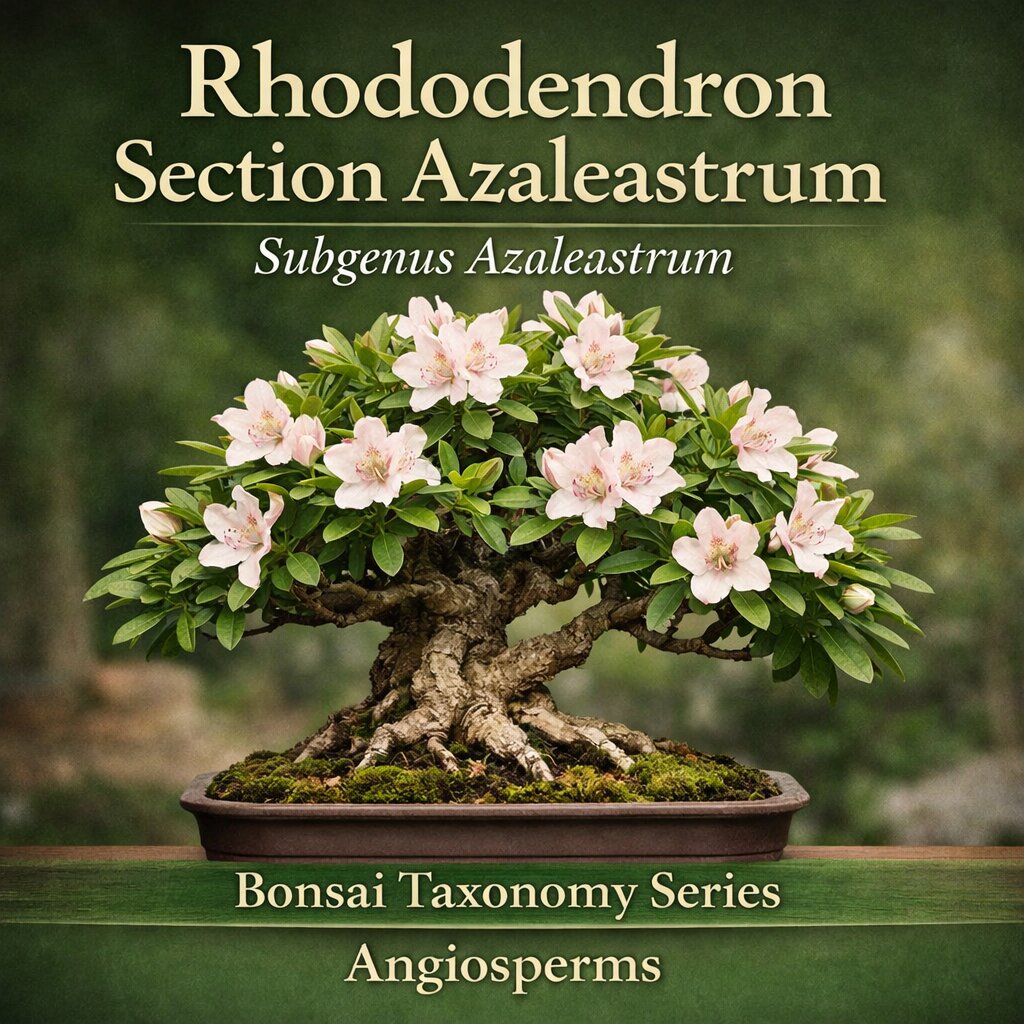
Rhododendron Section Azaleastrum represents a small but taxonomically important group of azalea-like rhododendrons that sit at the crossroads between true azaleas and evergreen rhododendron lineages. Often overlooked in favour of the more familiar Tsutsusi and Pentanthera groups, this section offers valuable insight into the evolutionary history of the genus Rhododendron and the traits that blur traditional boundaries between azaleas and rhododendrons.
Comprising a limited number of evergreen to semi-deciduous species native primarily to East Asia, Section Azaleastrum is defined by a distinctive combination of morphological features, including five stamens, prominent calyx lobes, and conical to ovoid seed capsules. These characteristics, together with molecular evidence, support its recognition as a distinct section within subgenus Azaleastrum.
In this taxonomy guide, we explore the classification, defining traits, geographic distribution, and species diversity of Rhododendron Section Azaleastrum, along with its relevance to horticulture, conservation, and bonsai practice.
Table of Contents
Taxonomy
– Kingdom: Plantae (Plant Kingdom)
— Clade: Embryophytes (Land Plants)
— Clade: Polysporangiophytes (Multiple Sporangia)
—- Clade: Tracheophytes (Vascular Plants)
—– Superdivision: Spermatophytes (Seed Plants)
—— Clade: Angiospermae (Flowering Plants)
——- Division: Eudicots (True Dicotyledons)
——– Subdivision: Core Eudicots
——— Class: Superasterids (Advanced Flowering Plants)
———- Subclass: Asterids (Unified-Flowering Plants)
———– Order: Ericales (Heath and Tea)
———— Family: Ericaceae (Heath)
————- Subfamily: Ericoideae (Heath)
————– Tribe: Rhodoreae (Rhododendron)
————— Genus: Rhododendron
————— Subgenus: Azaleastrum (Evergreen Azalea Rhododendrons)
—————- Section: Azaleastrum (Evergreen Azaleastrum Rhododendrons)
What is Rhododendron Section Azaleastrum?
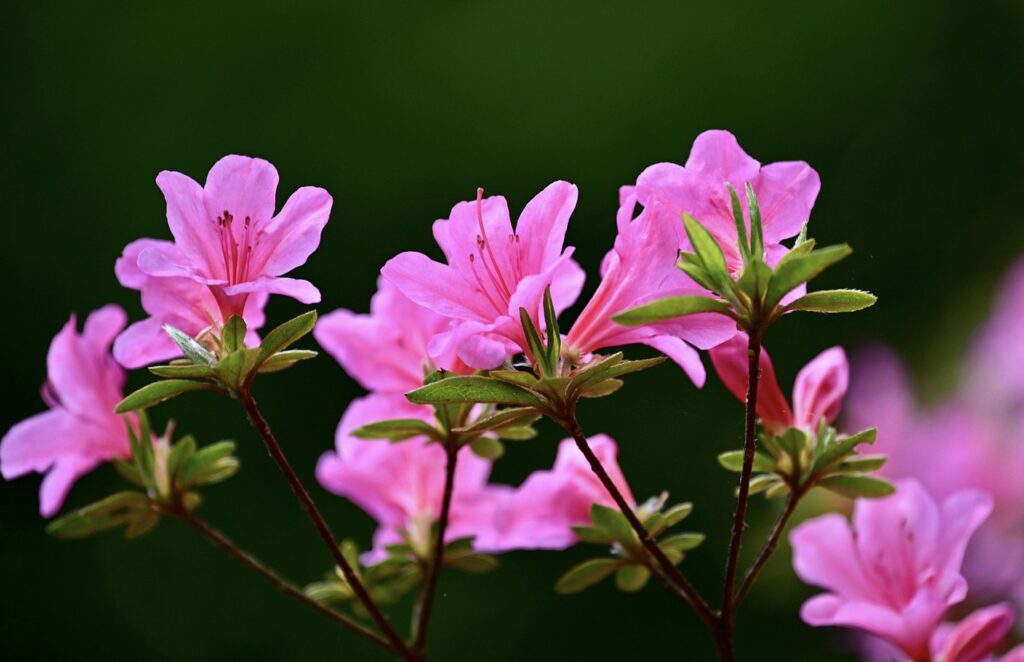
Rhododendron Section Azaleastrum is a small, clearly defined taxonomic group within the genus Rhododendron, placed inside subgenus Azaleastrum. It consists of a limited number of azalea-like shrub species that are native primarily to East Asia and are recognised for their distinctive morphological and evolutionary traits.
Unlike the better-known azalea groups (Tsutsusi and Pentanthera), species in Section Azaleastrum are typically evergreen to semi-deciduous rather than fully deciduous or consistently evergreen. They combine characteristics associated with both azaleas and rhododendrons, which historically made their classification difficult. Modern taxonomic treatments, supported by both morphological features and molecular studies, now recognise Section Azaleastrum as a distinct and coherent group.
The section is most reliably identified by a combination of traits, including five stamens, large and persistent calyx lobes, and conical to ovoid seed capsules. These features set it apart from other azalea-like groups and highlight its importance in understanding the evolutionary relationships within Rhododendron.
From a taxonomic perspective, Section Azaleastrum is significant because it represents an intermediate lineage that helps bridge the gap between traditional azaleas and evergreen rhododendrons, offering valuable insight into how these groups diverged over time.
Taxonomic placement of Section Azaleastrum within subgenus Azaleastrum
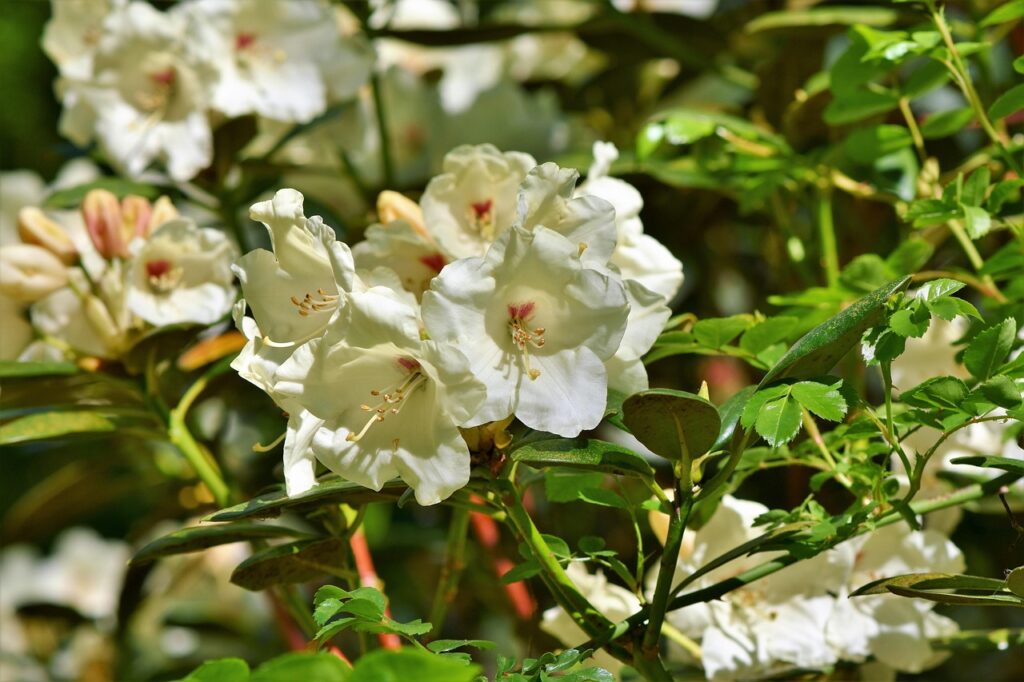
Section Azaleastrum is taxonomically placed within subgenus Azaleastrum of the genus Rhododendron, a subgenus that encompasses several azalea-like lineages distinct from the larger evergreen and deciduous rhododendron groups. This placement reflects both morphological characteristics and molecular phylogenetic evidence that separate these species from the more familiar azalea sections Tsutsusi and Pentanthera.
Within subgenus Azaleastrum, Section Azaleastrum represents a narrowly defined, cohesive group characterised by a consistent suite of structural traits, including five stamens, prominent calyx lobes, and conical to ovoid fruit capsules. These features distinguish it from other sections in the subgenus, some of which were historically merged or misclassified due to superficial similarities in flower form or leaf habit.
Historically, species now placed in Section Azaleastrum were sometimes associated with or confused with the section Choniastrum, reflecting earlier classification systems that relied heavily on external morphology. Advances in comparative morphology and DNA-based studies have since clarified these relationships, supporting the retention of Section Azaleastrum as a distinct taxonomic unit.
Today, its placement within subgenus Azaleastrum underscores its evolutionary significance as an azalea-like lineage that retains ancestral characteristics while remaining clearly differentiated from true azaleas and evergreen rhododendron sections.
Evolutionary background and classification history of Section Azaleastrum
The evolutionary background and classification history of Section Azaleastrum reflects the broader complexity of azalea and rhododendron taxonomy. This group has long challenged botanists because it combines traits traditionally used to separate azaleas from rhododendrons. As a result, its species have moved between sections and interpretive frameworks as classification systems evolved from purely morphological approaches to molecular phylogenetics.
Early morphological classification and taxonomic confusion
In early taxonomic treatments, species now placed in Section Azaleastrum were classified primarily based on visible traits such as flower shape and leaf persistence. Their azalea-like flowers led some botanists to associate them with evergreen azaleas, while other structural features suggested affinities with rhododendrons. This reliance on external morphology resulted in inconsistent placement and frequent reclassification.
Because these species did not align cleanly with either deciduous or evergreen azalea groups, they were sometimes grouped with unrelated sections, including Choniastrum. These early systems lacked the tools to resolve deeper evolutionary relationships, leaving Section Azaleastrum poorly defined for decades.
Transition to integrative and molecular taxonomy
The development of comparative anatomical studies helped clarify distinctions within the genus Rhododendron, highlighting the importance of reproductive structures such as stamen number, calyx morphology, and capsule shape. These traits consistently separated Section Azaleastrum from both Tsutsusi and Pentanthera, supporting its recognition as a distinct group.
Later molecular phylogenetic studies confirmed these findings, demonstrating that Section Azaleastrum forms a coherent lineage within subgenus Azaleastrum. Genetic evidence showed that its species diverged early from other azalea groups, retaining ancestral characteristics while following a separate evolutionary path.
Evolutionary significance within the genus Rhododendron
From an evolutionary perspective, Section Azaleastrum is important because it represents a transitional lineage that bridges structural and genetic traits seen in both azaleas and rhododendrons. Its members provide insight into how evergreen and deciduous habits evolved and how floral and fruit traits diversified within the genus.
Today, Section Azaleastrum is recognised as an evolutionarily informative group whose classification reflects modern, evidence-based taxonomy. Its history highlights the shift from appearance-based classification to systems grounded in evolutionary relationships, reinforcing its value within both scientific study and horticultural understanding.
Defining morphological characteristics of Section Azaleastrum
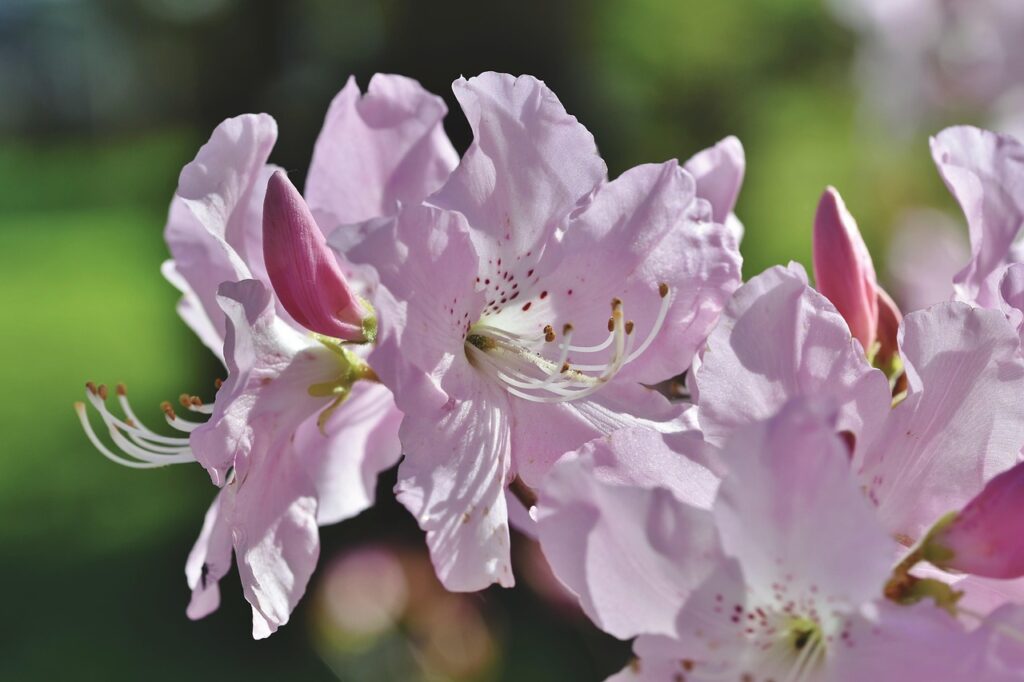
The defining morphological characteristics of Section Azaleastrum reflect its position as an azalea-like but distinctly rhododendron lineage. While the plants may resemble azaleas at first glance, closer examination reveals a consistent set of structural features that separate this section from both evergreen and deciduous azalea groups. These traits are stable across the section and form the basis for its modern taxonomic recognition.
Vegetative structure and growth habit
Species within Section Azaleastrum are shrubs with an evergreen to semi-deciduous habit, meaning foliage is often retained through winter or only partially shed. This contrasts with fully deciduous azaleas and aligns the group more closely with evergreen rhododendrons. Shoots are typically slender to moderately robust, with a growth form that ranges from compact to loosely branching depending on species and habitat.
Buds are generally well protected, and new growth emerges in spring with a clear seasonal rhythm. The intermediate leaf persistence seen in this section is one of its most informative diagnostic features.
Leaf morphology and surface characteristics
Leaves in Section Azaleastrum are usually simple, elliptic to ovate, with entire margins and a leathery to semi-leathery texture. Leaf size varies by species but is generally moderate, contributing to a refined, azalea-like appearance. The upper leaf surface is typically glossy or semi-glossy, while the underside may show fine indumentum or be relatively glabrous.
Venation is distinct but not heavily raised, and petioles are short to moderate in length. This leaf morphology supports the section’s adaptation to forested and montane environments where moisture retention and durability are advantageous.
Reproductive morphology and diagnostic traits
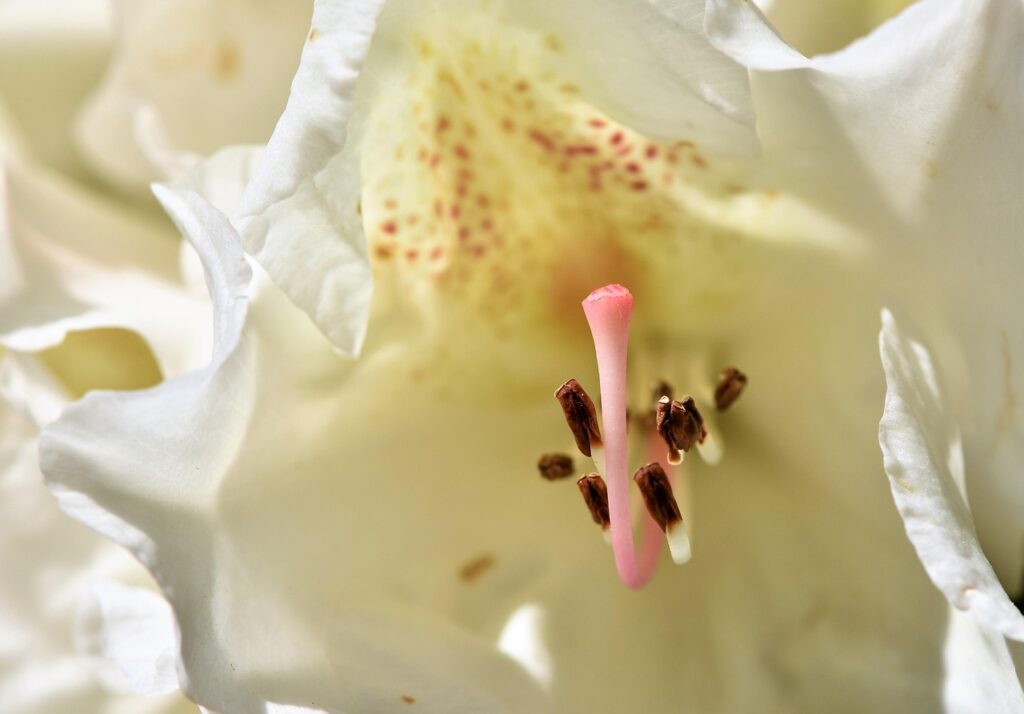
Reproductive structures provide the clearest morphological markers for Section Azaleastrum. Flowers consistently possess five stamens, a key feature separating the section from many rhododendron groups with higher stamen counts. The calyx lobes are large, broad, and persistent, remaining visible and often prominent even after flowering.
Fruits are conical to ovoid capsules, another defining trait that distinguishes the section from both Tsutsusi and Pentanthera. Together, these reproductive features form a reliable diagnostic combination that underpins the section’s recognition in modern taxonomy.
Leaf habit, evergreen to semi-deciduous traits, and seasonal growth patterns
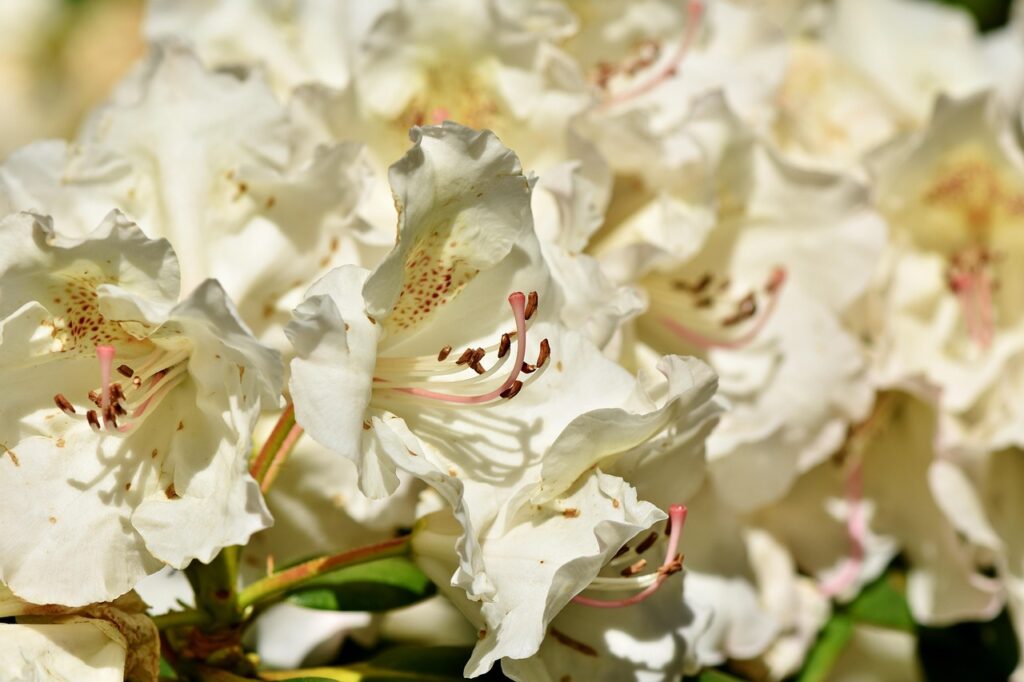
Leaf habit and seasonal behaviour are among the most informative characteristics of Section Azaleastrum, helping to distinguish it from both fully evergreen rhododendrons and deciduous azalea groups. The section occupies an intermediate position, with foliage persistence and growth cycles that reflect adaptation to varied East Asian climates and forested habitats.
Evergreen to semi-deciduous leaf persistence
Species within Section Azaleastrum are best described as evergreen to semi-deciduous, retaining most or all of their leaves through winter depending on species, climate, and growing conditions. In colder or more exposed environments, some leaf drop may occur, while plants in milder regions often remain fully evergreen.
This flexible leaf habit contrasts sharply with the fully deciduous behaviour of Pentanthera azaleas and distinguishes the section from consistently evergreen groups such as Tsutsusi. The ability to partially retain foliage provides a balance between energy conservation and continued photosynthesis during cooler seasons.
Seasonal growth cycles and shoot development
Growth in Section Azaleastrum follows a well-defined seasonal rhythm. Vegetative growth typically begins in spring, with new shoots emerging alongside or shortly after flowering. This timing allows plants to maximise energy capture during favourable conditions while supporting reproductive development.
Shoot extension is generally moderate rather than vigorous, resulting in a refined shrub form. Bud formation for the following season occurs during late summer to early autumn, with buds remaining protected through winter dormancy.
Adaptive significance of leaf habit
The evergreen to semi-deciduous nature of Section Azaleastrum reflects adaptation to montane and woodland environments, where light availability and temperature fluctuate seasonally. Retaining foliage allows plants to exploit brief periods of winter sunlight, while partial leaf drop reduces water loss and cold damage when conditions become harsh.
These adaptive traits contribute to the ecological success of the section and reinforce its evolutionary position as a transitional lineage within Rhododendron, bridging azalea-like and evergreen rhododendron growth strategies.
Flower morphology, stamen structure, and reproductive characteristics
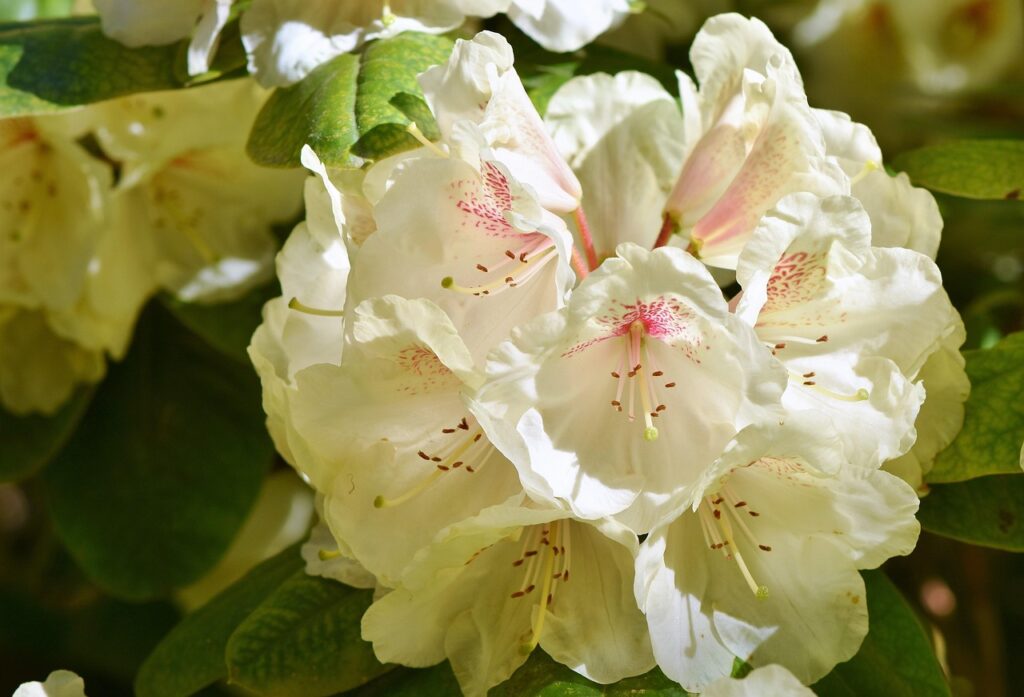
Floral and reproductive features are among the most reliable diagnostic traits of Section Azaleastrum, providing clear distinctions from both evergreen and deciduous azalea groups. While the flowers may appear azalea-like in overall form, their structural details reveal a consistent pattern that supports the section’s recognition as a distinct taxonomic unit within Rhododendron.
Floral structure and inflorescence form
Flowers in Section Azaleastrum are typically borne singly or in small clusters, rather than in large trusses. The corolla is usually funnel-shaped to tubular, with soft, often understated coloration compared to the showier evergreen azaleas. Flowering generally occurs in spring, coinciding with the emergence of new growth or shortly before leaf expansion.
The overall floral presentation reflects an evolutionary balance between visual appeal and structural efficiency, favouring functional reproduction over ornamental excess.
Stamen number and arrangement
A defining characteristic of Section Azaleastrum is the presence of five stamens, a feature that is both taxonomically and evolutionarily significant. This reduced stamen count clearly separates the section from many rhododendron groups that possess ten or more stamens, while also distinguishing it from some azalea sections with variable stamen numbers.
The stamens are typically evenly arranged and proportionate to the corolla, supporting efficient pollen transfer. This consistency across species makes stamen number one of the most dependable traits for identifying members of the section.
Fruit development and seed capsules
Following pollination, species of Section Azaleastrum produce conical to ovoid capsules, which mature gradually and dehisce to release fine seeds. The capsules are often supported by large, persistent calyx lobes, a key morphological marker that remains visible well after flowering has concluded.
This fruit structure aligns the section more closely with rhododendrons than true azaleas and reinforces its intermediate evolutionary position. Together, flower form, stamen structure, and capsule morphology provide a cohesive reproductive profile that underpins the taxonomic stability of Section Azaleastrum.
Geographic distribution and East Asian habitat preferences
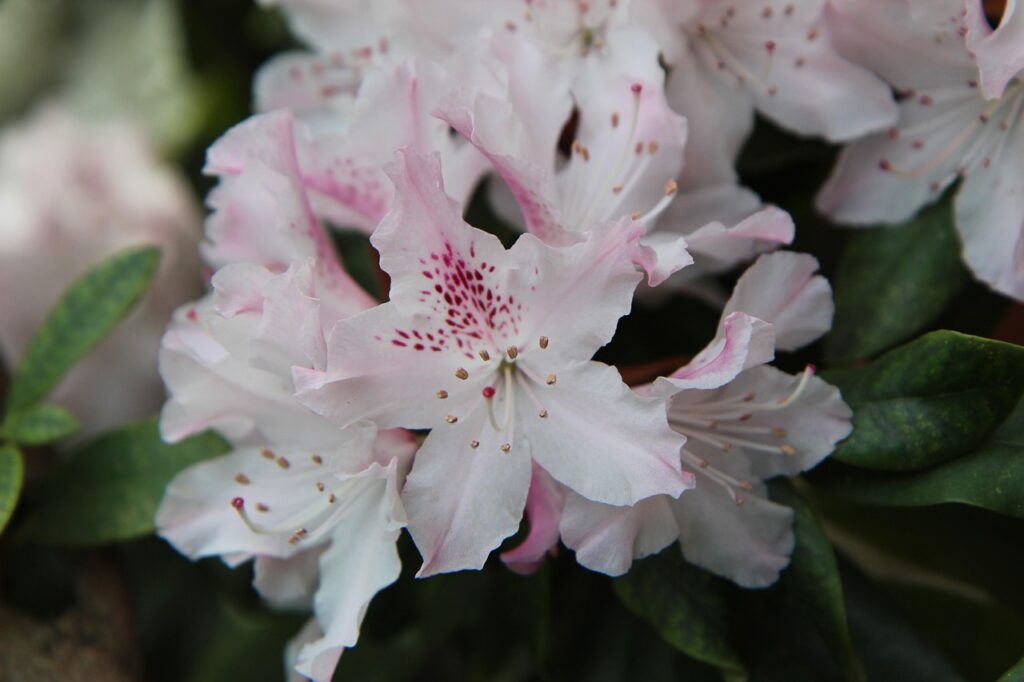
Section Azaleastrum is geographically restricted to East and Southeast Asia, with the majority of species occurring in China and adjacent regions. Its distribution is far more limited than that of many other rhododendron and azalea groups, reflecting both its evolutionary history and its preference for specific ecological conditions. The section is most strongly represented in southern and central China, with outlying species extending into neighbouring parts of East Asia.
Species within this section are typically associated with forested, montane, and submontane environments, where humidity is relatively high and temperature extremes are moderated by elevation and canopy cover. These habitats support the evergreen to semi-deciduous leaf habit seen in the group, allowing plants to retain foliage while avoiding excessive moisture loss or cold damage.
Common habitat characteristics for Section Azaleastrum include:
- Mixed evergreen and deciduous woodland margins
- Montane forest slopes and sheltered valleys
- Moist, well-drained acidic soils
- Regions with high rainfall and seasonal monsoon influence
- Elevations ranging from low hills to mid-mountain zones
This strong association with stable, moisture-rich forest environments helps explain the section’s limited natural range. It also highlights the ecological sensitivity of many species, making habitat preservation particularly important for long-term conservation.
Species diversity and notable species within Section Azaleastrum
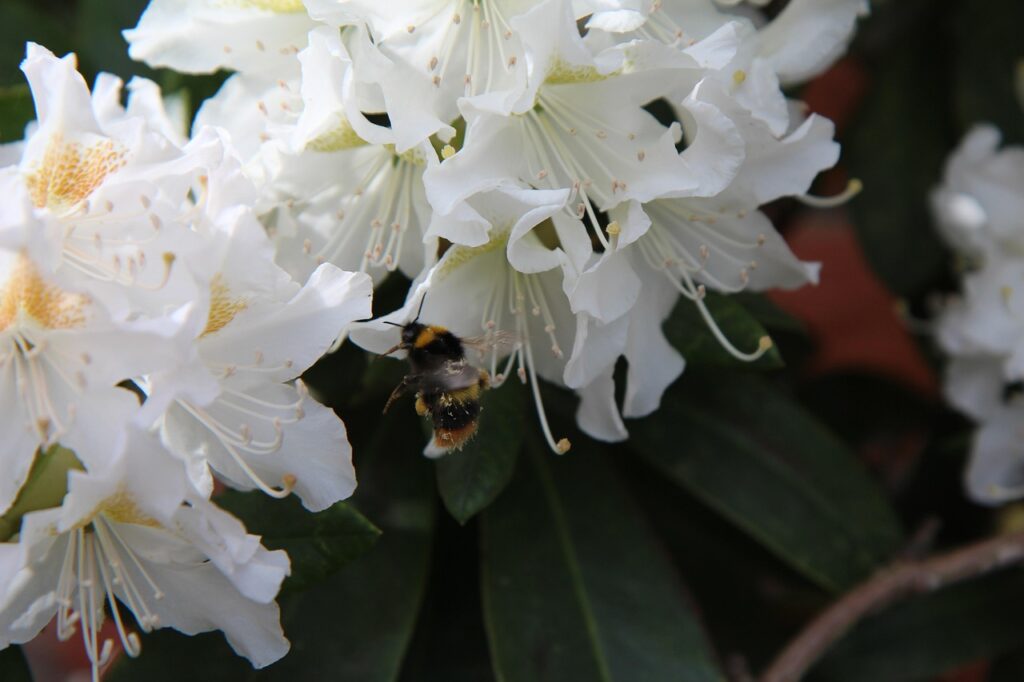
Section Azaleastrum is a relatively small and tightly defined group within the genus Rhododendron, comprising approximately nine to ten recognised species. Unlike larger sections with wide variation, this group is notable for its morphological consistency and limited geographic spread, which makes individual species easier to contextualise within the section as a whole.
The currently recognised species commonly placed within Section Azaleastrum include:
- Rhododendron bachii
- Rhododendron hangzhouense
- Rhododendron hongkongense
- Rhododendron leptothrium
- Rhododendron medoense
- Rhododendron ngawchangense
- Rhododendron ovatum
- Rhododendron tianlinense
- Rhododendron uwaense
- Rhododendron vialii
Most of these species are native to China, with a few extending into Myanmar, Japan, Laos, and Vietnam. Several are geographically restricted or locally endemic, which contributes to their limited presence in horticulture outside their native range.
Among these, Rhododendron ovatum stands out as the most widely cultivated and best-documented species. Its relatively compact growth habit, evergreen foliage, and adaptability to cultivation make it an ideal representative species for understanding the section as a whole. For this reason, Rhododendron ovatum has been selected as the primary focus for the Section Azaleastrum bonsai care sheets on Budding Backyard Bonsaist.
Are species in Section Azaleastrum viable for bonsai?
As a group, Section Azaleastrum shows limited but genuine bonsai potential, with viability varying significantly between species. Many members are best suited to garden or woodland cultivation due to their natural growth habits and specific ecological requirements.
However, Rhododendron ovatum is a notable exception. Its smaller leaf size, evergreen to semi-deciduous behaviour, tolerance of pruning, and ability to back-bud under correct conditions make it the most bonsai-viable species in the section. With appropriate soil, acidity control, and careful moisture management, it can be trained successfully as a bonsai, particularly in informal upright or naturalistic styles.
Other species within the section may be experimented with by advanced growers, but they are generally less forgiving and more sensitive to root disturbance and environmental stress. As such, Section Azaleastrum should be viewed as selectively viable for bonsai, rather than broadly suitable, with Rhododendron ovatum clearly leading in practical potential.
Section Azaleastrum in horticulture, conservation, and bonsai contexts
Rhododendron Section Azaleastrum occupies a modest but important place in horticulture, valued more for its botanical significance than for widespread ornamental use. Compared to showier azalea and rhododendron groups, species in this section are less commonly cultivated, partly due to their narrower ecological requirements and limited commercial availability. Where grown, they are appreciated for their refined foliage, subtle flowers, and evergreen to semi-deciduous habit, making them well suited to woodland gardens and specialist collections rather than mass landscaping.
From a conservation perspective, many species within Section Azaleastrum are naturally restricted in range and tied to specific forest habitats in East and Southeast Asia. Habitat loss, fragmentation, and environmental change pose ongoing risks, particularly for locally endemic species. Accurate taxonomic recognition is therefore essential, as it underpins conservation assessments, habitat protection strategies, and responsible cultivation practices that reduce pressure on wild populations.
In a bonsai context, Section Azaleastrum is best regarded as selectively suitable rather than broadly adaptable. While most species are better left to garden or conservation settings, Rhododendron ovatum demonstrates clear potential for bonsai when grown with careful attention to soil acidity, moisture, and seasonal growth patterns. As a whole, Section Azaleastrum bridges botanical study and practical cultivation, offering insight into rhododendron evolution while providing a narrow but meaningful avenue for horticultural and bonsai exploration.