
Rhododendron Section Sciadorhodion (Whorled-Leaf Deciduous Rhododendrons) is a distinctive and often underappreciated group within the genus Rhododendron, bringing together a collection of deciduous, woodland-adapted species with a strong presence in East Asia and select regions of North America. Although many of these plants are frequently referred to as azaleas in horticultural settings, they are taxonomically placed within subgenus Azaleastrum, setting them apart from the true deciduous azaleas of other sections.
What defines Section Sciadorhodion most clearly is its characteristic whorled leaf arrangement, typically forming clusters of five to seven leaves at the tips of branches. This trait, combined with their seasonal leaf drop and elegant spring flowering, gives these shrubs a graceful, almost architectural presence in natural landscapes and cultivated gardens alike.
Native primarily to mountainous forests, these rhododendrons are adapted to cool, moist conditions and often thrive at varying elevations, from lowland woodlands to upland slopes. Their evolutionary history, once tied to the separate genus Menziesia, adds further intrigue to the section and highlights its importance in understanding the broader relationships within Rhododendron.
Table of Contents
Taxonomy
– Kingdom: Plantae (Plant Kingdom)
— Clade: Embryophytes (Land Plants)
— Clade: Polysporangiophytes (Multiple Sporangia)
—- Clade: Tracheophytes (Vascular Plants)
—– Superdivision: Spermatophytes (Seed Plants)
—— Clade: Angiospermae (Flowering Plants)
——- Division: Eudicots (True Dicotyledons)
——– Subdivision: Core Eudicots
——— Class: Superasterids (Advanced Flowering Plants)
———- Subclass: Asterids (Unified-Flowering Plants)
———– Order: Ericales (Heath and Tea)
———— Family: Ericaceae (Heath)
————- Subfamily: Ericoideae (Heath)
————– Tribe: Rhodoreae (Rhododendron)
————— Genus: Rhododendron
————— Subgenus: Azaleastrum (Evergreen Azalea Rhododendrons)
—————- Section: Sciadorhodion (Whorled-Leaf Deciduous Rhododendrons)
What is Rhododendron Section Sciadorhodion?
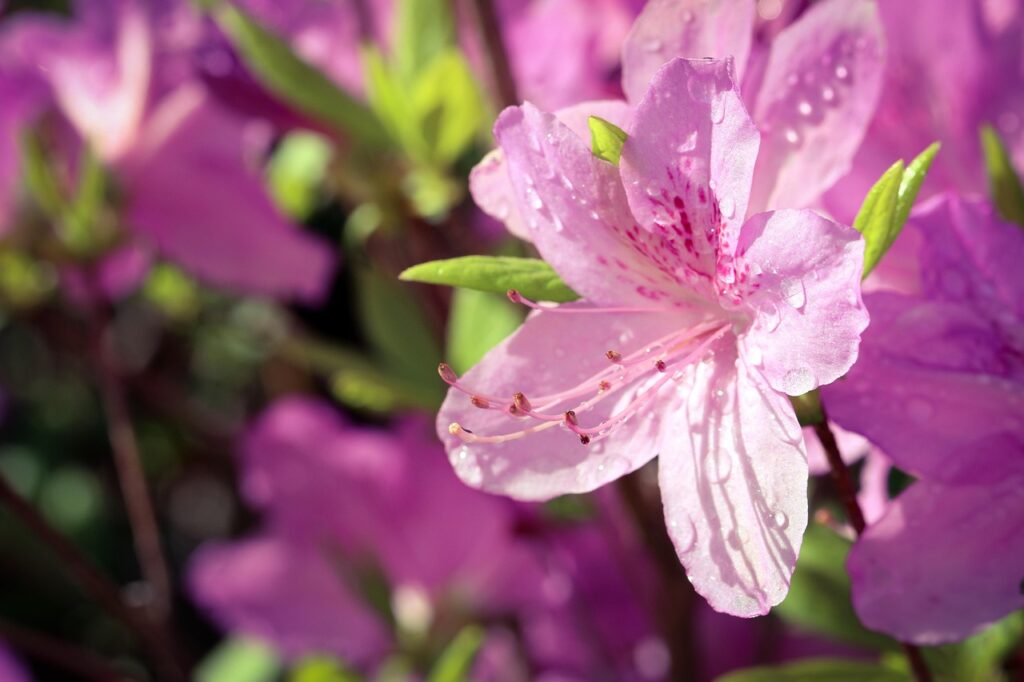
Rhododendron Section Sciadorhodion is a taxonomic group of deciduous shrubs within the genus Rhododendron, classified under subgenus Azaleastrum. The section comprises roughly 16 species, many of which were historically placed in the separate genus Menziesia before being formally transferred into Rhododendron in 2011. This reclassification reflects advances in morphological and molecular research that clarified their true evolutionary relationships.
Species in Section Sciadorhodion are best known for their distinctive whorled leaf arrangement, typically with five to seven leaves clustered at the tips of branches. They produce rotate to funnelform flowers with relatively short tubes and prominent lobes, giving them an appearance often described as “azalea-like,” despite their different taxonomic placement.
Naturally, these plants occur in cool, mountainous woodland habitats, primarily across East Asia (especially Japan), with a smaller number of species native to North America. Their combination of deciduous habit, elegant spring flowering, and historical taxonomic significance makes Section Sciadorhodion an important group for understanding the diversity and evolution of woodland rhododendrons.
Taxonomic placement of Section Sciadorhodion within subgenus Azaleastrum
Section Sciadorhodion occupies a clearly defined position within the complex taxonomy of the genus Rhododendron. It is classified under subgenus Azaleastrum, a subgenus that brings together a range of mostly small-leaved, often azalea-like rhododendrons that differ markedly from the large-leaved evergreen species found in other subgenera.
Within subgenus Azaleastrum, Section Sciadorhodion is distinguished by its deciduous growth habit and characteristic whorled leaf arrangement at the ends of branches. These features separate it from evergreen members of Azaleastrum and from the true deciduous azaleas grouped elsewhere in the genus. Despite superficial similarities in flower form, Sciadorhodion species are not placed within section Pentanthera, which belongs to a different subgenus and represents the classic deciduous azaleas familiar to gardeners.
Historically, many species now assigned to Section Sciadorhodion were treated as a separate genus, Menziesia. Modern taxonomic revisions, supported by both morphological traits and molecular evidence, demonstrated that these plants are deeply nested within Rhododendron. As a result, Section Sciadorhodion now serves as a key taxonomic bridge, linking azalea-like deciduous shrubs to the broader evolutionary framework of subgenus Azaleastrum.
Evolutionary background and classification history of Section Sciadorhodion
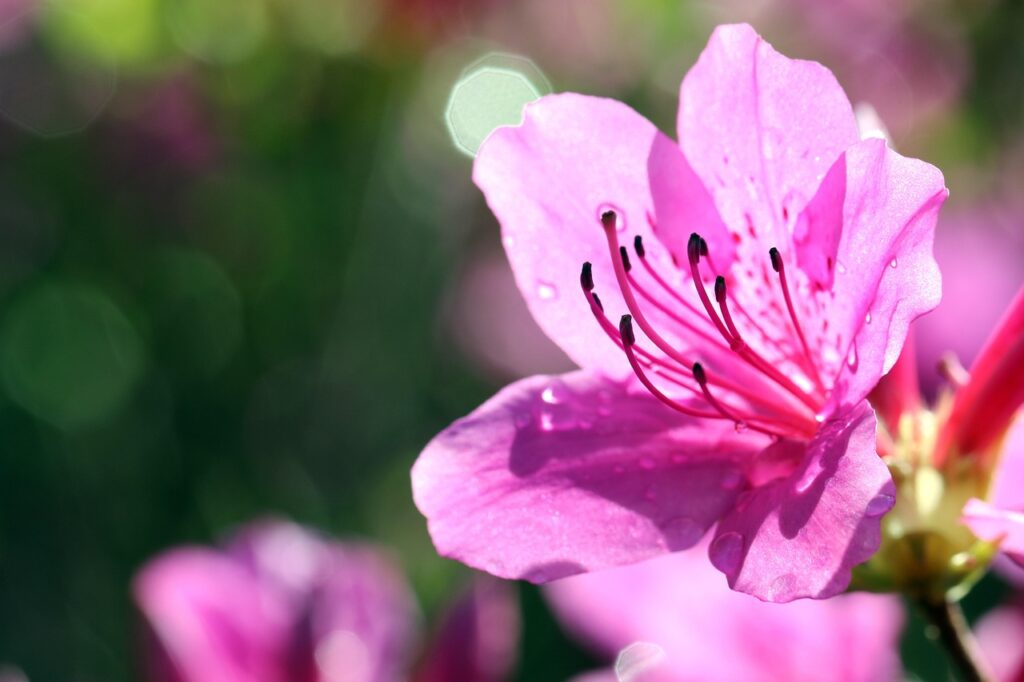
Section Sciadorhodion has a particularly interesting evolutionary and taxonomic history, shaped by its intermediate characteristics between traditional rhododendrons and azalea-like shrubs. For much of its classification history, the section’s species challenged botanists due to their deciduous habit, whorled leaves, and floral structure, traits that did not align neatly with established rhododendron groupings. As a result, their evolutionary placement remained uncertain for well over a century.
Modern research has since clarified that these plants represent an early-diverging lineage within subgenus Azaleastrum, rather than a separate evolutionary branch. Their morphology reflects adaptation to cool, temperate woodland and montane environments, where seasonal leaf drop and clustered foliage provide advantages in fluctuating light and temperature conditions.
Early classification under the genus Menziesia
Several species now placed in Section Sciadorhodion were historically classified in the genus Menziesia. This separation was based largely on visible traits such as deciduous leaves, flower shape, and growth form, which appeared sufficiently distinct from evergreen rhododendrons. For decades, Menziesia was treated as a small but separate genus, particularly for North American and East Asian species.
Reassessment through morphological and molecular evidence
Advances in comparative morphology and, later, molecular phylogenetics revealed that Menziesia species were not evolutionarily distinct enough to justify separation from Rhododendron. DNA analyses showed these plants to be nested within Rhododendron, closely aligned with members of subgenus Azaleastrum. This evidence demonstrated that earlier classifications had overemphasised superficial traits rather than deeper evolutionary relationships.
Formal transfer into Rhododendron and modern placement
In 2011, taxonomists formally transferred Menziesia species into Rhododendron, consolidating them within Section Sciadorhodion. This reclassification resolved long-standing inconsistencies and placed the group within a coherent evolutionary framework. Today, Section Sciadorhodion is recognised as a distinct, well-supported lineage, offering valuable insight into the evolutionary transitions between evergreen rhododendrons and deciduous, azalea-like forms.
Defining morphological characteristics of Section Sciadorhodion
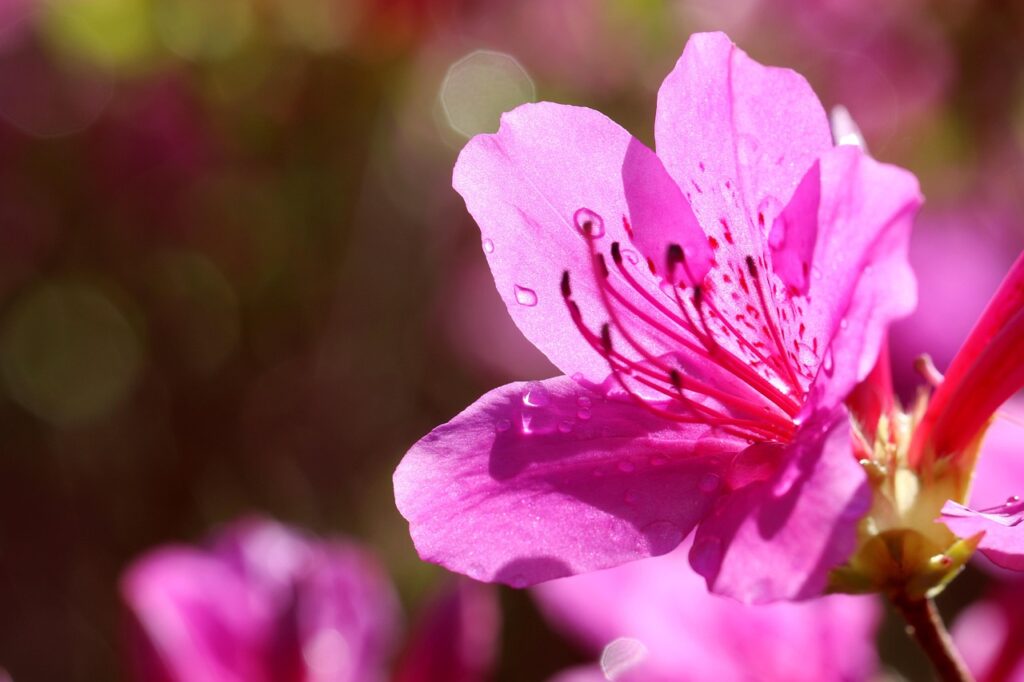
Section Sciadorhodion is defined by a combination of morphological traits that set it apart from other sections within Rhododendron. While many of its species resemble deciduous azaleas at first glance, a closer examination reveals a distinctive structural identity. These characteristics reflect adaptation to temperate woodland and montane environments, where seasonal change, light variation, and moisture availability shape plant form.
Rather than relying on a single diagnostic feature, Section Sciadorhodion is recognised through a suite of shared traits, including foliage arrangement, floral structure, and overall growth habit. Together, these features provide a clear morphological framework for identifying members of this section.
Deciduous growth habit and branching form
Species in Section Sciadorhodion are deciduous shrubs or small trees, shedding their leaves annually in response to seasonal cooling. This trait contrasts with the evergreen habit common in many other rhododendron groups and reflects adaptation to colder, temperate climates. Branching is typically upright to spreading, producing an open structure well suited to woodland light conditions.
Whorled leaf arrangement at branch tips
One of the most distinctive features of Section Sciadorhodion is the whorled arrangement of leaves, usually in groups of five to seven at the ends of branches. This pattern creates a rosette-like appearance during the growing season and is a key diagnostic trait separating this section from other deciduous rhododendrons. Leaves are generally simple, elliptic to obovate, and often display strong autumn colour before leaf fall.
Flower form and floral symmetry
Flowers in Section Sciadorhodion are typically rotate to funnelform, with a short floral tube and broad, spreading lobes. This gives the blooms an open, wheel-like appearance that differs subtly from the longer-tubed flowers seen in other azalea groups. Inflorescences are usually terminal, appearing in spring before or alongside new leaf growth.
Stamen number and reproductive structures
Most species within this section possess ten stamens, which may be included within the corolla or slightly exserted. The consistent stamen count is an important morphological marker and aligns Section Sciadorhodion with subgenus Azaleastrum rather than with sections that display greater variability in reproductive structures.
Adaptations to montane woodland environments
Morphological traits in Section Sciadorhodion reflect ecological adaptation rather than ornamental selection. The deciduous habit reduces winter stress, while whorled leaves maximise light capture in forest clearings and mountain slopes. These adaptations highlight the section’s evolutionary focus on survival in cool, seasonally variable habitats rather than purely decorative floral display.
Leaf arrangement, deciduous habit, and seasonal growth traits
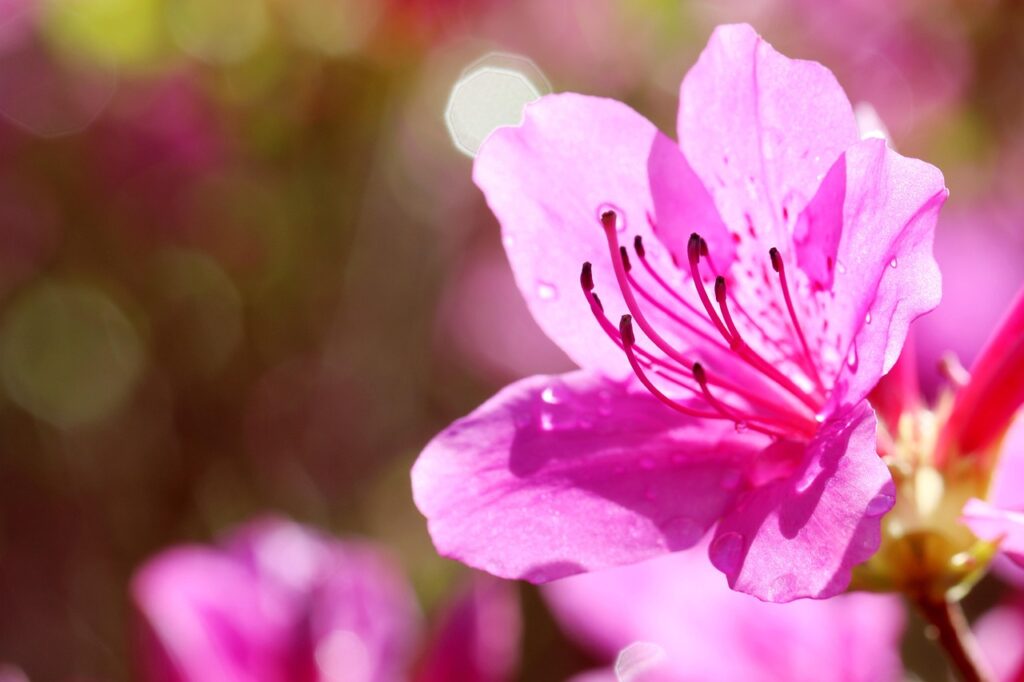
Leaf arrangement and seasonal growth patterns play a central role in defining the identity of Section Sciadorhodion. These traits are not merely decorative but are closely tied to the ecological niches the plants occupy. Adapted to temperate woodland and mountainous environments, species in this section display growth rhythms that reflect strong seasonal cues and shifting light conditions.
The combination of a deciduous lifecycle and a distinctive whorled leaf structure allows these rhododendrons to maximise photosynthesis during the growing season while conserving resources during colder months. Together, these features distinguish Section Sciadorhodion from both evergreen rhododendrons and other deciduous groups within the genus.
Whorled leaf arrangement and canopy structure
Leaves in Section Sciadorhodion are arranged in distinct whorls, most commonly consisting of five to seven leaves clustered at the ends of branches. This configuration creates a compact, layered canopy that efficiently captures light in dappled woodland conditions. The whorled pattern also serves as a reliable identification feature, rarely encountered so consistently in other rhododendron sections.
Leaf morphology and seasonal colouration
Individual leaves are generally elliptic to obovate, with smooth to slightly textured surfaces. During the growing season, foliage is typically medium to deep green, providing a soft contrast to spring flowers. As autumn approaches, many species develop vibrant seasonal colouration, with tones ranging from yellow and orange to deep red, adding ornamental value beyond the flowering period.
Deciduous habit and winter dormancy
All members of Section Sciadorhodion are fully deciduous, shedding their leaves in response to declining temperatures and shorter daylight hours. This dormancy period protects the plant from winter stress and frost damage, particularly in higher-elevation habitats. Buds formed in late summer and autumn remain protected until favourable conditions return in spring.
Spring leaf emergence and growth timing
Leaf emergence in spring often occurs in close association with flowering, either shortly before or shortly after blooms appear. This timing allows flowers to take advantage of early-season pollinator activity while reducing competition from dense foliage. Once leaf growth accelerates, the plants enter a period of steady vegetative development that continues through summer before gradually slowing as autumn approaches.
Ecological significance of seasonal growth cycles
The seasonal growth traits of Section Sciadorhodion reflect long-term adaptation to climates with pronounced seasonal variation. Deciduous leaf drop, synchronised bud break, and autumnal senescence together ensure survival in environments where winters are cold and growing seasons are finite. These cycles highlight the section’s evolutionary alignment with temperate forest ecosystems rather than subtropical or evergreen habitats.
Flower morphology, pollination strategies, and reproductive features
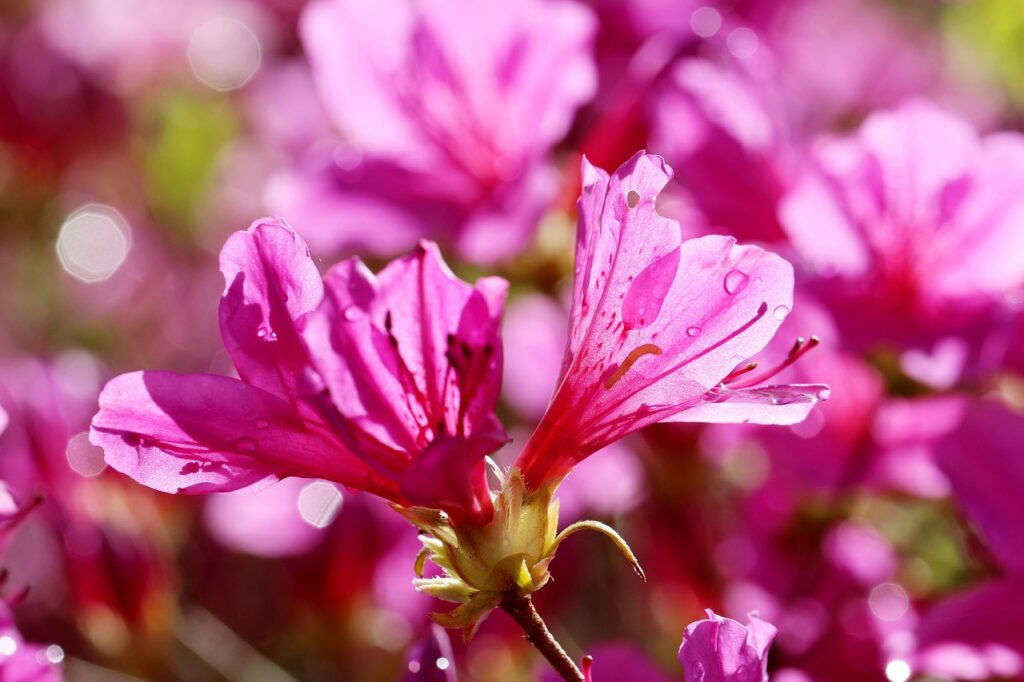
Flower morphology and reproductive strategies are central to the ecological success of Section Sciadorhodion. While often described as azalea-like in appearance, the flowers of this section possess subtle structural traits that distinguish them from other deciduous rhododendrons. Their form reflects adaptation to woodland and montane habitats, where effective pollination must occur within relatively short seasonal windows.
The reproductive features of Section Sciadorhodion balance visual accessibility for pollinators with structural efficiency, ensuring reliable fertilisation in environments where pollinator availability can vary significantly from year to year.
Corolla shape and floral presentation
Flowers in Section Sciadorhodion typically display a rotate to funnelform corolla, characterised by a short tube and broad, spreading lobes. This open structure creates an easily accessible floral platform, allowing a wide range of insects to reach nectar and pollen. Blooms are usually borne in terminal clusters, giving the flowers prominence at the tips of branches during the spring flowering period.
Colour range and visual signalling
Flower colour varies among species but commonly includes soft whites, pale pinks, lavender tones, and light purples. These colours are well suited to woodland settings, where subdued but contrasting hues remain visible under filtered light. In some species, faint spotting or patterning on the lobes may serve as visual guides, directing pollinators towards the reproductive organs.
Pollination strategies and pollinator interactions
Pollination in Section Sciadorhodion is primarily insect-mediated, with bees and other flying insects playing the dominant role. The open floral structure and moderate stamen exsertion allow pollinators to make direct contact with pollen while foraging. Flowering often coincides with early to mid-spring, aligning with periods of increased insect activity following winter dormancy.
Stamen arrangement and pollen production
Most species in this section possess ten stamens, which may be included within the corolla or slightly exserted beyond the lobes. This consistent stamen number is a defining reproductive trait and ensures ample pollen production for successful cross-pollination. The positioning of the stamens encourages pollen transfer onto visiting insects without requiring specialised pollinator behaviour.
Fruit development and seed dispersal
Following successful pollination, flowers develop into dry, dehiscent capsules containing numerous fine seeds. These seeds are typically dispersed by wind, allowing colonisation of suitable habitats across woodland slopes and mountain environments. This dispersal strategy supports population stability in fragmented or variable landscapes, reinforcing the section’s strong association with temperate forest ecosystems.
Geographic distribution and mountainous habitat preferences
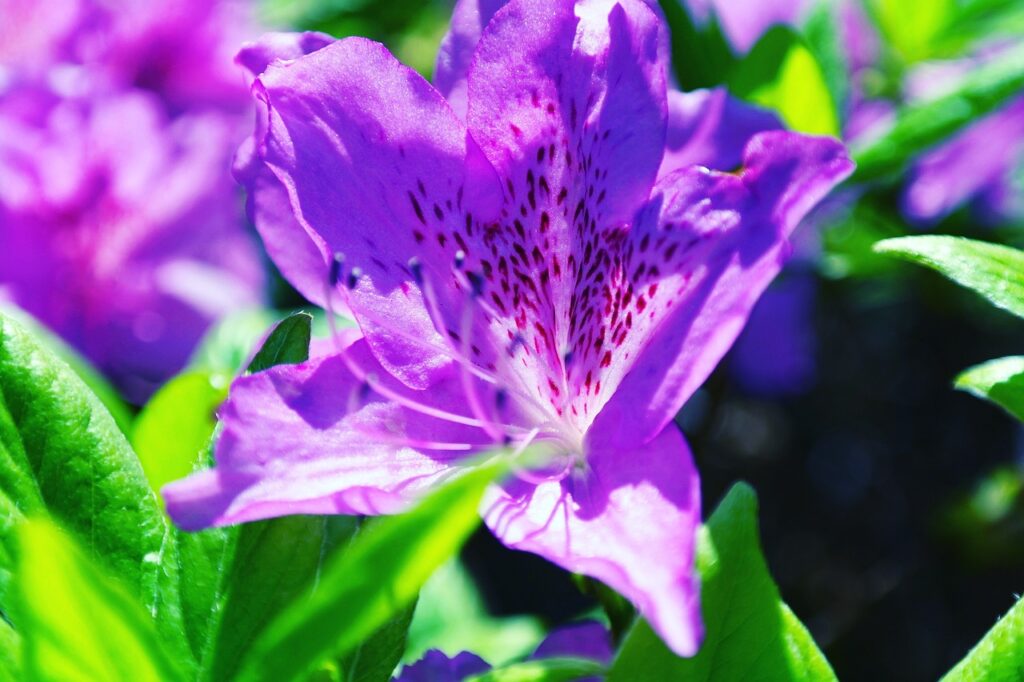
Section Sciadorhodion displays a distinctive geographic pattern that reflects its long evolutionary association with temperate mountain and woodland environments. The section is primarily distributed across East Asia, with Japan acting as the main centre of diversity, while a smaller but significant group of species occurs in North America. This trans-Pacific distribution highlights an ancient lineage shaped by climatic shifts and historical land connections.
In East Asia, species are most commonly found in cool, moist forests, often on mountain slopes where seasonal temperature variation is pronounced. These environments favour deciduous growth, allowing plants to conserve energy during cold winters while taking advantage of the short but productive growing season. Japan’s complex topography, with its varied elevations and microclimates, has played a key role in the diversification of the section.
North American representatives occupy similar ecological niches, favouring wooded mountain regions and upland forests rather than lowland or coastal habitats. Their presence in these areas mirrors the environmental conditions seen in East Asia, reinforcing the section’s preference for cooler, temperate climates.
Across its range, Section Sciadorhodion is most commonly associated with the following habitat characteristics:
- Mountainous terrain, from near sea level to approximately 2,000 metres
- Deciduous or mixed woodland environments
- Cool, moist soils with good drainage
- Areas with strong seasonal temperature variation
These habitat preferences underline the section’s strong alignment with montane and woodland ecosystems, where light levels, moisture, and temperature fluctuate throughout the year. Such conditions have shaped both the morphology and life cycle of Section Sciadorhodion, reinforcing its identity as a group adapted to mountainous landscapes rather than evergreen forest or subtropical environments.
Species diversity and notable species within Section Sciadorhodion
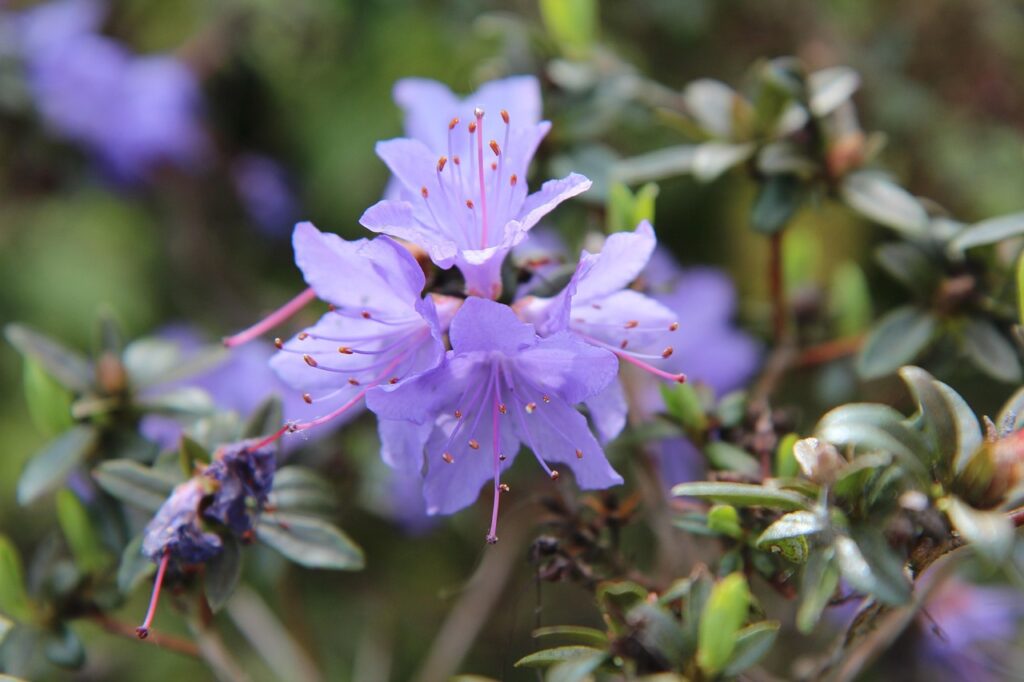
Section Sciadorhodion is a relatively small and well-defined section within Rhododendron, comprising approximately 16 recognised species. Despite its limited size, the section shows notable ecological and geographic diversity, spanning East Asia and North America. Many species are locally endemic, particularly in Japan, where mountainous terrain and isolated habitats have encouraged speciation.
The section includes the following species:
- Rhododendron albiflorum
- Rhododendron albrechtii
- Rhododendron benhallii
- Rhododendron dilatatum
- Rhododendron goyozanense
- Rhododendron katsumatae
- Rhododendron kroniae
- Rhododendron menziesii
- Rhododendron multiflorum
- Rhododendron osuzuyamense
- Rhododendron pentandrum
- Rhododendron pilosum
- Rhododendron quinquefolium
- Rhododendron schlippenbachii
- Rhododendron vaseyi
- Rhododendron wadanum
- Rhododendron yakushimense
Among these, several species are regionally significant ornamentals, valued for their spring flowering and autumn foliage. However, one species in particular has earned widespread recognition beyond its native range.
Bonsai potential of Section Sciadorhodion
As a whole, Section Sciadorhodion is selectively viable for bonsai, rather than broadly suited across all species. The deciduous habit, fine branching potential, and strong seasonal character make certain members attractive candidates, while others are better suited to landscape cultivation due to size, growth rate, or specific habitat requirements.
The standout species for bonsai is Rhododendron schlippenbachii, commonly known as the Royal Azalea. This species is especially well regarded for its relatively small leaves, elegant branch structure, profuse spring flowering, and exceptional autumn colour. Its tolerance for pruning and its ability to develop refined ramification over time make it one of the most promising deciduous rhododendrons for bonsai cultivation.
For this reason, Rhododendron schlippenbachii has been selected as the key species for a dedicated bonsai care sheet, where its cultivation requirements, seasonal management, and styling considerations will be explored in detail.
Section Sciadorhodion in horticulture, conservation, and bonsai contexts
Section Sciadorhodion occupies a distinctive position at the intersection of horticulture, conservation, and bonsai practice. In gardens, these whorled-leaf deciduous rhododendrons are valued for their graceful spring flowering, refined growth habit, and striking autumn colour, offering seasonal interest that extends well beyond their bloom period. Their preference for cool, acidic, well-drained soils aligns them naturally with woodland and mountain garden settings, where they can be grown with relatively minimal intervention when conditions are right.
From a conservation perspective, the section includes several regionally restricted and habitat-specific species, particularly in Japan, where mountainous terrain and microclimates have driven diversification. Protecting native woodland ecosystems remains essential for preserving this genetic diversity, especially as climate pressures and habitat fragmentation increase. Ex situ cultivation in botanical gardens and specialist collections plays an important supporting role in safeguarding these plants for future study and appreciation.
In the bonsai context, Section Sciadorhodion is not universally suitable, but it offers exceptional potential when species selection is thoughtful. The deciduous habit, elegant branching, and strong seasonal expression lend themselves to expressive, nature-inspired bonsai designs. Rhododendron schlippenbachii, in particular, stands out as a benchmark species, bridging ornamental horticulture and refined bonsai cultivation.
Taken together, Section Sciadorhodion represents a group where botanical history, ecological adaptation, and horticultural artistry converge, making it a rewarding subject for growers, collectors, and bonsai practitioners alike.