
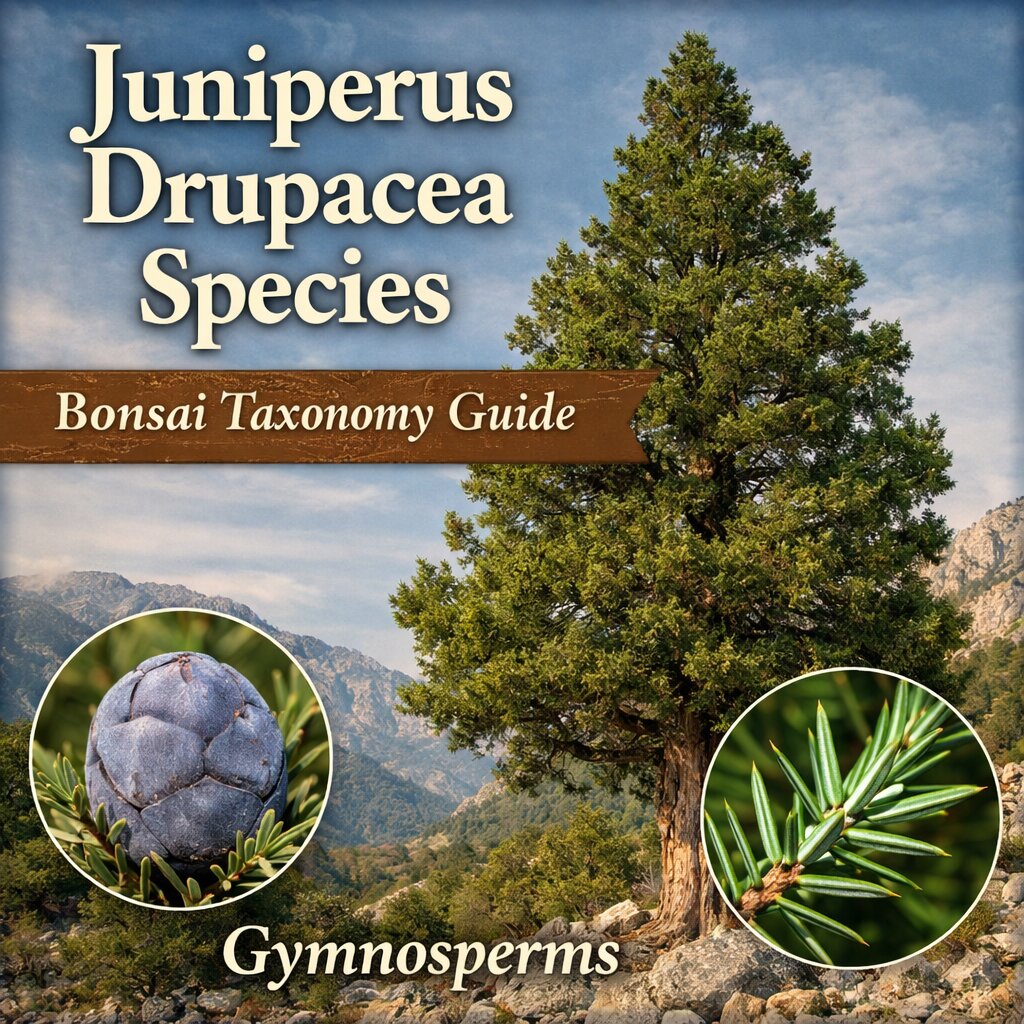
Juniperus drupacea is a distinctive evergreen conifer native to the eastern Mediterranean, commonly known as the Syrian juniper. It is widely regarded as the tallest species within the Juniperus genus, capable of reaching exceptional heights of up to 40 metres under optimal conditions. Although most mature specimens range between 10 and 25 metres, its potential stature sets it apart from many other juniper species, which are often shrub-like or modest trees.
What makes Juniperus drupacea particularly remarkable is its unique reproductive structure. It produces the largest seed cones of any juniper, with fused seeds enclosed within a hard, berry-like structure. This unusual morphology led botanists to once classify the species in a separate genus, Arceuthos, highlighting its taxonomic distinctiveness within the Cupressaceae family.
Ecologically, Juniperus drupacea is adapted to rocky, calcareous substrates at mid- to high-elevations across southern Greece, southern Turkey, western Syria, Lebanon, and northern Israel. It frequently occurs in mixed montane forests alongside firs, cedars, and pines, where it contributes to slope stabilisation and biodiversity resilience in Mediterranean mountain ecosystems.
Within the broader framework of Juniperus taxonomy, Juniperus drupacea is the sole representative of section Caryocedrus. Its combination of towering habit, needle-like foliage, and fused seed cones makes it one of the most structurally and evolutionarily intriguing members of the genus.
Table of Contents
Taxonomy
– Kingdom: Plantae (Plant Kingdom)
— Clade: Embryophytes (Land Plants)
— Clade: Polysporangiophytes (Multiple Sporangia)
—- Clade: Tracheophytes (Vascular Plants)
—– Superdivision: Spermatophytes (Seed Plants)
—— Clade: Gymnospermae (Naked Seeds)
——- Division: Pinophyta (Conifers)
——– Class: Pinopsida (Living Conifers)
——— Subclass: Cupressidae (Evergreen Conifers)
———- Order: Cupressales (Cypress)
———– Family: Cupressaceae (Cypress)
———— Subfamily: Cupressoideae (Cypress)
————- Genus: Juniperus (Juniper)
————– Section: Caryocedrus (Syrian Junipers)
————— Species: Juniperus drupacea (Syrian Juniper)
What is Juniperus drupacea?
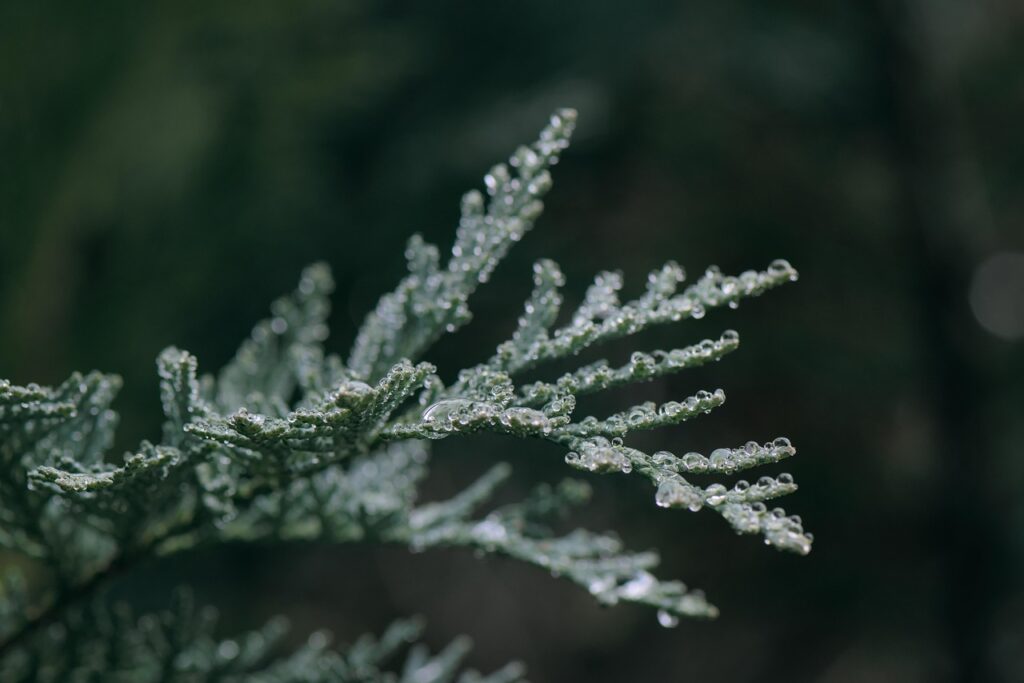
Juniperus drupacea is a large, evergreen conifer species belonging to the family Cupressaceae and native to the eastern Mediterranean region. Commonly known as the Syrian juniper, it is distinguished by its tree-like form and exceptional height, making it the tallest species within the Juniperus genus. Unlike many junipers that grow as shrubs or small trees, Juniperus drupacea typically develops into a substantial conical tree, occasionally reaching up to 40 metres in ideal mountain conditions.
Botanically, Juniperus drupacea is unique within its genus due to its unusually large seed cones and fused seeds. The cones resemble hard, berry-like drupes, which is reflected in the species name “drupacea.” These structures are significantly larger than those of most other junipers and ripen over an extended period of approximately 25 months. The fused seed structure is one of the defining features that historically led taxonomists to place the species in a separate genus, Arceuthos, before molecular studies confirmed its position within Juniperus.
Juniperus drupacea is usually dioecious, meaning male and female cones are produced on separate trees. Its needle-like leaves are arranged in whorls of three, a characteristic shared with several other Mediterranean junipers. However, the combination of tall tree habit, distinctive cones, and clustered male reproductive structures sets it apart from closely related species.
Ecologically, Juniperus drupacea occupies rocky, limestone-rich mountain habitats at elevations typically between 600 and 1,800 metres. It forms either pure stands or mixed forests with species such as firs, cedars, and pines. In these environments, it plays a stabilising role in fragile mountain ecosystems while demonstrating remarkable drought tolerance and longevity.
Within Juniperus section Caryocedrus, Juniperus drupacea stands as the sole representative, making it taxonomically significant as well as visually impressive among Mediterranean conifers.
Taxonomic Classification of Juniperus drupacea
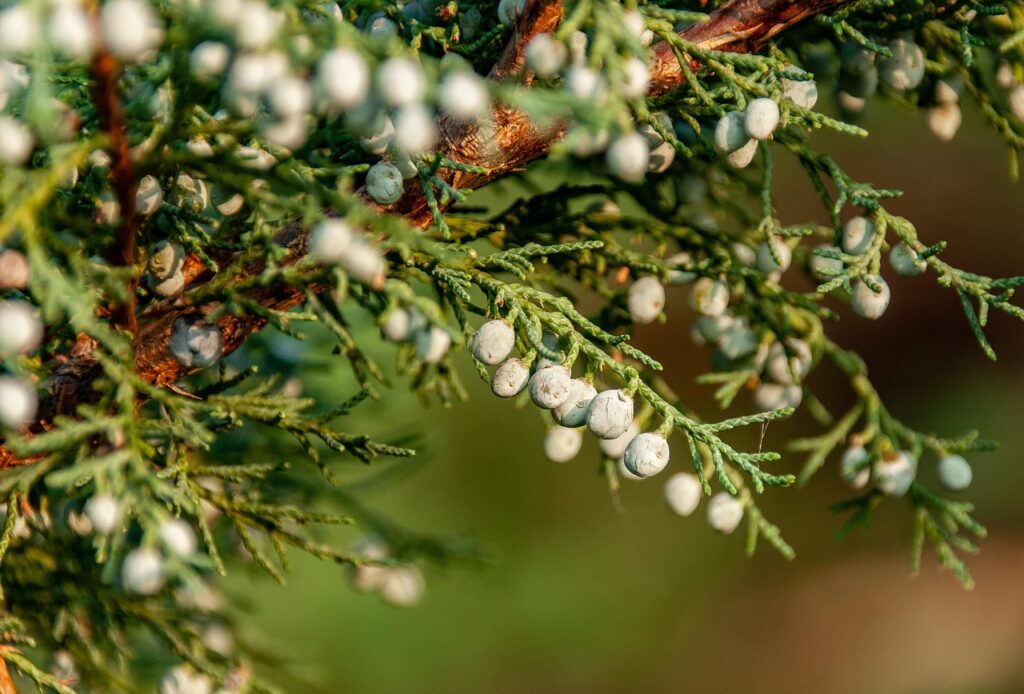
Juniperus drupacea belongs to the conifer family Cupressaceae, a diverse group of evergreen trees and shrubs that includes cypresses, cedars, and other junipers. Within this family, Juniperus drupacea is placed in the genus Juniperus, which comprises more than 50 species distributed across the Northern Hemisphere. The genus is characterised by aromatic wood, scale-like or needle-like leaves, and berry-like seed cones.
Juniperus drupacea is the sole member of Juniperus section Caryocedrus, which distinguishes it from other juniper sections based on unique morphological features. The defining characteristics of this section include fused seeds within the cone and the production of clustered male cones. These traits are not found together in other Juniperus groups, making Juniperus drupacea taxonomically exceptional.
Historically, the unusual reproductive morphology of Juniperus drupacea led botanists to classify it in a separate genus, Arceuthos, under the name Arceuthos drupacea. However, later genetic and phylogenetic studies confirmed that it is more accurately placed within the genus Juniperus. Molecular evidence shows that Juniperus drupacea shares closer evolutionary relationships with Mediterranean species such as Juniperus macrocarpa and Juniperus oxycedrus than previously thought.
Its placement within section Caryocedrus reflects both its evolutionary divergence and its retention of key Juniperus traits. As a result, Juniperus drupacea occupies a distinctive but well-supported position within modern conifer taxonomy.
Botanical Description and Diagnostic Identifying Characteristics
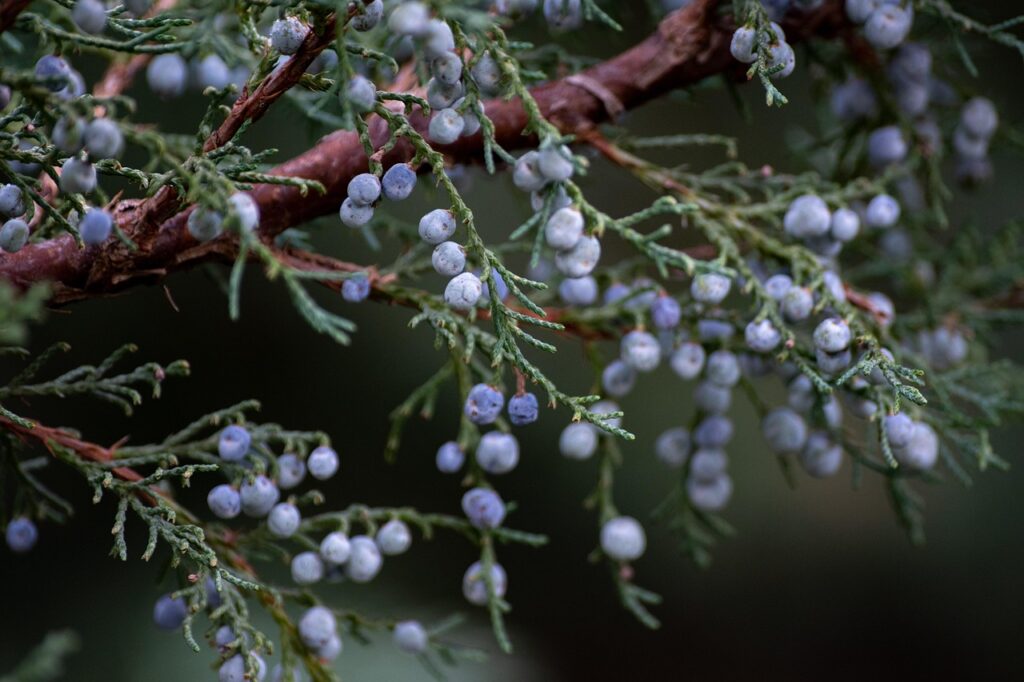
Juniperus drupacea is one of the most structurally distinctive members of the Juniperus genus. Its combination of tall tree form, rigid needle foliage, and unusually large seed cones makes it readily separable from most other Mediterranean junipers. While some juniper species can be difficult to distinguish without close inspection, Juniperus drupacea displays several diagnostic features that are clear even in the field.
Correct identification of Juniperus drupacea relies on examining overall growth form, leaf arrangement, cone morphology, and reproductive structures. Together, these characteristics confirm its placement within section Caryocedrus and distinguish it from related species such as Juniperus macrocarpa and Juniperus oxycedrus.
Overall Tree Structure and Bark
Juniperus drupacea typically develops as a single-stemmed, upright tree with a strong central leader. Young specimens display a distinctly conical crown, which gradually broadens and becomes more irregular with age. Mature trees may form a wide, domed canopy while retaining a sturdy, columnar trunk.
The bark of Juniperus drupacea is fibrous and fissured, peeling in longitudinal strips as the tree matures. Its colour ranges from grey-brown to reddish-brown. Older specimens develop deeply furrowed bark plates that provide additional textural identification cues in the field.
The trunk can reach between 1 and 2 metres in diameter under optimal conditions. Compared to smaller juniper species that often exhibit shrubby or multi-stemmed habits, the pronounced tree form of Juniperus drupacea is one of its clearest identifying traits.
Leaf Arrangement and Needle Morphology
The foliage of Juniperus drupacea consists of stiff, needle-like leaves arranged in whorls of three. Each needle typically measures between 5 and 25 millimetres in length and approximately 2 to 3 millimetres in width. The leaves are sharply pointed and rigid, contributing to the species’ coarse texture.
A key diagnostic feature of Juniperus drupacea is the presence of two prominent white stomatal bands on the inner surface of each needle. These bands are separated by a narrow green midrib, creating a distinctive striped appearance when viewed closely. The outer surface of the needle remains dark green.
Unlike some junipers that transition to scale-like foliage in maturity, Juniperus drupacea retains its needle form throughout its life cycle. This consistent needle morphology is an important characteristic for identification.
Seed Cones and Reproductive Structures
Juniperus drupacea produces the largest seed cones of any juniper species. The cones are berry-like in appearance but are hard and woody rather than fleshy. They are typically ovoid to nearly spherical, measuring approximately 20 to 27 millimetres in length and 20 to 25 millimetres in diameter.
The cones begin green and require roughly 25 months to mature, eventually turning dark purple-brown with a pale blue waxy coating. Internally, the cone scales are fused, forming a single nut-like shell that encloses three united seeds. This fused seed structure is one of the defining diagnostic traits of Juniperus drupacea and separates it from most other species in the genus.
The species is usually dioecious, with male and female cones borne on separate trees. Another distinctive feature is the clustered male cones, which appear in groups of 5 to 20. These small, yellow male cones release pollen in early spring and fall shortly afterward. No other juniper species exhibits this combination of fused seeds and clustered male cones, making Juniperus drupacea uniquely identifiable within its genus.
Growth Habit, Size Variation, and Longevity
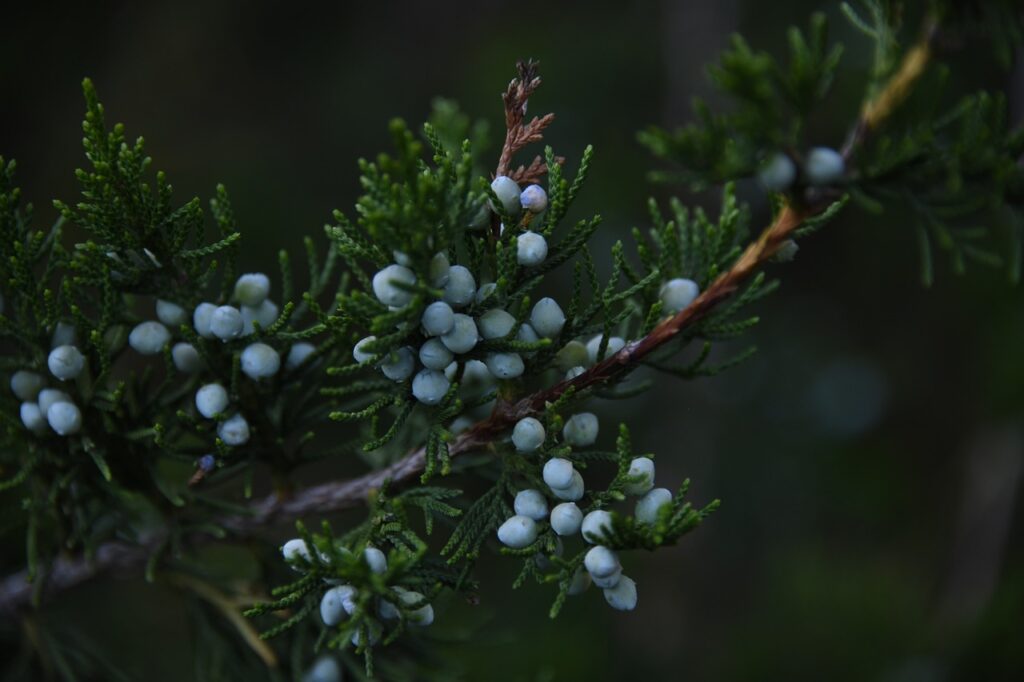
Juniperus drupacea exhibits one of the most robust growth forms within the Juniperus genus. Unlike many junipers that remain shrubby or develop multiple stems, Juniperus drupacea typically grows as a single-trunked tree with a strong central leader. Its architecture reflects adaptation to mountainous Mediterranean environments, where structural stability and drought tolerance are essential for survival.
Growth form in Juniperus drupacea varies depending on altitude, soil depth, exposure, and competition. While it is capable of exceptional size under ideal conditions, it may remain smaller and more compact in harsher environments. Despite these variations, the species consistently maintains its characteristic upright habit and dense, needle-bearing branch structure.
Juvenile to Mature Form Development
Young Juniperus drupacea trees display a distinctly conical crown, with branches arranged in orderly tiers radiating from the main trunk. The branching pattern is relatively symmetrical during early development, giving the tree a classic pyramidal silhouette.
As Juniperus drupacea matures, the crown gradually broadens. Older trees often develop a more rounded or irregular canopy while retaining a strong vertical axis. Lower branches may persist for many years, particularly in open-grown specimens, contributing to a fuller profile.
In dense forest stands, Juniperus drupacea may exhibit a taller, narrower form as it competes for light. In exposed rocky sites, wind shaping and environmental stress can produce more sculptural, asymmetrical growth forms.
Size Range and Exceptional Specimens
Juniperus drupacea typically reaches heights between 10 and 25 metres. However, it is widely recognised as the tallest species in the Juniperus genus, with exceptional individuals recorded at up to 40 metres. Trunk diameter may reach 1 to 2 metres in mature trees under favourable conditions.
Size variation is closely tied to environmental factors. Trees growing on deeper limestone soils with sufficient moisture availability tend to achieve greater height and girth. In contrast, specimens growing on shallow, rocky substrates at higher elevations often remain smaller and slower growing.
Even at reduced size, Juniperus drupacea maintains its tree-like stature rather than reverting to a shrubby habit. This consistent arboreal form distinguishes it from several Mediterranean junipers that frequently appear as low shrubs.
Longevity and Structural Resilience
Juniperus drupacea is considered a long-lived species, capable of surviving for several centuries. Its dense, decay-resistant wood contributes to structural durability and resistance to environmental stress. This resilience allows mature specimens to persist in exposed mountainous terrain.
The species demonstrates strong adaptation to drought conditions and calcareous soils. Deep root systems anchor Juniperus drupacea into rocky substrates, enhancing slope stability and reducing erosion. These characteristics contribute not only to individual longevity but also to ecological stability within its native range.
Overall, the growth habit, size potential, and longevity of Juniperus drupacea reflect a species well adapted to Mediterranean mountain ecosystems, combining impressive stature with long-term environmental endurance.
Foliage Structure, Needle Morphology, and Seasonal Colouration
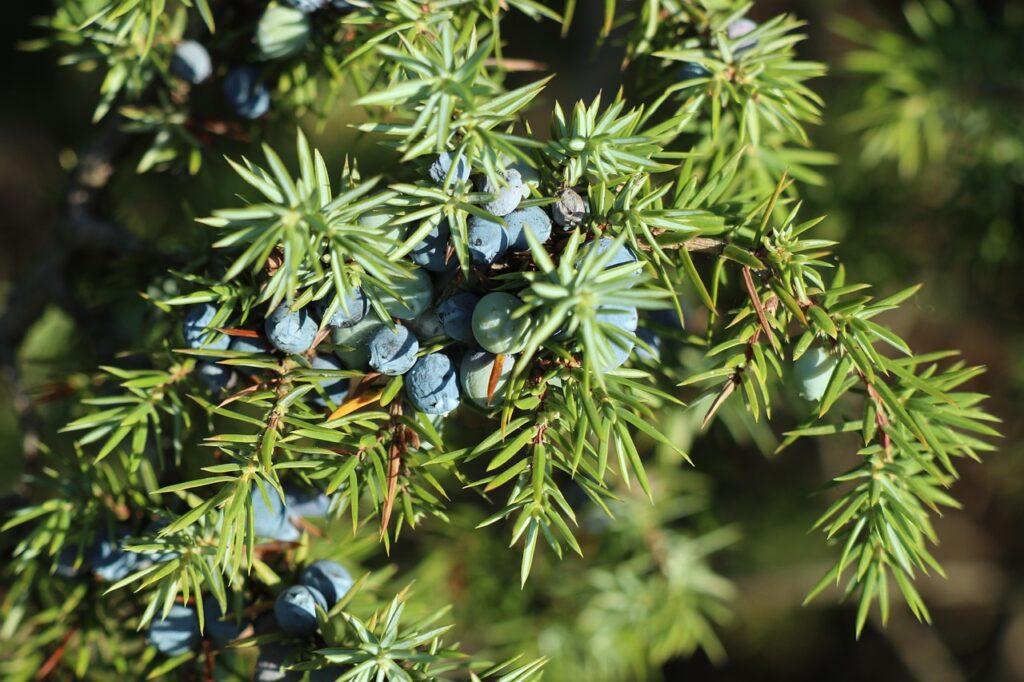
The foliage of Juniperus drupacea is one of its most reliable identification features and plays a significant role in distinguishing it from other Mediterranean junipers. Unlike species that transition to scale-like adult foliage, Juniperus drupacea retains its needle form throughout its life. This persistent juvenile-type foliage gives the species a coarse, textured appearance that is visually distinct in mixed forests.
Adapted to high-altitude, calcareous environments, the foliage of Juniperus drupacea is structurally designed to reduce water loss while maximising photosynthetic efficiency. Its rigid needles and stomatal arrangement reflect evolutionary adaptation to Mediterranean drought cycles and intense sunlight exposure.
Needle Arrangement and Form
Juniperus drupacea produces needle-like leaves arranged in whorls of three around the stem. Each needle typically measures between 5 and 25 millimetres in length and approximately 2 to 3 millimetres in width. The needles are stiff, sharply pointed, and slightly triangular in cross-section.
This whorled arrangement is characteristic of several Mediterranean junipers, yet the overall robustness of the needles in Juniperus drupacea tends to be more pronounced. The leaves are firmly attached and persist for several years before shedding, contributing to the species’ dense canopy structure.
Unlike scale-leaved junipers such as Juniperus phoenicea, Juniperus drupacea does not develop mature scale foliage. The retention of needle morphology across all growth stages is an important diagnostic characteristic.
Stomatal Bands and Surface Features
A defining feature of Juniperus drupacea foliage is the presence of two prominent white stomatal bands on the inner surface of each needle. These bands are separated by a narrow green midrib, creating a distinctive striped pattern when viewed closely. The outer surface of the needle remains dark green and glossy.
The stomatal bands are not merely ornamental. They are functional structures that regulate gas exchange and water conservation. In high-light and drought-prone habitats, this adaptation assists Juniperus drupacea in maintaining physiological stability during dry summer months.
The combination of stiff texture, pronounced stomatal striping, and consistent needle form makes foliage examination one of the most effective methods for identifying Juniperus drupacea in the field.
Seasonal Colour Stability
Juniperus drupacea maintains a predominantly deep green to dark green coloration throughout the year. Unlike some conifers that exhibit significant winter bronzing, the foliage of Juniperus drupacea typically remains stable in colour, especially in its native Mediterranean climate.
In colder or more exposed environments, slight dulling or subtle bronze tones may appear during winter stress, but dramatic seasonal shifts are uncommon. This colour consistency enhances its ornamental appeal in horticultural contexts.
Overall, the foliage structure of Juniperus drupacea reflects both ecological adaptation and taxonomic distinction. The rigid, whorled needles with double white stomatal bands remain one of the most recognisable and diagnostic traits of the species.
Reproductive Biology, Seed Cones, and Pollination Ecology
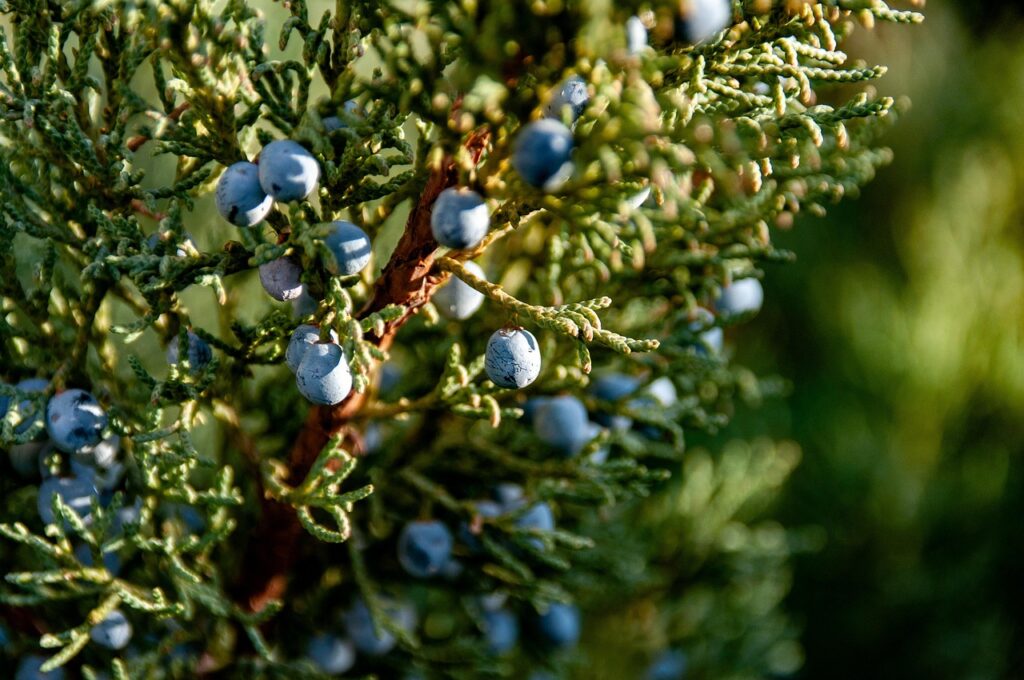
Juniperus drupacea possesses one of the most unusual reproductive systems within the Juniperus genus. While it follows the general conifer pattern of producing pollen cones and seed cones, several structural traits set Juniperus drupacea apart from nearly all other juniper species. These differences are so pronounced that the species was historically placed in its own genus, Arceuthos, before molecular evidence confirmed its placement within Juniperus.
Reproductive success in Juniperus drupacea is closely tied to Mediterranean seasonal rhythms. Pollination typically occurs in early spring, while seed maturation extends over a prolonged period. The species demonstrates both structural specialisation and ecological adaptation in its reproductive strategy.
Dioecy and Male Cone Clusters
Juniperus drupacea is usually dioecious, meaning individual trees produce either male or female cones, but not both. This separation of sexes encourages cross-pollination and enhances genetic diversity within populations.
The male cones of Juniperus drupacea are particularly distinctive. They are small, yellow, and typically measure around 3 to 4 millimetres in length. Unlike most junipers, which produce solitary male cones, Juniperus drupacea forms them in clusters of 5 to 20 cones. This clustered arrangement is unique within the genus and serves as a key diagnostic characteristic.
During early spring, the male cones release pollen, which is dispersed by wind. After shedding pollen, the male cones fall from the tree relatively quickly, completing their short reproductive cycle.
Seed Cone Structure and Development
The seed cones of Juniperus drupacea are the largest of any species within the Juniperus genus. Although often described as berry-like, they are hard, woody structures rather than fleshy fruits. The cones are typically ovoid to spherical, measuring approximately 20 to 27 millimetres in length and 20 to 25 millimetres in diameter.
Cone development in Juniperus drupacea is slow. After pollination, the cones require approximately 25 months to fully mature. They begin green and gradually ripen to a dark purple-brown colour, often covered with a pale blue waxy bloom.
One of the most remarkable features of Juniperus drupacea is the fused seed structure within the cone. The cone consists of six to nine scales arranged in two or three whorls. The three uppermost scales each bear a single seed, but these three seeds become fused together, forming a single, nut-like shell. This fusion is unique among junipers and is central to its taxonomic distinctiveness.
Pollination Ecology and Seed Dispersal
Juniperus drupacea is wind-pollinated, relying on air currents to transfer pollen from male to female trees. The clustered male cones increase pollen output, improving the likelihood of successful fertilisation in mountainous environments where tree density may vary.
Once mature, the hard cones of Juniperus drupacea are dispersed primarily by gravity and animal activity. In its native range, wildlife may consume or transport the cones, aiding in seed dispersal across rocky terrain. The tough outer shell protects the fused seeds from predation and environmental damage.
The extended maturation period and durable seed structure of Juniperus drupacea reflect adaptation to Mediterranean climatic conditions, where successful regeneration often depends on episodic favourable moisture years. Together, these reproductive characteristics reinforce the evolutionary uniqueness of Juniperus drupacea within section Caryocedrus and the broader Juniperus lineage.
Natural Distribution, Altitudinal Range, and Ecological Adaptations
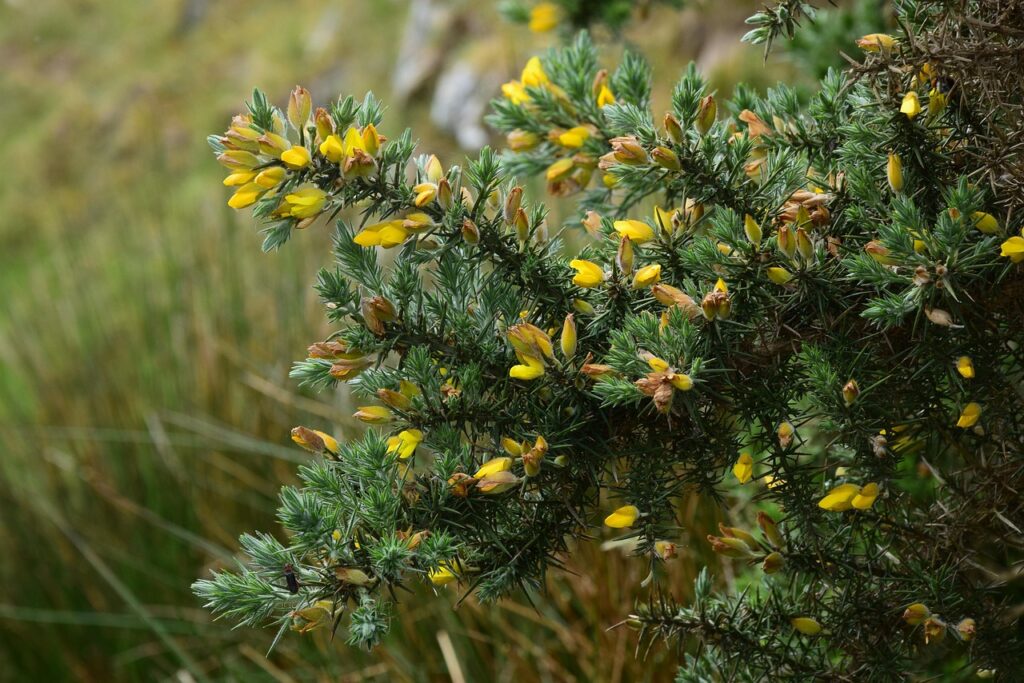
Juniperus drupacea is native to the eastern Mediterranean region, where it occupies mountainous landscapes characterised by limestone substrates and seasonal climatic extremes. Its distribution is geographically fragmented but ecologically consistent, centred around high-elevation, rocky habitats that favour drought-tolerant conifers.
The natural range of Juniperus drupacea extends across southern Greece, particularly Mount Parnon and Mount Taygetos in the Peloponnese, as well as southern Turkey, western Syria, Lebanon, and northern Israel. Within these regions, Juniperus drupacea often forms either pure stands or mixed forests with other Mediterranean montane species.
Geographic Range and Habitat Types
Juniperus drupacea is primarily associated with mountainous terrain and calcareous soils. It grows on rocky slopes, ridgelines, and exposed limestone outcrops where soil depth is limited and drainage is rapid. These environments are typically nutrient-poor but well-suited to drought-adapted conifers.
In mixed forest systems, Juniperus drupacea commonly occurs alongside species such as Abies cephalonica (Greek fir), Pinus nigra (black pine), and Cedrus libani (Lebanon cedar). These associations reflect shared ecological preferences for montane Mediterranean climates with cool winters and dry summers.
The species’ distribution is discontinuous, with isolated populations separated by unsuitable lowland terrain. This fragmentation contributes to its conservation sensitivity in certain parts of its range.
Altitudinal Range
Juniperus drupacea typically grows at elevations between approximately 600 and 1,800 metres above sea level, though it is most commonly found between 800 and 1,700 metres. Within this altitudinal band, it benefits from cooler temperatures and increased precipitation relative to the surrounding lowlands.
At higher elevations, Juniperus drupacea may experience snowfall and periodic frost, demonstrating moderate cold tolerance. At lower limits of its range, it endures prolonged summer drought conditions, highlighting its adaptability to climatic variation.
Elevation strongly influences growth form. In more sheltered mid-elevation sites, Juniperus drupacea may achieve greater height and canopy development. At upper elevation limits or exposed ridges, growth may be slower and more compact due to wind stress and reduced soil depth.
Ecological Adaptations
Juniperus drupacea displays several adaptations that enable survival in Mediterranean mountain ecosystems. Its deep root system anchors the tree into rocky substrates, enhancing stability on steep slopes and improving access to subsurface moisture reserves.
The needle-like foliage of Juniperus drupacea reduces transpiration through a reduced surface area and protective stomatal bands. This feature is particularly advantageous during extended summer droughts. The hard, woody cones protect seeds during prolonged maturation periods and against predation.
Fire ecology also plays a role in its environment. While Juniperus drupacea does not possess strong post-fire resprouting ability, it can recolonise areas over time where fire frequency remains moderate. Excessive or repeated fires, however, pose a threat to regeneration.
Overall, the natural distribution and ecological profile of Juniperus drupacea reflect a species finely tuned to limestone mountain habitats, combining drought tolerance, structural resilience, and reproductive durability within its native Mediterranean range.
Infraspecific Variation and Relationship to Juniperus macrocarpa and Juniperus oxycedrus
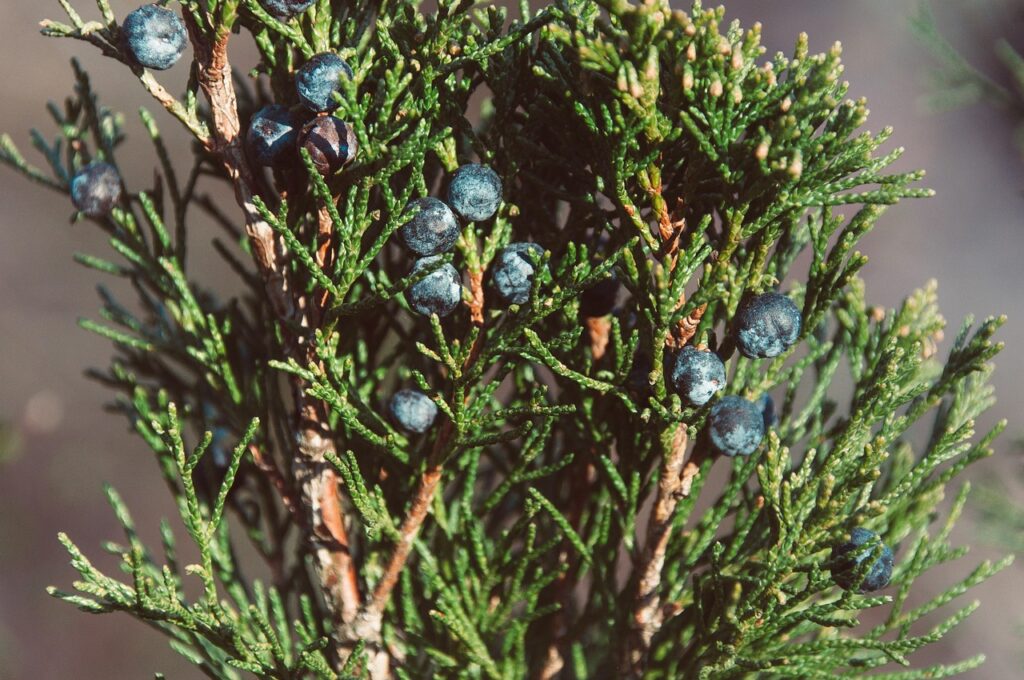
The Syrian juniper shows relatively limited recognised infraspecific variation compared to some other Mediterranean junipers. Unlike species such as Juniperus oxycedrus, which is divided into multiple subspecies across its broad range, Juniperus drupacea is generally treated as a single, well-defined species without formally accepted subspecies. Minor morphological differences may occur between geographically separated populations, but these variations are typically attributed to environmental conditions rather than stable genetic divergence.
Localised differences in height, crown density, and cone size have been observed across its eastern Mediterranean range. For example, trees growing in deeper soils at mid-elevations may develop taller and more symmetrical crowns, while those on exposed limestone ridges remain shorter and more wind-shaped. These forms, however, do not represent taxonomic subdivisions within Juniperus drupacea.
Phylogenetically, the Syrian juniper is most closely related to Mediterranean junipers such as Juniperus macrocarpa and Juniperus oxycedrus. Molecular studies have demonstrated that despite its unusual fused seed cones and clustered male cones, Juniperus drupacea belongs firmly within the genus Juniperus and shares evolutionary ancestry with these species. Its placement within section Caryocedrus reflects both its distinct morphology and its genetic proximity to other western Eurasian junipers.
Juniperus macrocarpa, commonly associated with coastal Mediterranean dunes, differs ecologically and morphologically from Juniperus drupacea. While both produce relatively large cones compared to other junipers, Juniperus macrocarpa typically forms lower, spreading shrubs and inhabits sandy, coastal environments rather than montane limestone habitats. The seed structure of Juniperus macrocarpa does not exhibit the same degree of fusion seen in Juniperus drupacea.
Juniperus oxycedrus, by contrast, occupies a wide ecological range across the Mediterranean basin and is known for its variable growth habit, from shrub to small tree. Although Juniperus oxycedrus shares the whorled needle arrangement characteristic of Juniperus drupacea, it lacks the distinctive clustered male cones and fully fused seed structure that define section Caryocedrus.
The evolutionary relationship between the Syrian juniper, Juniperus macrocarpa, and Juniperus oxycedrus highlights a pattern of Mediterranean diversification within the genus. Juniperus drupacea represents a specialised lineage adapted to montane limestone systems, while its relatives occupy coastal and broader lowland habitats. This combination of genetic relatedness and morphological divergence underscores the taxonomic and ecological uniqueness of Juniperus drupacea within the Mediterranean juniper complex.
Juniperus drupacea in Horticulture, Conservation, and Bonsai Contexts
Juniperus drupacea occupies a unique position at the intersection of horticulture, conservation biology, and specialist cultivation. Although not as widely planted as other junipers, Juniperus drupacea is valued for its architectural form, drought tolerance, and historical significance within Mediterranean landscapes. Its strong central trunk, conical silhouette, and deep green foliage make it a striking specimen tree in suitable climates.
In horticultural settings, Juniperus drupacea performs best in well-drained, calcareous soils with full sun exposure. It demonstrates excellent tolerance to summer drought once established, reflecting its native adaptation to Rocky Mountain slopes. However, it is not ideally suited to humid or poorly drained environments. Growth is moderate rather than rapid, and young plants require protection from excessive winter moisture in non-native climates.
From a conservation perspective, Juniperus drupacea is globally listed as Least Concern, yet regional pressures tell a more complex story. In parts of its eastern Mediterranean range, habitat fragmentation, overgrazing, and recurrent fire cycles have reduced natural regeneration. In Europe, certain populations are considered endangered due to their restricted distribution. Conservation efforts focus on habitat protection, invasive species control, and responsible land management to preserve mature stands and encourage seedling recruitment.
In bonsai contexts, Juniperus drupacea remains relatively uncommon compared to species such as Juniperus chinensis or Juniperus procumbens. Its long, stiff needles and strong apical growth habit can present structural challenges for refinement at small scale. However, its rugged bark, sturdy trunk development, and Mediterranean character make it an intriguing candidate for larger bonsai styles, particularly informal upright or naturalistic mountain forms.
Because Juniperus drupacea retains needle foliage throughout its life, achieving fine ramification requires patience and careful pruning techniques. The species responds best to gradual shaping rather than aggressive styling. In climates that replicate its native dry summers and cool winters, Juniperus drupacea can adapt successfully to container cultivation when provided with sharp drainage and consistent light.
Ultimately, Juniperus drupacea stands as both a taxonomic outlier and an ecological specialist. Whether considered as a wild mountain conifer, a conservation priority, or a distinctive bonsai subject, Juniperus drupacea represents one of the most structurally and evolutionarily remarkable species within the Juniperus genus.