
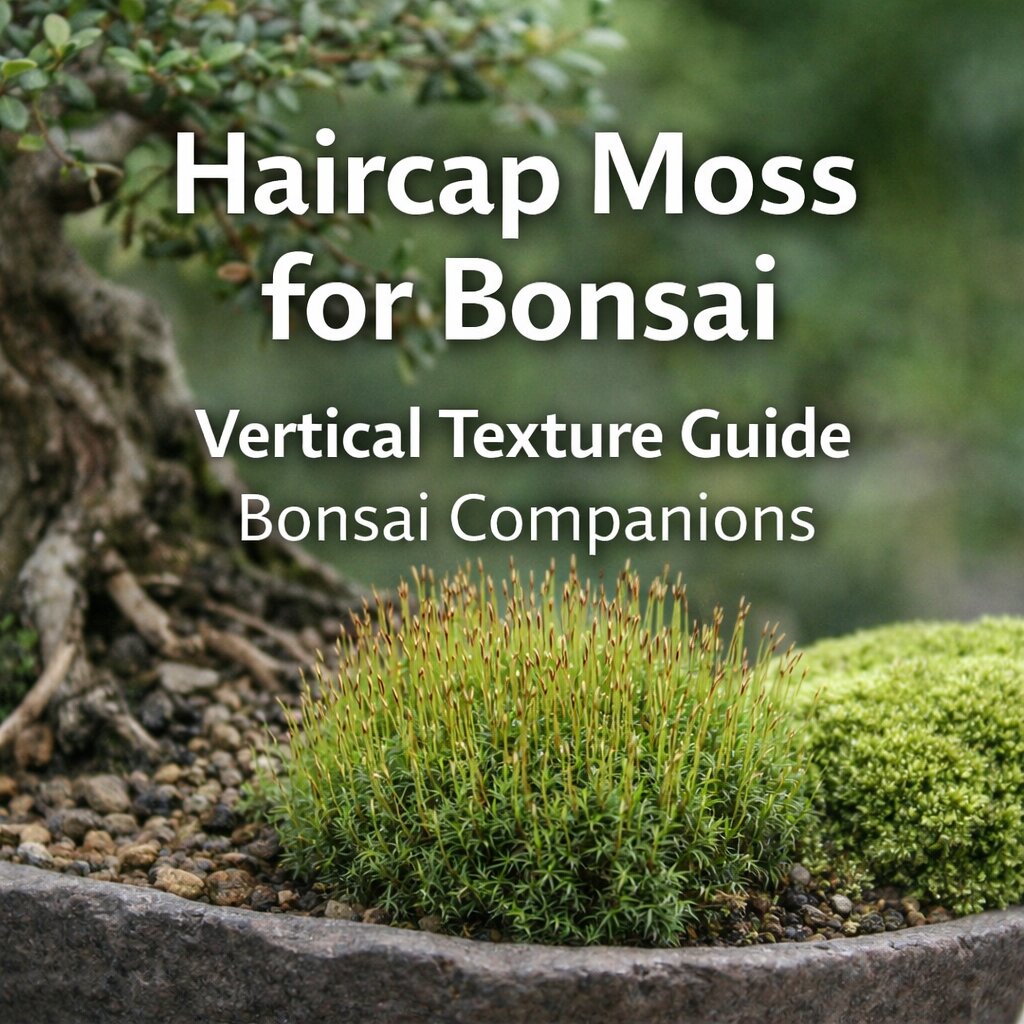
Haircap moss is a unique and visually striking companion for bonsai trees, known for its upright growth and fine, hair-like structures. Unlike flatter or rounded moss varieties, it brings vertical texture to the soil surface, adding a dynamic and natural forest-floor effect.
This type of moss not only enhances the aesthetic appeal of a bonsai but also contributes to moisture retention and soil protection. Its structure allows for airflow while still helping maintain a balanced microclimate around the roots.
In this guide, we explore how Haircap Moss works, how to use it effectively, and why it can be a powerful addition to your bonsai display.
What is Haircap Moss?
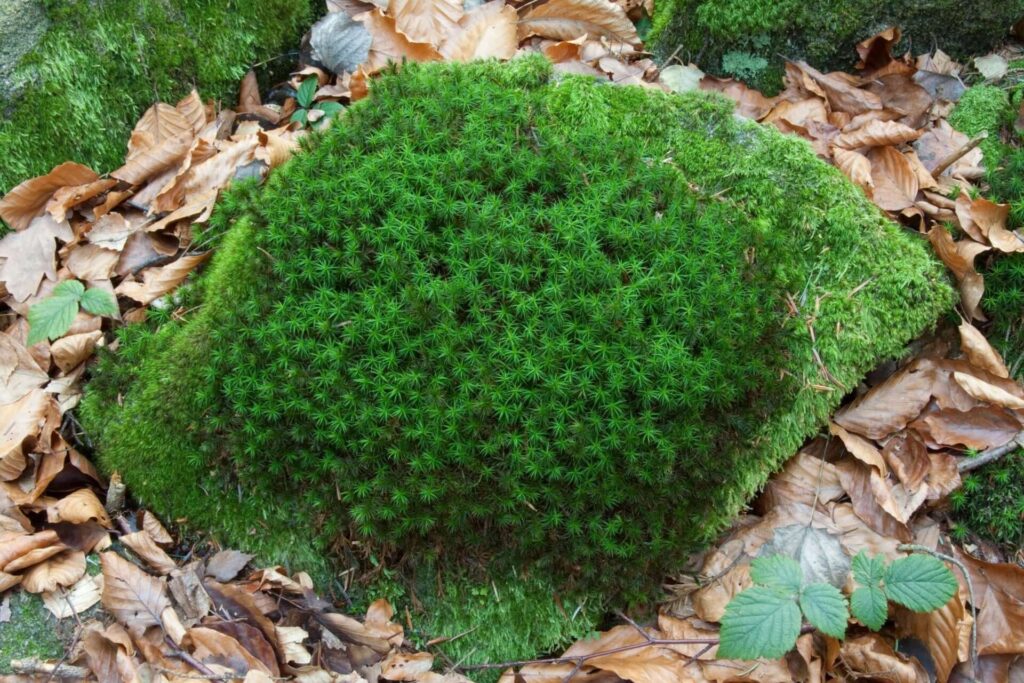
Haircap Moss is a type of moss that grows in upright clusters, forming dense patches of thin, needle-like stems. This gives it a distinctive look that resembles miniature grass or tiny forest undergrowth.
It is commonly found in woodland environments where moisture levels are consistent and light is filtered. These natural conditions make it well-suited for bonsai environments with partial shade and controlled watering.
In bonsai cultivation, Haircap Moss is used to introduce height variation and contrast, making the composition feel more natural and layered.
Benefits of Haircap Moss for bonsai
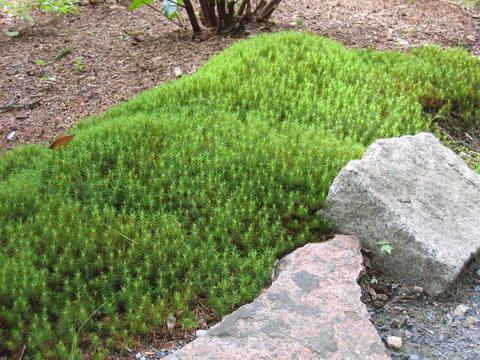
Haircap Moss offers several benefits that make it a valuable companion for bonsai trees. One of its key advantages is its ability to retain moisture while still allowing airflow around the soil.
It also helps reduce soil erosion during watering, especially in shallow bonsai pots where soil can easily shift.
Another benefit is its contribution to visual depth. Haircap Moss creates a more complex and natural-looking surface compared to flatter moss varieties.
How to apply Haircap Moss to your bonsai
Applying Haircap Moss requires a slightly different approach compared to flat moss types due to its upright growth.
- Prepare and level the soil surface
- Lightly moisten the soil before placement
- Place small clusters rather than large patches
- Press gently to secure the base
- Mist regularly to support establishment
Spacing the clusters allows them to grow naturally while maintaining airflow and preventing overcrowding.
Ideal conditions for Haircap Moss growth
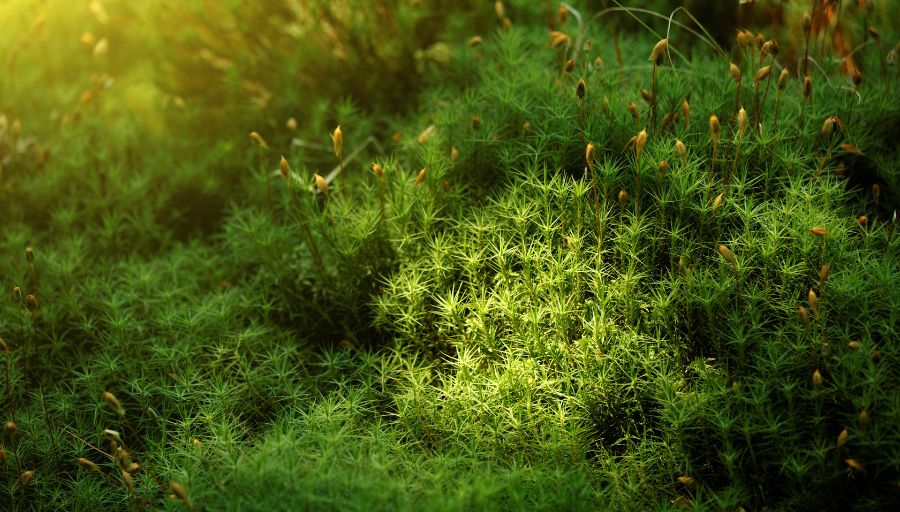
Haircap Moss thrives in environments with indirect light and steady moisture levels. Direct sunlight can dry it out quickly and damage its structure.
Humidity plays an important role in keeping it healthy. Regular misting helps maintain the moisture balance needed for sustained growth.
Well-draining soil beneath the moss is essential. While Haircap Moss enjoys moisture, it should not be exposed to waterlogged conditions.
Common mistakes to avoid
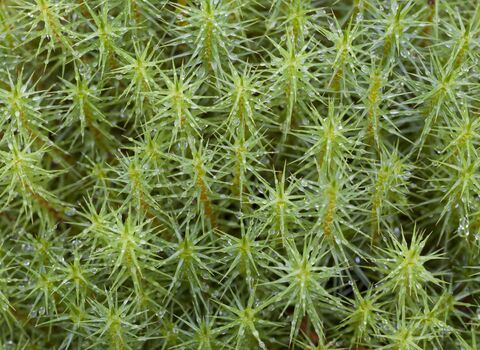
One common mistake is allowing Haircap Moss to dry out completely. Its fine structure makes it sensitive to prolonged dryness.
Overwatering can also be an issue. Excessive moisture can reduce airflow and negatively affect both the moss and the bonsai roots.
Another mistake is placing it in full sun. Haircap Moss performs best in shaded or partially shaded environments.
Comparing vertical, cushion, and sheet moss for bonsai
When selecting moss for a bonsai display, the choice often comes down to texture, structure, and the overall visual effect you want to achieve. Upright-growing moss varieties create a sense of height and movement, making them ideal for adding depth and contrast. Their fine, vertical strands resemble miniature grasses, which can enhance the illusion of a natural forest floor.
Rounded, mound-forming types like Cushion Moss offer a softer and more sculpted appearance. These form compact domes across the soil surface, introducing gentle elevation changes and a more organic, uneven terrain. They are especially effective in creating a natural landscape feel in informal bonsai styles.
Flat-spreading varieties like Sheet Moss, on the other hand, provide a smooth, uniform layer across the soil. This creates a clean and polished look, often preferred for more formal displays or when a tidy finish is desired.
Each type also behaves slightly differently in terms of growth. Upright forms tend to grow in clusters, rounded types maintain their shape over time, and flat varieties spread quickly to cover larger areas. Many enthusiasts combine all three to create a balanced composition with texture, contrast, and visual harmony.
Adding height and contrast to your bonsai
Haircap Moss stands out because of its vertical growth, making it ideal for adding contrast to flatter ground covers. It brings a sense of movement and variation to your bonsai display.
It also supports soil health by maintaining moisture and protecting the surface, creating a more stable environment for root development.
When used correctly, Haircap Moss enhances both the visual and functional aspects of your bonsai, making it a valuable addition to any collection.