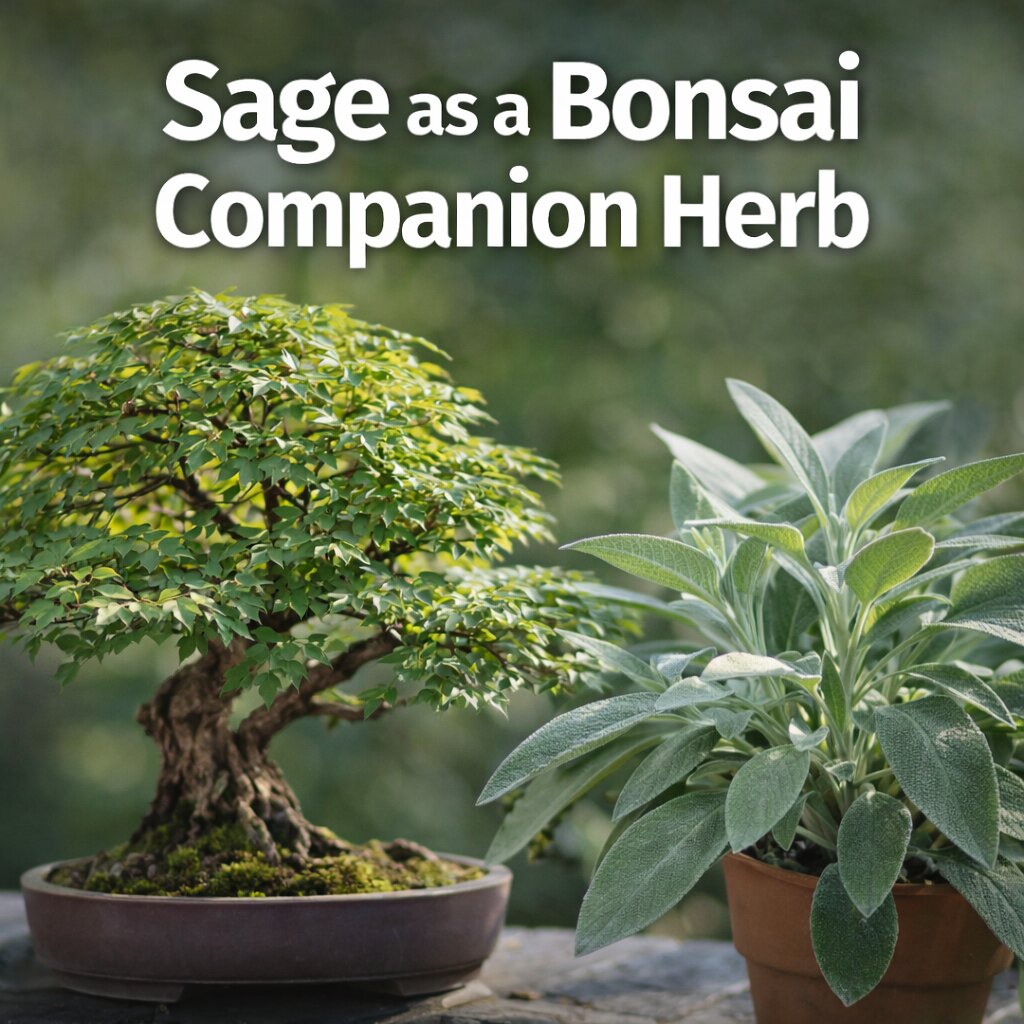
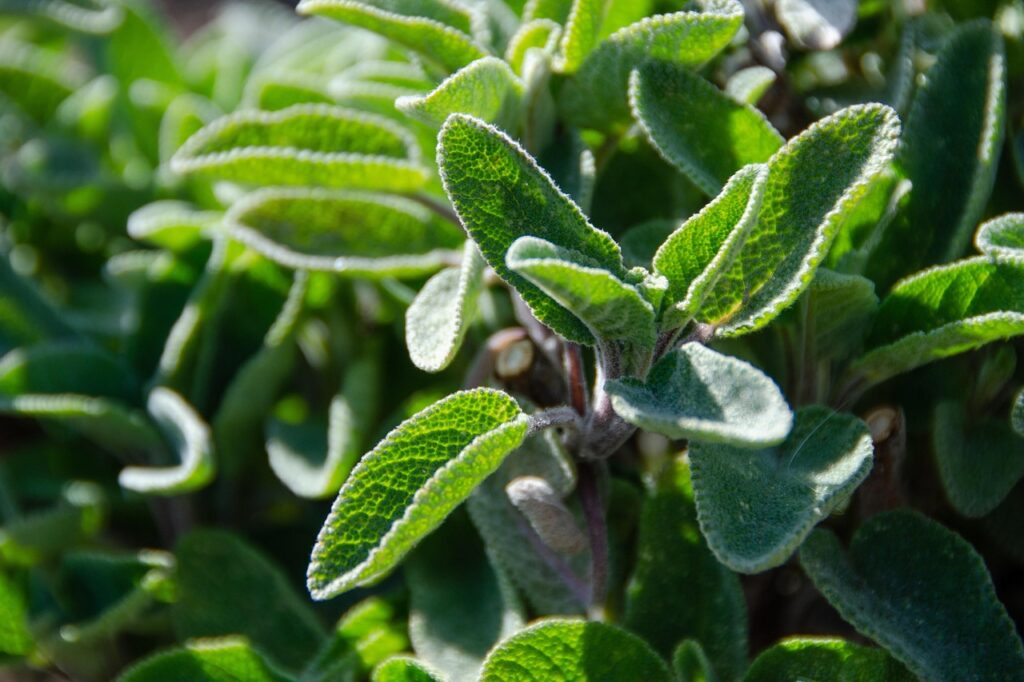
Sage is one of those plants that carries both practical and aesthetic value, making it an excellent choice for bonsai enthusiasts looking to enhance their growing space. Known for its soft, silvery-green leaves and aromatic presence, sage brings a calming and natural feel to any bonsai display area. While it is often associated with cooking, its role as a companion plant is just as valuable.
When placed near bonsai trees, sage contributes to a more balanced micro-environment. Its natural properties can help deter certain pests while also attracting beneficial insects. This makes it especially useful for outdoor bonsai setups or patios where maintaining ecological balance is important.
Beyond functionality, sage also complements the visual appeal of bonsai. Its textured foliage contrasts beautifully with the structured form of bonsai trees, creating a more dynamic and layered presentation. Whether you are designing a display bench or a garden corner, sage fits naturally into the scene.
Why sage works well alongside bonsai trees
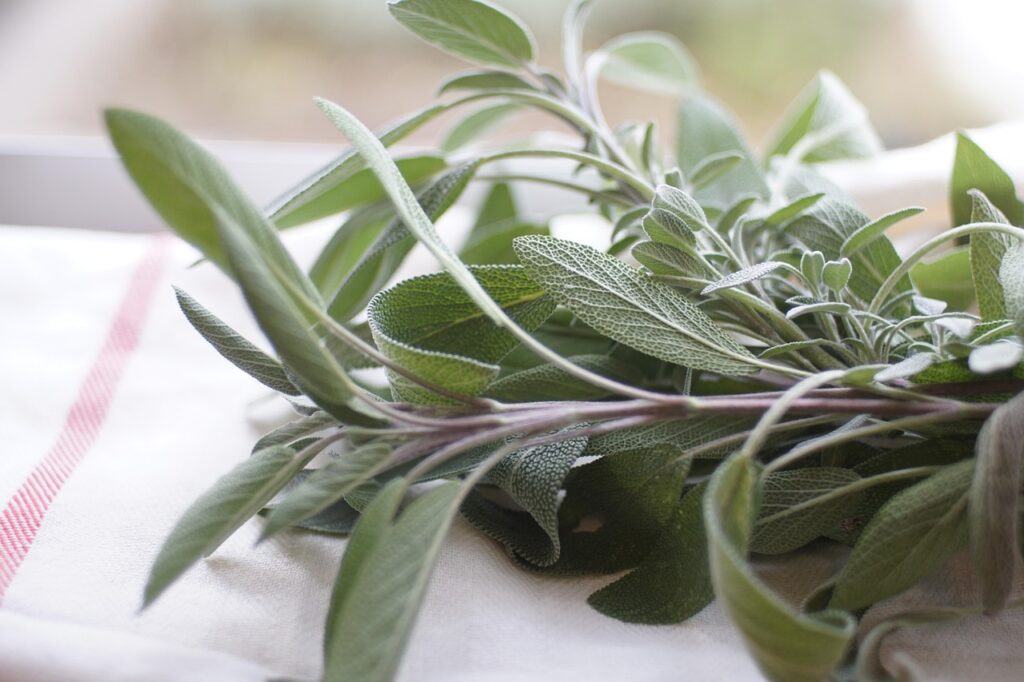
One of the key reasons sage is an excellent bonsai companion is its resilience. It thrives in similar conditions to many bonsai species, particularly those that prefer full sun and well-draining soil. This compatibility makes it easy to care for both plants without needing drastically different routines.
Sage is also drought-tolerant once established, which aligns well with bonsai care practices that emphasise controlled watering. While bonsai require careful hydration, having a companion plant that does not demand constant moisture helps prevent overwatering the surrounding environment.
Another advantage is sage’s natural pest-repelling qualities. Its strong aroma can discourage insects such as aphids and certain beetles, which are known to affect bonsai trees. This reduces the need for chemical treatments and supports a more organic approach to plant care.
Additionally, sage can improve airflow around your bonsai setup. Its growth habit is bushy but not overly dense, allowing air to circulate while still providing coverage. Good airflow is essential for preventing fungal issues and maintaining overall plant health.
Key benefits of using sage as a companion plant
- Helps repel common pests naturally
- Attracts pollinators and beneficial insects
- Thrives in similar sunlight and soil conditions as many bonsai trees
- Adds visual contrast with soft, textured foliage
- Requires minimal watering once established
- Supports a more balanced micro-ecosystem
How to position sage near your bonsai
When incorporating this herb into your bonsai environment, placement is important. Since sage prefers full sun, it should be positioned where it can receive several hours of direct light each day. This usually aligns well with outdoor bonsai displays, especially for species that also enjoy bright conditions.
It is best not to plant sage in the same pot as your bonsai. Instead, place it in a separate container nearby. This allows each plant to maintain its own root space and watering needs while still benefiting from each other’s presence. Keeping them close, but not competing, creates the ideal balance.
Spacing also plays a role in effectiveness. Position this herb close enough to influence the surrounding environment, but not so close that it restricts airflow or crowds the bonsai. A small gap between containers ensures both plants can thrive independently.
You can also use sage as part of a larger companion planting setup. Pairing it with other herbs or low-growing plants can create a cohesive and functional display that enhances both the health and aesthetics of your bonsai area.
Growing and maintaining sage successfully
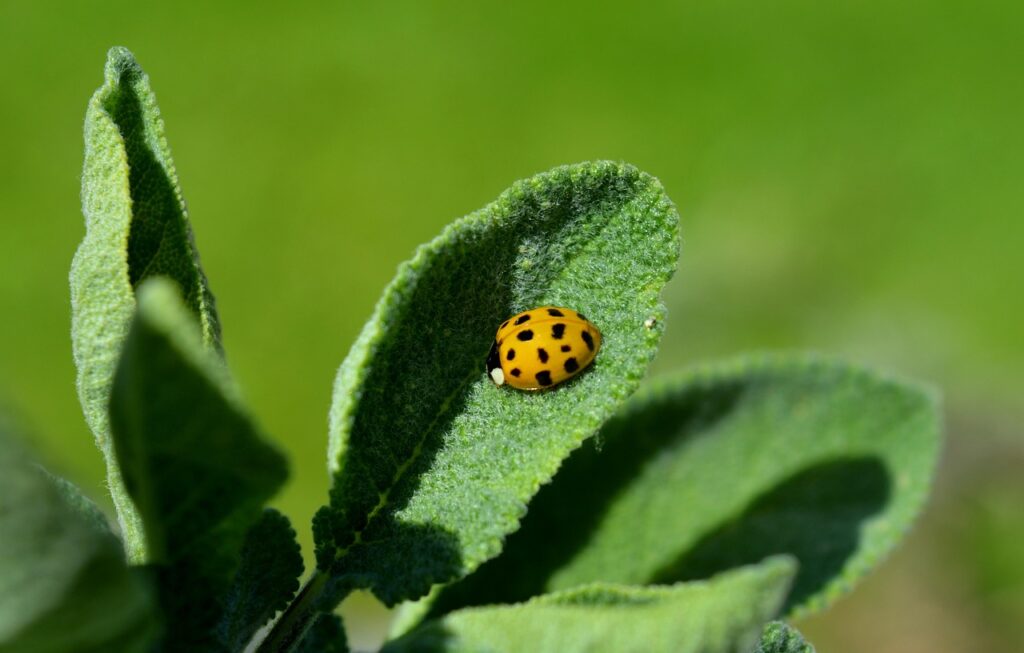
Sage is relatively easy to grow, making it a great option for beginners and experienced growers alike. It prefers well-draining soil and does not tolerate waterlogged conditions, so ensuring proper drainage is essential. A standard herb or sandy soil mix works well for container-grown sage.
Watering should be moderate. Allow the soil to dry slightly between watering sessions, as this herb does not respond well to constantly wet conditions. Overwatering can lead to root rot, which is one of the few issues this hardy plant may face.
Pruning this herb regularly helps maintain its shape and encourages new growth. This also prevents the plant from becoming woody over time. Light trimming can keep it compact and visually appealing alongside your bonsai display.
Fertilisation is not heavily required, but a light feed during the growing season can support healthy development. Avoid over-fertilising, as this can reduce the intensity of the plant’s natural aroma and overall resilience.
A natural companion that enhances both form and function
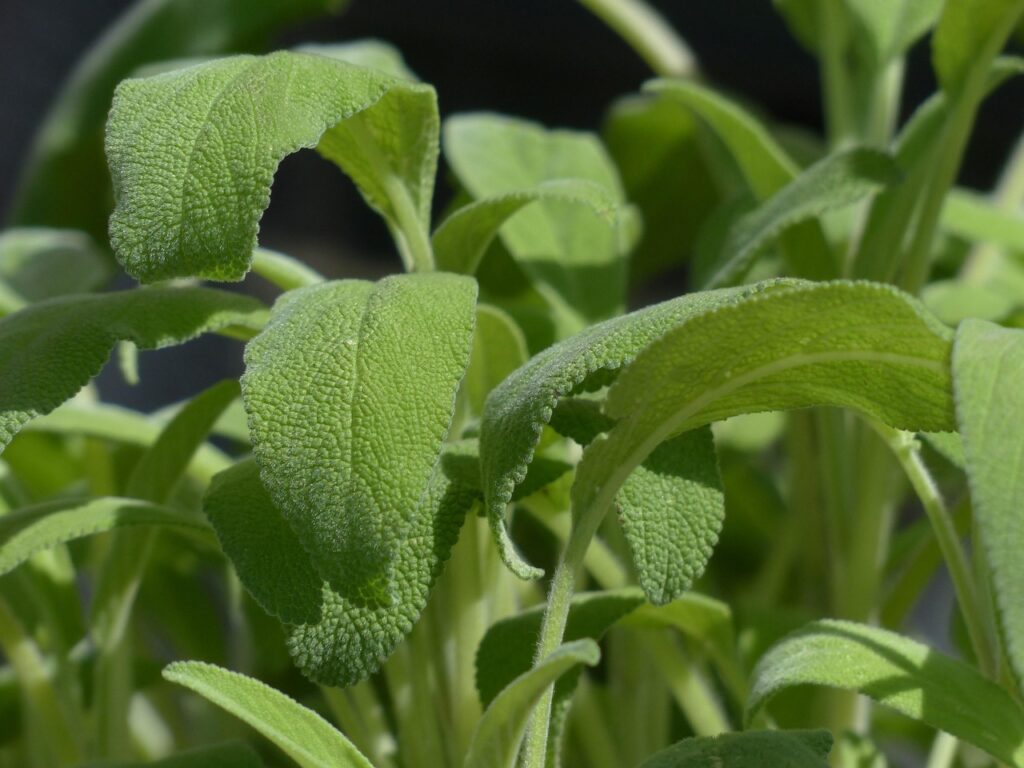
Sage is more than just a culinary herb. As a bonsai companion, it brings together beauty, practicality, and ecological support in one simple plant. Its ability to thrive in similar conditions, repel pests, and enhance the visual appeal of your setup makes it a valuable addition to any bonsai space.
By thoughtfully placing and maintaining sage near your bonsai trees, you create a healthier and more engaging environment. It is a small addition that delivers meaningful benefits, both for your plants and your overall gardening experience.