

Learning how to overwinter a bonsai is essential for keeping your tree healthy and thriving year after year. While bonsai trees are miniature in size, they are still real trees that experience seasonal changes, including dormancy during winter.
Overwintering a bonsai correctly ensures that your tree survives cold temperatures without suffering damage to its roots, branches, or overall structure. Whether you are dealing with mild winters or colder climates, understanding the right techniques will make all the difference.
Understanding dormancy in bonsai trees
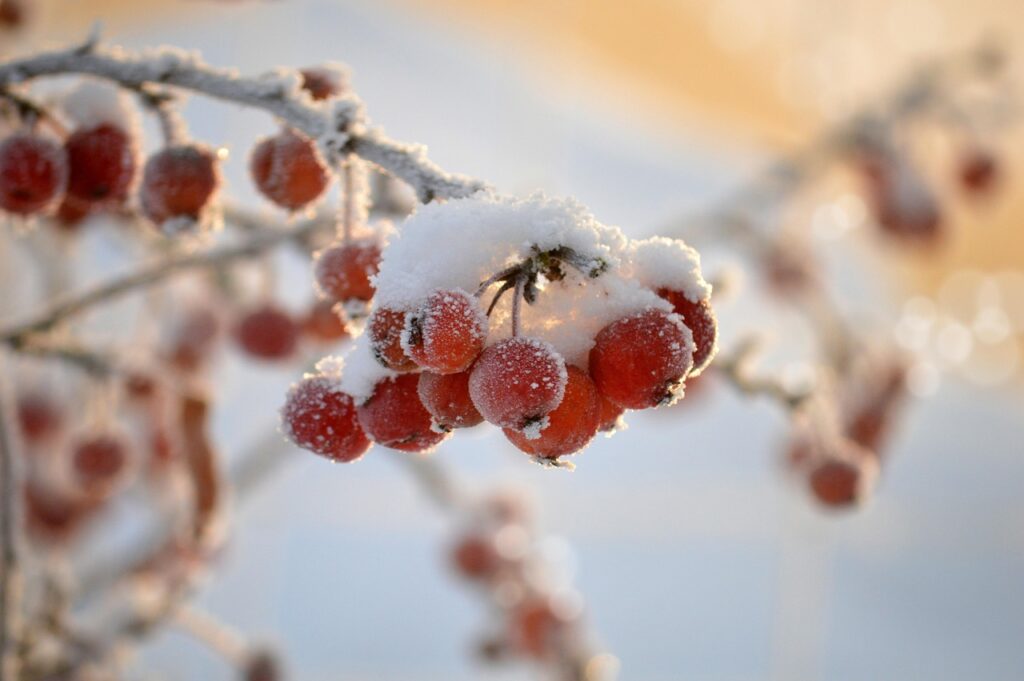
To successfully overwinter a bonsai, it is important to understand the concept of dormancy. Many bonsai species, especially deciduous and temperate trees, require a period of rest during winter to reset their growth cycle.
During dormancy, the tree slows down its metabolic processes. Leaves may fall, growth stops, and energy is conserved within the roots and trunk. This is a natural and necessary phase that prepares the tree for strong growth in spring.
Trying to keep a bonsai actively growing during winter can be harmful. Without proper dormancy, the tree may weaken over time, becoming more susceptible to pests, diseases, and poor development.
However, not all bonsai trees behave the same way. Tropical species, for example, do not require dormancy and should be protected from cold temperatures rather than exposed to them.
Preparing your bonsai for winter
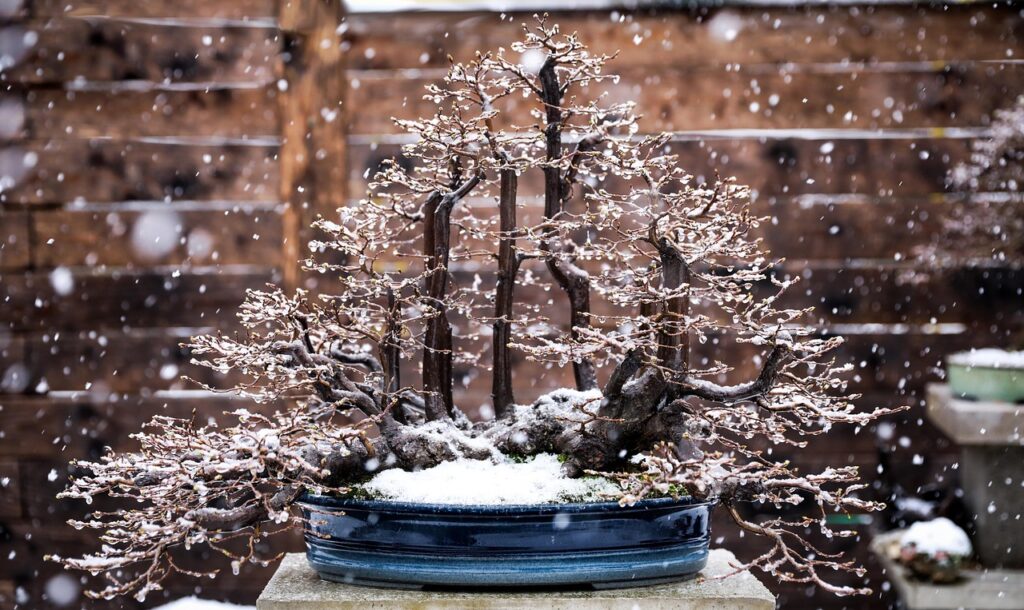
Preparation is key when you plan to overwinter a bonsai. As temperatures begin to drop, you should start adjusting your care routine to help the tree transition into dormancy.
Watering should be reduced, but not stopped. The soil should remain slightly moist, as completely dry soil can damage the roots. At the same time, overwatering can lead to root rot, especially in colder conditions.
Fertilising should also be stopped in late autumn. Feeding the tree during dormancy can disrupt its natural cycle and lead to weak growth. Instead, allow the tree to rest and conserve its energy.
Pruning should be minimal during this period. Heavy pruning can stress the tree, so it is best to limit any shaping to light maintenance if necessary.
Best methods to overwinter a bonsai
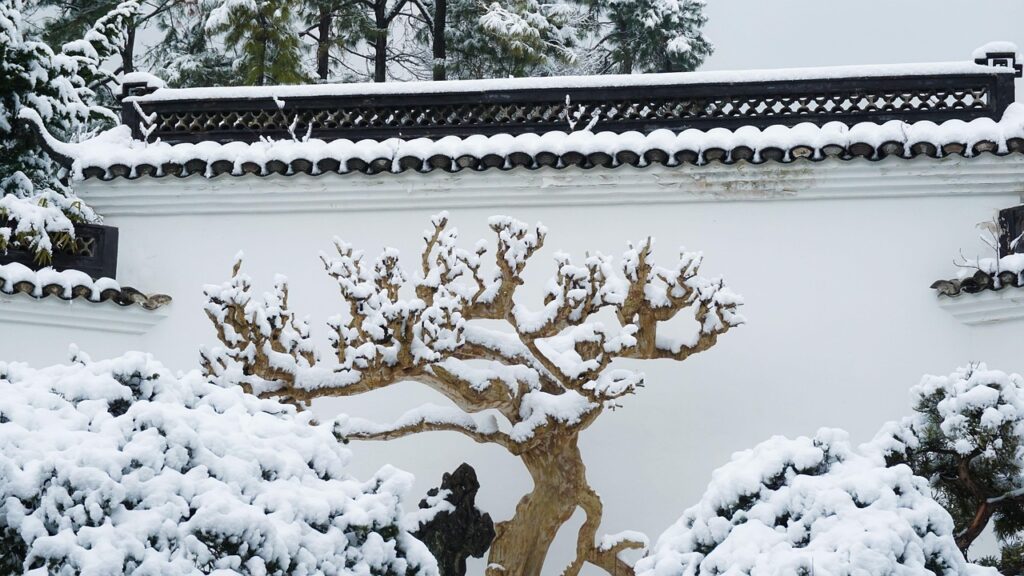
There are several ways to overwinter a bonsai, depending on your climate and the species of your tree. The goal is to protect the roots while still allowing the tree to experience natural seasonal changes.
Outdoor overwintering is suitable for hardy species. Placing the bonsai in a sheltered location, such as against a wall or under a bench, can protect it from harsh winds and extreme cold.
For colder regions, additional protection may be needed. This can include burying the pot in the ground, using mulch, or placing the tree in an unheated garage or greenhouse.
Here are some effective methods to overwinter a bonsai:
- Place the bonsai in a sheltered outdoor area
- Bury the pot in the ground to insulate roots
- Use mulch or straw for added protection
- Move the tree to an unheated garage or shed
- Use a cold frame or greenhouse for controlled conditions
- Protect from strong winds and frost exposure
Each method aims to maintain a stable environment that prevents extreme temperature fluctuations.
Common mistakes when overwintering bonsai
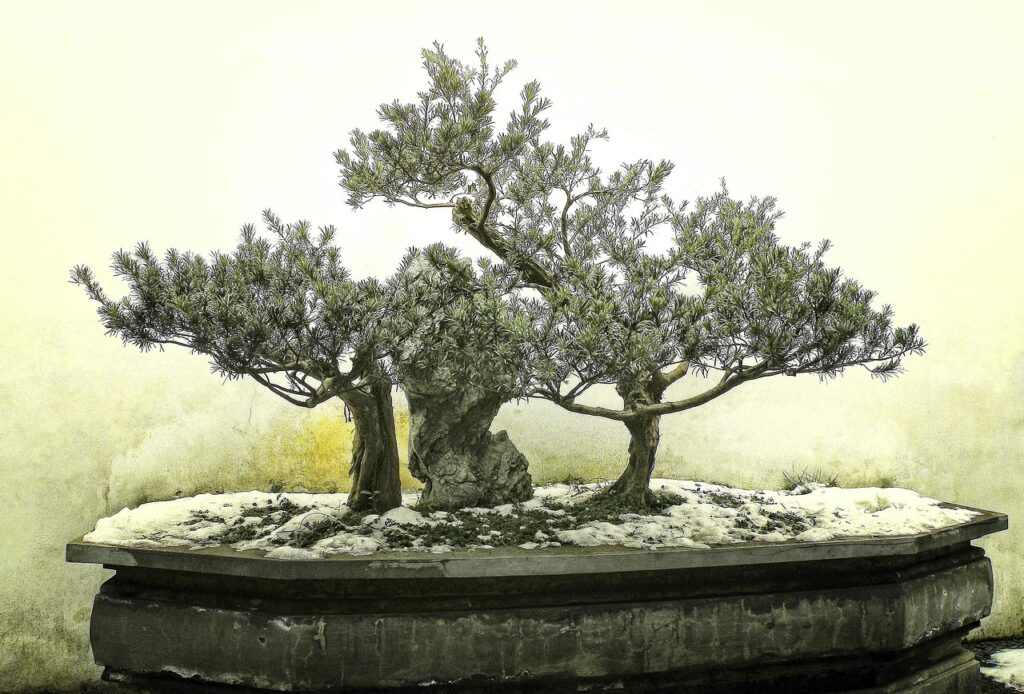
One of the biggest mistakes when trying to overwinter a bonsai is exposing it to indoor conditions that are too warm. Heated environments can break dormancy prematurely, leading to weak and uneven growth.
Another common issue when you overwinter a bonsai is neglecting watering. Even during dormancy, bonsai trees still require moisture. Allowing the soil to dry out completely can cause serious damage to the root system.
Overprotection can also be a problem. While it is important to shield the tree from extreme cold, it still needs exposure to natural winter conditions. Completely isolating it can disrupt its seasonal cycle.
Ignoring species-specific needs is another mistake. Different bonsai trees have different requirements, and understanding these differences is crucial for successful overwintering.
A strong return in spring begins in winter
Successfully overwintering a bonsai sets the stage for healthy growth in the coming season. By providing the right balance of protection and natural exposure, you ensure that your tree emerges from dormancy strong and ready to thrive.
Winter may seem like a quiet time for bonsai, but it is one of the most important periods in the tree’s life cycle. The care you provide now directly impacts its health and development in the months ahead.
Take the time to understand your bonsai’s needs, adjust your care routine, and create a suitable environment. Your efforts during winter will reward you with a vibrant, resilient tree when spring arrives.