
Winter can be one of the most misunderstood seasons when it comes to bonsai care. Many beginners assume that because growth slows down, watering should stop or be drastically reduced. In reality, bonsai winter watering is one of the most critical aspects of keeping your tree healthy during dormancy.
Understanding how water needs change in colder months will help you avoid two of the biggest dangers in winter: overwatering and dehydration. With the right approach, your bonsai can emerge from winter strong and ready for the growing season ahead.
Why bonsai winter watering is different
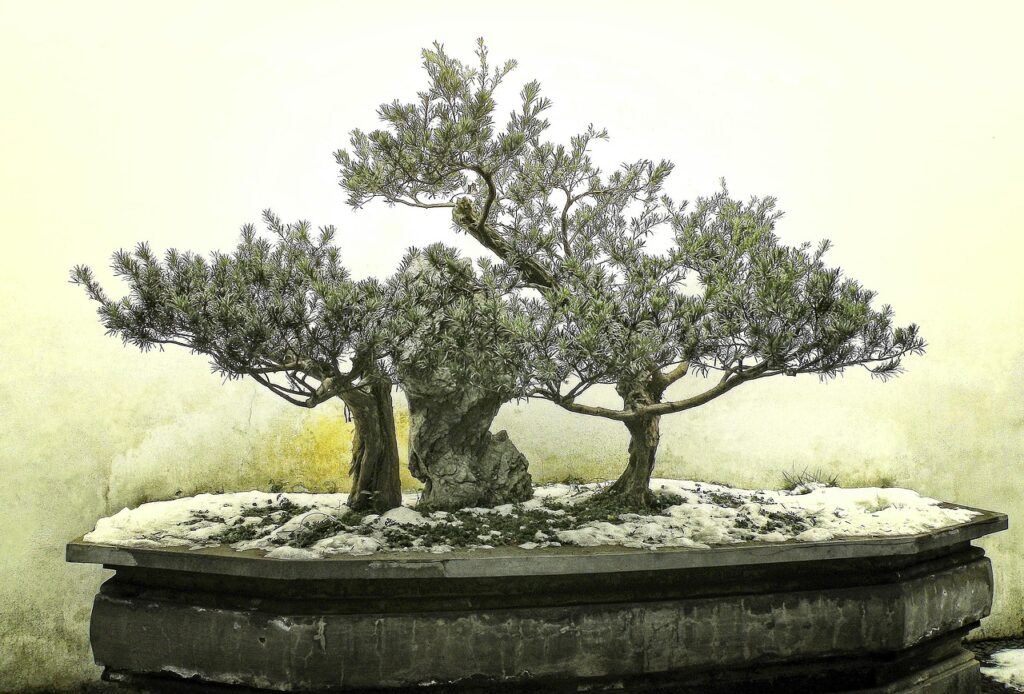
During winter, most bonsai trees enter a dormant phase. This means their growth slows significantly, and their water uptake decreases. However, this does not mean they stop needing water altogether.
Because temperatures are lower and evaporation rates drop, soil tends to stay moist for longer. This is where many bonsai owners go wrong. Watering on a fixed schedule, as you might in summer, can lead to waterlogged roots and root rot.
At the same time, cold air, wind, and indoor heating can dry out soil faster than expected. This creates a delicate balance where careful observation becomes more important than routine.
How often should you water bonsai in winter?
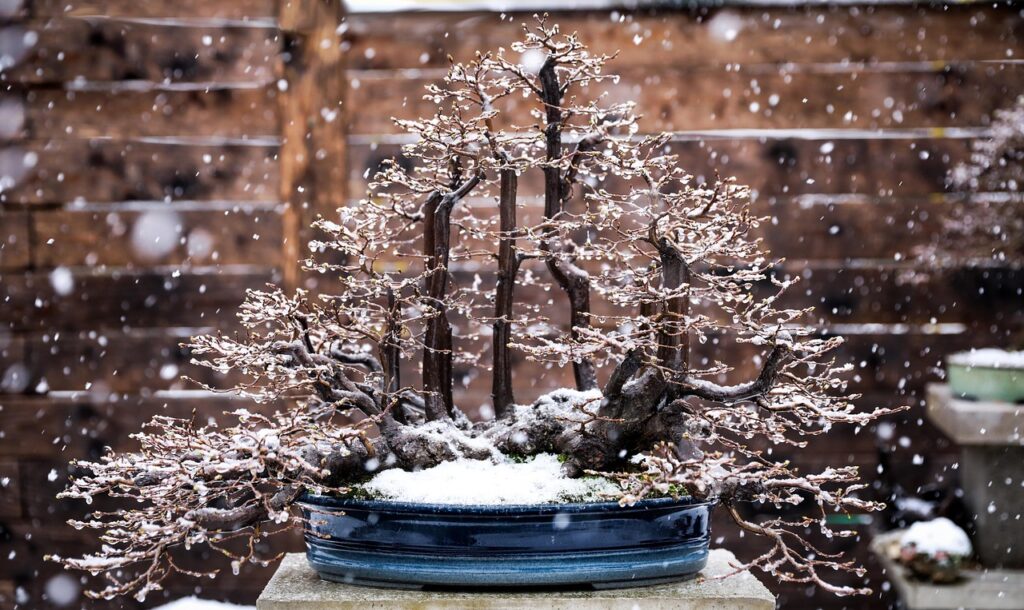
There is no one-size-fits-all answer to bonsai winter watering, as frequency depends on several factors such as species, location, and climate. However, the key principle remains the same: water only when needed.
Start by checking the soil regularly when it’s time for bonsai winter watering. Insert your finger about 1 to 2 cm into the soil. If it feels dry at that depth, it is time to water. If it still feels moist, wait another day or two before checking again.
Outdoor bonsai typically require less frequent watering due to natural humidity and lower evaporation. Indoor bonsai, especially those near heaters, may need more attention as the air can become very dry.
Signs your bonsai needs water in winter
Learning to read your tree is essential during the colder months. Instead of relying on a schedule, look for visual and physical cues that indicate when bonsai winter watering is necessary:
- Dry soil beneath the surface
- Leaves or needles becoming dull or brittle
- Soil pulling away slightly from the edges of the pot
- Lighter pot weight when lifted
These signs help you respond to your tree’s needs rather than guessing, making your bonsai winter watering routine far more effective.
Best practices for bonsai winter watering
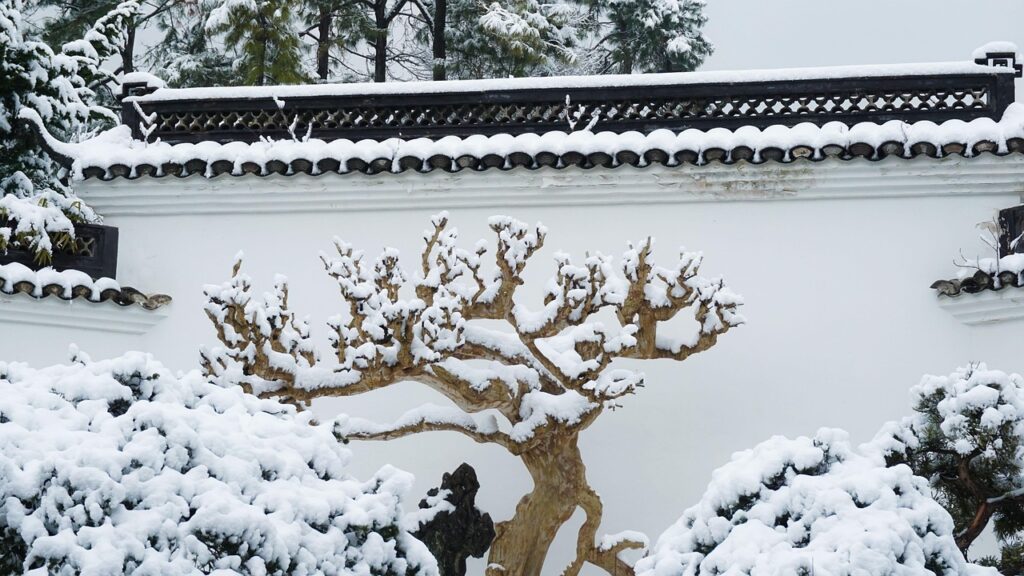
Correct bonsai winter watering is not just about frequency but also about technique. Applying water properly ensures that the roots receive adequate moisture without becoming saturated.
Always water thoroughly when you do water. This means soaking the soil until water drains from the bottom of the pot. Shallow watering can leave parts of the root system dry, which can stress the tree.
Try to water during the warmer part of the day, especially for outdoor bonsai. This reduces the risk of water freezing in the soil overnight. Using room-temperature water can also help prevent shock to the roots.
Ensure your pot has proper drainage. Good drainage is essential year-round but becomes even more important during winter when excess water takes longer to evaporate.
Indoor vs outdoor bonsai watering in winter
Indoor and outdoor bonsai behave very differently during winter, and your watering approach should reflect this.
Outdoor bonsai, particularly deciduous species, are adapted to cold conditions and natural dormancy. They usually require less frequent watering but should never be allowed to dry out completely.
Indoor bonsai, often tropical species, continue to grow slowly even in winter. Because indoor environments are warmer and drier, these trees may need more frequent watering. Monitoring humidity levels can also help maintain a healthy balance.
Placement plays a major role. Bonsai near windows may dry out differently compared to those near heaters or air vents, so adjust your watering accordingly.
Avoiding common winter watering mistakes
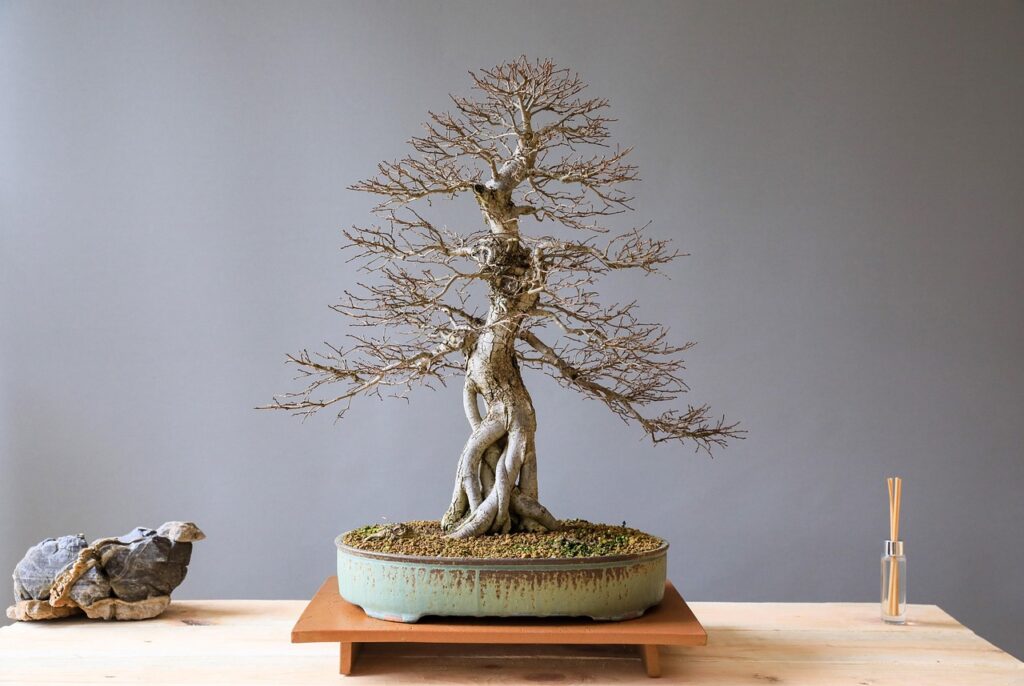
Many bonsai issues during winter can be traced back to improper watering. Understanding what not to do is just as important as knowing the correct approach.
Overwatering is the most common mistake. Keeping soil constantly wet deprives roots of oxygen and can quickly lead to rot. On the other hand, neglecting watering altogether can cause the roots to dry out, especially in windy or heated environments.
Another mistake is sticking to a strict watering schedule. Winter conditions are unpredictable, and your bonsai’s needs can change week by week. Flexibility and observation are key.
Helping your bonsai thrive through winter
Mastering bonsai winter watering is about balance. By understanding your tree’s needs, observing the soil, and adjusting your routine, you can avoid common pitfalls and support healthy root systems throughout the colder months.
Winter may slow your bonsai’s growth, but it is a vital period for rest and recovery. With the right care, your tree will be well-prepared to flourish when spring arrives, rewarding you with stronger growth and vibrant health.