

Winter dormancy is one of the most important natural survival processes for many bonsai trees. As temperatures begin dropping and daylight hours become shorter, certain bonsai species enter a resting phase designed to protect them from harsh winter conditions. During this period, growth slows dramatically, helping the tree conserve energy until warmer weather returns.
Dormancy mainly affects deciduous bonsai trees and many temperate species that naturally experience seasonal climate changes in the wild. Trees such as maples, elms, larches, and some pines rely on dormancy as part of their annual growth cycle. Without this resting phase, the long-term health and development of the tree can suffer.
For beginners, dormancy can sometimes appear alarming because bonsai trees may lose leaves, stop growing, or appear inactive for weeks or even months. However, these changes are completely normal for suitable species during winter.
Understanding how dormancy works allows bonsai owners to provide proper seasonal care while avoiding common mistakes that can stress or damage the tree during colder months.
What Happens During Winter Dormancy?

As winter approaches, bonsai trees begin slowing down internal processes such as photosynthesis, nutrient transport, and new growth production. Energy becomes stored within the roots and trunk rather than being used for active growth and leaf production.
Deciduous bonsai trees typically shed their leaves completely during this stage. Evergreen species may retain their foliage but still experience reduced metabolic activity and slower growth. This resting period helps protect the tree from cold weather, frost, and reduced sunlight availability.
The root system also becomes less active during dormancy, meaning the tree requires less water and fewer nutrients. This is one reason overwatering becomes a major risk during winter. Soil that remains constantly wet while the tree is inactive can contribute to root rot and fungal problems.
Dormancy also helps prepare the bonsai tree for healthy spring growth. By resting during winter, the tree can rebuild energy reserves that support strong budding and development once temperatures begin rising again.
Signs Your Bonsai Tree Has Entered Dormancy
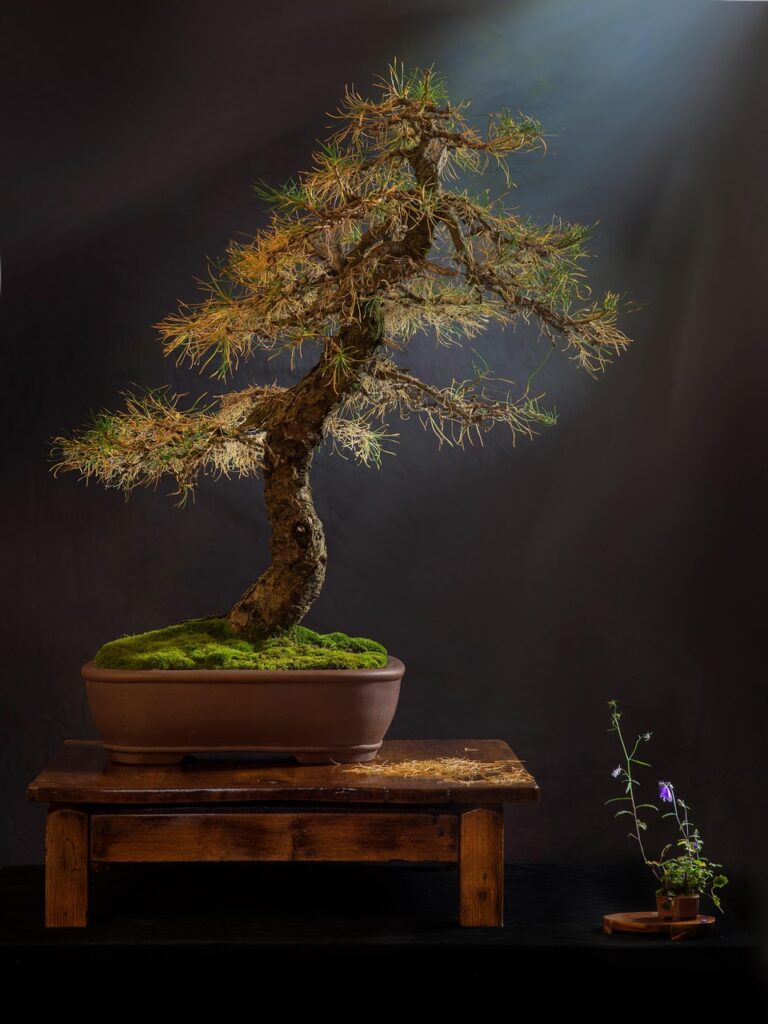
Recognising the signs of winter dormancy is important because care routines often need adjustment during this period. Many bonsai owners worry that their tree is unhealthy when it is actually behaving naturally for the season.
Several visible changes commonly indicate dormancy has begun:
- Leaf drop on deciduous species
- Slower or completely stopped growth
- Reduced water usage
- Duller foliage colour
- Hardened buds forming for spring
- Less active root development
- Increased tolerance to colder temperatures
The exact timing of dormancy varies depending on species, local climate, and weather patterns. In South Africa, dormancy periods may differ significantly between colder inland regions and milder coastal areas.
It is important not to force dormant bonsai trees back into active growth artificially unless the species specifically requires indoor winter care. Constant warmth and excessive indoor heating can interrupt natural cycles and weaken the tree over time.
Winter Care During Dormancy
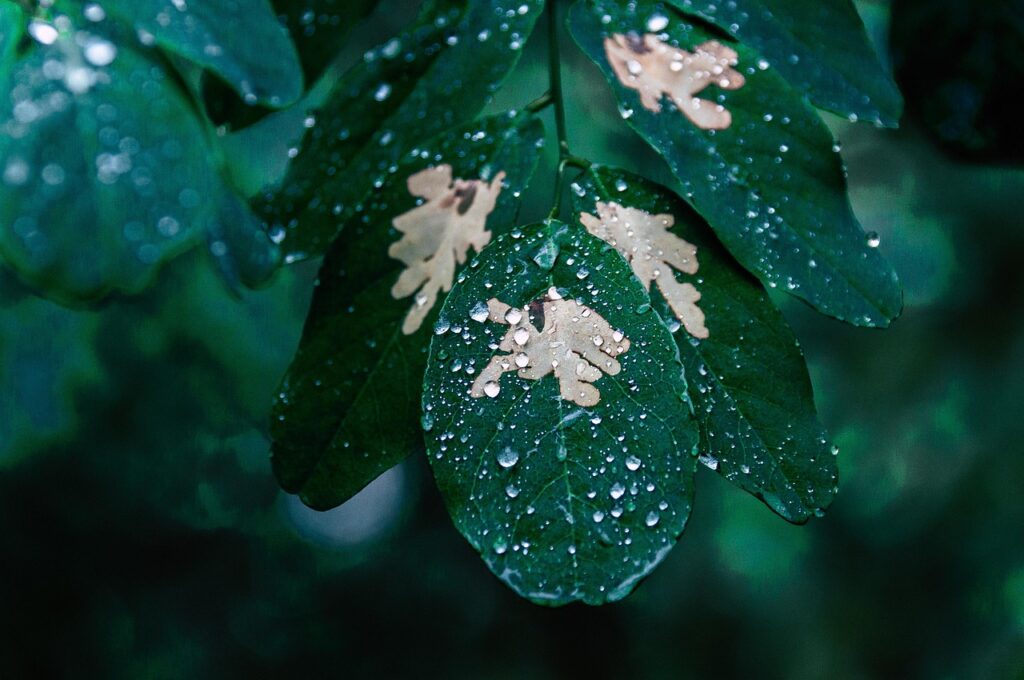
Proper winter care helps dormant bonsai trees remain healthy throughout the colder months. One of the most important adjustments involves watering. Because dormant trees use far less water, bonsai owners should avoid maintaining constantly wet soil conditions.
Watering should continue when necessary, but only after checking soil moisture levels carefully. The goal is to keep the roots slightly moist without allowing waterlogged conditions to develop.
Cold protection is another important consideration. While many temperate bonsai species tolerate winter conditions well, bonsai containers expose roots more directly to temperature extremes than trees growing naturally in the ground. Protection from severe frost, freezing winds, and sudden temperature changes can help prevent root damage.
Positioning also matters during dormancy. Outdoor bonsai trees should still receive natural light and seasonal exposure while remaining protected from harsh environmental conditions. Sheltered patios, cold frames, greenhouses, or wind-protected outdoor areas often work well for winter bonsai placement.
Fertilising should generally be reduced or paused during full dormancy because the tree is not actively growing. Heavy pruning and repotting are also typically avoided unless the species and timing specifically support those activities.
Supporting Healthy Seasonal Growth Cycles
Winter dormancy is a natural and essential part of the annual life cycle for many bonsai trees. Although dormant bonsai may appear inactive, important internal processes are still taking place that support long-term health and future growth.
By understanding dormancy and adjusting winter care routines appropriately, bonsai owners can help their trees emerge healthier and stronger when spring arrives. Patience during this resting period is often rewarded with vigorous new growth, improved structure, and better overall bonsai development in the seasons ahead.