
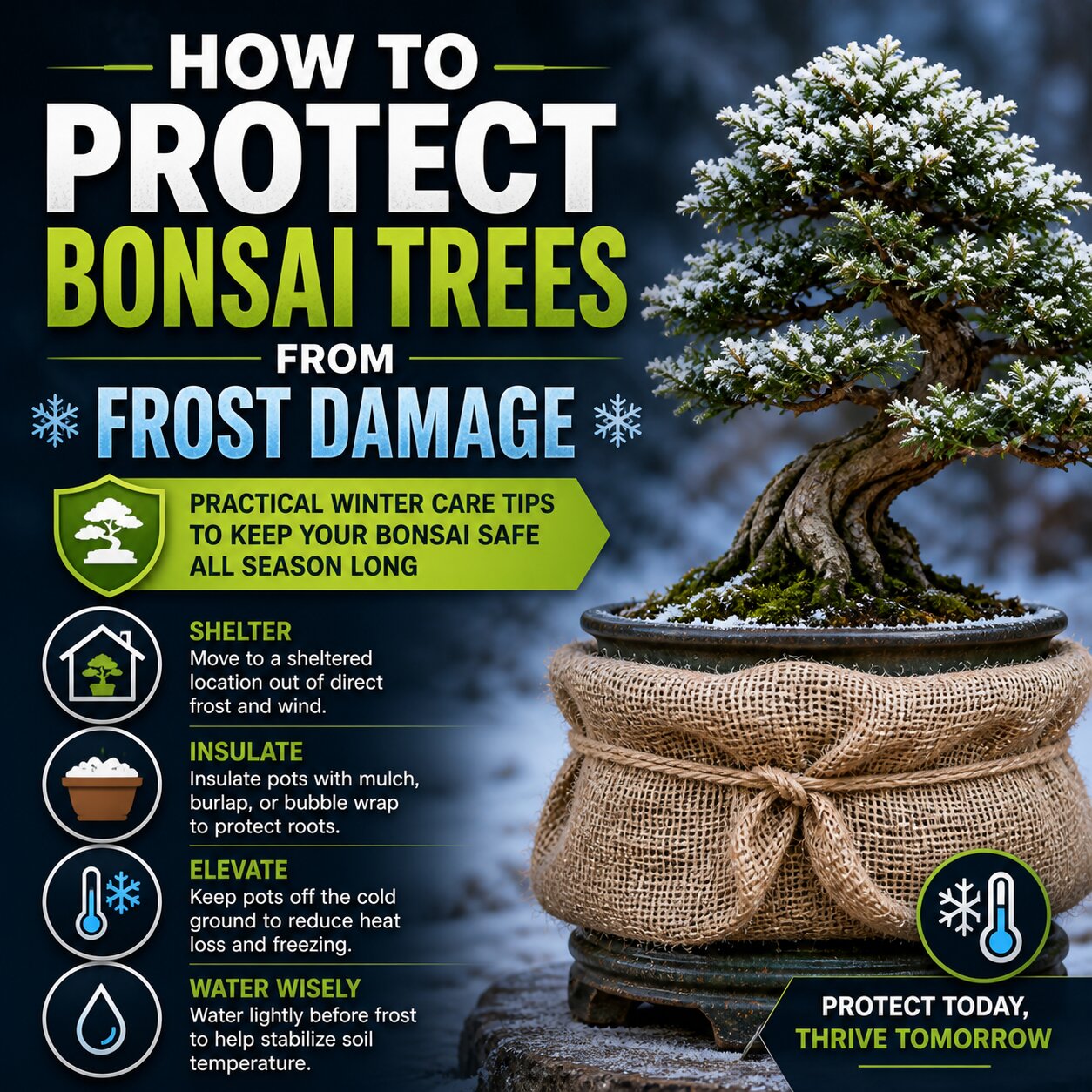
Knowing how to protect bonsai trees from frost damage is essential for maintaining their health during winter. While some bonsai species are naturally hardy, freezing temperatures can still harm roots, branches, and delicate structures if proper care is not taken.
Frost can be especially dangerous for bonsai because they are grown in shallow containers. Unlike trees in the ground, their roots have limited insulation, making them more vulnerable to sudden temperature drops.
In this guide, we explore how to protect bonsai trees from frost damage using practical techniques that ensure your trees remain safe, healthy, and ready for growth when warmer weather returns.
Why Frost Is Dangerous For Bonsai Trees
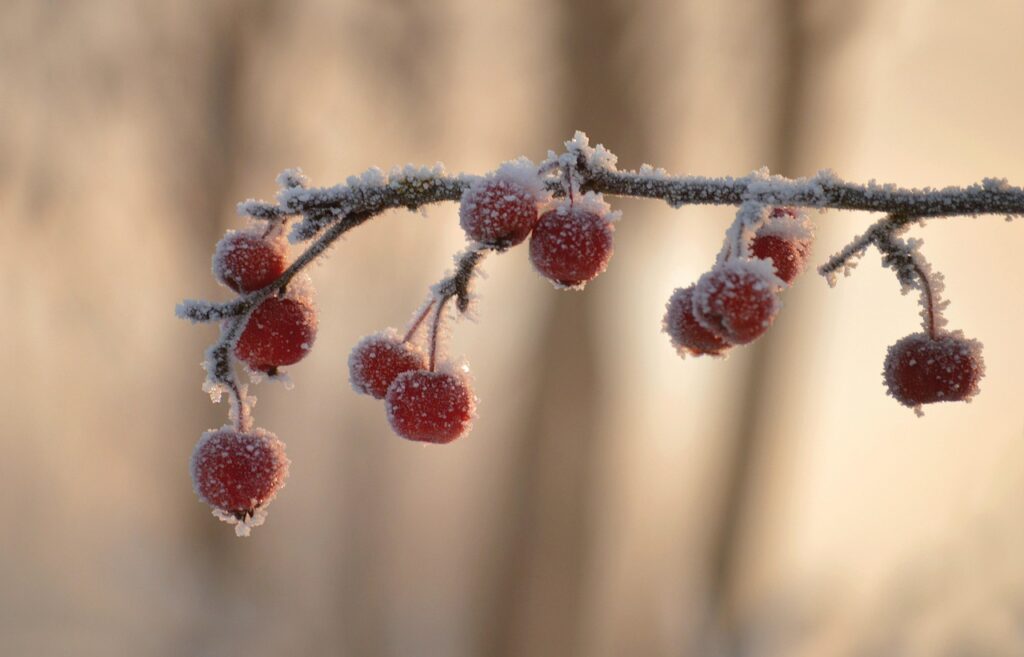
Understanding how to protect bonsai trees from frost damage in winter starts with recognising the risks. Frost forms when temperatures drop below freezing, causing water within plant tissues to freeze and expand.
This process can damage cell structures, leading to weakened branches, leaf loss, or even tree death in severe cases. Roots are particularly vulnerable because they are exposed in shallow pots without the natural insulation of soil.
Repeated freezing and thawing cycles can also cause stress. These fluctuations may crack roots, disrupt nutrient flow, and reduce the tree’s ability to recover in spring.
Different species react differently to frost. While some can tolerate cold conditions, others require protection to survive winter. Identifying your bonsai type is key to applying the right level of care.
Best Ways To Protect Bonsai Trees From Frost Damage
There are several effective methods for protecting bonsai trees from frost damage, depending on your climate and the type of tree you are caring for:
- Move bonsai to a sheltered location such as a garage, shed, or cold frame
- Elevate pots off the ground to reduce direct exposure to freezing surfaces
- Use mulch or insulation around the pot to protect roots
- Wrap pots with frost cloth, burlap, or bubble wrap
- Water lightly before frost to help stabilise soil temperature
These methods help reduce exposure to extreme cold while maintaining the natural dormancy cycle. The goal is not to keep the tree warm, but to prevent sudden and damaging temperature changes.
Consistency is important. Once you establish a protective setup, avoid moving the tree frequently, as this can create additional stress.
Choosing The Right Winter Location
Selecting the right location is a key part of how to protect bonsai trees from frost damage. The ideal environment should protect the tree from extreme cold while still allowing it to experience natural seasonal conditions.
Outdoor bonsai can be placed in sheltered areas such as against walls, under benches, or in protected corners of a garden. These spots help block wind and reduce temperature fluctuations.
For more sensitive species, moving the tree into an unheated indoor space can provide additional protection. Areas such as garages or enclosed patios offer a stable environment without exposing the tree to full frost conditions.
Avoid placing bonsai in heated indoor spaces. Warm temperatures can disrupt dormancy, causing the tree to weaken over time. Maintaining a cool but stable environment is essential.
Monitoring And Maintaining Winter Protection
Protecting bonsai trees from frost damage does not end with setup. Regular monitoring is necessary to ensure your tree remains healthy throughout winter.
Check soil moisture levels periodically. Even in cold conditions, bonsai trees still require some water. However, overwatering should be avoided, as it can lead to root issues in low temperatures.
Inspect your tree for signs of stress, such as discolouration or brittle branches. Early detection allows you to adjust your protection methods before serious damage occurs.
Weather conditions can change quickly, so staying informed about temperature drops helps you respond in time. Adjusting protection during extreme cold spells can make a significant difference.
Consistent care and observation are key to successfully managing winter conditions and protecting your bonsai trees from frost damage.
Keeping Your Bonsai Safe Through Winter
Learning how to protect bonsai trees from frost damage ensures your trees remain strong and ready for the growing season ahead. With the right preparation and care, winter becomes a manageable phase rather than a threat.
By understanding the risks, applying protective techniques, and maintaining a stable environment, you can safeguard your bonsai against even harsh conditions. Each step you take contributes to the long-term health and resilience of your tree.
For bonsai enthusiasts, winter care is an important part of the journey. Protecting your tree during colder months ensures it continues to thrive and develop for years to come.