

Winter can be one of the most challenging seasons for bonsai enthusiasts. Shorter days, weaker sunlight, and colder conditions can all impact the health of your trees. This leads many growers to ask: should you use grow lights for bonsai in winter?
The answer depends on your bonsai species, location, and how much natural light your trees receive. While some bonsai thrive in dormancy, others struggle without consistent light. Understanding when and how to use grow lights can make a significant difference in maintaining healthy trees through winter.
Let’s explore whether grow lights are necessary and how to use them effectively.
Why Winter Light Is a Problem for Bonsai Trees
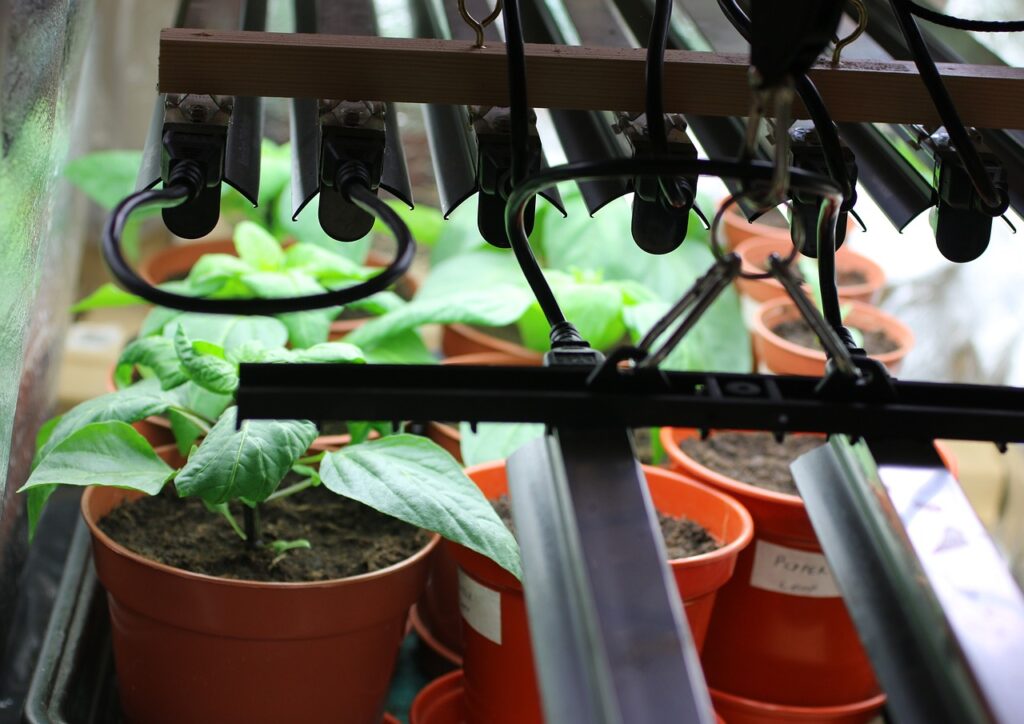
During winter, daylight hours decrease significantly, and the intensity of sunlight drops. For bonsai trees, especially those kept indoors, this can result in insufficient light for normal biological processes.
Photosynthesis slows down when light levels are low. This can weaken the tree over time, leading to pale leaves, reduced growth, and increased vulnerability to pests and disease. Tropical and subtropical bonsai species are particularly affected, as they do not enter full dormancy like temperate trees.
Even placing bonsai near windows may not provide enough light during winter. Factors like cloudy weather, window direction, and indoor placement all reduce available sunlight.
This is where grow lights become a practical solution for maintaining consistent light levels.
When Grow Lights Are Necessary
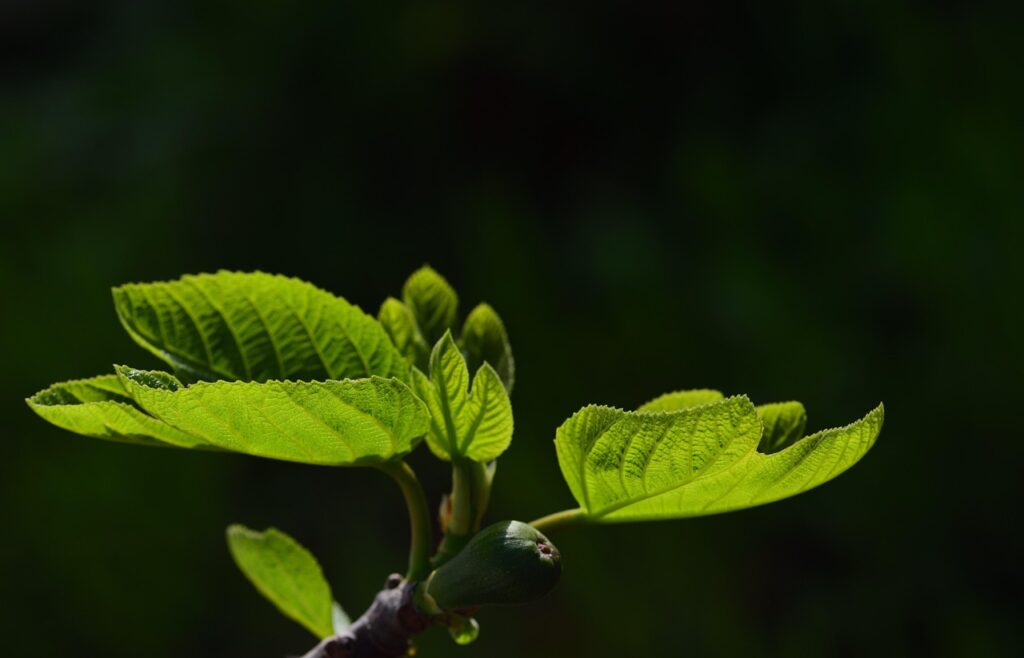
Not all bonsai trees require grow lights in winter. Outdoor temperate species such as junipers, pines, and maples typically enter dormancy and do not need additional light. In fact, interfering with their natural cycle can be harmful.
However, indoor bonsai species like ficus, jade, and Chinese elm often continue growing during winter. These trees rely on steady light conditions to stay healthy and active.
If you notice signs such as leaf drop, leggy growth, or fading colour, your bonsai may not be getting enough light. In these cases, grow lights can help maintain balance.
Grow lights are especially useful in homes with limited natural light or in regions with long, dark winters.
Types of Grow Lights for Bonsai
Choosing the right grow light is essential for effective winter care. Not all lights provide the spectrum needed for plant growth.
LED grow lights are the most popular option for bonsai. They are energy-efficient, long-lasting, and provide a full spectrum of light that supports healthy growth. They also produce less heat, reducing the risk of drying out your bonsai.
Fluorescent lights are another option, particularly for smaller setups. They are more affordable but less powerful than LEDs, making them better suited for small collections.
Full-spectrum grow lights are ideal, as they mimic natural sunlight. This ensures your bonsai receives the wavelengths needed for photosynthesis and overall health.
How to Use Grow Lights Effectively
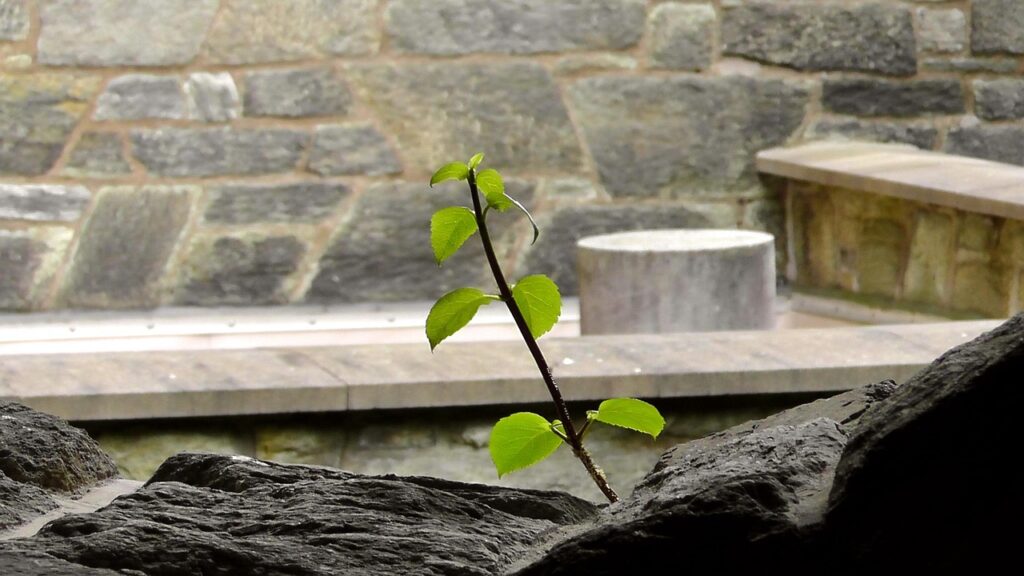
Using grow lights correctly is just as important as choosing the right type. Improper use can stress your bonsai rather than help it.
Position the grow light above your bonsai, typically 20 to 40 cm away, depending on the light’s strength. This ensures even coverage without overheating the tree.
Timing is also important. Most bonsai benefit from 8 to 12 hours of light per day during winter. Using a timer can help maintain consistency and prevent overexposure.
Avoid placing grow lights too close, as excessive heat or intensity can damage leaves. Monitor your bonsai regularly and adjust the setup as needed.
Consistency is key. A stable light routine helps your bonsai adapt and remain healthy throughout the colder months.
Key Tips for Using Grow Lights in Winter
- Use full-spectrum LED grow lights for best results
- Provide 8 to 12 hours of light daily
- Keep lights at a safe distance to avoid heat damage
- Use a timer for consistent light cycles
- Only use grow lights for indoor or non-dormant species
- Monitor your bonsai for signs of stress or improvement
Supporting Healthy Bonsai Through Winter
So, should you use grow lights for bonsai in winter? For indoor and tropical species, the answer is often yes. They provide the consistent light needed to maintain health when natural sunlight falls short.
For outdoor, dormant bonsai, grow lights are usually unnecessary and can even disrupt natural cycles. Understanding your tree’s needs is the most important factor in making the right decision.
By using grow lights wisely, you can protect your bonsai from winter stress and ensure they remain strong, balanced, and ready to thrive when spring returns. 🌱