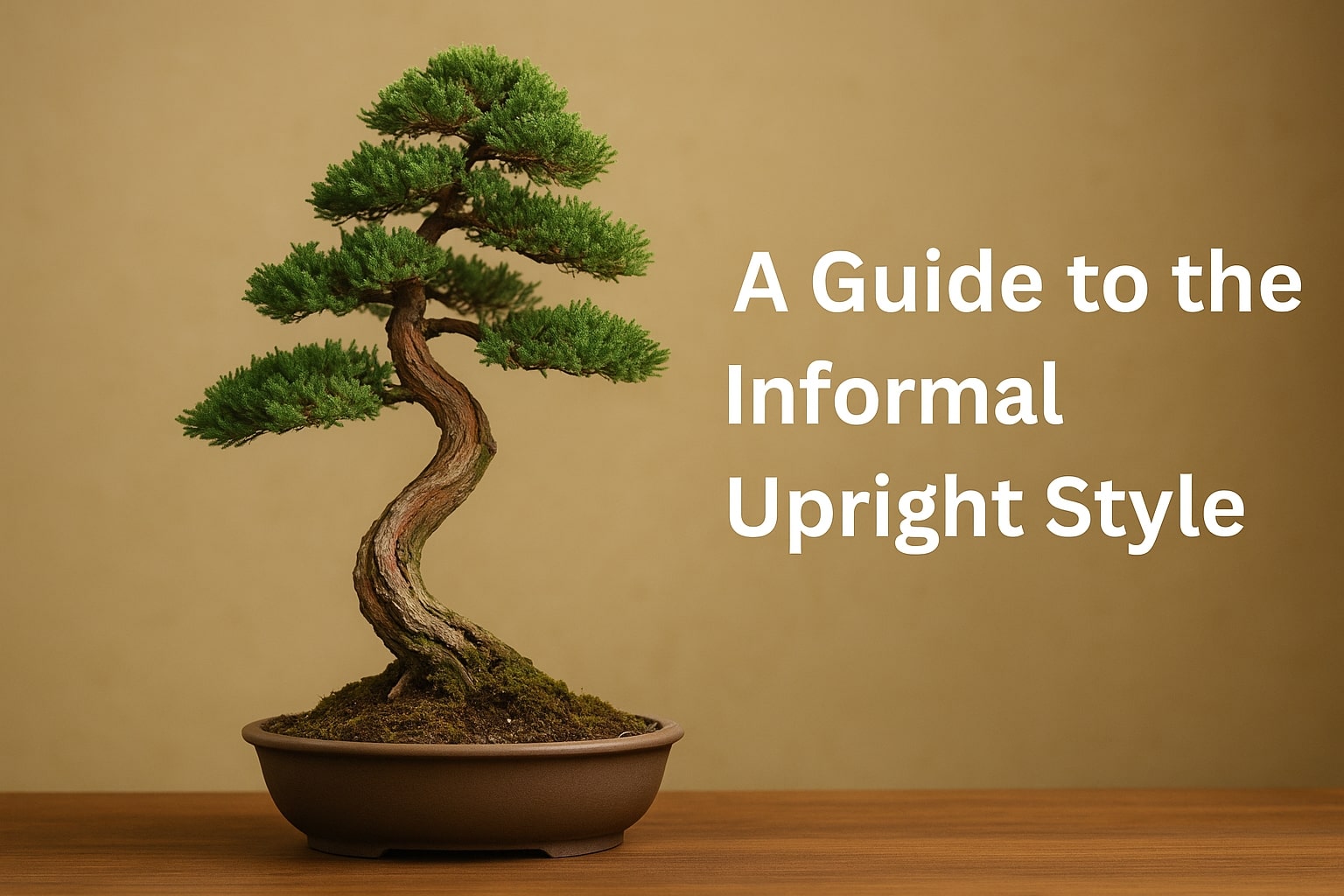
The informal upright style is one of the most beloved bonsai forms because it captures the way real trees grow in nature: graceful, balanced and shaped by wind, light and the environment around them. Unlike the rigid lines of formal bonsai shapes, the informal upright style embraces gentle curves and soft movement, making it both visually appealing and forgiving for beginners.
Many bonsai artists choose the informal upright style because it works beautifully with a wide variety of species and allows for creative expression without losing the tree’s natural character. Whether you’re shaping your very first bonsai or refining an older tree, this organic style offers endless opportunities to create depth, personality and a sense of calm, flowing movement in your design.
Table of Contents
What Is the Informal Upright Style?
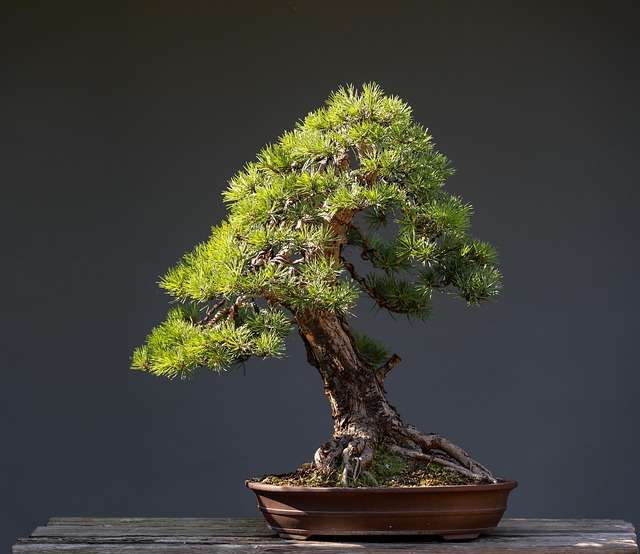
The informal upright style is a bonsai design where the trunk grows upward in a gentle, flowing line rather than in a perfectly straight vertical path. Instead of sharp bends or strict symmetry, the trunk develops soft curves that look like a tree adapting to its environment over time. These curves are usually subtle, creating a sense of movement without appearing forced or exaggerated.
In contrast to the formal upright style, which demands a straight trunk and very precise structure, the informal upright style embraces irregularity in a controlled, intentional way. The trunk still tapers naturally from base to apex, but it follows an S-shaped or lightly winding path. The apex typically sits above the base of the trunk, leaning slightly forward to create a welcoming, natural presentation. This style is meant to look like a tree growing freely in nature, shaped by weather, uneven soil or competition for sunlight.
Key Characteristics of the Informal Upright Style
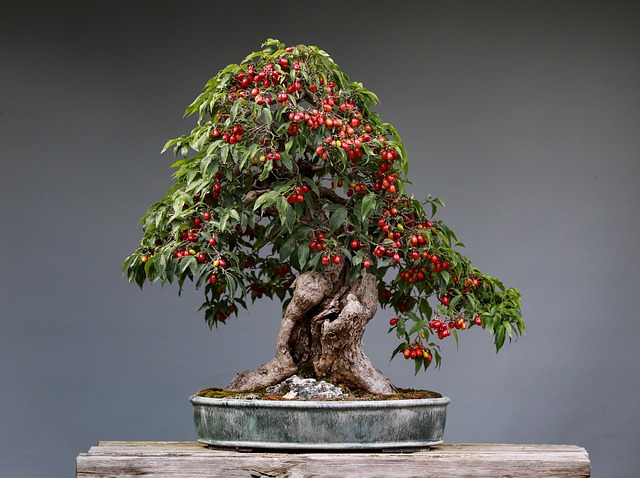
Trees shaped in the informal upright style share a set of features that make the design instantly recognisable. The most important characteristic is the gentle movement of the trunk. Rather than forming sharp angles or dramatic bends, the trunk curves softly as it rises, creating a relaxed and natural flow. These curves should feel organic, as though the tree slowly drifted in different directions while growing toward the light.
Another key feature is natural taper. The trunk should gradually become thinner as it climbs toward the apex, maintaining a smooth, uninterrupted narrowing that enhances the sense of height. Branches support the overall movement, emerging on the outside of each curve to maintain balance and visual harmony. No two branches should directly mirror each other, and the branches shouldn’t overpower the trunk: the trunk remains the star of this style.
The apex in the informal upright style usually leans ever so slightly toward the viewer, giving the tree a sense of presence and approachability. The silhouette should feel open and airy, with a well-defined structure that doesn’t look forced or overly stylised. Even the pot choice plays a role: simple, understated pots help maintain the natural look and keep attention on the tree’s gentle curves.
Best Bonsai Species for the Informal Upright Style
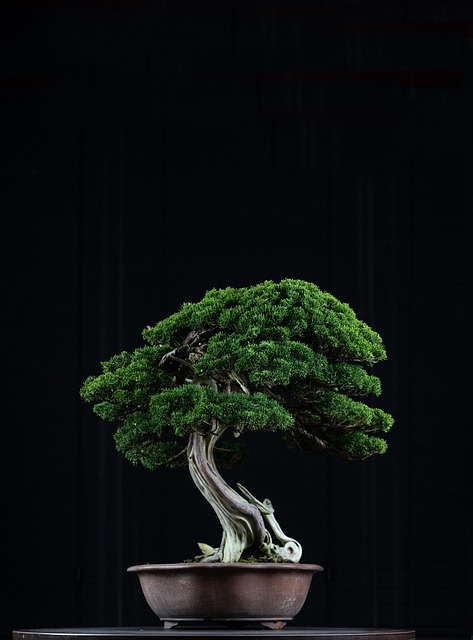
The informal upright style is incredibly versatile, which is why it works well with so many different bonsai species. Trees that naturally develop gentle curves or flexible trunks tend to be the easiest to train, but even more rigid species can adapt with the right approach. This makes the style ideal for beginners who want a tree that responds well to shaping without needing extremely precise movement.
Junipers are often considered the classic choice. Their flexible trunks and fine foliage make it easy to create soft, natural curves, and they hold their shape well once trained. Chinese elms are another favourite because they grow quickly, develop beautiful taper and are forgiving when it comes to wiring and pruning. Ficus species also work beautifully in the informal upright style, especially for indoor growers, since they tolerate frequent shaping and naturally develop attractive trunk movement.
Pines and maples can also be trained successfully, though they require different techniques. Pines respond best to early trunk shaping while they’re still flexible, whereas maples benefit from careful pruning to encourage movement and branching structure. No matter which species you choose, the goal is the same: to create a tree that captures the relaxed, natural beauty of the informal upright style.
How to Train a Bonsai Into the Informal Upright Style
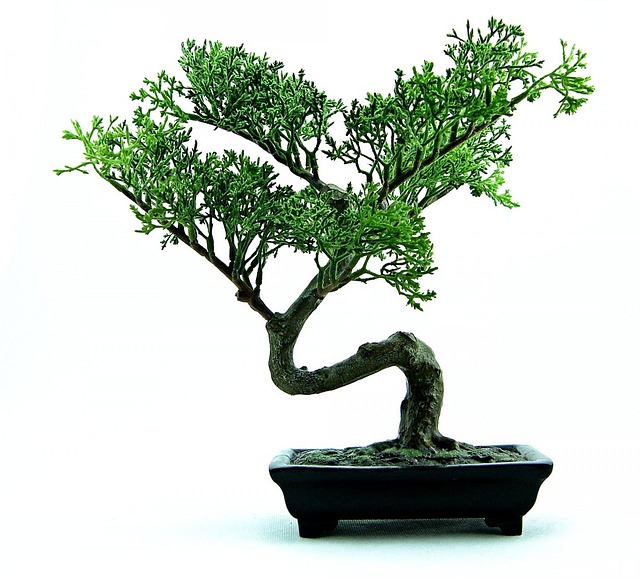
Training a bonsai into the informal upright style begins with choosing the right starter tree. Young trees with flexible trunks are ideal because they can be shaped more easily, but older pre-bonsai can also work if they already show some natural movement. The first step is establishing the core trunk line, since the trunk determines the overall flow of the style. To do this, gently wire the trunk and guide it into a soft S-shaped curve, avoiding tight or abrupt bends that look unnatural.
Once the trunk movement is set, the next goal is creating a natural taper. This typically means allowing the lower portion of the tree to thicken while keeping growth at the top more controlled. Select and position branches so that they support the direction of the trunk’s curves. Branches should emerge on the outside of each bend, helping the tree maintain balance and visual harmony. When a branch disrupts the flow or feels out of place, it’s better to remove it early than to force it into the design.
As the tree matures, wiring becomes a fine-tuning tool rather than the main shaping method. Minor adjustments help refine the silhouette and ensure that the canopy develops cleanly. Regular pruning also plays an important role. Structural pruning is done less frequently and focuses on maintaining the tree’s overall shape, while maintenance pruning keeps the foliage neat and encourages healthy growth. With patience and steady refinement, the informal upright style gradually takes form, resulting in a tree that looks both intentional and naturally elegant.
To recap the process, here are the key steps for shaping a bonsai into the informal upright style:
- Choose a young, flexible tree or a pre-bonsai with natural movement.
- Establish gentle trunk curves using careful wiring.
- Encourage natural taper by allowing the lower trunk to thicken.
- Position branches on the outside of each curve to support the tree’s flow.
- Prune regularly to refine the silhouette and maintain balance.
Common Mistakes to Avoid
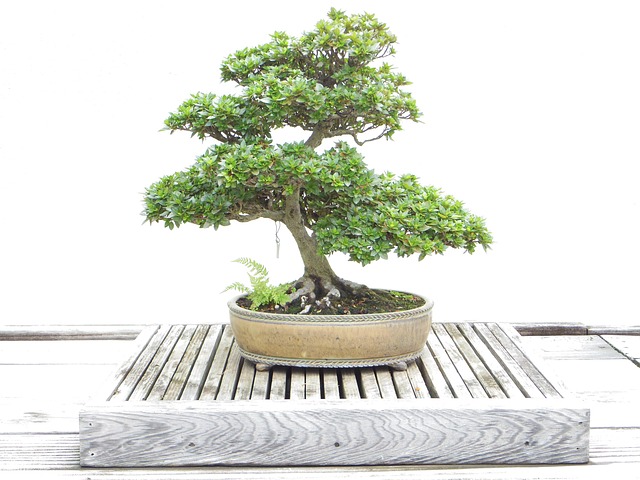
When working with the informal upright style, it’s easy to accidentally create shapes that look artificial or unbalanced. One of the most common mistakes is forcing the trunk into exaggerated curves. While the style does rely on movement, the bends should always appear gentle and natural. Strong or frequent curves can make the tree look stylised rather than organic, which goes against the subtle flow that defines this style. Another common issue is placing curves too close together, creating a “zig-zag” effect that disrupts the smooth line of the trunk.
Taper is another area where beginners often struggle. If the trunk thickens higher up or remains the same width throughout, the tree will look stiff and top-heavy. This usually happens when the apex grows too vigorously while the lower branches are left underdeveloped. Allowing the lower trunk to strengthen while controlling the upper growth helps maintain the natural taper essential to the informal upright style.
Branch placement can also cause problems. Branches that emerge on the inside of a curve or grow in the same direction as the trunk can interrupt the flow of the design. Similarly, an apex that leans backward instead of slightly forward can make the tree seem unbalanced or distant from the viewer. Avoiding these mistakes keeps the overall structure clean and preserves the effortless, natural character that makes the informal upright style so appealing.
Long-Term Care for the Informal Upright Style
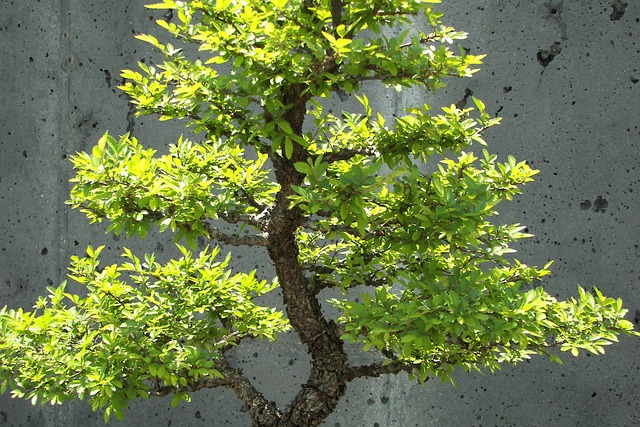
Once your tree has the basic structure in place, long-term care becomes the key to maintaining a healthy and attractive informal upright style. This style develops best when growth is monitored regularly, because the soft curves and balanced silhouette rely on steady refinement rather than dramatic changes. Light pruning throughout the growing season helps keep the canopy neat, encourages back-budding and prevents the top of the tree from becoming too dominant. Maintaining this balance ensures the trunk continues to taper naturally and the tree retains its graceful movement.
Wiring maintenance is just as important. As branches thicken, wire can bite into the bark, leaving marks that distract from the tree’s natural appearance. Checking the wiring every few weeks, and removing or adjusting it when necessary, prevents long-term damage. Over time, the tree will hold its shape with less assistance, but early attention makes a big difference in developing clean lines.
The informal upright style also benefits from seasonal care. Repotting every few years keeps the root system healthy and prevents the tree from becoming root-bound, which can slow growth and weaken the trunk. Choosing the right soil mix ensures proper drainage and strong root development, both of which support the overall structure. With regular pruning, thoughtful wiring and healthy growing conditions, the informal upright style becomes more refined each year, developing character and maturity as it grows.
Time to Grow Your Informal Upright Style Bonsai!
The informal upright style is one of the most rewarding bonsai forms to create, offering a blend of natural movement, gentle curves and relaxed elegance that mirrors how trees grow in the wild. Its flexibility makes it an excellent choice for beginners, while its subtle nuances give experienced growers plenty of room for artistic expression. With the right species, careful trunk shaping and thoughtful long-term care, this style develops beautifully over time, gaining character and maturity with every season.
Whether you’re shaping your very first bonsai or refining a tree you’ve nurtured for years, the informal upright style invites you to slow down, observe nature and create something that reflects both intention and freedom. In future guides, we’ll explore how to apply this style to specific species and dive deeper into advanced techniques to help you take your bonsai to the next level. Let your tree move naturally, follow its flow and enjoy the process: that’s what makes this style truly special.