
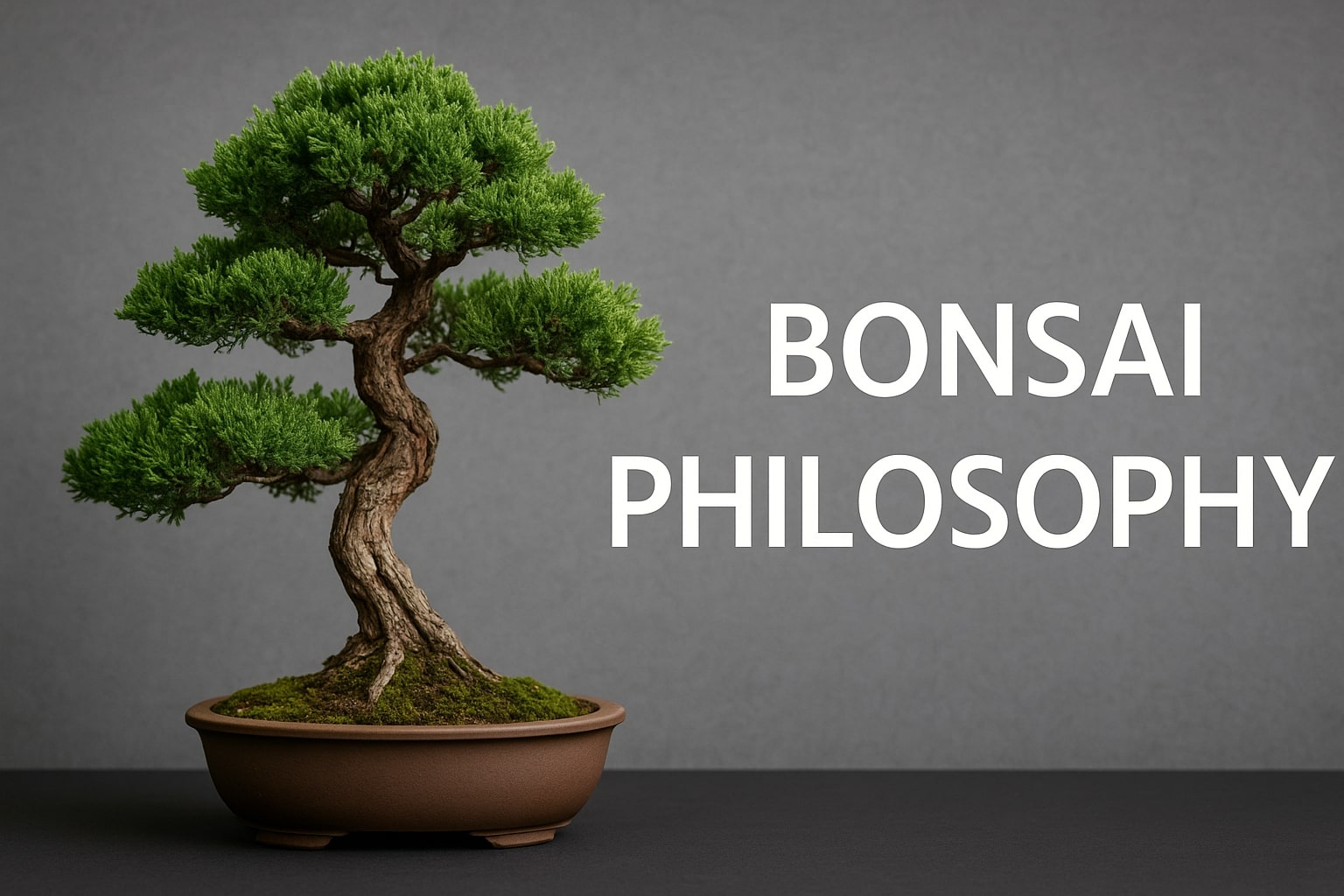
Bonsai philosophy goes beyond shaping miniature trees. It is a way of seeing nature, time and personal growth through a living form that changes every day. Growers often describe bonsai as a quiet dialogue between human intention and the natural rhythm of a tree. Understanding bonsai philosophy helps us connect more deeply with the trees we nurture and with ourselves.
Table of Contents
The roots of bonsai philosophy
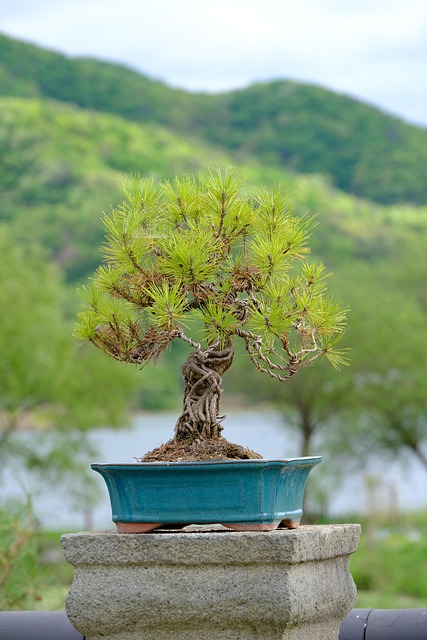
Bonsai philosophy began many centuries ago in China, later developing into the refined Japanese traditions that spread across the world. From its earliest origins, growers viewed bonsai as a reflection of harmony between humans and nature. Rather than forcing a tree into shape, the philosophy teaches cooperation. The grower guides the tree, and the tree reveals its character over time.
In Japanese thought, bonsai tree philosophy includes concepts such as simplicity, balance and appreciation of imperfection. These principles are seen in the slow shaping of branches, the seasonal shifts of colour and the acceptance that the tree will never be “finished.” A bonsai is always growing, always teaching. This is why the practice is often described as a lifelong journey rather than a hobby.
Through the philosophy of bonsai, growers learn patience and presence. Trees grow slowly and require consistent, gentle care. The pace of nature encourages the grower to slow down, observe carefully and appreciate small changes that would otherwise go unnoticed.
Bonsai as a reflection of life and mindset
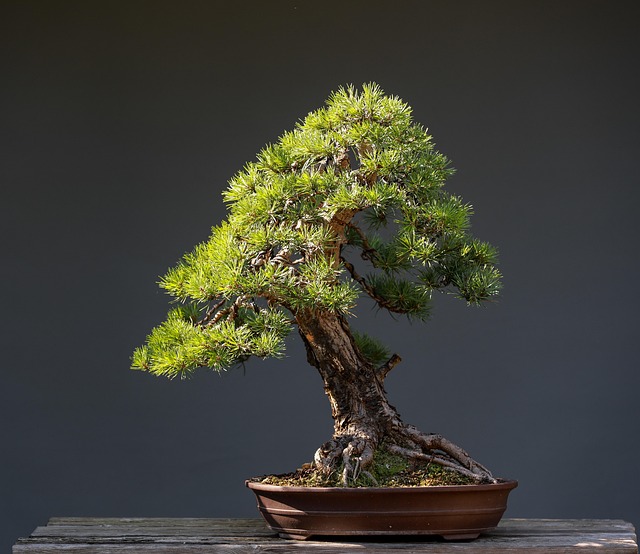
Many people embrace bonsai philosophy because it mirrors the lessons found in life. A bonsai grows through challenges, storms and seasonal changes, just as humans move through different phases of experience. Its resilience becomes a reminder of strength. Its imperfections become a reminder that beauty is found in growth rather than in perfection.
Each decision in shaping a bonsai carries meaning. Pruning reflects letting go of what no longer serves the tree. Wiring represents guidance, not control. Repotting gives roots space to grow again. These moments remind growers of balance, discipline and renewal. Bonsai philosophy encourages reflection as much as horticulture.
The rhythm of caring for a bonsai also brings calm into daily life. Watering, trimming and observing become grounding practices. Many growers find that bonsai philosophy helps reduce stress, support mindfulness and create a peaceful space for thought. The tree becomes a companion in growth, offering quiet lessons through its slow and steady development.
Bonsai philosophy across different cultures
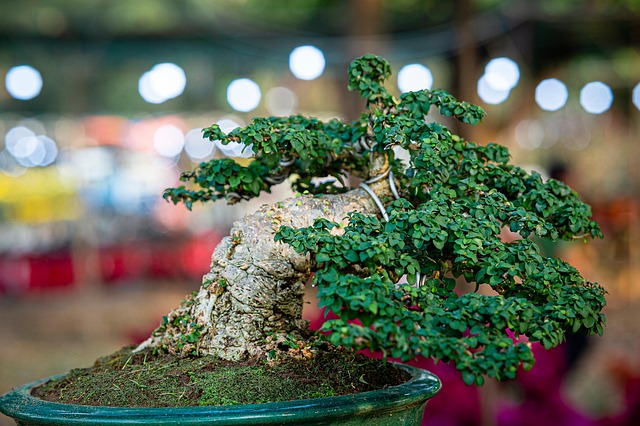
Bonsai philosophy has been shaped by several cultures over many centuries. While the practice began in China, evolved in Japan and later spread across Korea and the rest of the world, each region developed its own interpretation of what bonsai represents. These cultural perspectives influence how growers shape their trees, the symbolism they attach to them and the meaning they find in the practice.
In China, bonsai philosophy emphasises natural landscapes and storytelling. In Japan, the focus is on balance, refinement and quiet beauty. Korea highlights natural movement and symbolic growth, while Western growers often embrace creativity, mindfulness and personal expression. Each of these approaches contributes something unique to the global understanding of bonsai.
As we explore each culture in future articles, we will look deeper into how their philosophies shape the art and what each tradition teaches about the relationship between people and nature.
How bonsai philosophy shapes modern practice
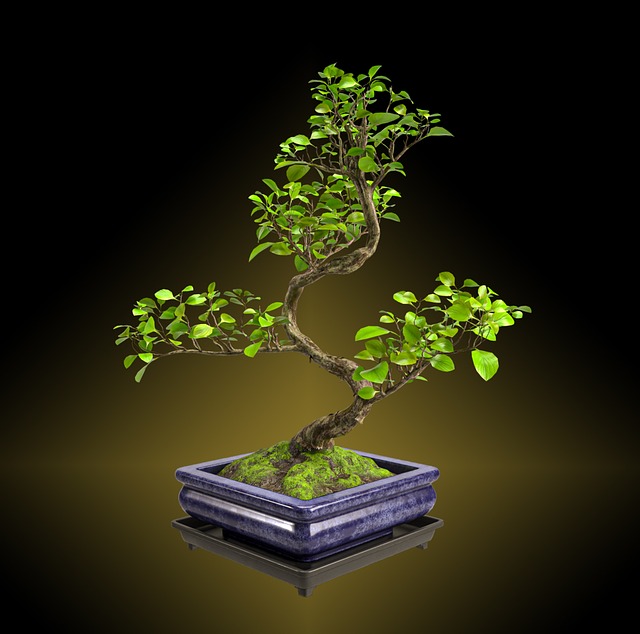
In modern bonsai, the philosophy remains as important as technique. While tools and styles have advanced, the heart of the art stays the same. Growers approach their trees with respect and patience, choosing styles that express both the natural character of the species and their own creative vision.
Bonsai philosophy also encourages sustainability. Healthy trees come from considered care, good soil, proper watering and respect for the life of the plant. This mindset supports ethical growing, long term planning and responsible stewardship of each tree.
In community spaces and clubs, bonsai philosophy fosters connection. Growers share knowledge, offer guidance and support one another’s creative ideas. The art becomes a space of cultural exchange, learning and appreciation of nature. Modern practitioners carry the tradition forward by blending classic teachings with new interpretations.
Bonsai philosophy is a path of patience and harmony
Bonsai philosophy invites us to slow down, observe and grow alongside our trees. It teaches patience, balance and gentle guidance, turning the practice into a meaningful journey rather than a simple craft. By embracing the philosophy behind the art, growers deepen their connection with nature and discover valuable lessons about life.
If you liked this short article, be sure to check out our other bonsai lore guides!