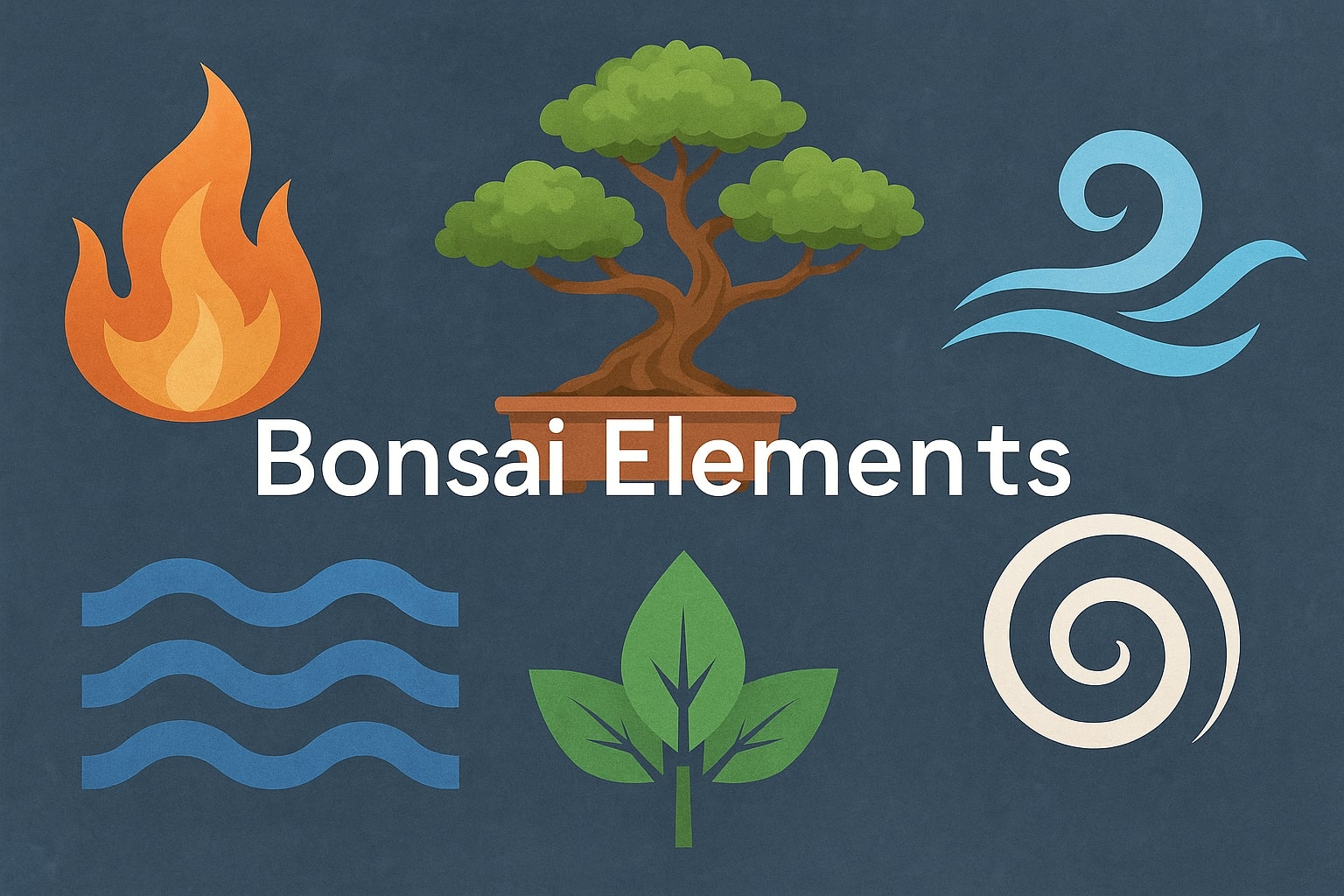
Bonsai is far more than a horticultural practice. It is an art form shaped by patience, symbolism and respect for nature’s balance. Many growers connect their trees to the classical elements of fire, water, earth, air and spirit. These bonsai elements reflect the deeper meaning behind design choices, seasonal care and the relationship between artist and tree.
While not every grower follows a spiritual approach, the elements offer a thoughtful way to understand how a bonsai lives, grows and expresses character over time.
Table of Contents
Earth: The foundation of all bonsai
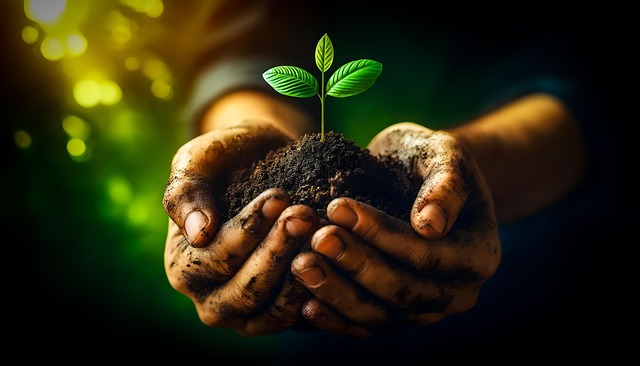
Earth represents grounding, structure and stability. In bonsai, it is the physical soil, the pot, and the roots that anchor the tree and give it strength. The quality of the soil determines how well the tree breathes, drains and absorbs nutrients. A healthy root system reflects balance in the element of earth.
Earth is also connected to patience. Bonsai grows slowly, and shaping a tree over the years teaches the grower to appreciate stillness and long-term progress. Every repotting, every new root that develops, strengthens the connection between earth and the life of the bonsai.
Water: Growth, nourishment and flow

Water symbolises flexibility, intuition and emotional movement. In bonsai care, it is one of the most vital elements. Watering must be done with awareness, as each species has different needs and reacts differently to heat, cold and rainfall.
The water element reminds the grower to stay observant. Some days require more attention, others less. Learning when to water, and how much, becomes an intuitive skill that strengthens the relationship between tree and caretaker. Water also represents the natural flow of growth. Trees adapt, respond and develop according to the nourishment they receive.
Air: Breath, movement and clarity
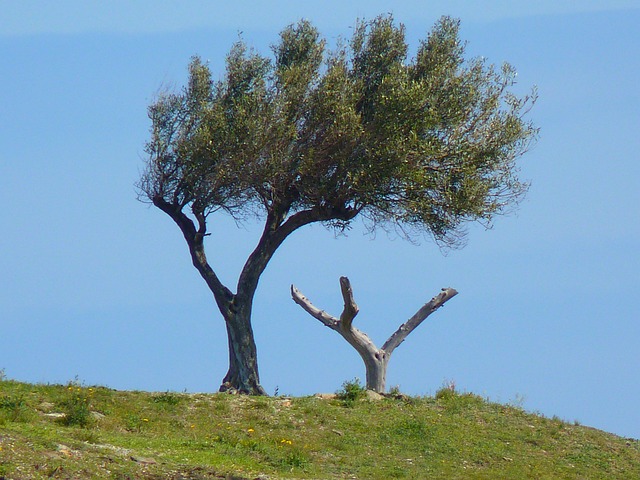
Air represents circulation and space. For a bonsai, this includes the fresh air moving through the branches, the oxygen reaching the roots, and the airflow needed to prevent pests and disease. Proper positioning of a bonsai ensures it receives light and ventilation, helping it grow stronger and healthier.
Air also connects to the aesthetics of design. The open spaces between branches, known as negative space, allow the tree’s structure to breathe. This sense of freedom and clarity gives the bonsai its natural beauty and creates harmony in its silhouette.
Fire: Energy, transformation and resilience
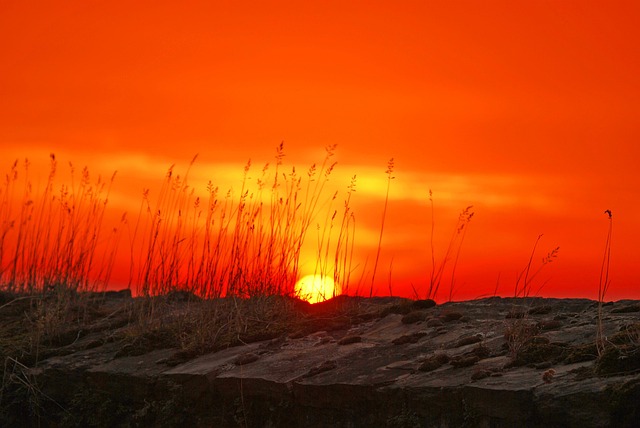
Fire symbolises passion, change and the spark of life. In bonsai, the fire element can be seen in seasonal transitions, pruning sessions, and the controlled shaping that encourages new growth. Every cut is a moment of transformation, guiding the tree toward a stronger and more defined form.
Fire also represents sunlight. Without light, no bonsai can thrive. Sun exposure fuels photosynthesis, creating energy for growth, colour and vitality. In this way, fire inspires the tree’s development and the grower’s creativity.
Spirit: Connection, intention and harmony
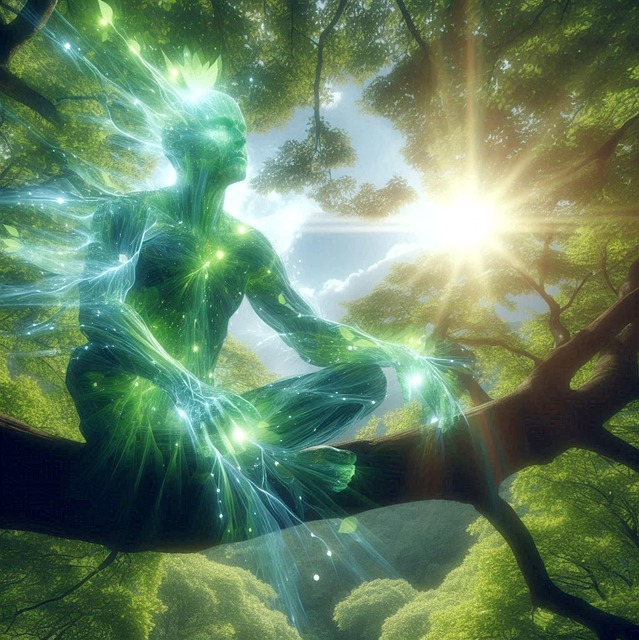
Spirit is the unseen element, the feeling that connects the grower to the tree. While the other four elements relate to physical care, spirit reflects the purpose, calm and presence the grower brings to the art of bonsai.
Spirit appears in the quiet moments of pruning, the patience needed to wait for the next season, and the joy of watching a tree develop over many years. It is the understanding that bonsai is not only about shape and technique, but about forming a living relationship with nature.
For many, spirit also represents the unity of all the elements working together. When earth, water, air and fire are in balance, the bonsai becomes a symbol of harmony and natural rhythm.
How the bonsai elements guide the artist
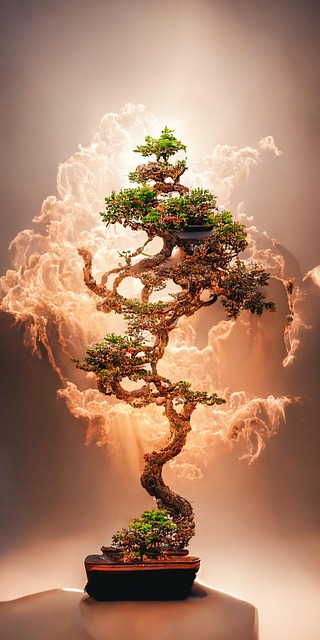
The five elements are not formal rules, but gentle principles. A grower who understands the balance between moisture, airflow, light, soil and personal intention can create healthier trees and a deeper sense of connection.
Observing the bonsai elements encourages the artist to see the tree as a complete system, where every decision affects the whole. A change in sunlight affects watering. A change in potting mix affects airflow to the roots. A change in pruning affects how energy travels through the branches. Nothing is separate.
This holistic view mirrors the philosophy that bonsai is an ongoing partnership rather than a project with an endpoint.
Bonsai elements create balance and meaning
The elements of earth, water, air, fire and spirit are woven into the life of every bonsai. They guide how the tree grows, how it is shaped, and how the artist connects with it. By understanding these bonsai elements, growers can deepen their appreciation for the natural cycles that influence their trees and create designs that feel harmonious, expressive and alive.
Be sure to check out our other bonsai lore guides!