Bonsai tools are an investment, and with proper care, they can last a lifetime. Sharp, well-maintained tools make cleaner cuts, reduce stress on your trees and make shaping work far more enjoyable. This guide explores the essentials of tool maintenance, helping you protect your equipment and keep every instrument in peak condition.
Table of Contents
Why Tool Maintenance Matters for Bonsai Growers
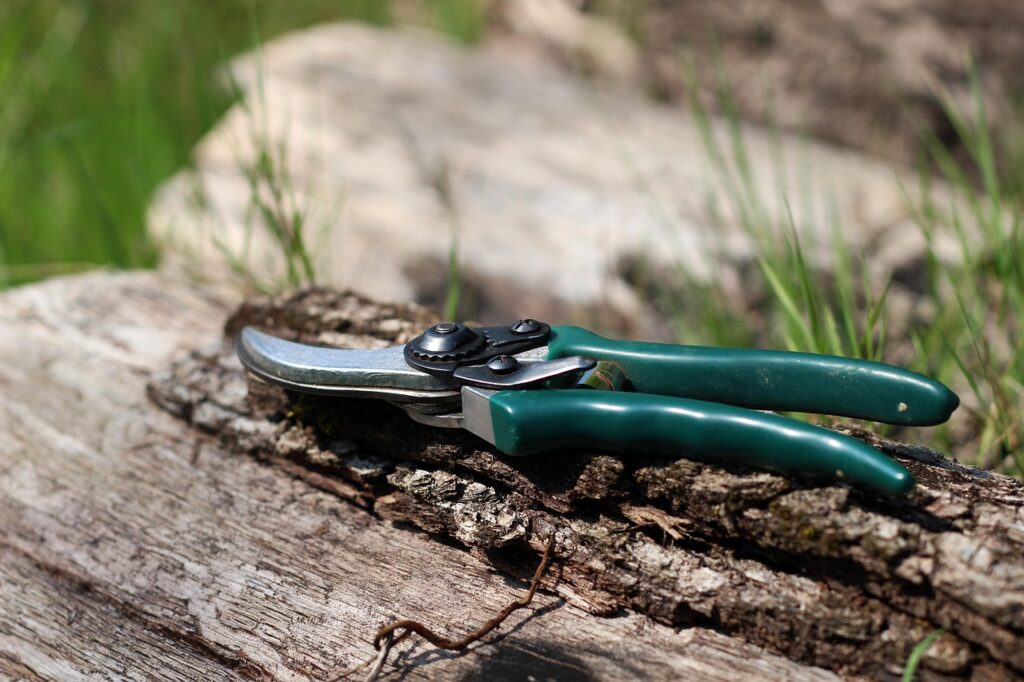
Healthy bonsai depend on clean, precise cuts that heal quickly. When tools become dull or rusty, they crush fibres instead of slicing them, which slows down healing and increases the risk of infection. Regular bonsai tool maintenance ensures each cut is smooth and controlled.
Beyond protecting your trees, caring for your equipment extends the lifespan of your tools. Quality bonsai shears, concave cutters and knob cutters are designed to last decades, but only if they are cleaned, sharpened and stored properly. With a few simple habits, you can keep them performing as well as the day you bought them.
Daily Cleaning: The First Step in Tool Care
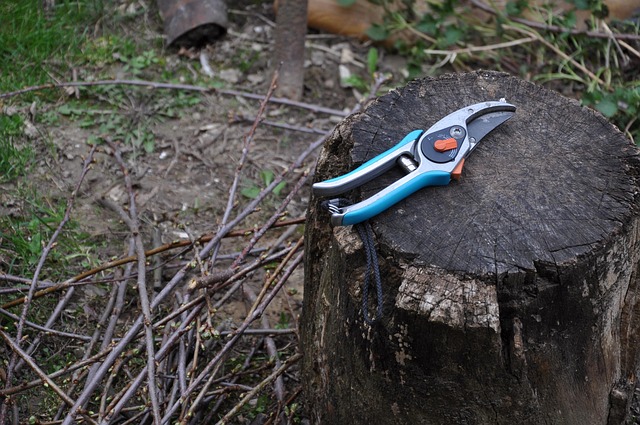
The most important part of tool maintenance is daily cleaning after each use. Sap and residue from cut branches can harden on blades, making them sticky and dull. A soft cloth, warm water and a bit of mild dish soap are enough for routine cleaning.
For tougher residue, rubbing alcohol removes sap without damaging the metal. It also sterilises the blades, which reduces the chance of transferring fungus or bacteria between trees. Once cleaned, tools should be dried thoroughly to prevent rust from forming on the surface.
Sharpening and Oiling Your Tools
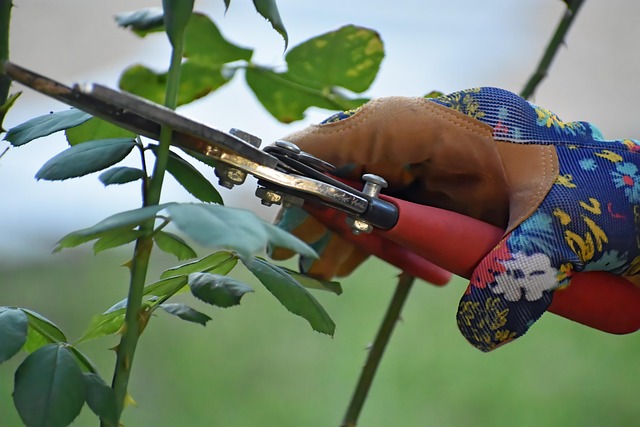
Sharpening is a key part of bonsai tool maintenance and prevents blades from crushing branches. A whetstone or sharpening block works well for most bonsai tools. Always sharpen in the direction of the blade’s angle, using slow and controlled strokes.
After sharpening, oiling the blades helps prevent rust. Camellia oil is traditionally used in Japan and forms a protective layer over the metal. Lightly oiling the pivot points also keeps shears and cutters opening and closing smoothly, reducing wear over time.
Proper Storage for Long-lasting Tools
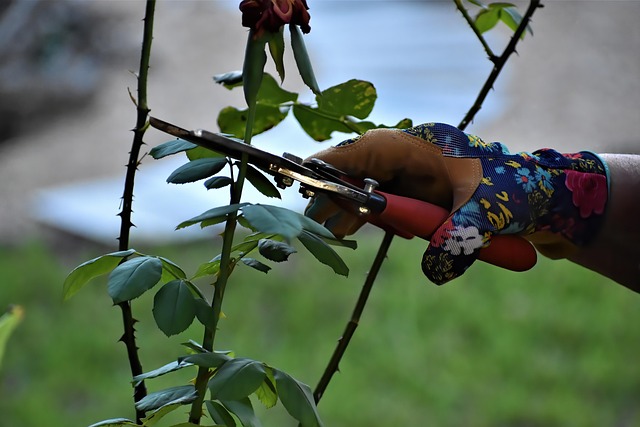
Good storage is the final piece of effective tool maintenance. Tools should never be left outdoors or stored in damp spaces. Moisture is the fastest way to cause corrosion, especially on carbon steel blades.
A dry toolbox, leather roll or dedicated drawer works well for storage. For long-term protection, many growers add moisture-absorbing packets to their toolboxes to prevent humidity from damaging metal. Keeping tools in their designated spaces also protects the blades from accidental nicks and chips.
Consistent Care Leads to Better Bonsai Work
Consistent tool maintenance gives you cleaner cuts, healthier trees and longer-lasting equipment. With simple habits like cleaning, sharpening, oiling and proper storage, your tools will stay sharp and reliable for years to come.