

Leaf identification is one of the strongest tools in bonsai learning. Shapes, textures and patterns are not random. They are the result of deep evolutionary design. By understanding how leaves work and why they look the way they do, bonsai growers gain powerful insight into species recognition and care.
This bonsarium guide explores the scientific principles behind leaf identification, forming the foundation for future species-level guides.
Table of Contents
Why Leaf Identification Matters in Bonsai
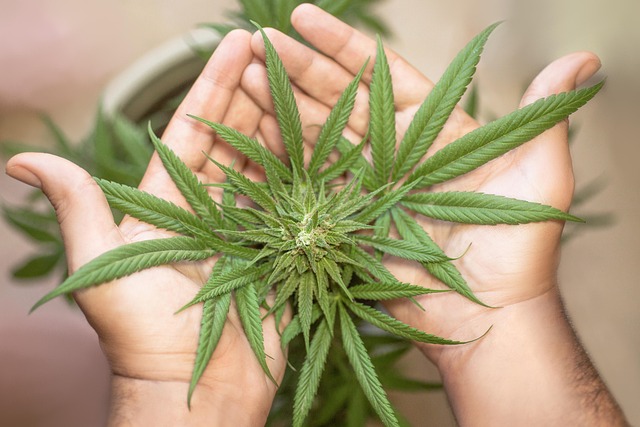
Leaves are the most visible indicators of a tree’s identity. Trunks and branches can be shaped through training, but leaves cannot be disguised. Their form reveals information about the species, the environment it prefers and how it responds to changes such as light, water and seasonal patterns. When two trees have similar bark or growth habits, the leaf often becomes the decisive feature for accurate identification.
Leaf identification helps growers make informed care decisions. Different species react differently to pruning, wiring and defoliation. Some trees produce smaller leaves naturally, while others require careful management to reduce leaf size. Understanding a tree’s leaf traits gives growers a clearer picture of what to expect during growth. This connection between identification and care is why leaf science is so important in bonsai.
Leaf Shape and Its Role in Identification
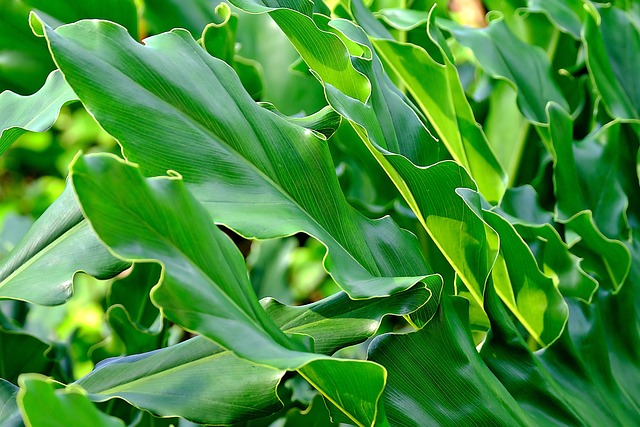
Leaf shape is one of the first traits botanists examine. Every shape reflects an environmental adaptation. Long and narrow leaves help reduce moisture loss through evaporation, which is why they appear on many drought-tolerant species. Broad leaves absorb more sunlight and are common in species that grow in shaded forests. By learning the common shapes such as ovate, elliptical, lanceolate and cordate, beginners can quickly narrow down species possibilities.
Shape also plays a role in how a tree responds to bonsai training. Species with naturally small or narrow leaves tend to make better bonsai, while large-leafed species may require more advanced techniques to achieve proportional foliage. When growers recognise leaf shape early, they can choose better candidates for refinement and avoid species that may present unnecessary challenges.
Leaf Margins and What They Tell Us
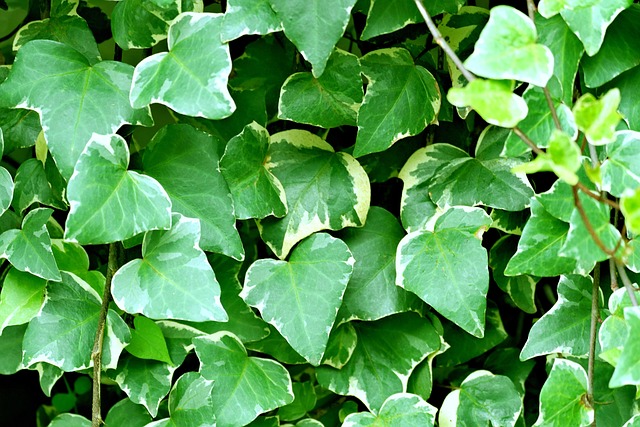
The margin, or outer edge of the leaf, is a reliable clue for identification. Smooth margins often belong to tropical species that grow in gentle, humid environments. Serrated margins can indicate trees from regions with strong seasonal growth patterns. Lobed margins, such as those on maple species, provide immediate hints about family classification.
Margins are also remarkably consistent within bonsai families. For example, many elms share a double serration pattern that is easy to recognise once learned. Observing the margin helps growers move beyond guesswork. It gives them a structured way to compare leaves and identify natural groupings among bonsai species.
Leaf Venation: The Hidden Map Inside Every Leaf
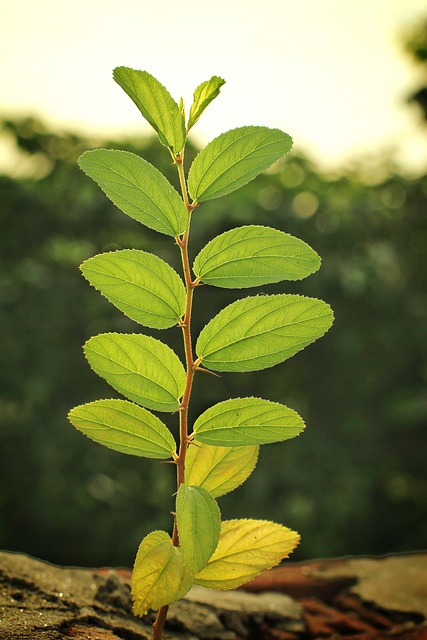
Venation is the arrangement of veins that run through a leaf. These veins deliver water, nutrients and structural support, and different species display distinct venation patterns. Pinnate venation, where a central midrib branches into smaller veins, is common in many deciduous trees. Palmate venation, where veins spread out from a single point, is characteristic of maples, liquidambars and similar species. Parallel venation appears in narrow-leafed species such as grasses and some subtropical plants.
Because venation is difficult to alter through environmental factors, it remains one of the most reliable identifiers. Even when a leaf is damaged or partially eaten, its venation pattern remains visible. For bonsai growers, understanding venation adds another precise layer to the identification process and makes species comparisons far easier.
Leaf Texture and Thickness
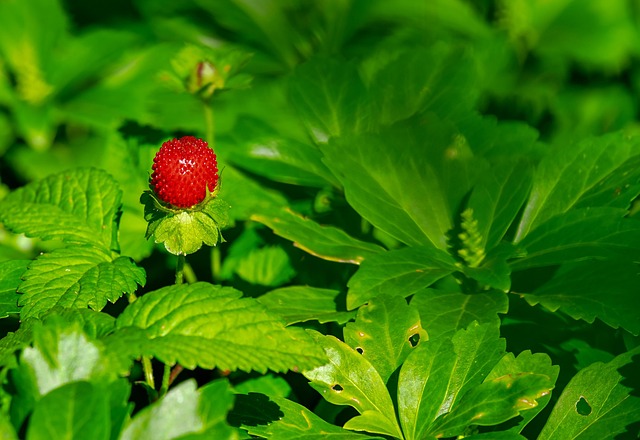
Texture provides clues about the leaf’s protective strategies. Thick, leathery leaves help trees survive intense sunlight and dry conditions. Waxy surfaces reduce water loss and repel excess moisture. Thin, delicate leaves often belong to species that thrive in shaded locations or humid environments. These differences help growers understand the natural habitat a species prefers and how it will respond to different care methods.
Surface texture also varies widely. Some species have glossy leaves that reflect light, while others have a matte finish that absorbs it. Certain trees have slightly hairy leaves, which help trap moisture or protect them from insects. Observing these textures trains the eye to notice fine details, which is essential for accurate bonsai identification.
Leaf Arrangement Along the Stem
Leaf arrangement refers to how leaves are positioned on a branch. The three main patterns are alternate, opposite and whorled. Alternate leaves grow one at a time along the stem in a staggered pattern. Opposite leaves grow in pairs directly across from each other. Whorled leaves grow in circles around a single point. This characteristic is highly stable and rarely changes, which makes it extremely useful for identification.
Understanding leaf arrangement also helps growers recognise natural growth tendencies. For example, species with opposite leaves often produce symmetrical branching patterns, while alternate-leafed species create more dynamic, irregular lines. These patterns influence how the bonsai will develop over time, which allows growers to plan styling decisions more effectively.
Seasonal Leaf Changes
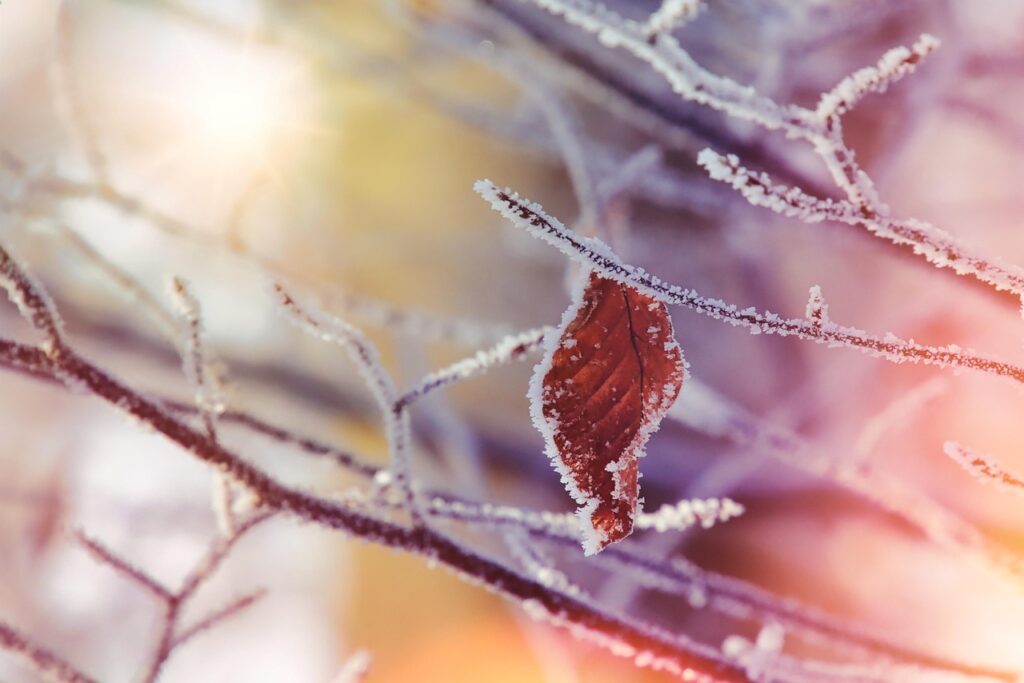
Leaves evolve throughout the year. Some species display dramatic colour changes in autumn, while others develop new textures or tones in spring and summer. Evergreen species may show subtle changes in leaf density or colour during different seasons. These seasonal shifts offer additional clues. A grower who understands how a leaf behaves in winter, spring, summer and autumn will be better equipped to identify a bonsai outside its usual growing period.
Seasonal changes also support health assessment. Leaves may indicate stress, nutrient needs or environmental imbalances long before other parts of the tree show signs. By learning the normal seasonal behaviour of different leaf types, growers build a strong foundation for both identification and care.
Using Science for Future Bonsai Leaf Identification
The purpose of studying leaf science is not only to recognise patterns, but to prepare for species-level identification. By learning shape, margin, venation, texture and arrangement, growers gain a toolkit they can apply to a wide range of bonsai species. Even when two species look similar at first glance, these traits reveal important differences.
Future guides will explore detailed leaf identification profiles for individual bonsai species. With the foundation provided in this article, beginners will be able to compare their trees more confidently and understand why certain traits point toward specific species. Leaf identification becomes easier and more intuitive as these skills develop.
Leaf Identification Unlocks the Story Behind Every Bonsai
Leaves are detailed records of a tree’s identity, environment and natural evolution. When bonsai growers learn to read these clues, they become better caretakers and more successful at recognising species. Leaf identification is a science grounded in observation, pattern recognition and curiosity. With this foundation, beginners can move confidently into more advanced bonsai study and species identification.