
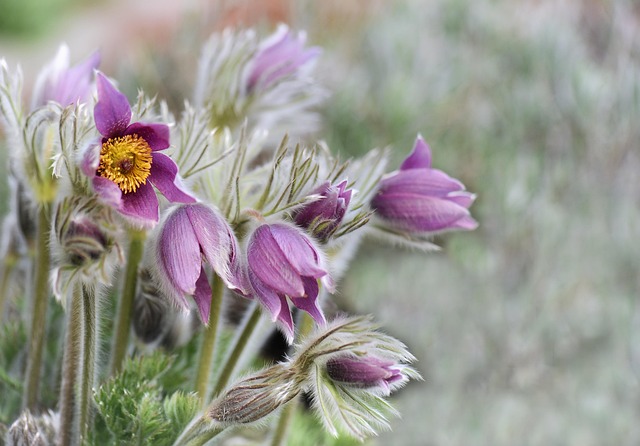
Flowers provide some of the most valuable clues when identifying plants, especially within bonsai cultivation. While leaves and bark often receive the most attention, flowers can confirm a species with remarkable accuracy. Understanding flower identification helps bonsai enthusiasts correctly classify trees, anticipate seasonal behaviour, and provide appropriate care throughout the year.
This guide introduces the fundamentals of flower identification as part of the Bonsarium series. It is designed as a general reference, with more detailed species-specific guides to follow.
Why flower identification matters in bonsai
Flower identification plays a critical role in understanding bonsai trees that bloom, whether briefly or reliably each season. Many species share similar leaves and growth habits, but their flowers reveal distinctions that leaves alone cannot.
In bonsai, accurate flower identification helps growers understand flowering cycles, pruning timing, and nutrient needs. Some trees flower before leaf emergence, while others bloom after full leaf development. Identifying these patterns prevents accidental removal of flower buds during pruning.
Flower identification also supports long-term planning. Knowing whether a bonsai produces flowers annually, intermittently, or only under specific conditions helps set realistic expectations for both display and care.
Understanding flower structure
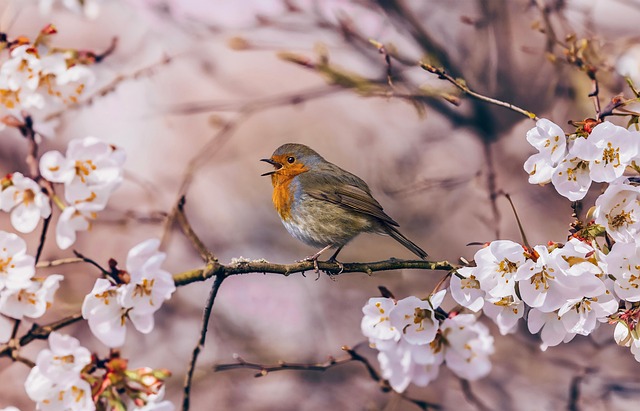
Successful identification begins with recognising basic flower anatomy. Most flowers are composed of petals, sepals, stamens, and pistils, although not all species display these parts clearly.
Petal number, shape, size, and arrangement are key identification markers. Some species have single-layered petals, while others produce double or layered blooms. Colour variation, including subtle shading or markings, can further narrow identification.
The presence or absence of fragrance is another useful indicator. While not always reliable on its own, scent can support flower identification when combined with visual characteristics.
Flower arrangement and growth patterns
How flowers grow on a branch is just as important as their appearance. Flower identification often relies on understanding whether blooms appear singly, in pairs, or in clusters.
Some species produce flowers directly from older wood, while others flower only on new growth. The position of the flower, whether at the tip of a branch or along its sides, offers important identification clues.
Timing also matters. Observing whether flowers appear in early spring, midsummer, or late autumn helps distinguish between closely related species. Recording flowering times over multiple seasons strengthens long-term flower identification accuracy.
Colour and seasonal variation
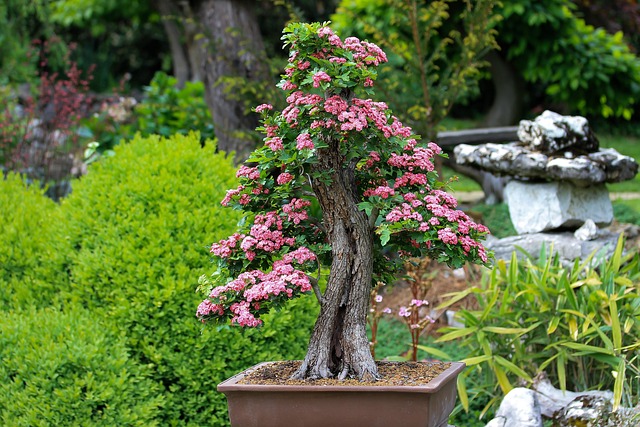
Colour is often the most noticeable feature, but it should be used cautiously in identification. Environmental conditions, soil composition, and climate can influence flower colour intensity and hue.
Some bonsai species change flower colour as blooms mature. Others display different shades depending on temperature or sunlight exposure. Understanding these variations prevents misidentification based on colour alone.
Seasonal consistency is more reliable than isolated observations. A flower that appears at the same time each year provides a stronger identification marker than colour variations influenced by growing conditions.
Flower size and scale in bonsai
In bonsai, flowers often appear smaller than those on full-sized trees. This reduction in scale can complicate flower identification, particularly for beginners.
Despite their size, the proportion and shape of flowers remain consistent. Comparing flower size relative to leaves and branch thickness offers helpful context. Some species naturally produce small flowers, while others display large blooms even in miniature form.
Careful observation and photography can assist with identification, especially when blooms are short-lived. Documenting flowers during peak bloom helps build a reliable reference over time.
Common challenges in flower identification
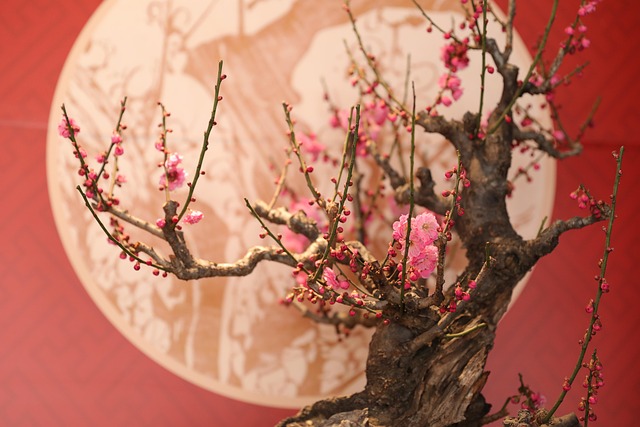
One of the main challenges in identification is the brief nature of flowering periods. Many bonsai trees bloom for only a few days or weeks each year, making timing critical.
Another difficulty arises when flowers are absent altogether. Young bonsai or recently pruned trees may not flower until they regain strength. In such cases, flower identification must be combined with leaf, bark, and growth habit analysis.
Hybrid species can further complicate identification. Cultivated varieties may display flower traits that differ slightly from wild species, requiring broader comparison rather than exact matching.
Combining flower identification with other traits
Flower identification is most effective when used alongside other plant characteristics. Leaves, bark texture, seed pods, and seasonal behaviour all contribute to accurate identification.
In the Bonsarium series, flower identification serves as one component of a wider identification framework. While flowers can confirm a species, they should not be the sole factor used in isolation.
Taking a holistic approach reduces errors and builds confidence, particularly for enthusiasts managing multiple bonsai species.
Using flower identification as a long-term reference
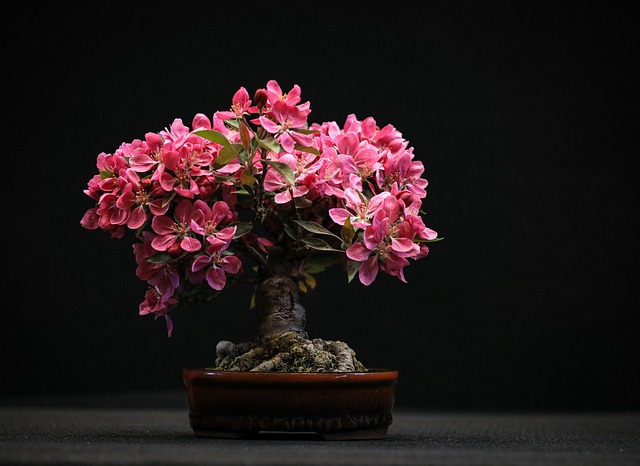
Keeping records is one of the best ways to improve identification skills. Notes on flowering time, colour, structure, and duration create a valuable reference for future seasons.
Photographs taken under consistent lighting conditions help track subtle differences year after year. Over time, this practice turns flower identification from guesswork into a reliable skill.
As the Bonsarium expands, individual species guides will explore flower identification in greater depth, including close-up comparisons and seasonal patterns.
Flower identification within the Bonsarium series
This guide serves as an introduction to flower identification within the Bonsarium series. It establishes the foundational principles needed to recognise and interpret flowers as identification tools.
Future articles will focus on specific flower types, family-level traits, and species-specific characteristics to support more precise identification. Together, these resources will form a structured reference library for bonsai enthusiasts at every level.
Building confidence through flower identification
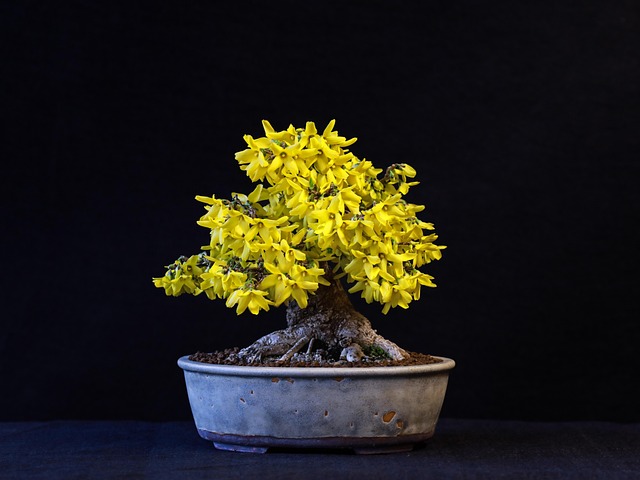
Flower identification is a powerful skill that enhances both bonsai care and botanical understanding. While flowers may be fleeting, the information they provide is lasting and valuable.
By learning to observe structure, arrangement, timing, and variation, bonsai enthusiasts can confidently identify flowering species and make informed care decisions. As part of the Bonsarium series, flower identification forms a key step toward deeper knowledge and stronger connections with living trees.
As we explore different bonsai species in the future, we will help you identify specific flowers related to them.