Seed identification is an essential skill for bonsai enthusiasts, gardeners, and plant collectors who want to understand where their plants come from and how they develop. While leaves and flowers are often used to identify plants, seeds provide valuable clues long before a tree reaches maturity.
In the Bonsarium series, seed identification focuses on recognising patterns, structures, and characteristics that help narrow down plant families and species. This guide explains how seeds differ, what to look for, and how seed identification supports accurate bonsai cultivation.
Table of Contents
Why Seed Identification Matters in Bonsai
Seed identification allows growers to understand a plant’s origin from its earliest stage. This is especially important in bonsai, where growing from seed offers greater control over trunk movement, root spread, and long-term design.
Many bonsai species are collected or grown before leaves or flowers appear. In these cases, seed identification provides the first reliable insight into what type of tree is being grown. Understanding the seed also helps determine dormancy requirements, stratification needs, and germination timelines.
Accurate seed identification prevents wasted time and resources by ensuring seeds are cared for using the correct methods.
Common Seed Shapes and Structures
One of the first steps in seed identification is observing shape and structure. Seeds vary widely across species, but certain forms appear repeatedly within plant families.
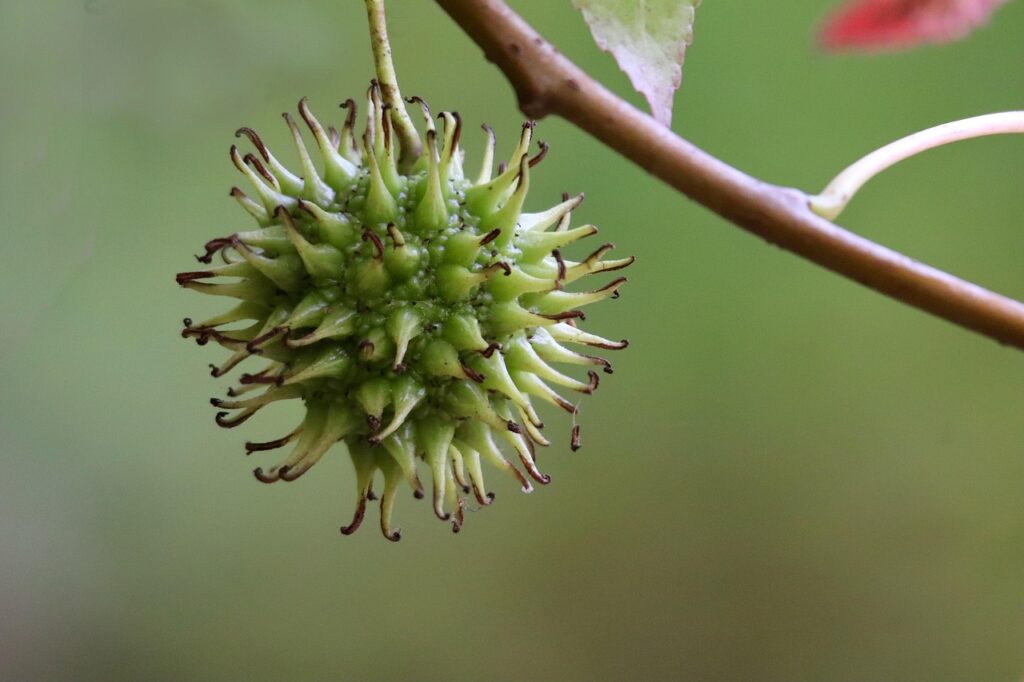
Common seed shapes include round, oval, winged, flat, elongated, and spiked. Winged seeds, such as samaras, often belong to trees adapted for wind dispersal. Round or nut-like seeds may indicate hardwood species or fruit-bearing trees.
Surface texture also plays a role. Smooth, glossy seeds differ significantly from rough, fibrous, or ridged ones, offering further clues during seed identification.
Seed Size and Its Role in Identification
Seed size is another important factor in identification. Large seeds often belong to trees that invest more energy into early root and shoot development, while smaller seeds rely on quantity rather than individual strength.
In bonsai cultivation, seed size can hint at expected growth behaviour. Larger seeds may produce stronger seedlings early on, while very small seeds often require more delicate handling and controlled conditions.
Comparing seed size against known species charts helps narrow down possibilities during the identification process.
Colour Changes and Maturity
Seed colour can change as seeds mature, which is an important consideration in seed identification. Immature seeds may appear green, pale, or soft, while mature seeds often darken and harden.
Some species display distinctive colour patterns or markings when fully mature. These visual cues can help distinguish between similar-looking seeds collected at different times of the year.
For accurate identification, it is always best to examine fully mature seeds whenever possible.
Pods, Cones, and Protective Casings
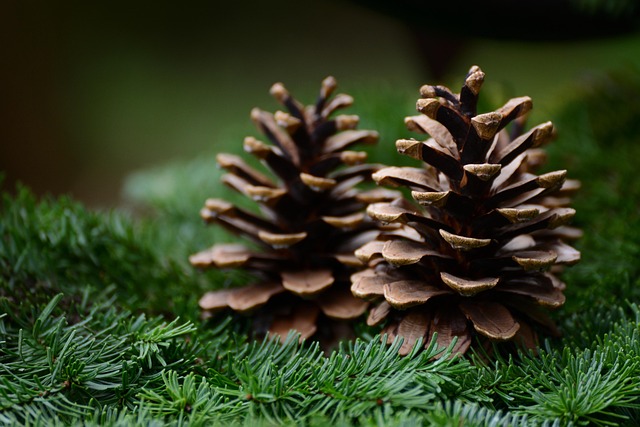
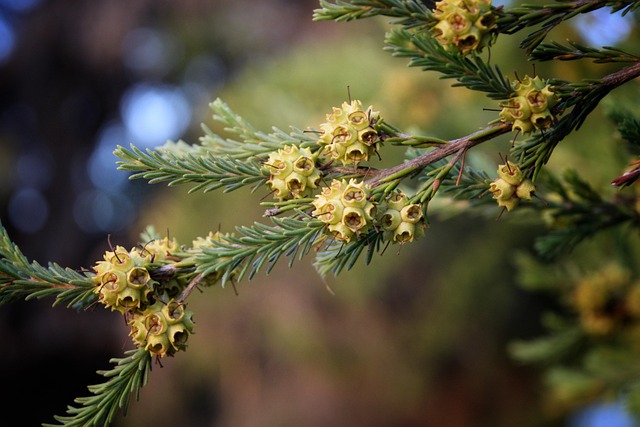
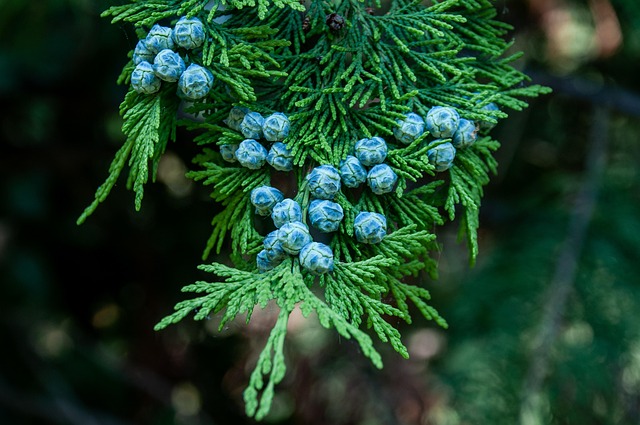
Not all seeds appear on their own. Many are enclosed in pods, cones, or fruit-like structures that offer strong identification clues.
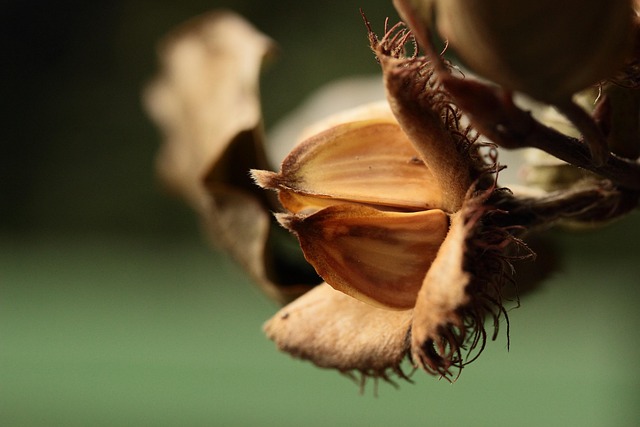
Leguminous trees often produce long pods, while conifers store seeds inside cones. Some species encase seeds in fleshy fruits or woody shells. Observing these structures can be just as important as examining the seed itself.
In the Bonsarium approach, identification includes studying both the seed and its casing as part of the full picture.
Seed Identification vs Species Identification
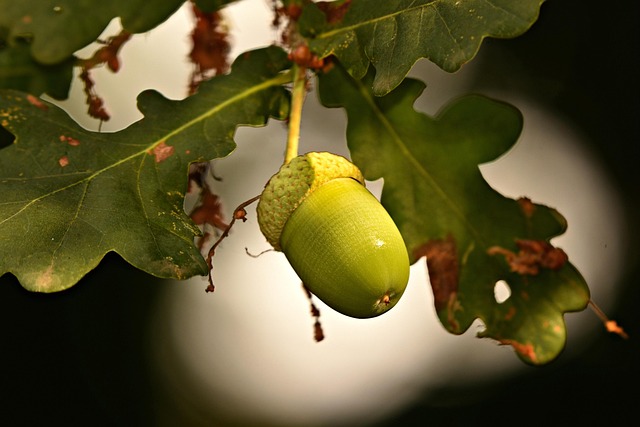
It is important to understand that seed identification does not always lead to immediate species-level certainty. In many cases, seeds can confidently identify a plant family or genus, with species confirmation occurring later through leaf or flower analysis.
This layered approach is central to bonsai education. Seed identification forms the foundation, while later stages refine accuracy as the plant develops.
Using seed identification alongside leaf, bark, and seasonal observations leads to the most reliable results.
Recording and Labelling Seeds
Accurate records support long-term seed identification success. Seeds should always be labelled with collection date, location, and any observed characteristics.
Photographing seeds from multiple angles helps create a personal reference library. Over time, this builds familiarity with common species and improves identification accuracy.
For bonsai growers, proper labelling prevents confusion years later when young trees begin training.
Understanding Seeds as the First Step in Bonsai Knowledge
Seed identification is more than a technical skill. It is the first step in understanding a tree’s life cycle, behaviour, and potential as bonsai. By learning to observe seed shape, size, structure, and casing, growers develop a deeper connection to their trees from the very beginning.
As part of the Bonsarium series, seed identification provides a foundational skill that supports all other forms of bonsai and plant identification. When combined with patience and careful observation, it becomes a powerful tool for every bonsai enthusiast.